You know, been running around construction sites all year, smelling concrete and dust… Honestly, these days everyone's talking about prefabrication, modular stuff. Seems like everyone wants to build things off-site and just bolt them together. It’s supposed to be faster, cheaper, less waste… but it’s rarely that simple, is it? You start digging into the details, and that's when things get tricky.
Have you noticed how everyone jumps on the latest polymer craze? “Oh, this new composite is three times stronger!” Yeah, maybe in a lab. But try handling it in the rain, or when it’s covered in mud. That’s where the real testing happens. And don’t even get me started on the smell… some of these things reek.
We’re using a lot of S355J2 steel these days, good stuff, but heavy. It’s got a sort of…metallic tang to it, you can tell it's quality just by the feel. And the coatings! Powder coating's standard, but the zinc-rich primers are where it's at for corrosion resistance. The feel of a properly prepped surface is something you learn after a while. You know when it's right.
The Current Landscape of slurry pump Demand
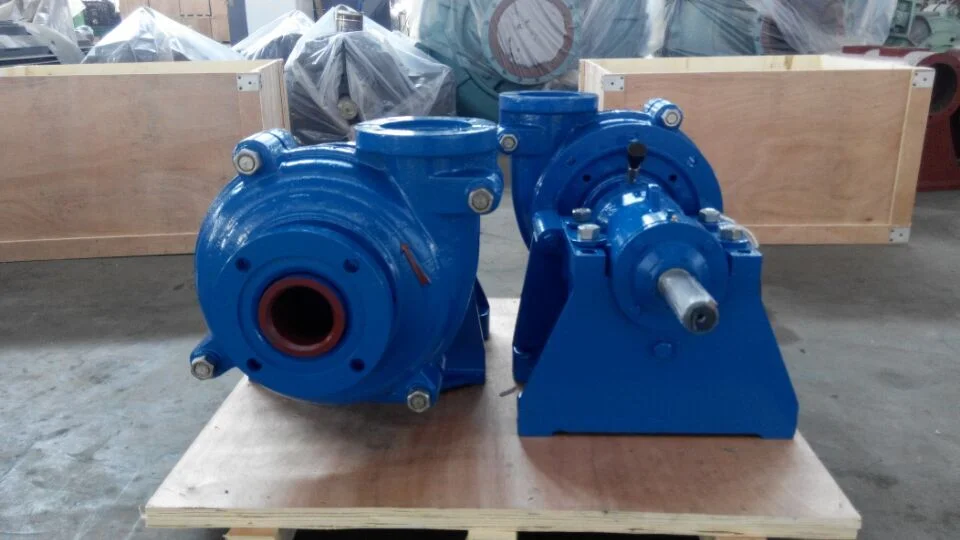
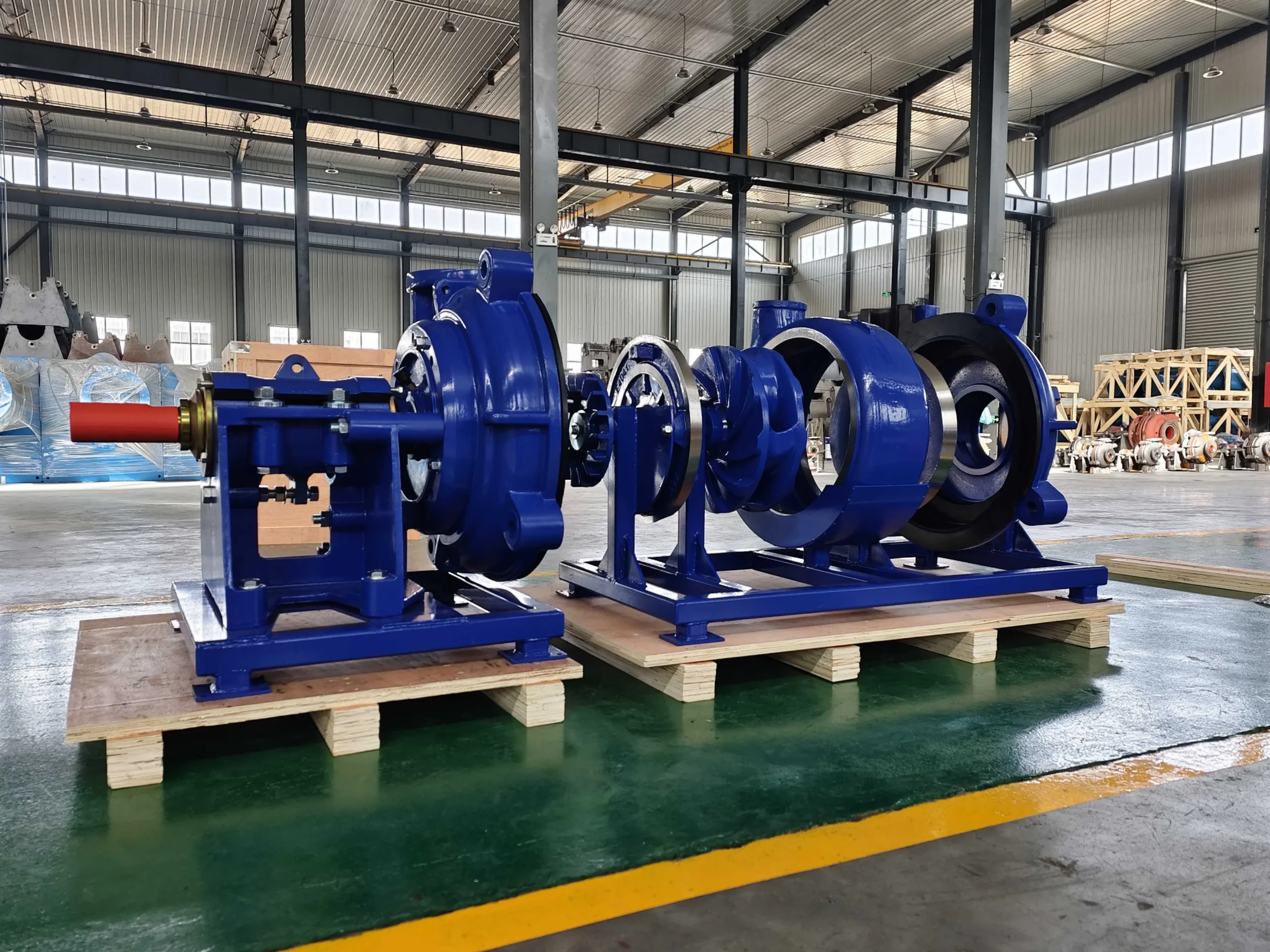
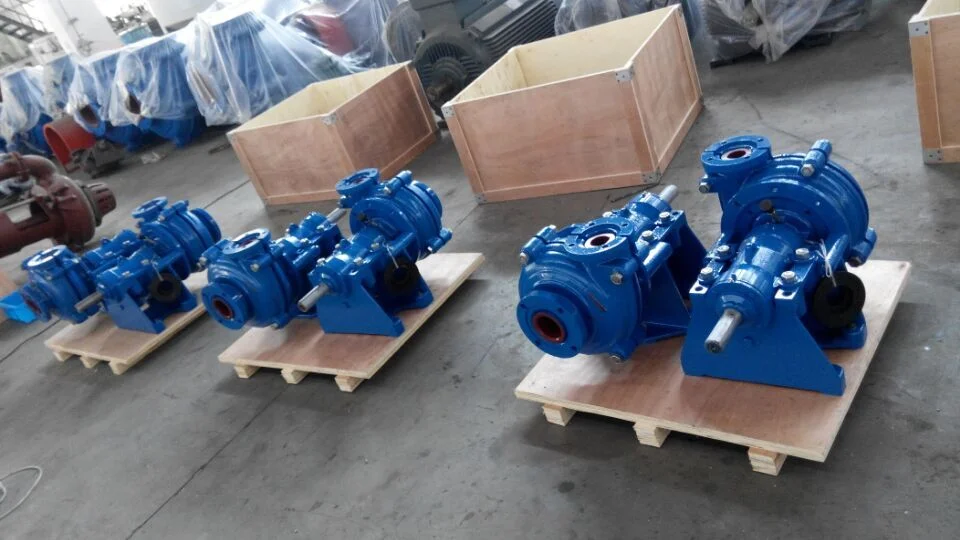
To be honest, the demand for robust slurry pumps is always there. Mining, wastewater treatment, construction…they all need to move abrasive stuff. But lately, there’s been a big push for more efficient pumps, lower energy consumption. Everyone’s feeling the pinch of electricity prices. And, strangely, a lot more interest in smaller, portable units. Seems like folks want to be able to move things around easily, handle quick jobs.
I encountered this at a quarry in Portugal last time. They were trying to use a massive, industrial-grade pump for a small cleaning operation, and it was just overkill. Wasted a ton of time and energy. They really needed something smaller, more manageable.
Common Design Pitfalls in slurry pump Engineering
One thing I've seen a lot is engineers getting too focused on theoretical performance and forgetting about real-world maintenance. They'll design a pump with incredibly tight tolerances, which sounds great on paper, but then it clogs with even a little bit of debris. Makes life miserable for the guys on site. Simplicity is key.
Another trap is undersizing the impeller. People try to save a few bucks upfront, and then the pump just can't handle the slurry. It wears out prematurely, requires constant repairs. It's always cheaper in the long run to get it right the first time.
And the seals! Oh, the seals. Getting a good seal in a harsh slurry environment is tough. You need to use the right materials, the right design, and have a proper installation procedure. Otherwise, it's a leaky mess.
Material Selection and On-Site Handling of slurry pump Components
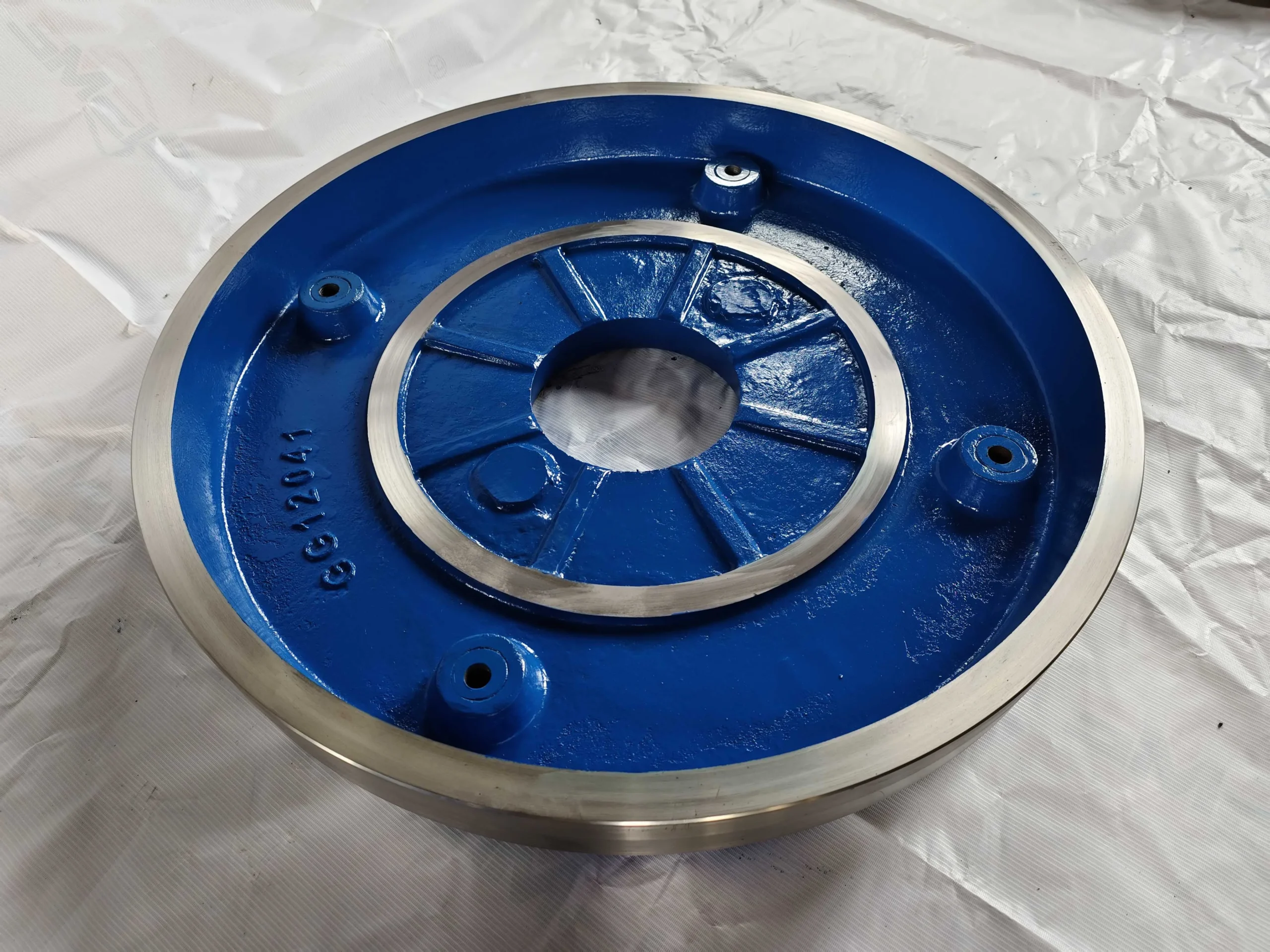
You can't just pick materials based on price. You’ve got to consider the slurry's composition, the temperature, the pressure. High-chrome cast iron is a workhorse, no doubt. It’s rough to the touch, a bit gritty, but it holds up well to abrasion. But for highly corrosive slurries, you need stainless steel, or even specialized alloys.
Now, handling these materials on-site is a whole other issue. You need proper lifting equipment, trained personnel. And you have to protect the components from damage during storage and installation. I’ve seen perfectly good impellers ruined because someone dropped a wrench on them. It's infuriating.
Rubber linings are gaining traction, too. They’re good for impact resistance, but they can degrade over time, especially with certain chemicals. You gotta know your stuff. And the smell of uncured rubber…whew. It lingers for days.
Real-World slurry pump Testing and Performance Metrics
Lab tests are fine, but they don’t tell the whole story. You need to test these pumps in a realistic environment. I mean, set them up at an actual mine, run them with the actual slurry, and see how they perform. That’s the only way to get a true picture of their reliability.
We monitor things like flow rate, pressure, power consumption, and of course, wear rates. We’ll take samples of the slurry before and after it goes through the pump, to see how much material has been eroded. It’s not glamorous work, but it’s essential.
slurry pump Performance Metrics Comparison
Actual slurry pump Usage Patterns vs. Expected Application
This is where things get really interesting. You spend months designing a pump for a specific application, and then you find out the customer is using it for something completely different. I swear!
Last month, that small boss in Shenzhen who makes smart home devices insisted on changing the interface to , and the result was a nightmare. He wanted to use our pump to circulate cooling fluid in his new server rack. Sounded simple enough, but he completely ignored the temperature limitations of the seals. Pump lasted about a week before it started leaking. He wanted a refund. Anyway, I think he learned a lesson.
Advantages and Disadvantages of slurry pump Technology
The biggest advantage, obviously, is the ability to move abrasive materials. Without these pumps, a lot of industries would grind to a halt. And the newer designs are getting more efficient, more reliable.
But they're not perfect. They're complex machines, with a lot of moving parts. They require regular maintenance, and they can be expensive to repair. And let's be honest, they're not exactly quiet. The noise can be a real issue in some applications.
But, honestly, those are tradeoffs you have to live with. You can't have everything.
slurry pump Customization Options and Practical Examples
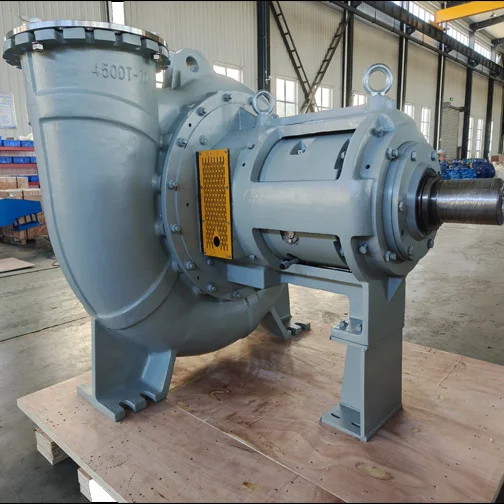
We get a lot of requests for customization. Different impeller materials, different seal configurations, different motor options. A common one is changing the discharge angle to fit a specific piping layout. It’s not always easy, but we can usually make it work.
We did a project for a gold mine in Australia a couple of years ago. They needed a pump that could handle extremely abrasive slurry and operate in a confined space. We ended up designing a custom impeller with a unique blade geometry and using a magnetic drive to eliminate the need for seals. It was a complex project, but it solved their problem.
Another example: changing the casing material to better withstand specific corrosive agents. Sometimes it's a small tweak, sometimes a complete redesign. It all depends on the customer's needs.
Summary of slurry pump Component Performance and Suitability
| Component | Material | Typical Application | Maintenance Frequency |
|---|
| Impeller | High-Chrome Cast Iron | Mining, Aggregate Processing | Every 6-12 Months |
| Casing | Rubber Lined Steel | Chemical Processing, Wastewater Treatment | Annual Inspection |
| Seals | Silicone Carbide | Abrasive Slurries, High-Pressure Applications | Quarterly Inspection |
| Bearings | Ceramic | High-Temperature Applications | Bi-Annual Greasing |
| Shaft | Stainless Steel | Corrosive Environments | Annual Inspection |
| Motor | TEFC (Totally Enclosed Fan Cooled) | General Industrial Applications | Annual Maintenance |
FAQS
Honestly, it's underestimating the solids content and particle size of the slurry. Folks often assume it's less abrasive than it actually is, and end up with a pump that wears out way too quickly. You have to get a good sample of the slurry and have it analyzed before you select a pump. It's the only way to be sure.
It depends on the slurry, but as a general rule, you should inspect the seals every quarter and replace them as needed. If you're pumping highly abrasive or corrosive slurries, you might need to replace them more often. Ignoring seal maintenance is a recipe for disaster – leaks, downtime, and expensive repairs.
Centrifugal pumps are good for high flow rates and low viscosity slurries. Positive displacement pumps are better for high viscosity slurries and applications where you need a precise flow rate. Choosing the right type depends on the specific application. It’s not one-size-fits-all, you know?
There are a few things you can do. First, make sure the slurry is properly pre-treated to remove any large or abrasive particles. Second, use a pump with wear-resistant materials. And third, follow a regular maintenance schedule. Preventative maintenance is key.
Absolutely not! A standard water pump will be destroyed very quickly by abrasive particles. Slurry pumps are specifically designed to handle these types of fluids, with hardened components and special seals. Don’t even try it. It will just end badly.
First, disconnect the power! Safety first. Then, carefully try to clear the blockage. Sometimes, you can reverse the pump to dislodge it. If that doesn’t work, you might need to disassemble the pump and manually remove the blockage. Be careful not to damage any of the components.
Conclusion
Ultimately, these pumps are complex machines that require careful selection, installation, and maintenance. Understanding the specific application, the slurry characteristics, and the available materials is crucial. There's no silver bullet, no magic solution. It’s a constant balancing act between performance, reliability, and cost.
But, honestly, at the end of the day, whether this thing works or not, the worker will know the moment he tightens the screw. If it feels solid, if it runs smoothly, if it keeps pumping… that’s all that really matters. If you want a pump that can hold up, visit our website: www.qualityslurrypump.com.