
By:William Brown - February 12, 2026
By:Robert Johnson - February 11, 2026
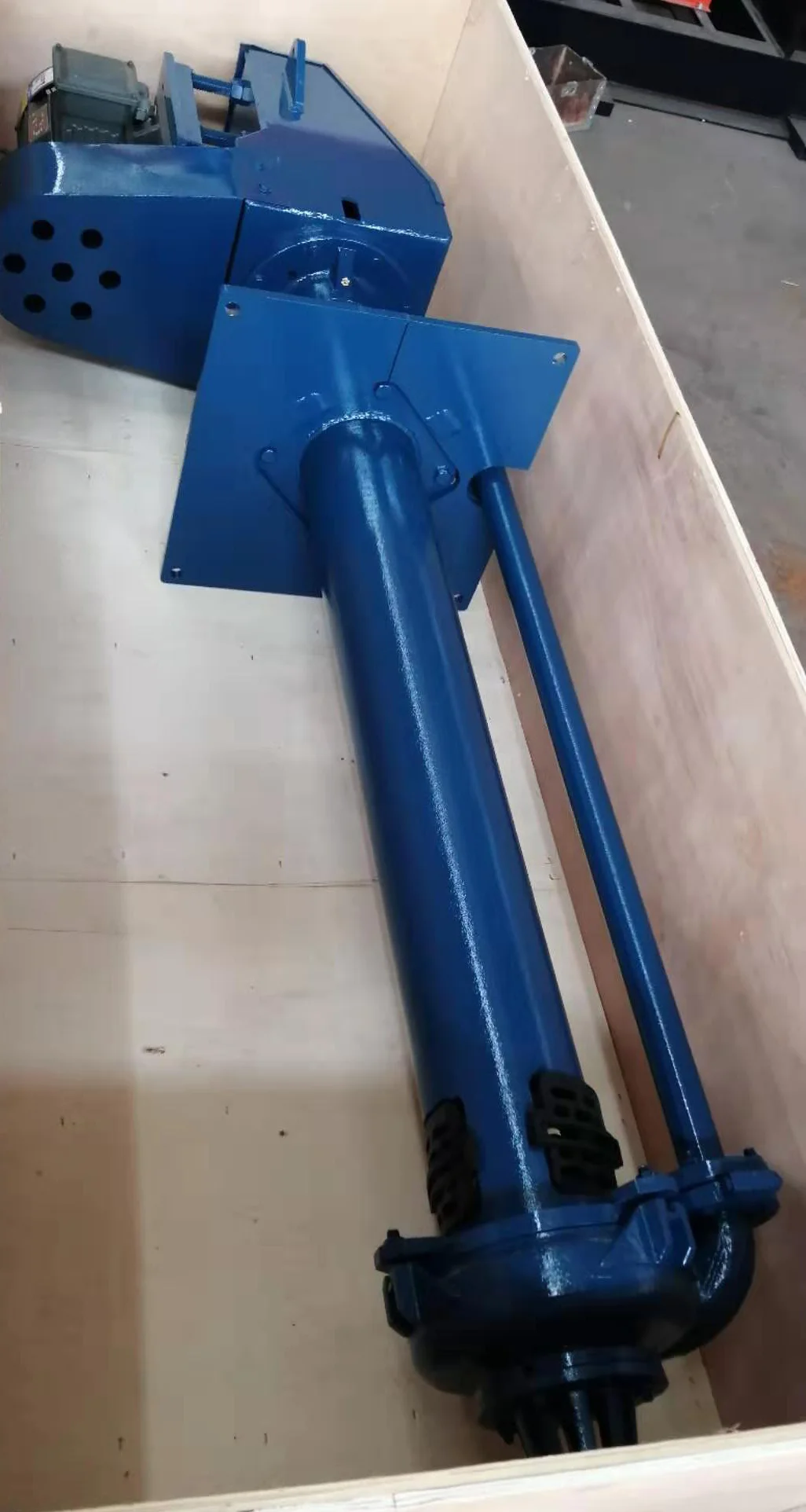
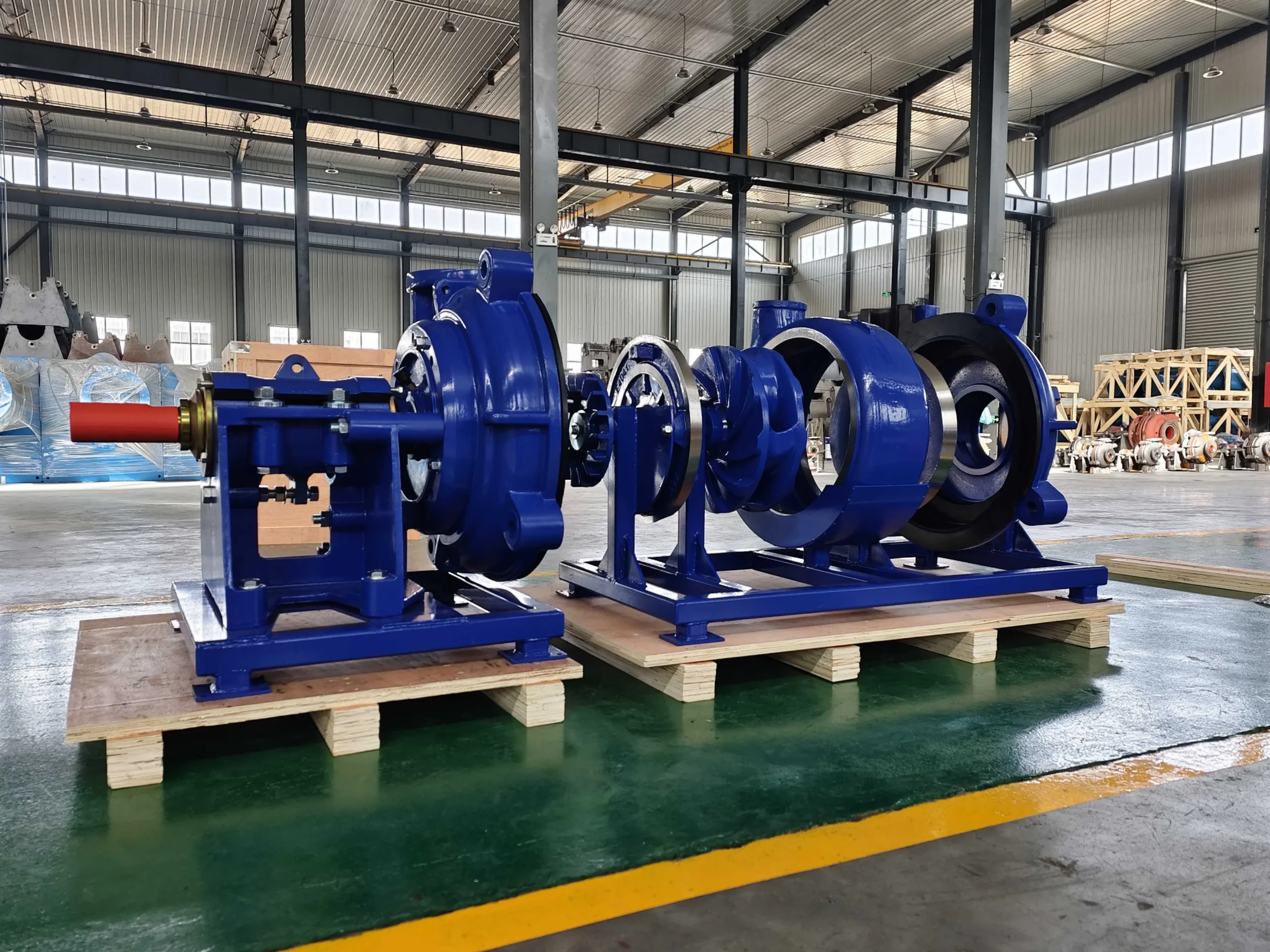
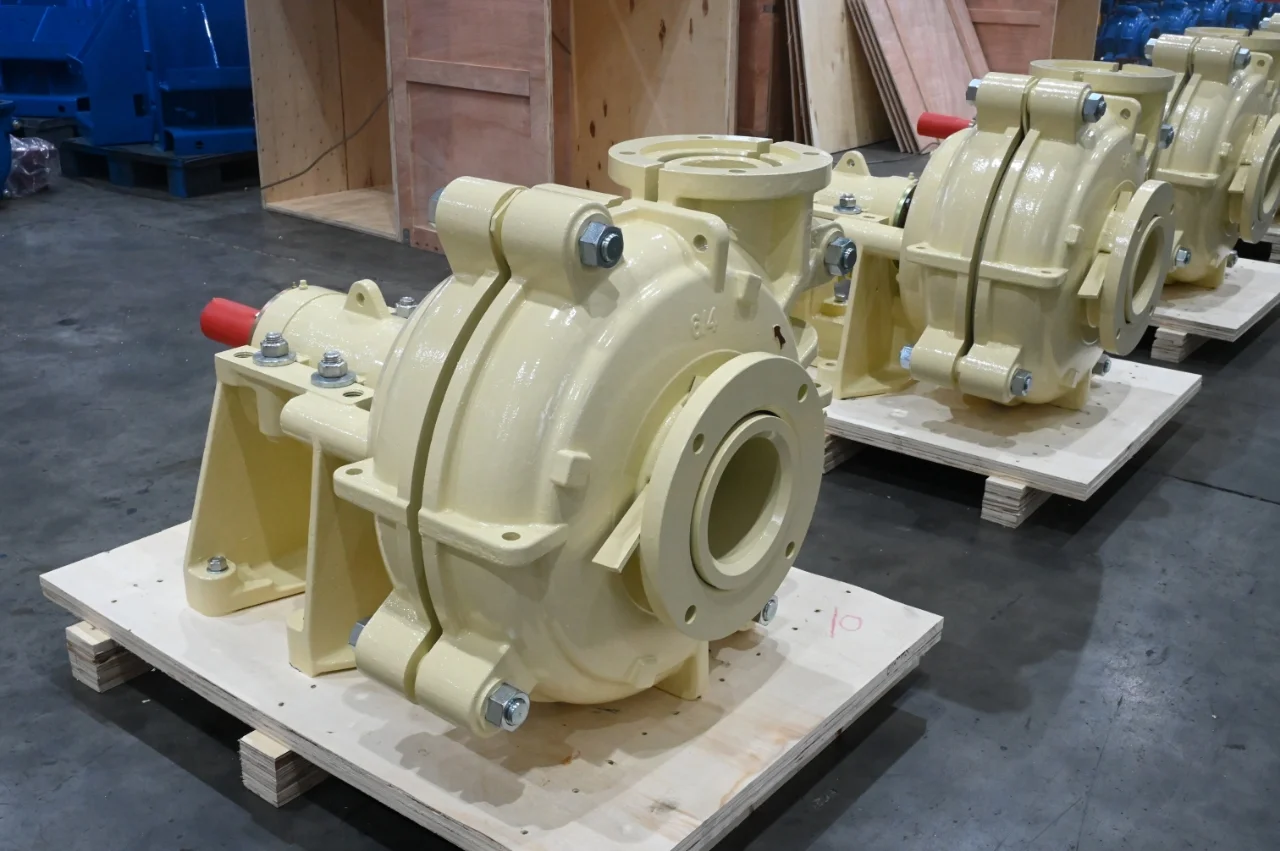
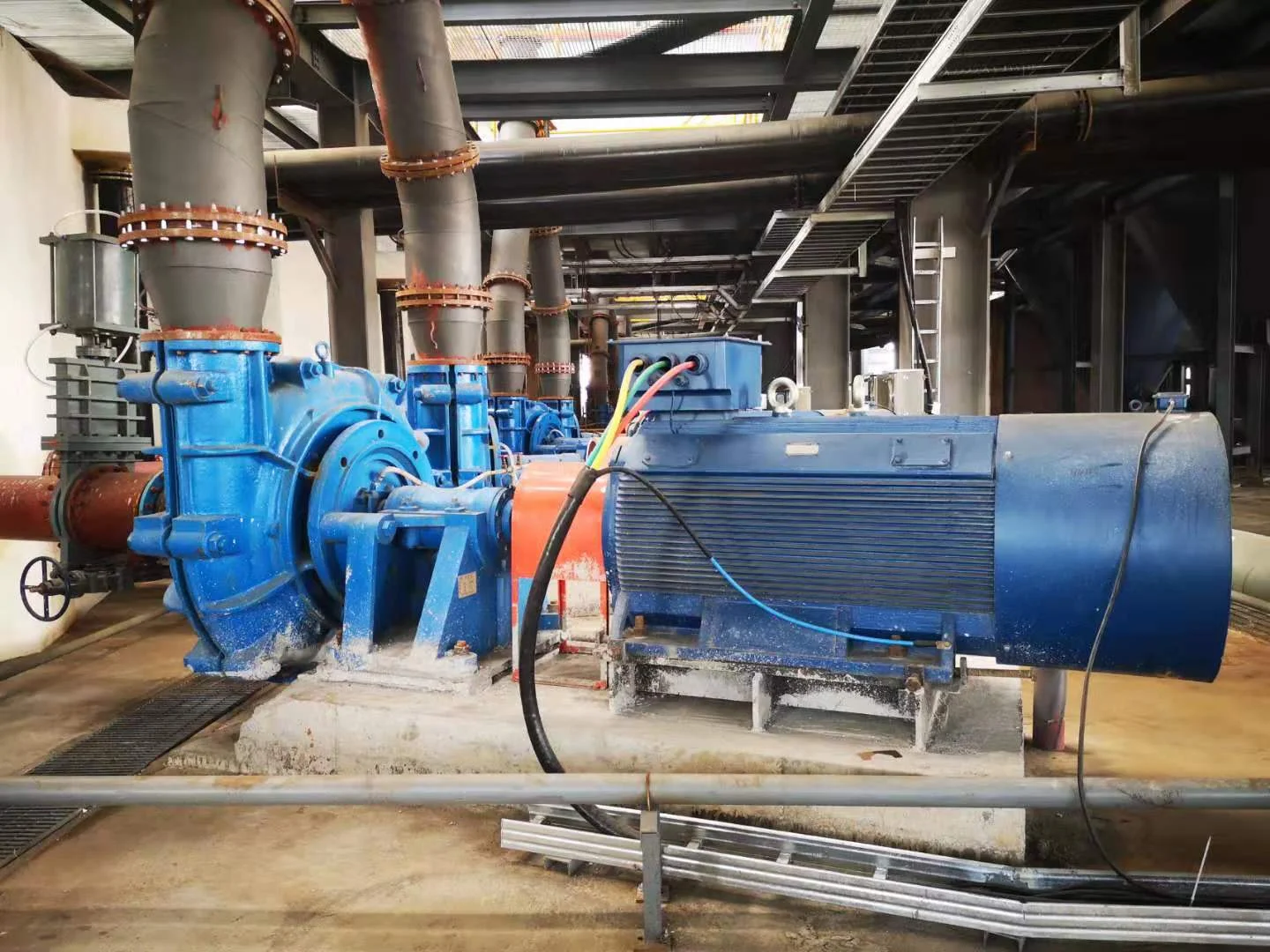
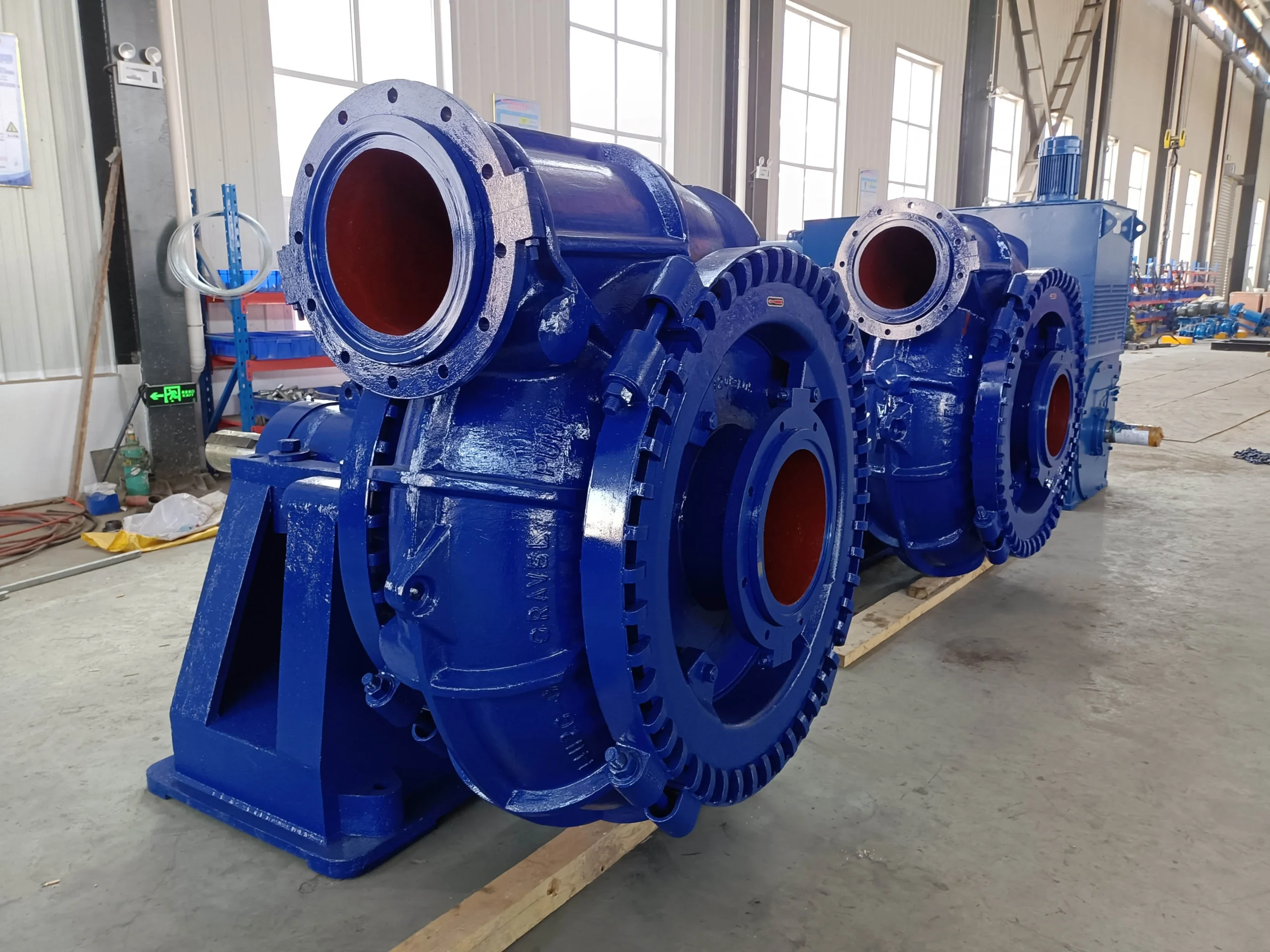
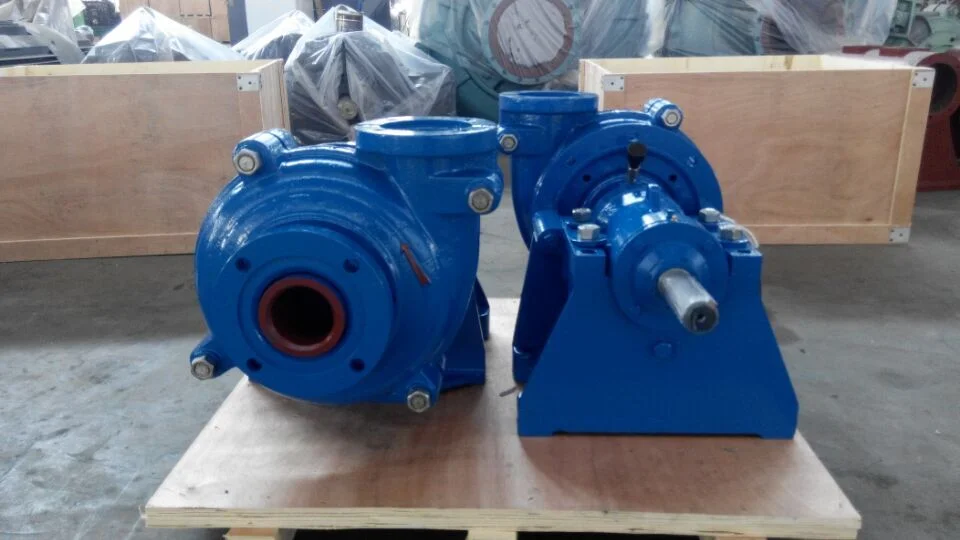
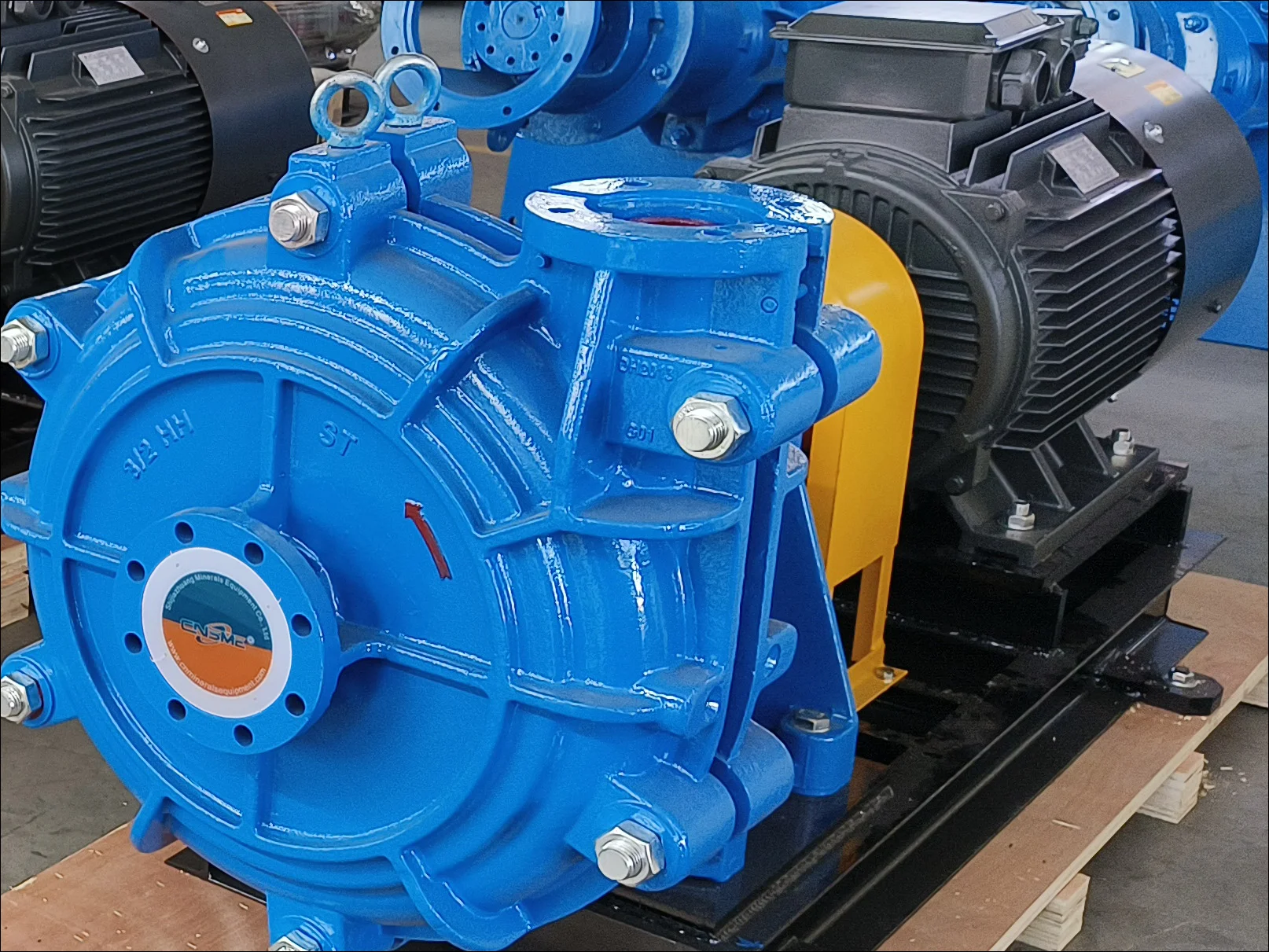
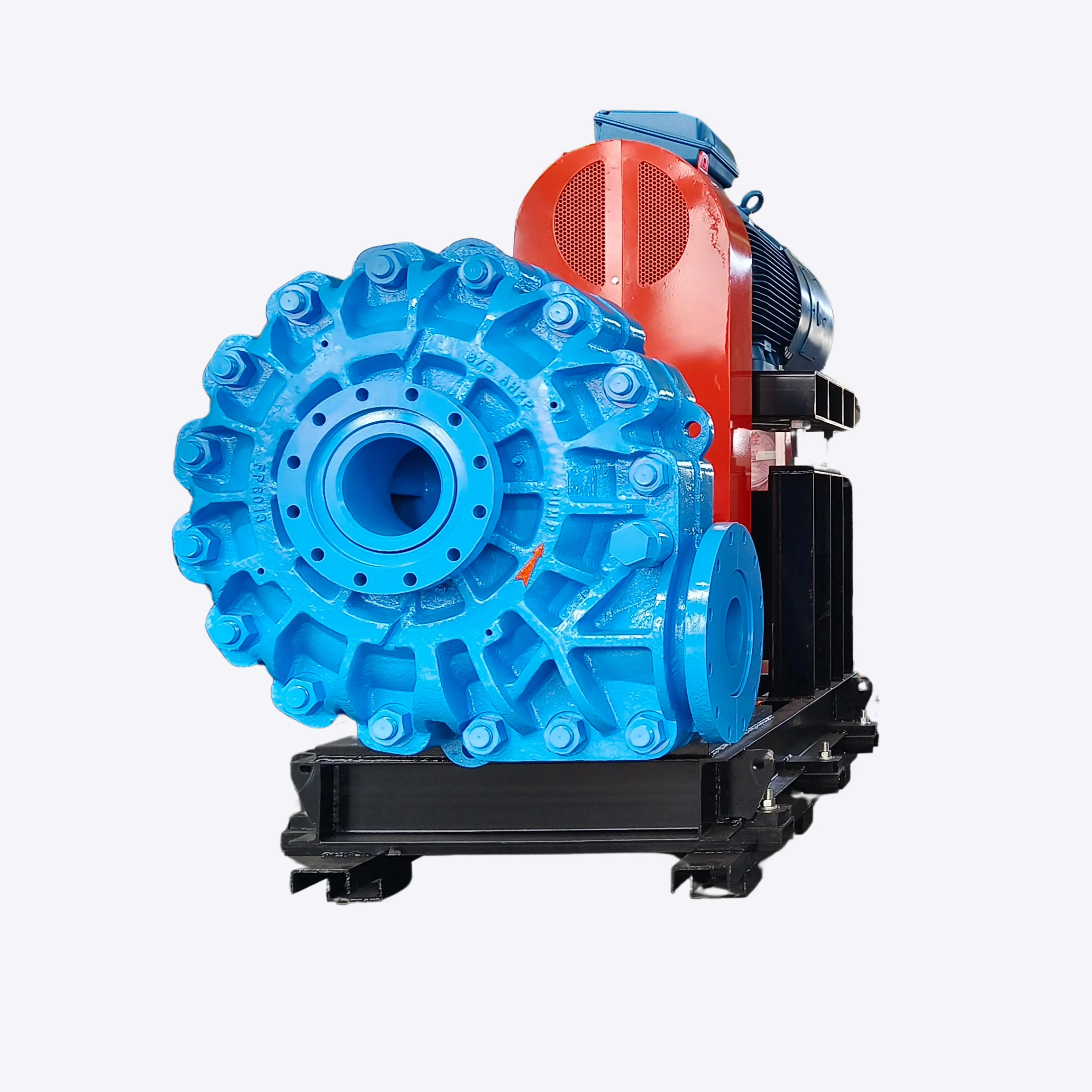
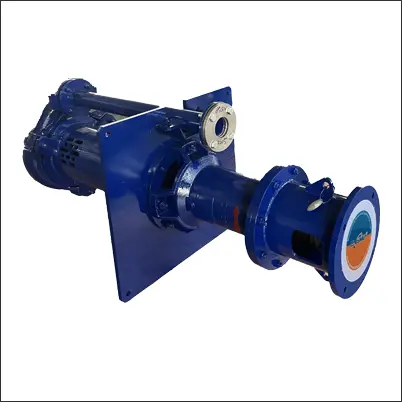
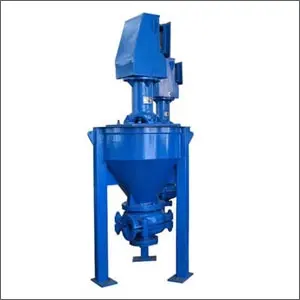
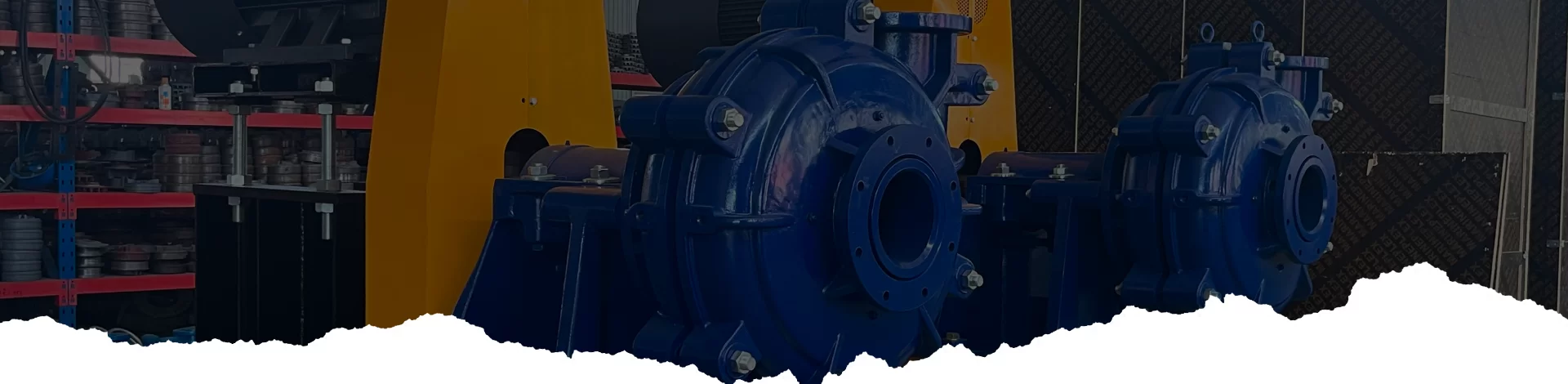
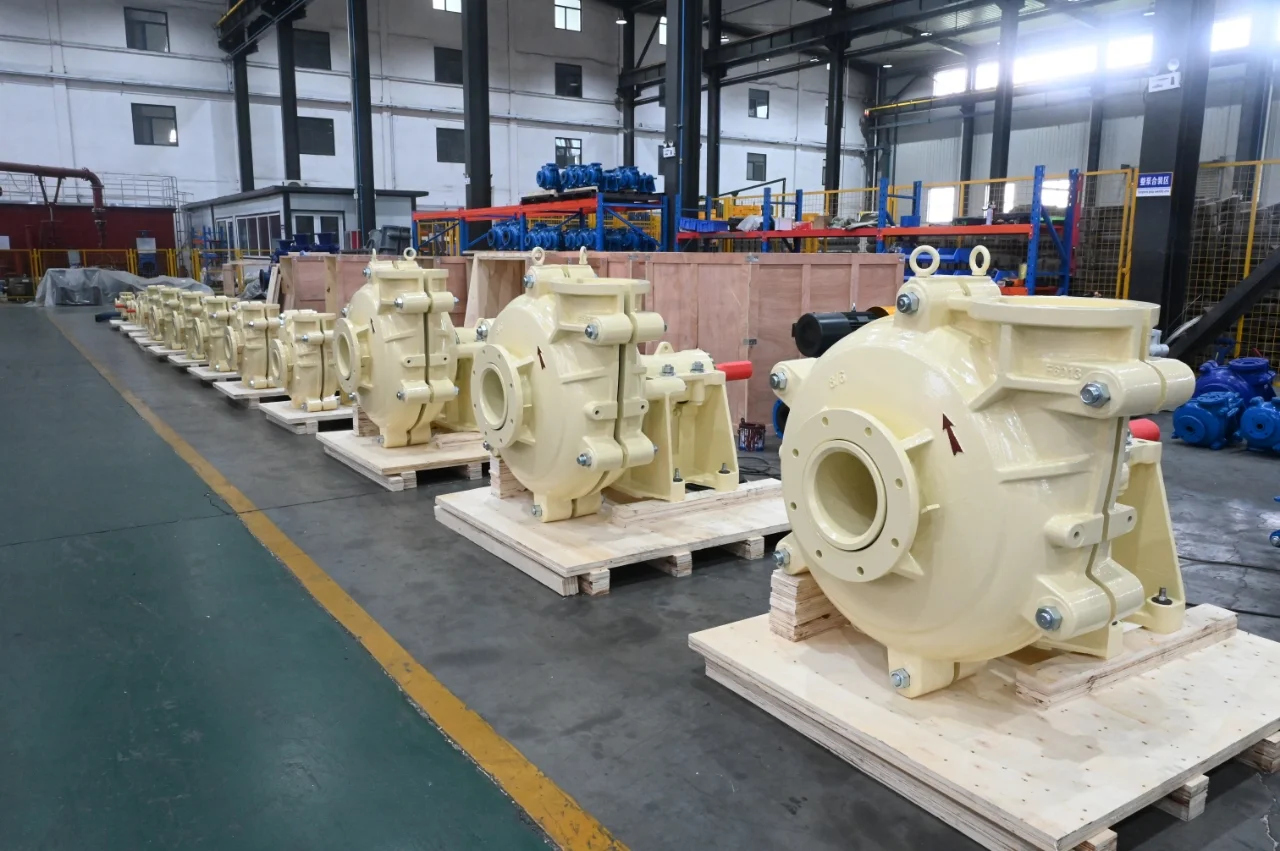
Slurry pump impeller factories are the backbone of numerous industries, from mining and wastewater treatment to agriculture and chemical processing. These facilities don’t just manufacture components; they engineer solutions to handle abrasive and corrosive materials, ensuring the efficient and reliable transport of slurries. The demand for robust and specialized impellers is globally increasing, driven by expanding infrastructure projects and stricter environmental regulations requiring effective waste management. Understanding the intricacies of slurry pump impeller factory operations, from material science to manufacturing processes, is crucial for optimizing performance and minimizing downtime in critical applications. The global slurry pump market, and consequently the demand from slurry pump impeller factory operations, is experiencing significant growth. Market reports estimate a multi-billion dollar valuation with consistent expansion predicted over the next decade. This surge is fueled by infrastructural developments in emerging economies, particularly in Asia-Pacific, and the increasing need for efficient and sustainable resource management. ISO standards and stringent industry regulations emphasize the importance of high-quality impeller designs and manufacturing processes, requiring specialized expertise within slurry pump impeller factory settings.
By:William Brown - February 10, 2026
By:Robert Johnson - February 9, 2026
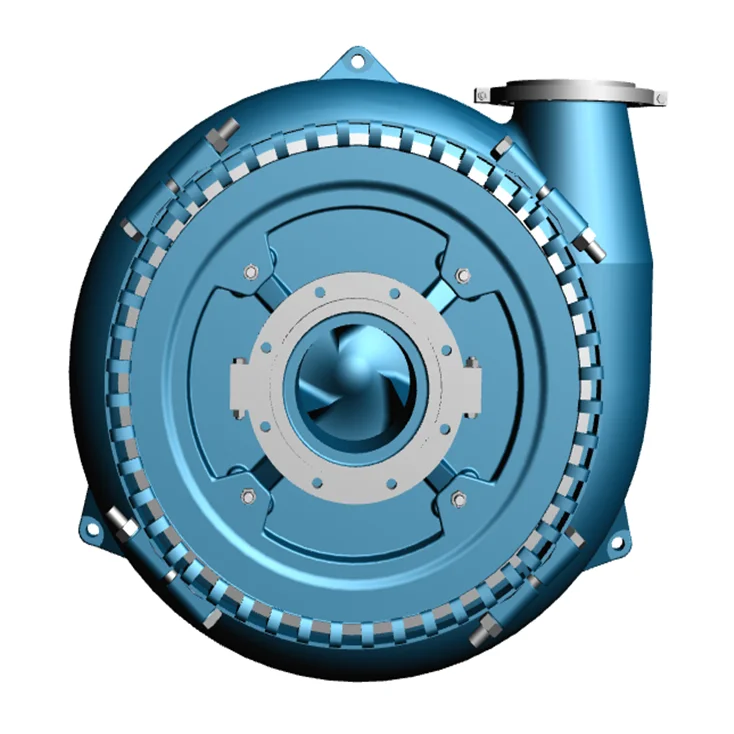
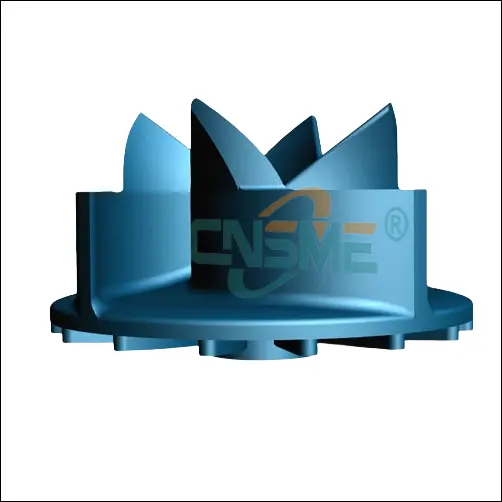
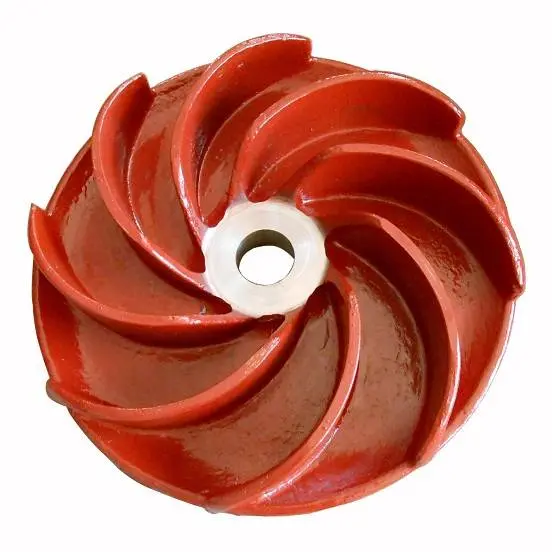
Slurry pump impeller design is a crucial element in the efficient and reliable transport of abrasive and erosive fluids across numerous industries. These specialized pumps are vital in mining, wastewater treatment, chemical processing, and even food production, where handling mixtures of liquids and solids is commonplace. Optimizing the impeller's design directly impacts the pump’s performance – its efficiency, longevity, and ability to withstand the harsh conditions inherent in slurry handling. Understanding the nuances of slurry pump impeller design is therefore paramount for engineers and operators striving for cost-effectiveness and operational excellence. Globally, the demand for efficient slurry handling solutions is constantly increasing, driven by factors such as expanding infrastructure projects, stricter environmental regulations regarding waste management, and the growing need for resource extraction. The United Nations estimates that global wastewater generation will increase by 54% by 2050, necessitating advanced wastewater treatment facilities – many relying heavily on robust slurry pumping systems.
By:Robert Johnson - February 8, 2026
By:Daniel Wilson - February 7, 2026
By:David Miller - February 6, 2026
By:Robert Johnson - February 5, 2026
By:David Miller - February 4, 2026
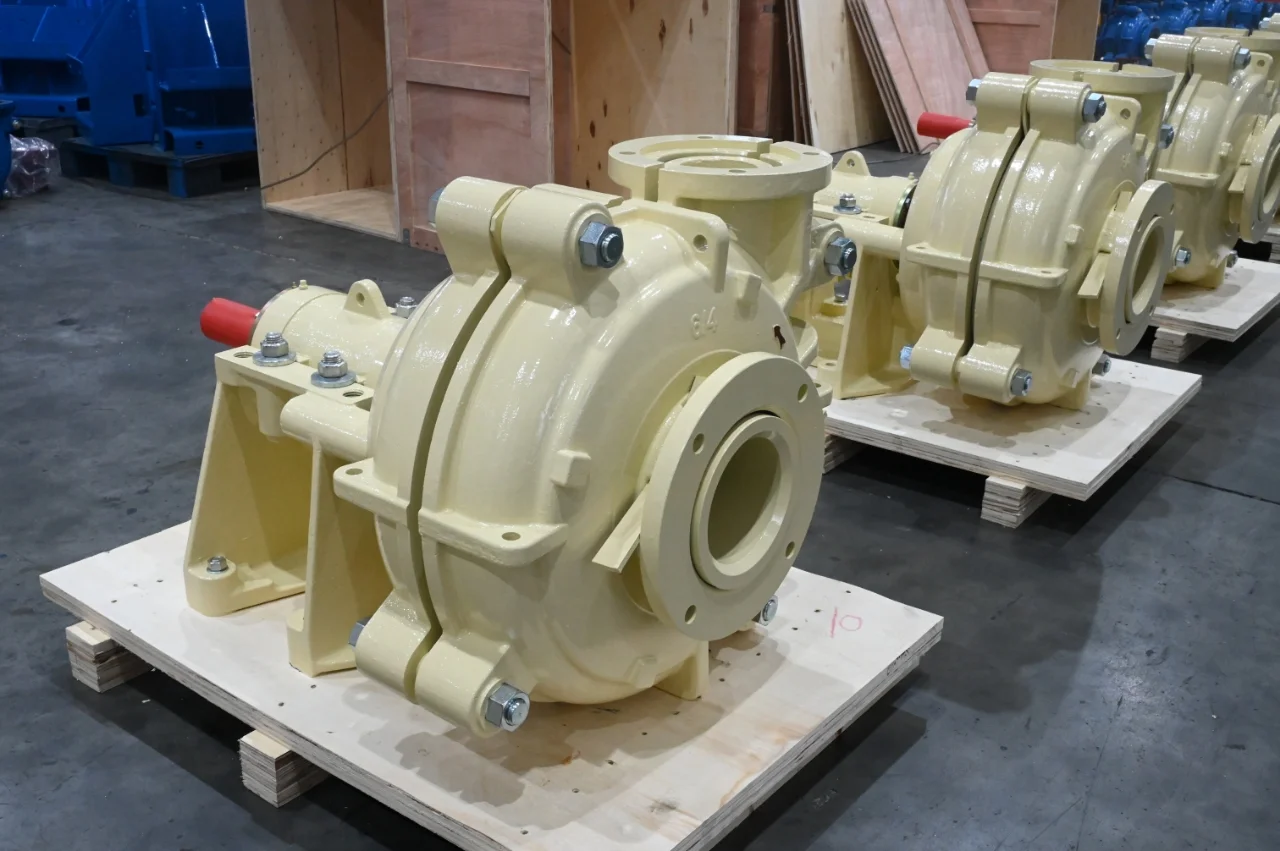
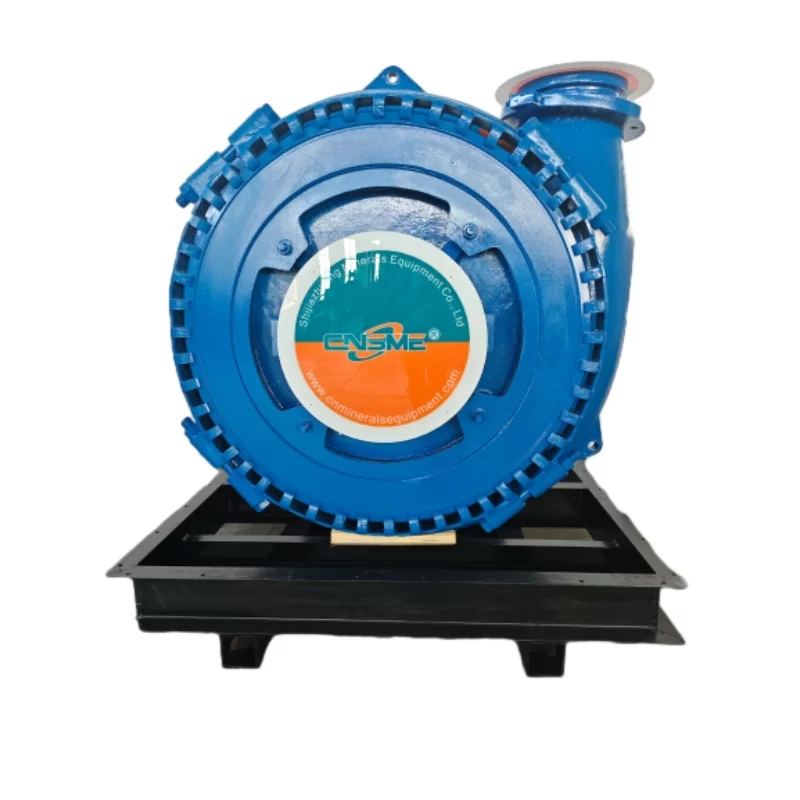
Warman slurry pump replacement is a critical component of maintaining operational efficiency and minimizing downtime across various industries, including mining, dredging, and wastewater treatment. The lifespan of these pumps is dictated by the abrasive nature of the materials they handle, necessitating periodic replacement to avoid catastrophic failures and maintain consistent performance. Understanding the nuances of warman slurry pump replacement—from selecting the right replacement parts to implementing effective maintenance strategies—is paramount for maximizing return on investment and ensuring safe operation. Globally, industries rely heavily on robust pumping solutions for processing and transporting abrasive slurries. The demand for reliable warman slurry pump replacement parts and services is consistently high, driven by the constant need to upgrade aging infrastructure and adapt to evolving operational requirements.
By:David Miller - February 4, 2026
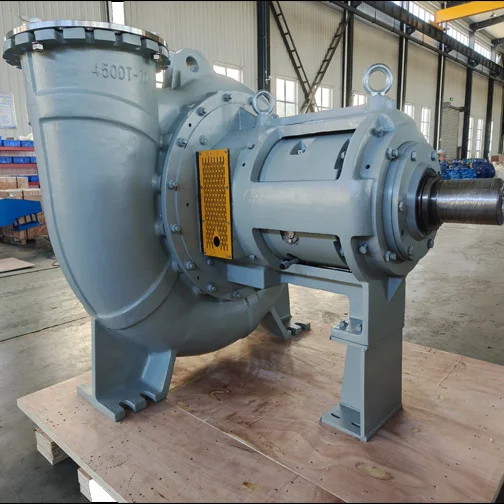
Look, I've been running around construction sites for over a decade now, and honestly, the biggest thing I’m seeing lately is everyone chasing higher flow rates. It's like a horsepower war, you know? Everyone wants the biggest, baddest dredge pump on the block. They think bigger equals better. But… it's not always that simple. Have you noticed, a lot of these designs, they look fantastic on paper, all sleek and optimized. But then you get them on-site, and they're a nightmare to maintain. Too many tight spaces, proprietary fittings, stuff like that. It’s like the engineers designing these things have never actually touched a wrench. They forget that someone has to disassemble this thing in the pouring rain at 3 AM. And it's not just the design. The materials...people are constantly trying to cut corners. We've really started standardizing on high-chrome iron for the impeller and casing. It’s heavy, sure, smells a bit like metal shavings when you first machine it, and getting a good weld requires a specialist, but it holds up.
By:William Brown - February 3, 2026
You know, I've been running around construction sites for years, and the biggest trend lately? Everyone's obsessed with minimizing weight. Lighter materials, thinner walls… It's all about getting the job done faster and cheaper, but honestly, sometimes I worry we're sacrificing durability. It's a trade-off, right? We've all seen what happens when things are too lightweight. I've seen so many designs that look good on paper, but fall apart in the real world. Have you noticed how everyone wants these sleek, minimalist designs? It's fine, I guess, but integrating cable management, or even just decent access panels, is often an afterthought. They design these things in an office, they don't spend weeks wrestling with them in the mud. Then I'm the one getting yelled at because the electrician can't reach the damn terminals. We use a lot of high-density polyethylene for the pump housings these days. Good stuff. It’s got that… plastic-y smell, but it's tough. Surprisingly tough. Feels a little waxy to the touch, needs gloves if you’re handling it all day. And then, of course, there's the cast iron for the impeller and volute. Heavy as hell, but you can’t beat the abrasion resistance. I encountered this at a pump factory in Jiangsu Province last time – they were trying to switch to a polymer impeller to save weight, but it just couldn’t handle the gravel. Completely shredded within a month.
By:Daniel Wilson - February 2, 2026
bscribe newslette