Slurry pump for tailings management is a critical component of modern mining and mineral processing operations globally. The safe and efficient handling of tailings – the waste materials left over from extracting valuable minerals – is paramount for environmental protection, regulatory compliance, and long-term sustainability. Understanding the nuances of slurry pump for tailings technology, from pump selection to system design, is increasingly vital as mining operations move towards more complex ores and stricter environmental standards.
The global mining industry generates billions of tons of tailings annually, posing significant challenges related to storage, water management, and potential environmental contamination. Efficient slurry transport is at the heart of effectively managing these tailings streams, directly impacting operational costs and environmental risk. Investing in robust and reliable slurry pump for tailings solutions is no longer simply a logistical necessity, but a crucial element of responsible corporate citizenship.
This exploration delves into the world of slurry pump for tailings, providing insights into their function, key considerations for selection, real-world applications, and future trends. By understanding the core principles and latest innovations in this field, stakeholders can optimize tailings management practices and minimize environmental impact.
The effective management of tailings is no longer simply an engineering challenge; it’s a critical component of sustainable mining practices. Slurry pump for tailings play a vital role in transporting these materials efficiently and safely, minimizing environmental risks and ensuring regulatory compliance. Selecting the appropriate pump technology directly impacts the long-term stability of tailings storage facilities and the overall environmental footprint of mining operations.
Without robust slurry handling systems, tailings can pose significant hazards, including dam failures, water contamination, and dust pollution. Investing in high-quality slurry pump for tailings solutions is therefore a strategic investment in responsible mining, protecting both the environment and the long-term viability of the operation.
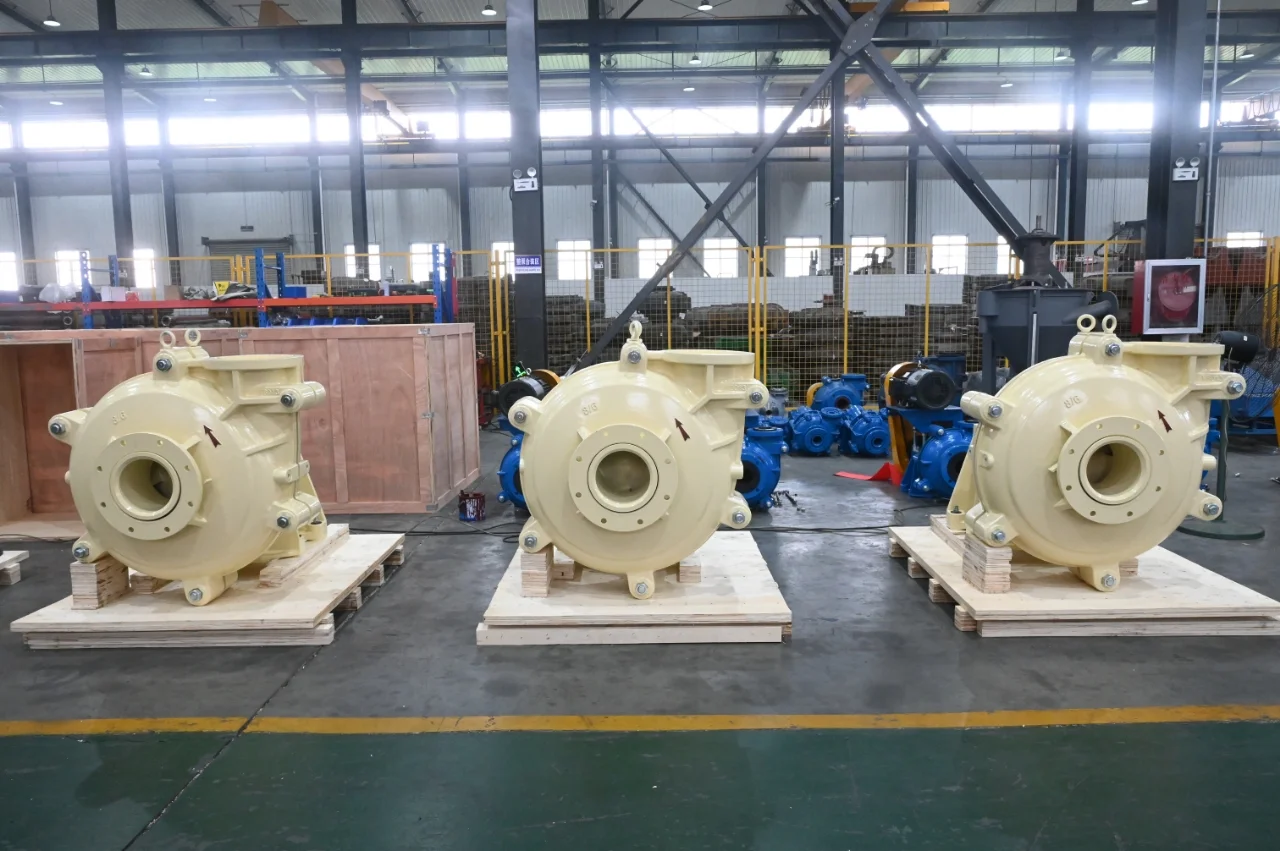
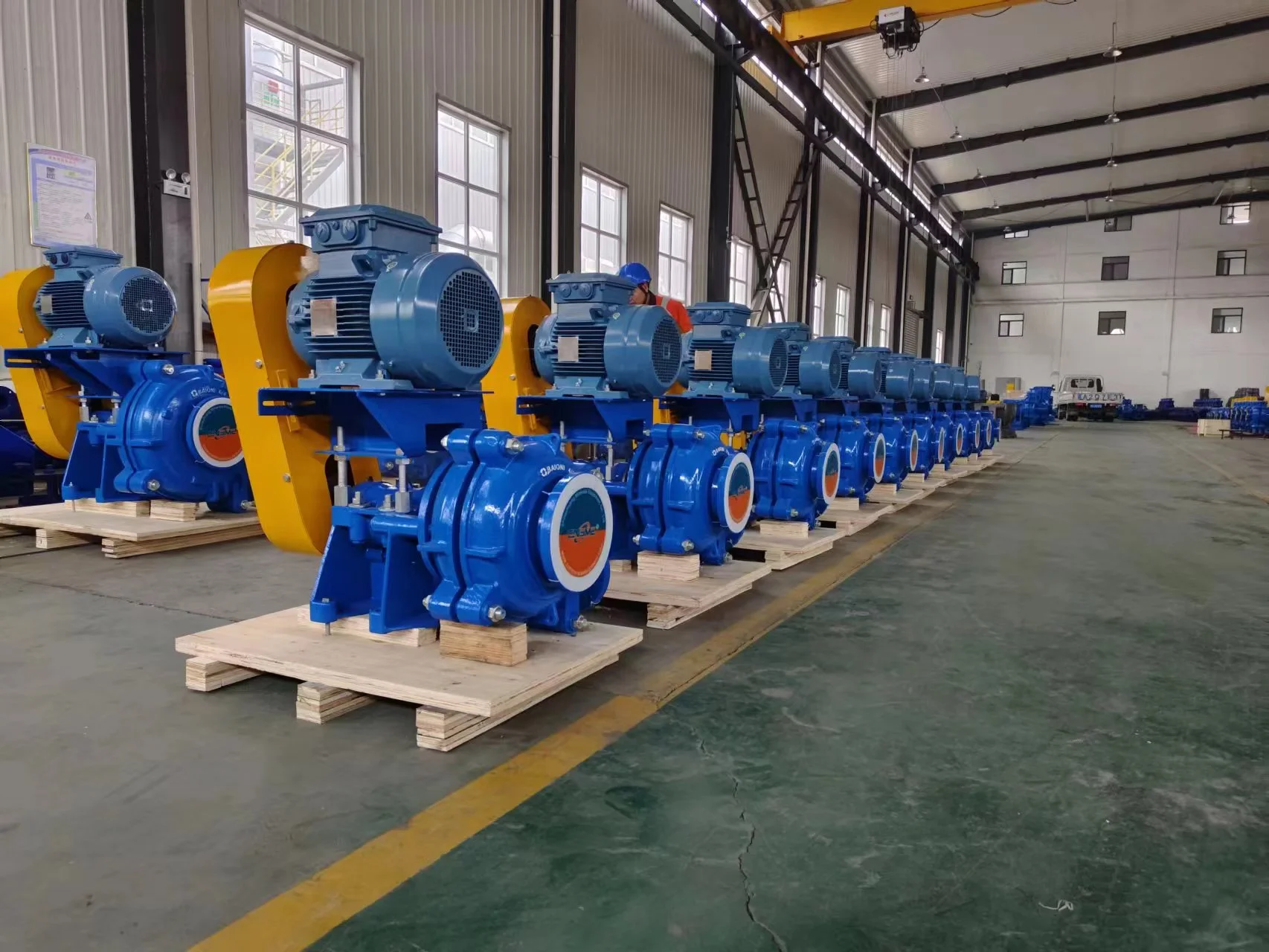
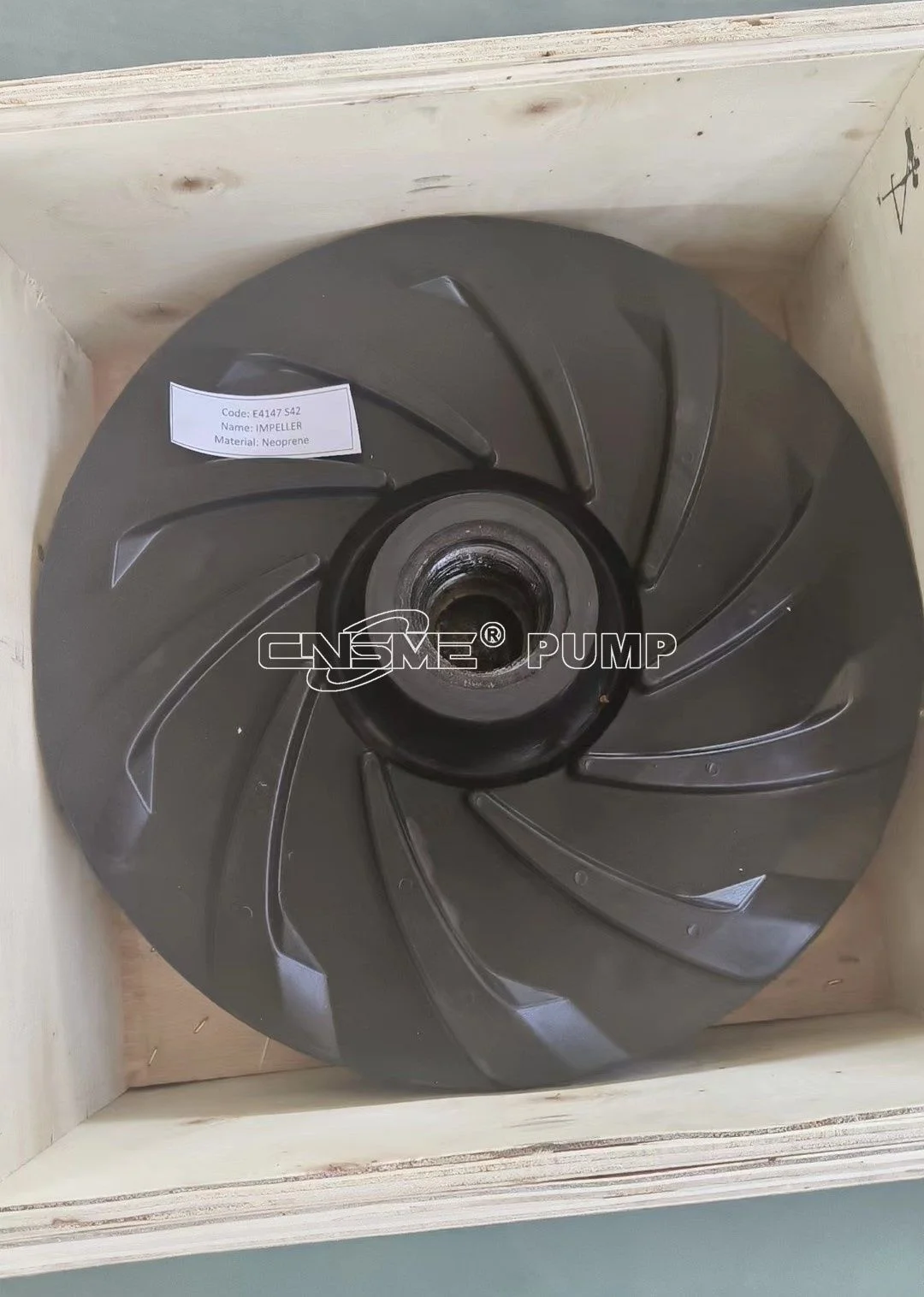
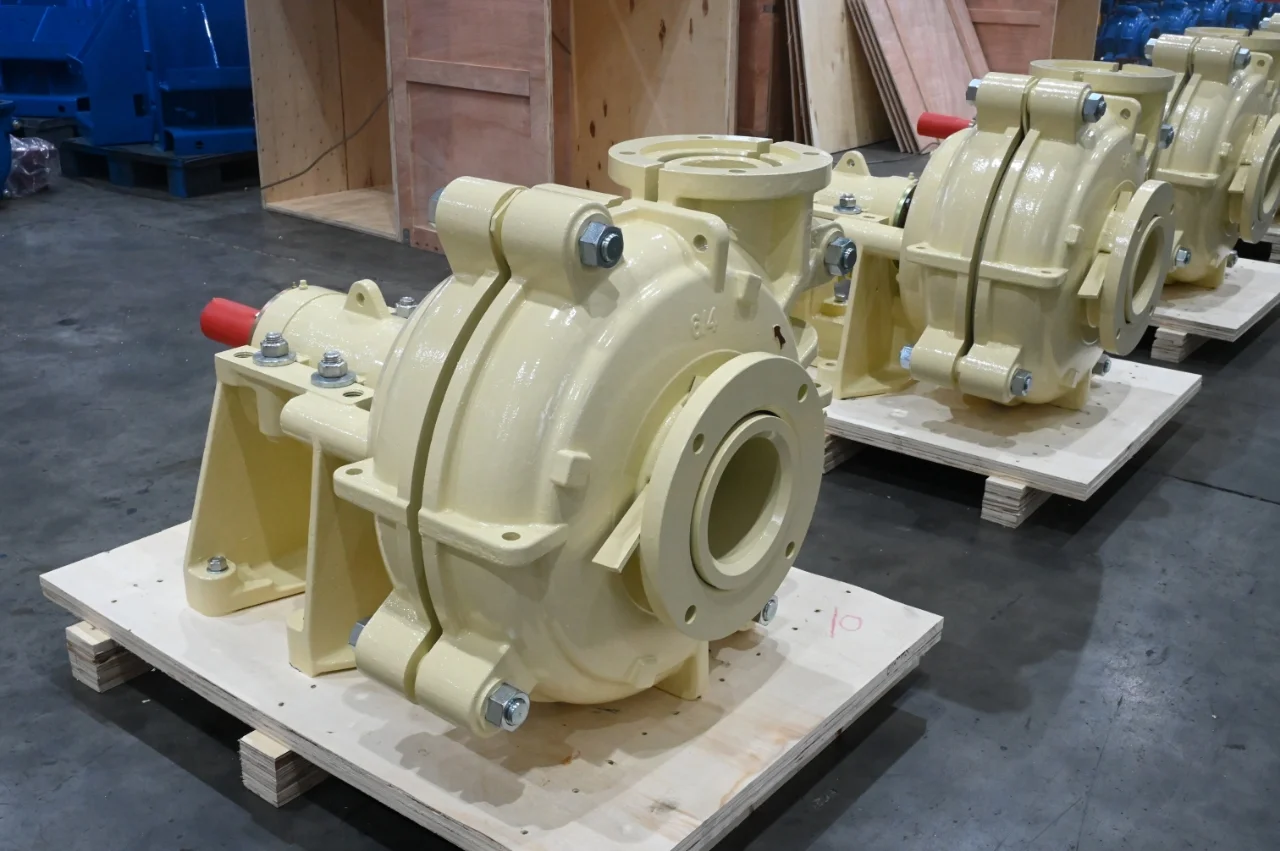
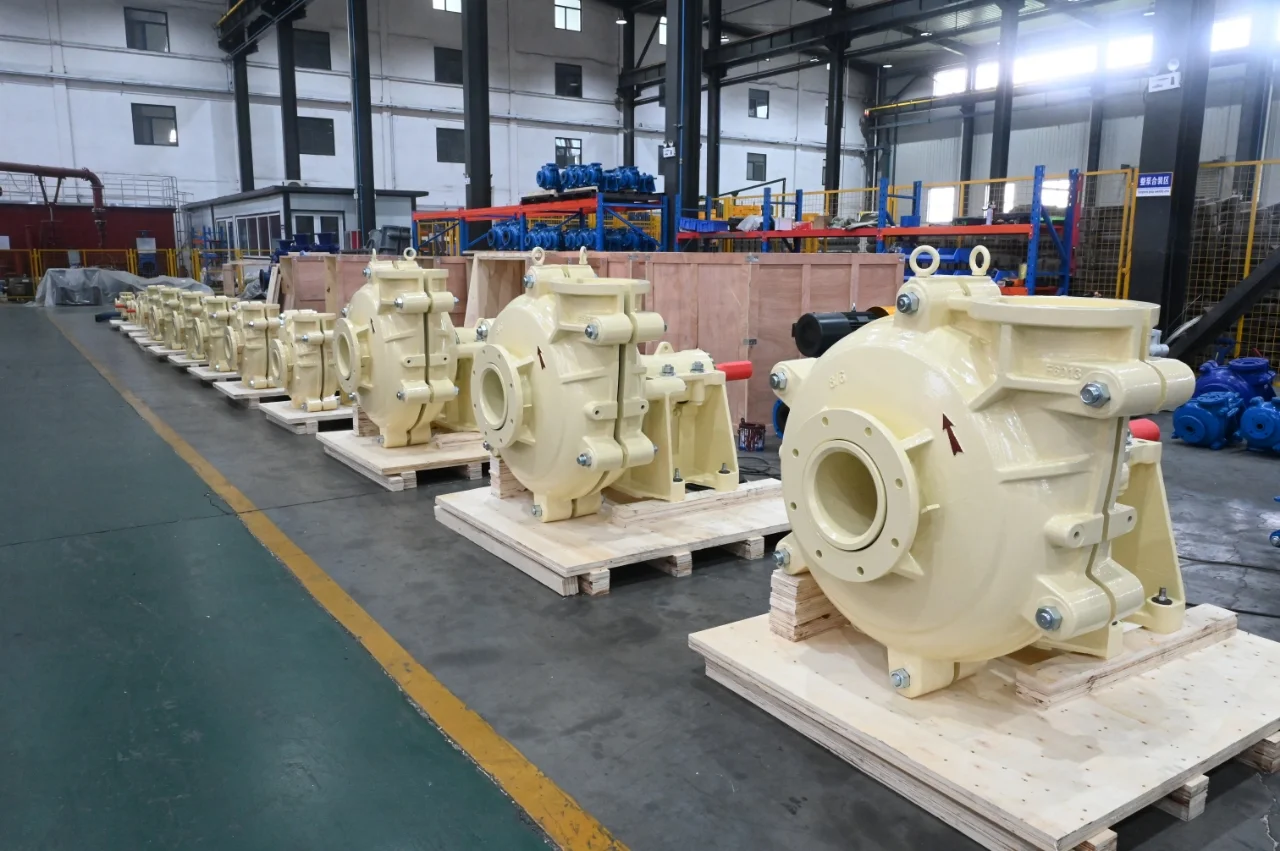
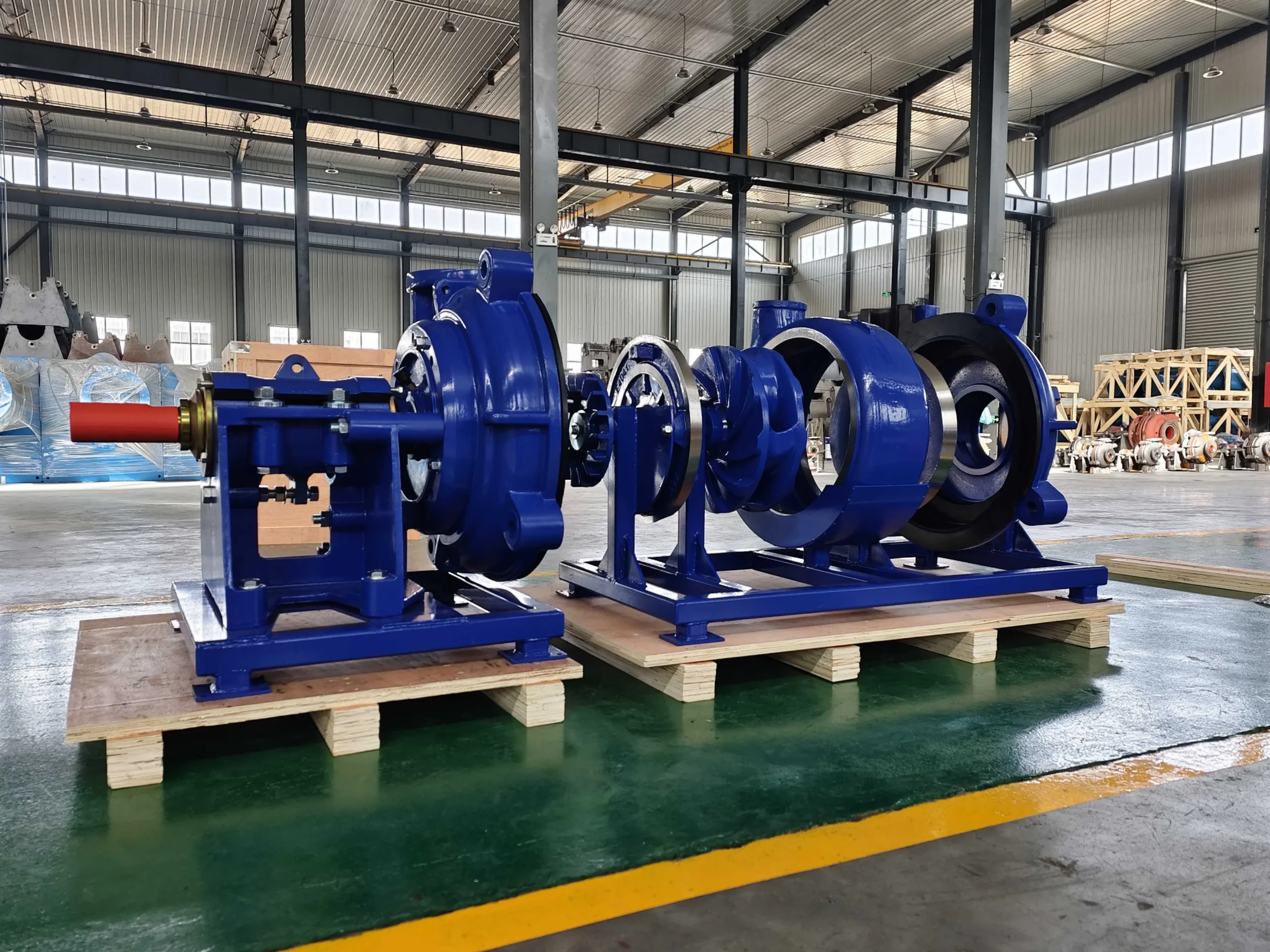
Slurry pump for tailings are specifically designed to handle abrasive and corrosive mixtures of solids and liquids, commonly referred to as slurries. Tailings slurries, in particular, consist of finely ground rock particles mixed with water, often containing residual chemicals from the mineral extraction process. These pumps differ significantly from standard centrifugal pumps due to their robust construction, wear-resistant materials, and specialized impeller designs.
The primary function of a slurry pump for tailings is to efficiently transport these slurries over varying distances and elevations, often within complex piping networks. They are integral to the entire tailings management system, connecting the processing plant to the storage facility, and are critical for dewatering and recirculation processes.
In essence, a slurry pump for tailings represents a vital link between mineral processing and responsible environmental stewardship. Their specialized design addresses the unique challenges posed by tailings, ensuring safe, reliable, and efficient operation.
Selecting the right slurry pump for tailings requires careful consideration of several key factors. Abrasiveness is paramount, as tailings slurries are highly abrasive due to the presence of fine rock particles. This necessitates pumps constructed from wear-resistant materials like high-chrome alloys or ceramics.
Another critical factor is the slurry’s solid concentration by weight or volume. Higher solid concentrations demand pumps capable of handling increased density and viscosity. Furthermore, the slurry’s chemical composition must be assessed to ensure compatibility with the pump’s materials of construction, preventing corrosion and extending pump life. Finally, the system’s head (pressure) and flow rate requirements must be accurately determined to select a pump with the appropriate performance characteristics.
Beyond these core considerations, factors like pump efficiency, maintenance requirements, and lifecycle cost should also be evaluated. A holistic approach to pump selection, considering all these aspects, will ultimately lead to a more reliable and cost-effective tailings management system.
Slurry pump for tailings are employed in a wide range of mining operations across the globe, including copper, gold, iron ore, and phosphate mining. In South America, they are critical for managing the tailings from large-scale copper mines in Chile and Peru. In Australia, they are essential for gold and iron ore processing, often operating in remote and harsh environments.
Across North America, slurry pumps are vital for managing tailings from various mining operations, often subject to stringent environmental regulations. Similarly, in Africa, these pumps play a crucial role in supporting the continent's expanding mining sector.
The versatility of slurry pump for tailings makes them applicable in diverse geological settings and processing methods, underscoring their global significance in responsible mining practices.
Investing in high-quality slurry pump for tailings delivers numerous tangible benefits. Cost savings are significant, stemming from reduced maintenance downtime, lower energy consumption, and extended pump lifespan. Improved environmental performance is another key advantage, minimizing the risk of spills and contamination.
Furthermore, robust slurry handling systems enhance operational reliability and safety, protecting both personnel and the environment. Choosing a trusted provider of slurry pumps also fosters a sense of security and confidence, knowing that the system is backed by expert support and reliable performance.
The future of slurry pump for tailings is being shaped by several exciting trends. Digitalization and remote monitoring are becoming increasingly prevalent, allowing for proactive maintenance and optimized pump performance. Advancements in materials science are leading to the development of even more wear-resistant alloys and ceramic components.
Furthermore, there's growing emphasis on energy efficiency and sustainable pump designs. New pump technologies, such as variable speed drives and impeller designs optimized for specific slurries, are helping to reduce energy consumption and minimize environmental impact.
One common challenge in slurry pump for tailings applications is dealing with fluctuating slurry characteristics. Variations in solid concentration, particle size distribution, and chemical composition can significantly impact pump performance and lifespan. Implementing robust control systems and selecting pumps with adjustable speed drives can help mitigate these challenges.
Another challenge is preventing pump wear and erosion. Regular inspections, proactive maintenance, and the use of wear-resistant materials are crucial for maximizing pump lifespan. Employing specialized coatings and liner systems can also provide enhanced protection against abrasive slurries.
Finally, managing the overall complexity of tailings management systems requires a holistic approach. Integrating slurry pumps seamlessly with other components, such as pipelines, cyclones, and thickeners, is essential for optimizing performance and minimizing operational costs.
| Challenge | Impact on Operation | Solution | Implementation Cost (1-10) |
|---|---|---|---|
| Fluctuating Slurry Characteristics | Reduced pump efficiency, increased wear | Variable speed drives, robust control systems | 7 |
| Abrasive Slurry Wear | Premature pump failure, high maintenance costs | Wear-resistant materials, specialized coatings | 8 |
| Corrosion from Slurry Chemistry | Pump component degradation, potential leaks | Material selection based on chemical analysis | 6 |
| Pipeline Blockages | Reduced flow rates, increased pump load | Pipeline design optimization, regular flushing | 5 |
| Insufficient System Monitoring | Reactive maintenance, unexpected failures | Real-time monitoring systems, predictive maintenance | 9 |
| Integration with Existing Infrastructure | Performance inefficiencies, increased complexity | Comprehensive system assessment, tailored solutions | 7 |
The lifespan of a slurry pump for tailings in abrasive environments can vary significantly based on slurry composition, pump materials, and operating conditions. However, a well-maintained pump using wear-resistant materials like high-chrome alloys can typically last between 3 to 5 years. Regular inspections, liner replacements, and impeller monitoring are critical for maximizing lifespan. Selecting the right pump from a reputable supplier like qualityslurrypump is also essential.
Determining the correct pump size involves a detailed analysis of your slurry characteristics, including solid concentration, particle size distribution, and slurry density. Key parameters include required flow rate, total dynamic head (TDH), and the abrasive nature of the slurry. Consulting with a slurry pump expert is highly recommended. They can perform calculations and recommend a pump based on your specific needs and operating conditions, ensuring optimal performance and longevity.
Essential maintenance includes regular inspections for wear and erosion, lubrication of bearings, monitoring of seal performance, and periodic impeller and liner replacements. Preventive maintenance schedules should be implemented based on operating hours and slurry characteristics. Keeping detailed records of maintenance activities helps identify trends and predict potential failures, minimizing downtime and maximizing pump reliability.
Improving energy efficiency involves several strategies. Utilizing variable frequency drives (VFDs) allows you to adjust pump speed to match flow requirements, reducing energy consumption during periods of lower demand. Optimizing pipeline design to minimize friction losses and selecting high-efficiency pump models are also crucial. Regularly inspecting and maintaining the pump system to ensure optimal performance can also contribute to significant energy savings.
For corrosive environments, materials like high-chrome alloys, stainless steel (specifically duplex stainless steel), and rubber linings are commonly used. The specific material selection depends on the nature and concentration of the corrosive agents present in the slurry. It’s crucial to conduct a thorough chemical analysis of the slurry and consult with a materials expert to ensure compatibility and prevent premature pump failure.
Yes, several innovations are emerging. These include the development of more abrasion-resistant materials, such as ceramic liners, smart pumps with integrated sensors for real-time monitoring and predictive maintenance, and energy-efficient pump designs with optimized hydraulic profiles. Digitalization and remote monitoring capabilities are also becoming increasingly prevalent, allowing for proactive management and improved operational efficiency.
Slurry pump for tailings are indispensable components of responsible mining practices, playing a critical role in the safe, efficient, and environmentally sound management of tailings. Selecting the right pump, implementing proactive maintenance, and embracing innovative technologies are key to maximizing pump performance, minimizing operational costs, and protecting the environment. Understanding the nuances of slurry pump technology and its application is becoming increasingly vital for the sustainability of the mining industry.
As mining operations continue to face stricter environmental regulations and growing public scrutiny, investing in robust and reliable slurry handling systems will remain paramount. By prioritizing safety, efficiency, and sustainability, stakeholders can ensure the long-term viability of their operations and contribute to a more responsible future for the mining industry. Visit our website at www.qualityslurrypump.com to learn more about our slurry pump solutions.
bscribe newslette
If you are interested in our products, you can choose to leave your information here, and we will be in touch with you shortly.