Optimizing Slurry Pump Performance with Advanced Rubber Liner for Slurry Pump Solutions

  • Home
  • Top Blog
  • Optimizing Slurry Pump Performance with Advanced Rubber Liner for Slurry Pump Solutions
0%

Table of Contents

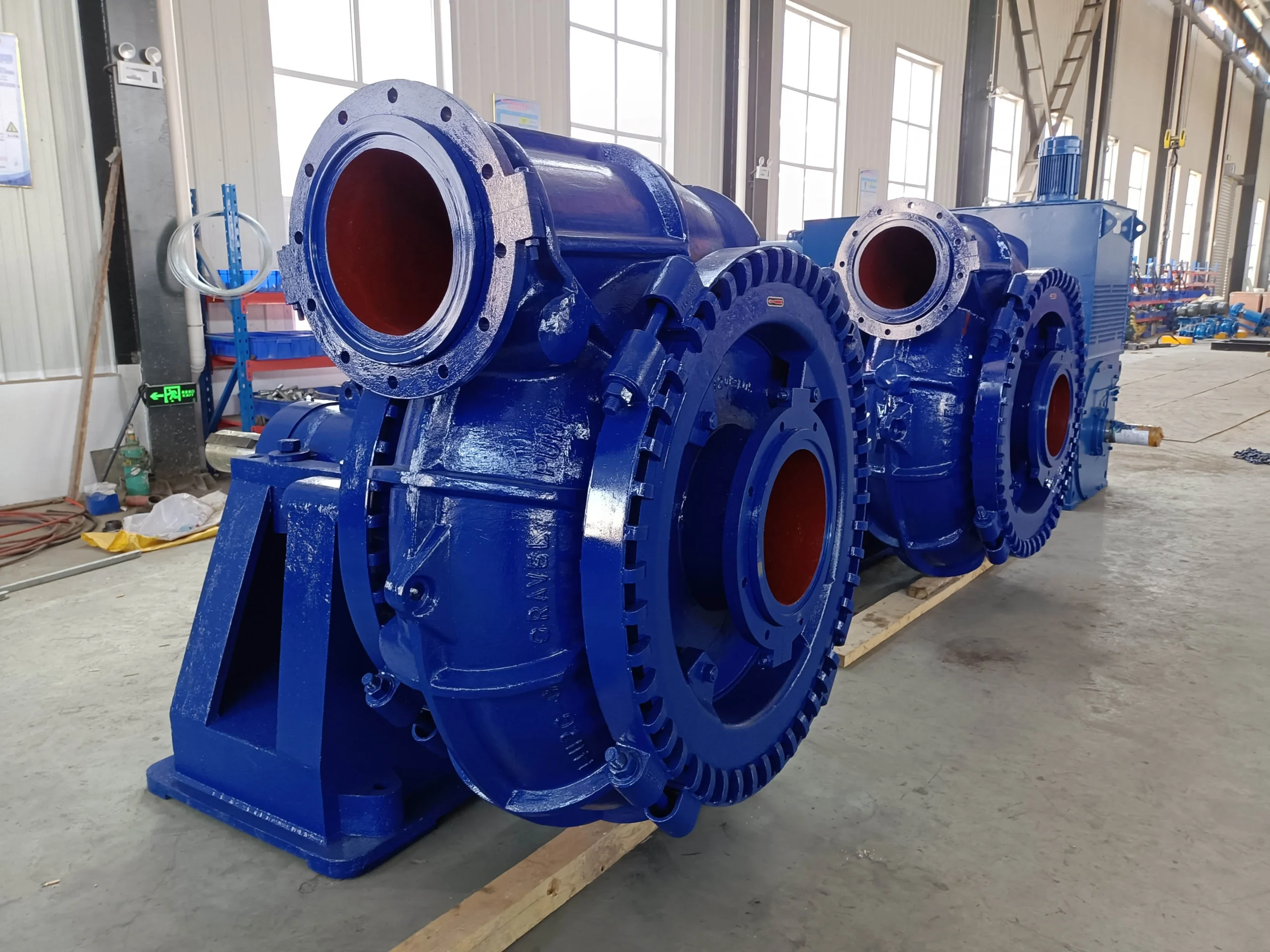
Rubber liner for slurry pump plays a crucial role in industries dealing with abrasive and corrosive materials. From mining and wastewater treatment to chemical processing and power generation, these liners safeguard pump components, ensuring operational efficiency and longevity. The demand for durable and reliable slurry pump solutions is increasing globally, driven by expanding infrastructure projects and stricter environmental regulations. Understanding the intricacies of rubber liner for slurry pump technology is paramount for optimizing performance and minimizing downtime in these critical applications.

The global slurry pump market is experiencing significant growth, projected to reach multi-billion dollar valuations in the coming years (source: Market Research Future, 2023). This growth is fuelled by increasing investments in water and wastewater infrastructure, particularly in emerging economies. However, the abrasive nature of slurries presents a constant challenge, leading to pump wear and frequent maintenance. Utilizing high-quality rubber liner for slurry pump significantly mitigates these issues, reducing lifecycle costs and enhancing overall plant productivity.

Choosing the correct rubber liner for slurry pump is not simply a matter of selecting a durable material; it’s a complex process involving consideration of slurry composition, flow velocity, operating temperature, and abrasion characteristics. Effective liner selection is critical to preventing premature pump failure and ensuring a sustainable and cost-effective operation.
rubber liner for slurry pump

Introduction to rubber liner for slurry pump

rubber liner for slurry pump

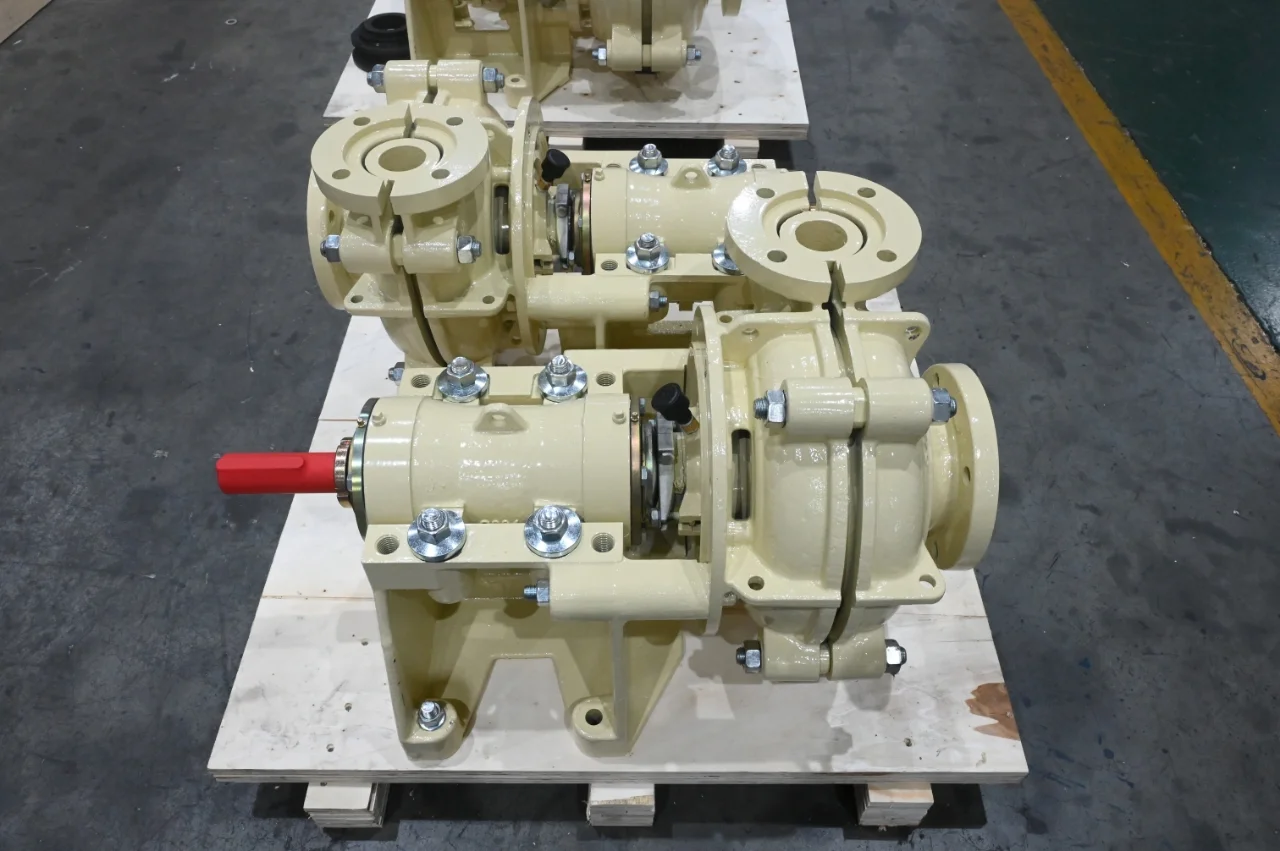
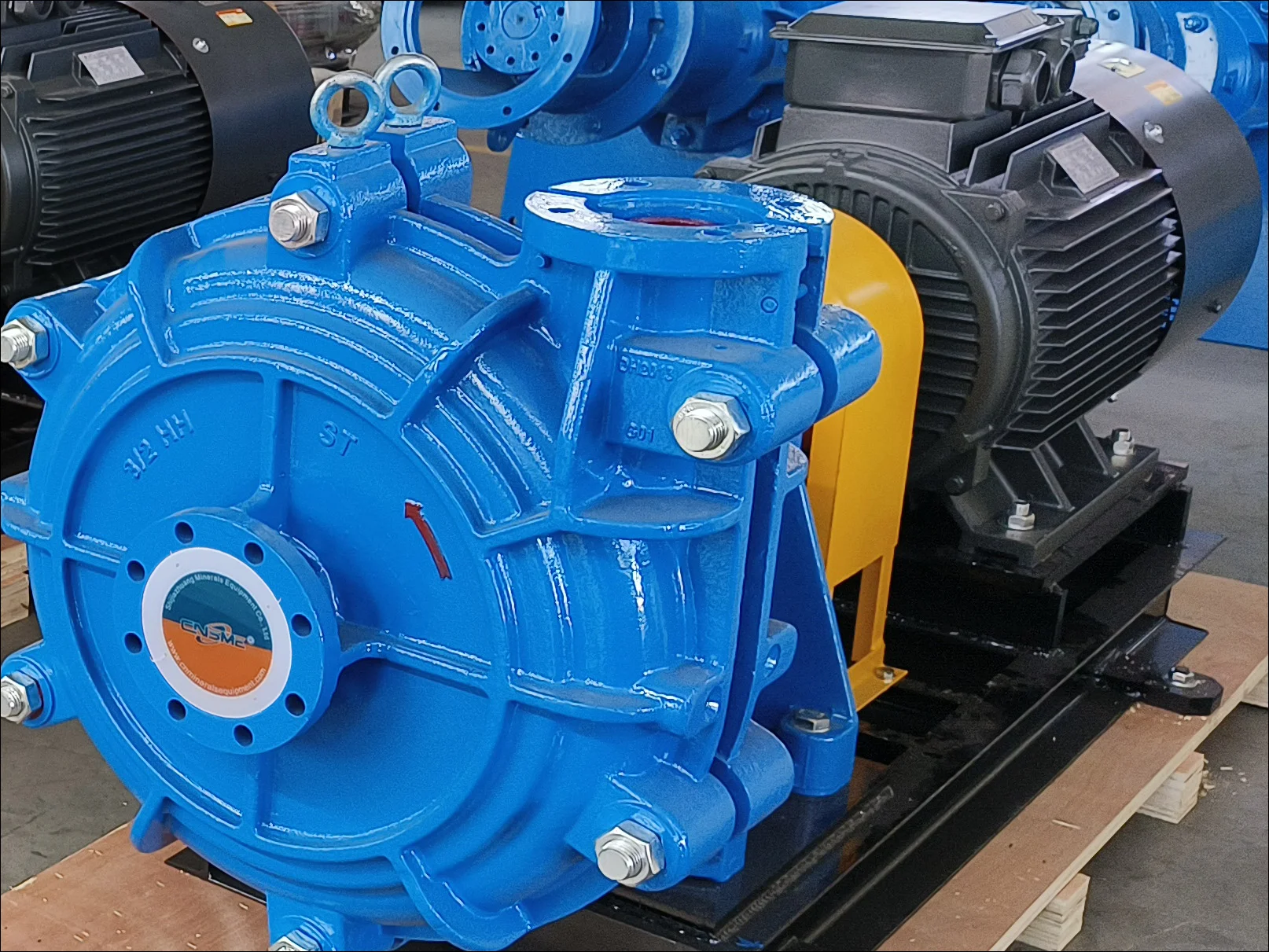
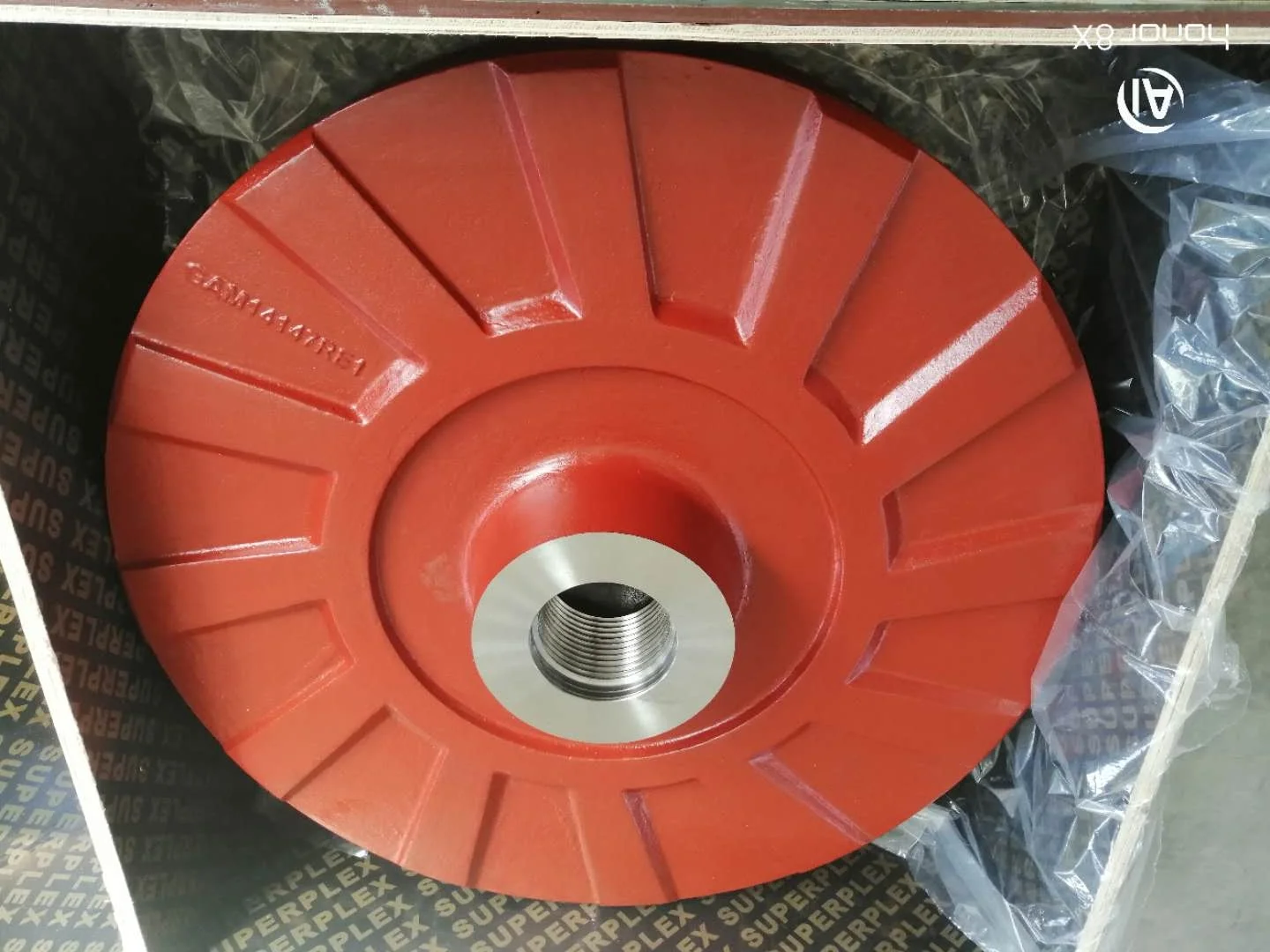
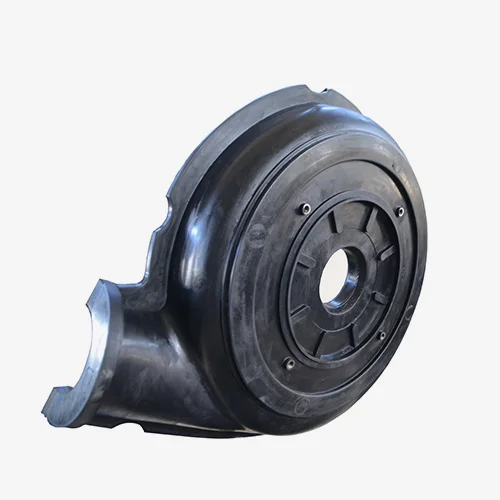
Rubber liner for slurry pump is an essential component in the efficient and reliable operation of pumps handling abrasive, corrosive, and erosive fluids. These liners act as a sacrificial layer, protecting the pump casing and impeller from the damaging effects of the slurry, thereby extending the pump’s service life and minimizing costly downtime.

The selection of the appropriate rubber liner is critical, as it directly impacts the pump’s performance, energy consumption, and overall operational costs. Different rubber compounds offer varying levels of resistance to abrasion, chemical attack, and temperature extremes. Properly specified rubber liner for slurry pump ensures optimal efficiency and contributes to a sustainable pumping solution.

Defining Rubber Liner for Slurry Pump

A rubber liner for slurry pump is a protective coating applied to the internal surfaces of a pump – typically the casing, impeller, and volute – to shield them from the abrasive and corrosive action of the pumped slurry. It's generally constructed from specialized rubber compounds formulated to withstand the specific challenges presented by the slurry’s characteristics.

The fundamental purpose of a rubber liner is to prevent direct contact between the slurry and the pump’s metal components. This significantly reduces wear and erosion, extending the pump’s operational lifespan and minimizing the need for frequent repairs or replacements. This contributes to lower maintenance costs and increased productivity.

Modern rubber liner for slurry pump technology extends beyond simple protection; it now encompasses advanced material science, precise application techniques, and tailored solutions to meet the diverse needs of various industrial applications. The integration of rubber liners is integral to ensuring the reliable movement of fluids across numerous sectors.

Core Components of Effective Rubber Liners

The effectiveness of a rubber liner for slurry pump hinges on several key components. First and foremost is the rubber compound itself, which must exhibit high abrasion resistance, tensile strength, and elongation properties. Natural rubber, synthetic rubbers like EPDM, and specialized blends are commonly employed, each offering unique advantages depending on the slurry’s composition and operating conditions.

Secondly, the adhesive used to bond the rubber liner to the pump casing is crucial. A robust adhesive ensures a strong, durable bond that prevents delamination and maintains the liner’s protective integrity. Thirdly, surface preparation of the pump casing prior to liner application is vital for achieving optimal adhesion. Proper cleaning, grit blasting, and profiling create a suitable surface for the adhesive to bond effectively.

Finally, the application technique itself significantly impacts the liner’s performance. Skilled technicians employ specialized tools and procedures to ensure uniform thickness, complete coverage, and a seamless, void-free application. Quality control measures throughout the application process are essential for guaranteeing a reliable and long-lasting liner.

Key Performance Indicators of rubber liner for slurry pump

Evaluating the performance of a rubber liner for slurry pump requires focusing on several key indicators. Abrasion resistance, measured by testing methods like Taber abrasion testing, is paramount, quantifying the liner's ability to withstand wear from abrasive particles in the slurry.

Chemical resistance, determined through immersion tests and exposure to various slurry compositions, ensures the liner remains intact and doesn't degrade when exposed to corrosive substances. Tensile strength and elongation are also critical, indicating the liner’s ability to withstand stress and deformation without tearing or fracturing.

Rubber Liner Performance Comparison

Global Applications and Industry Impact

Rubber liner for slurry pump finds widespread application across numerous industries globally. The mining sector relies heavily on these liners to handle abrasive ore slurries, minimizing pump wear and ensuring continuous operation in demanding environments.

Wastewater treatment plants utilize rubber liners to protect pumps handling grit, sand, and other abrasive solids, improving efficiency and reducing maintenance costs. The chemical processing industry employs rubber liners to safeguard pumps conveying corrosive chemicals, preventing damage and ensuring safe operation.

Advantages and Long-Term Value Proposition

The advantages of utilizing rubber liner for slurry pump extend far beyond simple protection. The enhanced pump lifespan directly translates into reduced capital expenditure by minimizing the frequency of pump replacements. Decreased maintenance requirements reduce labor costs and downtime, increasing operational efficiency.

Furthermore, the improved energy efficiency resulting from smoother fluid flow and reduced pump wear contributes to lower energy consumption and reduced environmental impact. The long-term value proposition of rubber liner for slurry pump is undeniable, offering a compelling return on investment for organizations across various industries.

The reliability provided by robust rubber liners also bolsters safety within industrial operations, minimizing the risk of pump failures and associated hazards.

Future Trends and Innovations in Rubber Liner Technology

The future of rubber liner for slurry pump is focused on developing advanced materials with even greater abrasion and chemical resistance. Nanomaterial incorporation into rubber compounds is showing promise, enhancing mechanical properties and extending liner lifespan.

Smart liners equipped with sensors to monitor wear and performance are also under development, enabling predictive maintenance and optimized replacement schedules. Sustainable rubber compounds derived from renewable resources are gaining traction, aligning with growing environmental concerns.

Digitalization and AI-powered analysis of pump performance data will play a role in custom liner design and optimization, tailoring solutions to specific slurry characteristics and operating conditions.

Summary of Future Trends in Rubber Liner Performance

Technology Abrasion Resistance (1-10) Sustainability (1-10) Cost Impact (1-10)
Nanomaterial Reinforced Rubber 9 6 8
Bio-Based Rubber Compounds 7 9 7
Smart Sensor Integrated Liners 8 5 9
Self-Healing Rubber Polymers 8.5 6 7.5
3D-Printed Rubber Liners 7.5 5.5 8.5
Hybrid Rubber-Ceramic Composites 9.5 4 6.5

FAQS

What is the typical lifespan of a rubber liner for slurry pump?

The lifespan of a rubber liner for slurry pump varies significantly based on the slurry's abrasiveness, chemical composition, flow velocity, and operating temperature. However, a well-selected and properly installed liner can typically last between 6 months and 3 years, significantly extending the pump's service life compared to operating without a liner. Regular inspections are key to identifying wear and scheduling timely replacements.

How do I choose the right rubber compound for my specific slurry application?

Choosing the correct rubber compound requires careful consideration of the slurry’s characteristics. Factors to assess include abrasive particle size and type, pH level, chemical composition, and operating temperature. Generally, natural rubber excels in abrasive applications, while EPDM offers excellent chemical resistance. Specialized compounds are available for particularly harsh environments. Consulting with a rubber liner specialist is highly recommended.

What surface preparation is required before applying a rubber liner?

Proper surface preparation is critical for ensuring optimal adhesion. This typically involves thorough cleaning to remove all contaminants, followed by grit blasting to create a suitable profile for the adhesive to bond effectively. The surface must be dry and free of oil, grease, and rust. Following the adhesive manufacturer's instructions is essential for achieving a long-lasting bond.

Can rubber liners be repaired if they are damaged?

Minor damage to rubber liners can sometimes be repaired using specialized patching compounds and techniques. However, the feasibility of repair depends on the extent and location of the damage. Significant damage, such as large tears or delamination, typically requires complete liner replacement. A thorough inspection by a qualified technician is necessary to determine the best course of action.

What are the cost savings associated with using rubber liners?

The cost savings associated with rubber liners are substantial. By protecting pump components from wear and erosion, liners significantly extend pump lifespan, reducing the frequency of costly replacements. Decreased maintenance requirements and improved energy efficiency further contribute to lower operational costs. The overall return on investment is often significant, making rubber liners a cost-effective solution.

Are rubber liners environmentally friendly?

The environmental impact of rubber liners is an increasingly important consideration. The development of sustainable rubber compounds derived from renewable resources is gaining momentum. Furthermore, extending pump lifespan through the use of liners reduces the need for frequent replacements, conserving resources and minimizing waste. Proper disposal and recycling of worn liners are also crucial for minimizing environmental impact.

Conclusion

In conclusion, rubber liner for slurry pump represents a critical technology for ensuring the reliable and cost-effective operation of pumps handling abrasive and corrosive fluids. From extending pump lifespan and reducing maintenance costs to improving energy efficiency and bolstering safety, the benefits are undeniable. Proper selection, application, and maintenance of rubber liners are paramount for maximizing their performance and realizing their full potential.

Looking ahead, continued innovation in rubber materials, application techniques, and monitoring systems will further enhance the value proposition of rubber liner for slurry pump. Embracing these advancements will enable industries to optimize their pumping operations, reduce environmental impact, and achieve sustainable growth. For expert advice and high-quality rubber liner solutions, visit our website: www.qualityslurrypump.com.

Daniel Wilson

Daniel Wilson

Daniel Wilson is a Slurry Pump Design Engineer at CNSME Pump. He's responsible for developing and refining pump designs to meet the evolving needs of diverse industries. Daniel's work includes utilizing advanced modeling software to optimize pump performance and durability. He collaborates closely with the manufacturing team to ensure designs are efficiently produced and meet stringent quality standards. His recent work focused on improving the abrasion resistance of pump impellers for heavy-duty mining applications. Daniel holds a Master’s degree in Fluid Dynamics.
Previous Optimizing Industrial Processes with Durable Slurry Pump Casing Solutions
Next Optimizing Performance with High Chrome Alloy Slurry Pump Parts

bscribe newslette

If you do not find a matching slurry pump model, please contact us!

If you are interested in our products, you can choose to leave your information here, and we will be in touch with you shortly.