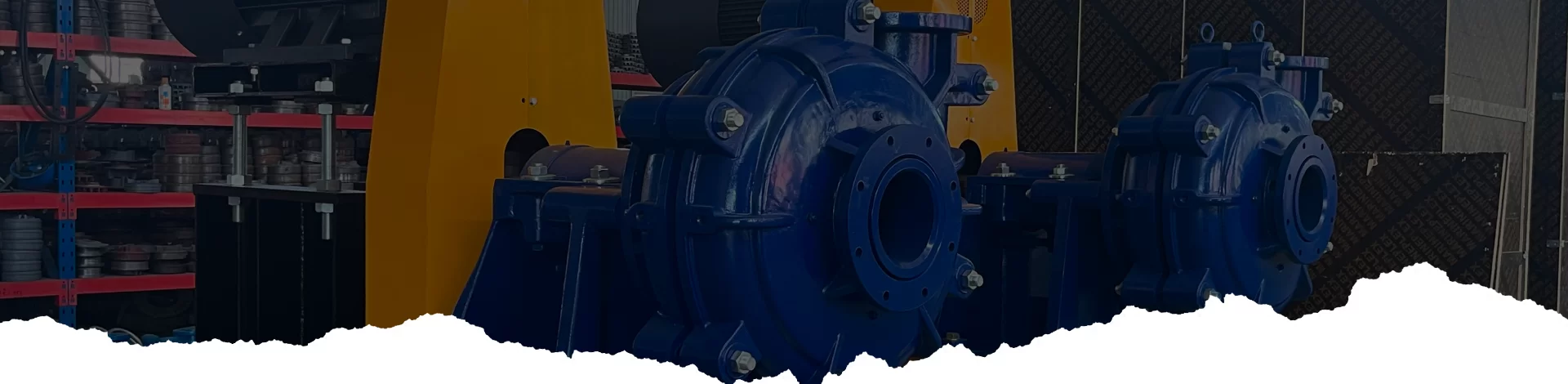
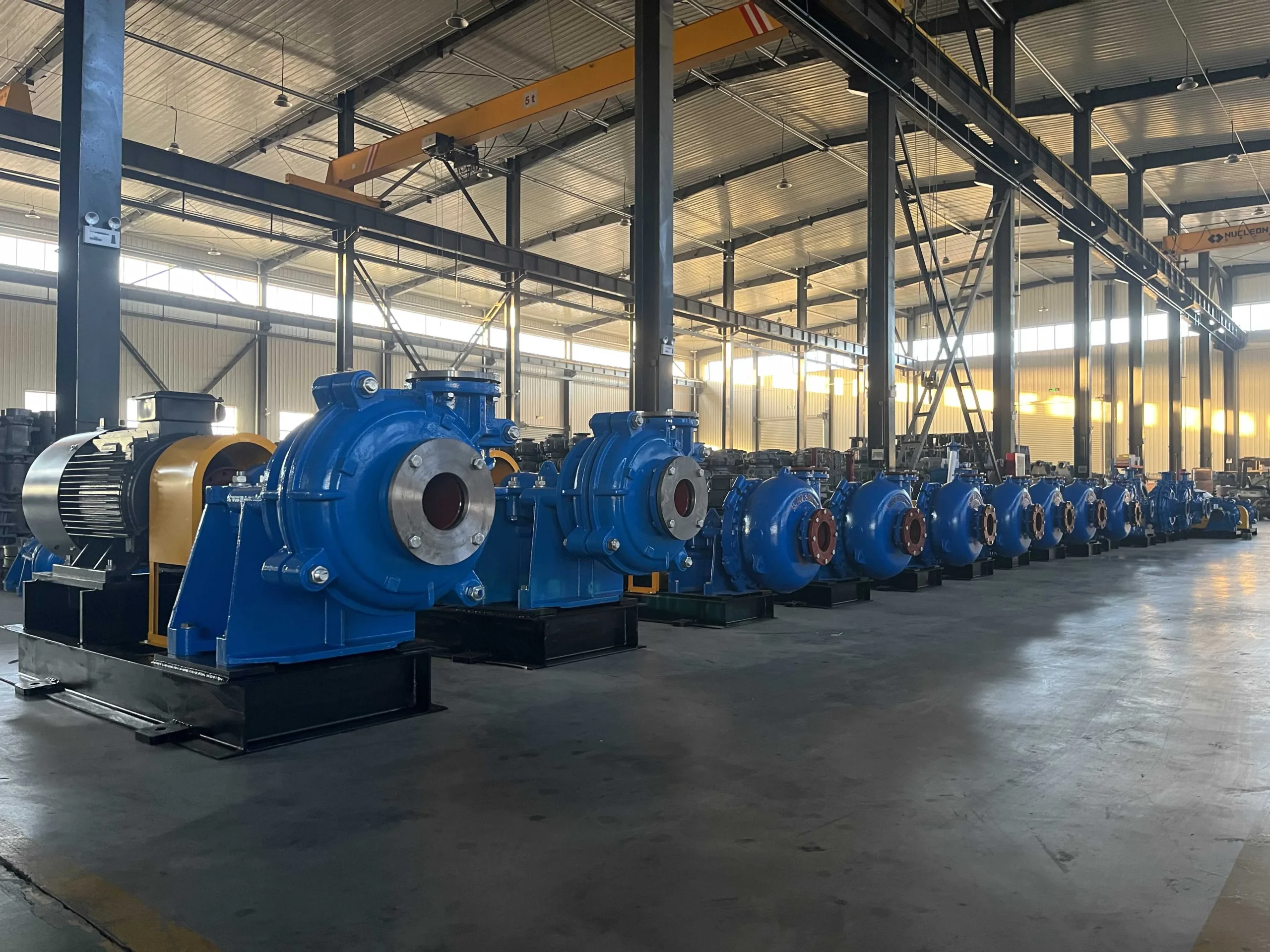
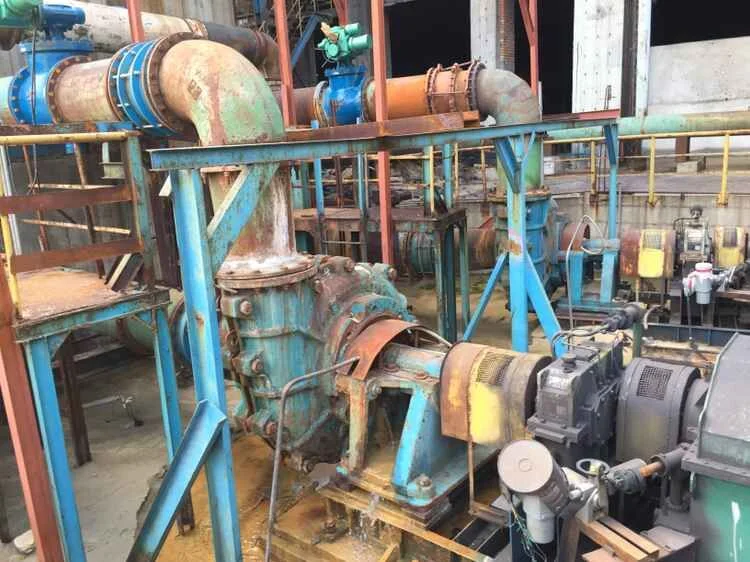
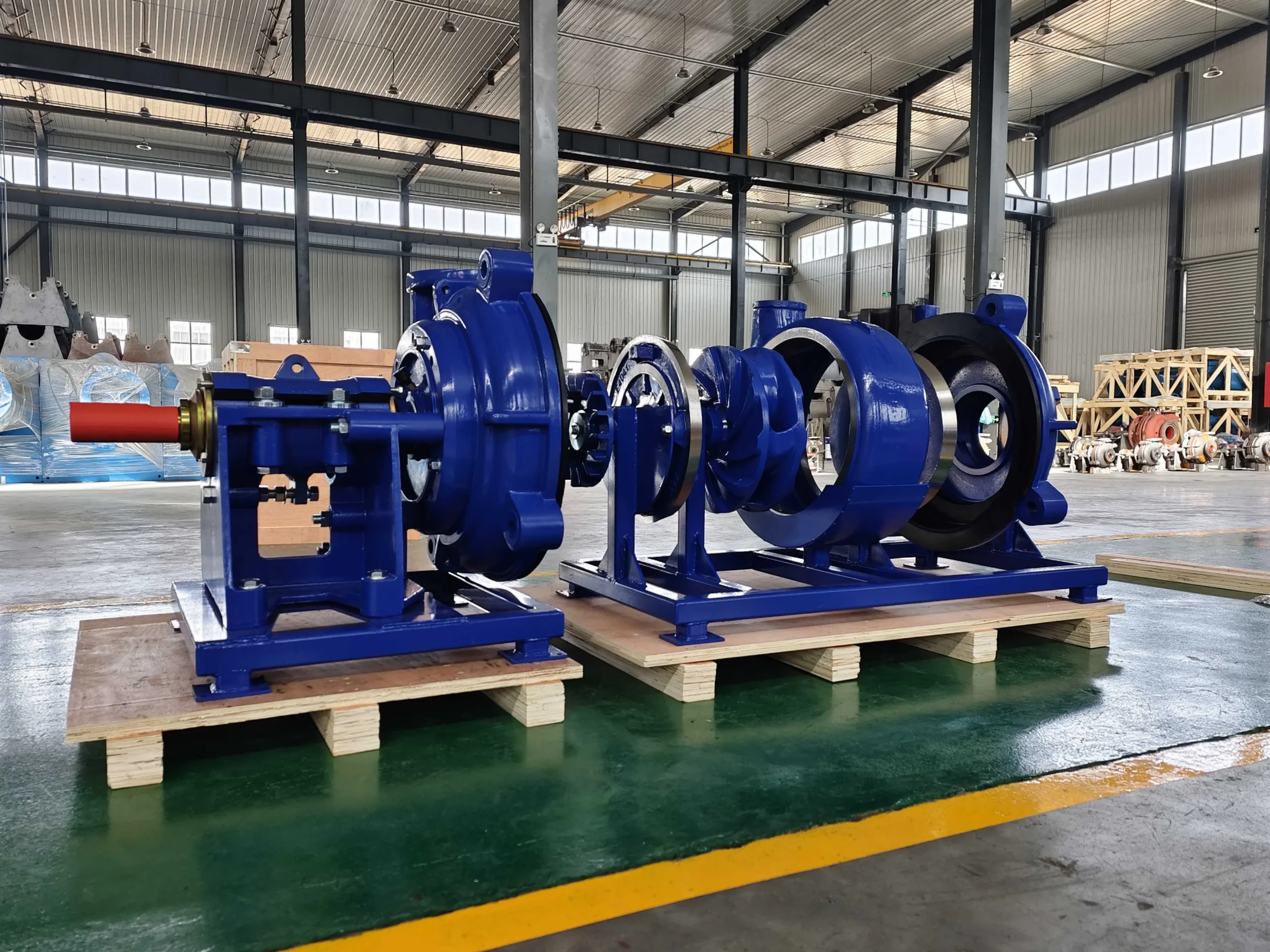
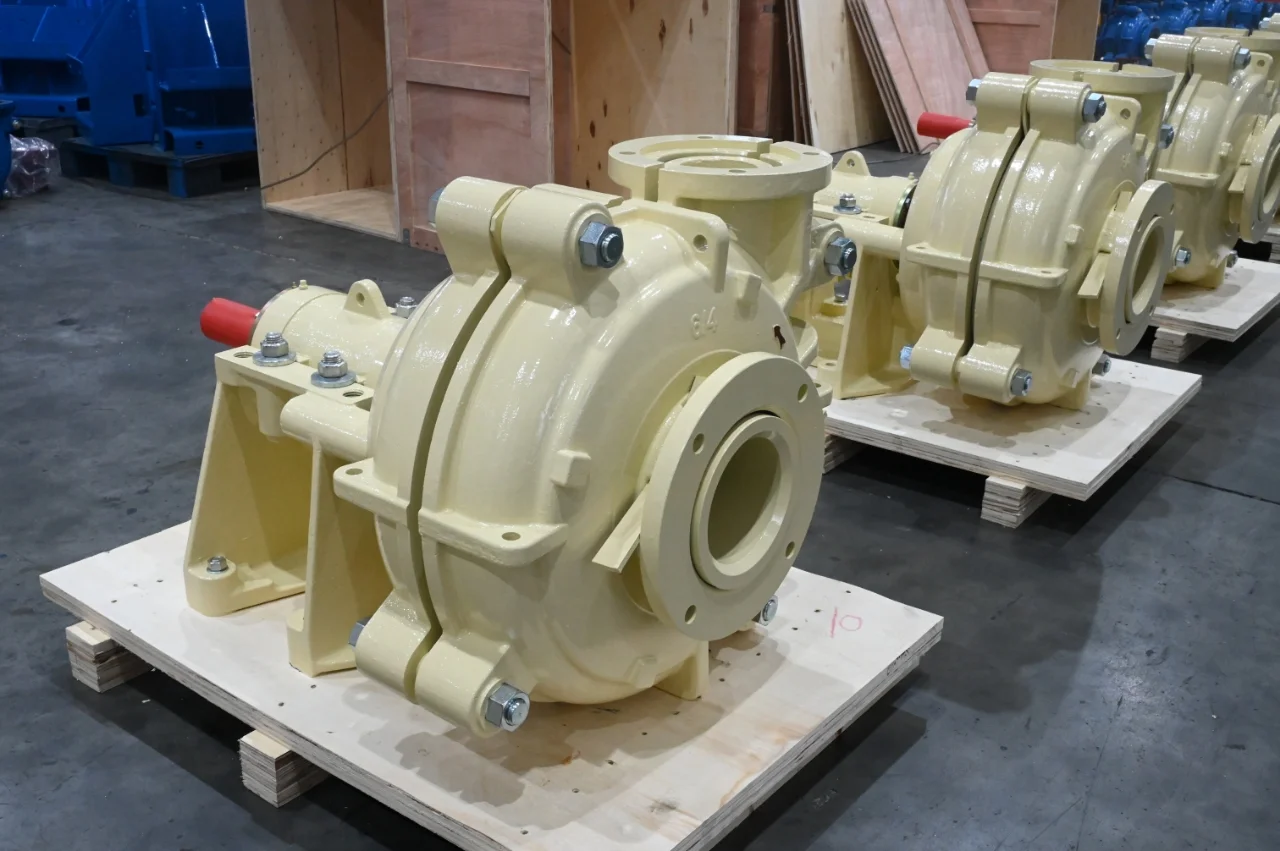
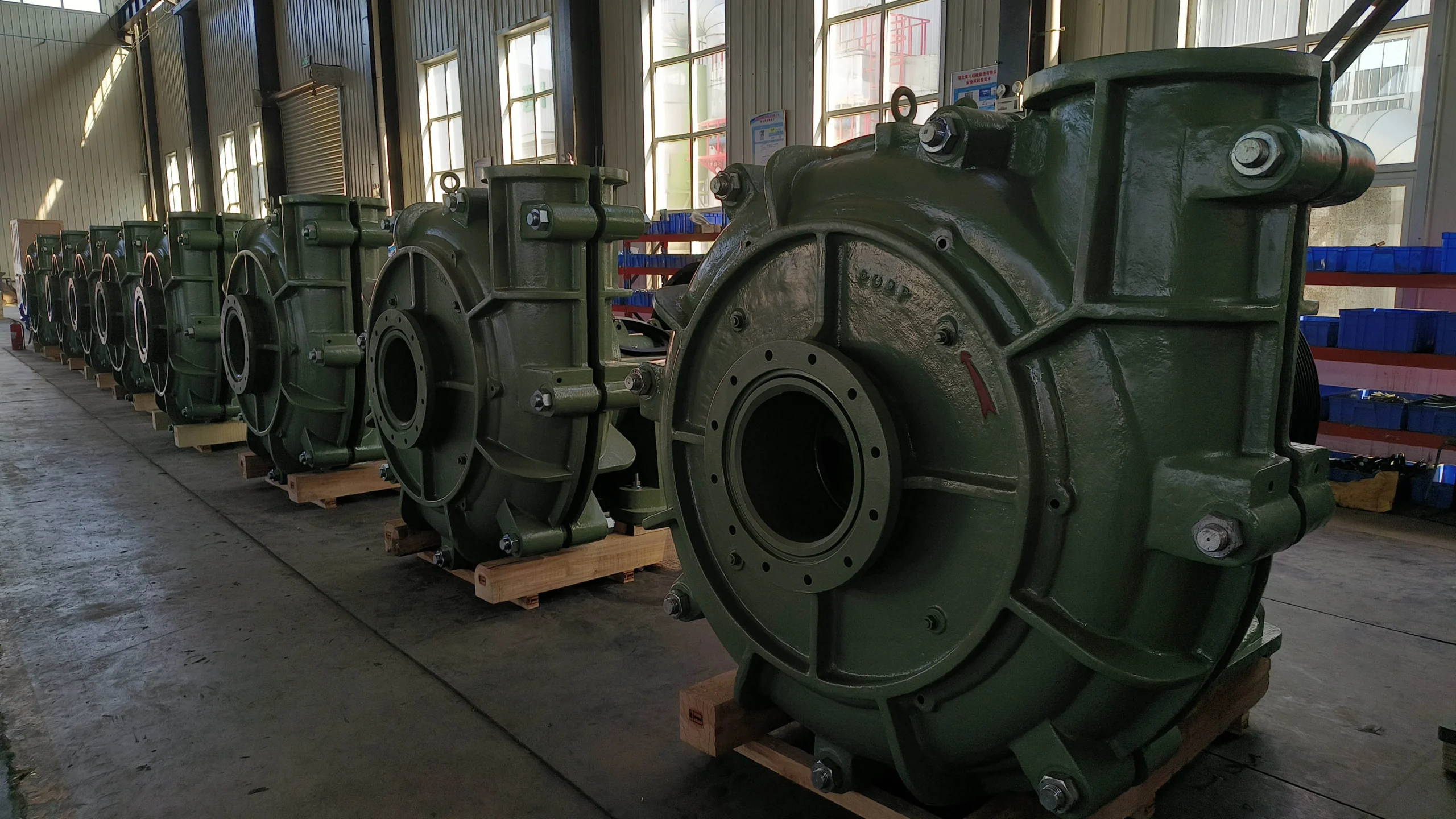
Slurry pump casings are critical components in a vast array of industrial processes, responsible for containing and directing abrasive and corrosive fluids. Their design and material selection directly impact the efficiency, reliability, and longevity of slurry pumping systems. Understanding the intricacies of slurry pump casing construction is paramount for engineers, operators, and maintenance personnel involved in industries like mining, wastewater treatment, and chemical processing. The global demand for robust and effective slurry handling solutions continues to grow, driving innovation in casing materials and designs.
The significance of a well-engineered slurry pump casing extends beyond simply housing the impeller and volute. It directly affects hydraulic performance, minimizing energy consumption and maximizing throughput. A compromised casing can lead to catastrophic failures, resulting in costly downtime, environmental damage, and safety hazards. Consequently, the selection and maintenance of slurry pump casings are essential for sustainable and profitable operations.
Globally, industries are increasingly focused on optimizing performance and reducing operational costs. Effective slurry management, facilitated by advanced slurry pump casing technology, plays a key role in achieving these objectives. From large-scale mining operations in Australia and South America to municipal wastewater treatment plants in Europe and North America, the need for durable and reliable slurry pump casings is undeniable.
Introduction to Slurry Pump Casings
Slurry pump casings are the protective housings for the internal components of slurry pumps, designed to withstand the immense stresses imposed by abrasive and corrosive fluids. These casings aren’t merely containers; they are meticulously engineered structures that directly influence pump performance and operational lifespan. The choice of material and casing design is critical for maintaining efficiency and preventing costly failures.
The design parameters of a slurry pump casing include considerations for fluid flow, pressure containment, and the abrasive nature of the pumped slurry. Different casing configurations, such as volute, diffuser, and open impeller types, are selected based on specific application requirements. Understanding these nuances allows for optimal pump performance and minimized maintenance.
Defining Slurry Pump Casings
A slurry pump casing is the outer shell of a slurry pump that encloses the impeller and volute, providing a pressurized pathway for the slurry. It’s responsible for converting the mechanical energy from the impeller into fluid pressure, directing the slurry toward the discharge outlet. This seemingly simple component is, in reality, a complex piece of engineering designed to manage extreme conditions.
The connection between slurry pump casings and modern industry is profound. From enabling efficient mineral processing to facilitating the safe disposal of industrial waste, these casings are vital for countless applications. In humanitarian contexts, they support wastewater treatment in disaster-stricken areas and provide access to clean water in remote communities.
Without reliable slurry pump casings, critical industrial processes would grind to a halt, resulting in significant economic losses and environmental consequences. Their role in maintaining operational efficiency and environmental sustainability makes them indispensable components in a variety of sectors.
Core Components and Material Science
The integrity of a slurry pump casing depends heavily on the materials used in its construction. Common materials include cast iron, steel, stainless steel, and specialized alloys like high-chrome iron. The selection process considers factors such as abrasion resistance, corrosion resistance, tensile strength, and cost. Understanding the properties of each material is crucial for optimizing casing performance.
The internal surfaces of a slurry pump casing are subjected to constant erosion from abrasive particles. Hardfacing techniques, such as welding with wear-resistant alloys, are often employed to extend casing life. Liners made of rubber, ceramics, or polymers are also frequently used to provide an additional layer of protection against abrasion and corrosion. Careful attention to material science is fundamental to extending the operational life of the casing.
Beyond material selection, the casing's geometry and internal features play a vital role. Volutes, diffusers, and impeller designs all contribute to hydraulic efficiency and minimize wear. Proper design ensures smooth fluid flow, reduces turbulence, and optimizes pressure distribution, contributing to the overall performance of the slurry pump system.
Key Performance Indicators of Casings
Evaluating the performance of slurry pump casings relies on several key indicators. Hydraulic efficiency, measured as the ratio of hydraulic power output to mechanical power input, is a primary concern. Durability, often assessed through wear rate measurements, determines the casing’s lifespan under abrasive conditions.
Pressure containment capability is another critical factor, ensuring the casing can safely withstand the operating pressures of the system. The casing’s resistance to corrosion and erosion directly impacts its long-term reliability and reduces the need for frequent replacements.
Casing Performance Comparison
Global Applications Across Industries
Slurry pump casings find widespread application in the mining industry, facilitating the transport of ore slurries from extraction sites to processing plants. They are essential in wastewater treatment facilities, handling sludge and other abrasive materials. The chemical processing industry utilizes them for moving corrosive and abrasive chemical slurries.
In post-disaster relief operations, portable slurry pumps with robust casings are deployed to remove debris and manage contaminated water. In remote industrial zones, where access to maintenance and replacement parts is limited, the durability of the slurry pump casing is paramount.
Advantages & Long-Term Value Proposition
Investing in high-quality slurry pump casings translates into significant long-term benefits. Reduced downtime due to fewer failures lowers maintenance costs and increases overall productivity. Improved hydraulic efficiency minimizes energy consumption, leading to substantial cost savings.
The use of durable materials and robust designs contributes to environmental sustainability by reducing the need for frequent replacements and minimizing waste. Reliable operation enhances safety, protecting personnel and preventing environmental contamination. Ultimately, a well-chosen slurry pump casing is a critical investment in operational efficiency, sustainability, and safety.
Furthermore, the use of advanced casing materials can lead to increased operational lifespan, reducing the total cost of ownership and improving return on investment.
Future Trends and Innovative Designs
The future of slurry pump casing technology is focused on enhancing durability, efficiency, and sustainability. Emerging trends include the use of advanced materials like ceramic composites and high-performance polymers. Additive manufacturing (3D printing) is poised to revolutionize casing design, enabling the creation of complex geometries optimized for specific applications.
Digitalization and the integration of sensors into casings are also gaining traction, allowing for real-time monitoring of performance and predictive maintenance. These innovations will enable operators to proactively address potential issues and maximize the lifespan of their slurry pump systems.
Summary of Factors Influencing Slurry Pump Casing Selection
| Slurry Composition | Operating Pressure | Abrasion Resistance | Corrosion Potential |
|---|
| High Solids Content | Low (Below 5 Bar) | 8/10 (Excellent) | Mildly Corrosive |
| Fine Particle Slurry | Medium (5-15 Bar) | 6/10 (Good) | Moderately Corrosive |
| Coarse Gravel Slurry | High (Above 15 Bar) | 9/10 (Exceptional) | Non-Corrosive |
| Chemical Waste Slurry | Medium (5-15 Bar) | 7/10 (Very Good) | Highly Corrosive |
| Mining Tailings | Low (Below 5 Bar) | 5/10 (Adequate) | Mildly Corrosive |
| Wastewater Sludge | Low (Below 5 Bar) | 4/10 (Fair) | Non-Corrosive |
FAQS
The lifespan of a slurry pump casing varies greatly depending on the slurry's abrasiveness, corrosivity, and operating conditions. Generally, casings made from hard iron can last between 2-5 years in moderately abrasive applications, while those constructed from more durable materials like high-chrome iron or ceramics can extend that lifespan to 7-10 years or even longer. Regular inspections and maintenance can significantly prolong the casing’s operational life.
Selecting the correct material requires a thorough understanding of the slurry's properties. Consider the slurry's composition (particle size, concentration, and shape), pH level, and temperature. For abrasive slurries, high-chrome iron alloys are preferred. For corrosive slurries, stainless steel, specialized polymers, or rubber linings are recommended. A detailed slurry analysis is critical for making the optimal material choice.
Common signs include reduced pump efficiency, increased vibration, unusual noises (grinding or rattling), and visible leaks. Regular inspections should focus on areas prone to wear, such as the volute and impeller housing. Any detection of these symptoms should prompt immediate investigation and potential repairs or replacements.
Repairing a slurry pump casing is often possible, especially for minor cracks or wear. Welding, hardfacing, and the application of epoxy coatings can restore the casing’s integrity. However, severe damage, such as large cracks or significant material loss, typically necessitates replacement to ensure operational safety and reliability.
Liners are typically used to provide an additional layer of protection against abrasion and corrosion. They are commonly made from materials like rubber, ceramic, or polymers. Liners extend the life of the casing, reduce maintenance costs, and improve overall pump performance, especially in highly abrasive applications. Their installation is a cost effective way to increase the longevity of slurry pump casings.
Proper installation is critical to the casing’s performance and longevity. Misalignment, improper gasket sealing, and excessive tightening can all lead to premature failure. Following the manufacturer’s instructions and employing qualified personnel for installation are essential. Regular inspections after installation ensure everything is functioning as designed.
Conclusion
In conclusion, the slurry pump casing is a fundamentally important component in a vast range of industrial processes. Its design, material composition, and maintenance directly impact operational efficiency, cost-effectiveness, and environmental sustainability. Understanding the intricacies of slurry pump casings – from material science to key performance indicators – is crucial for engineers, operators, and stakeholders across diverse industries.
Looking ahead, continued innovation in materials, manufacturing techniques, and monitoring technologies will undoubtedly lead to even more durable, efficient, and reliable slurry pump casings. By embracing these advancements, industries can optimize their slurry handling processes, reduce operational costs, and minimize their environmental footprint. For further information and specialized solutions, visit our website: www.qualityslurrypump.com