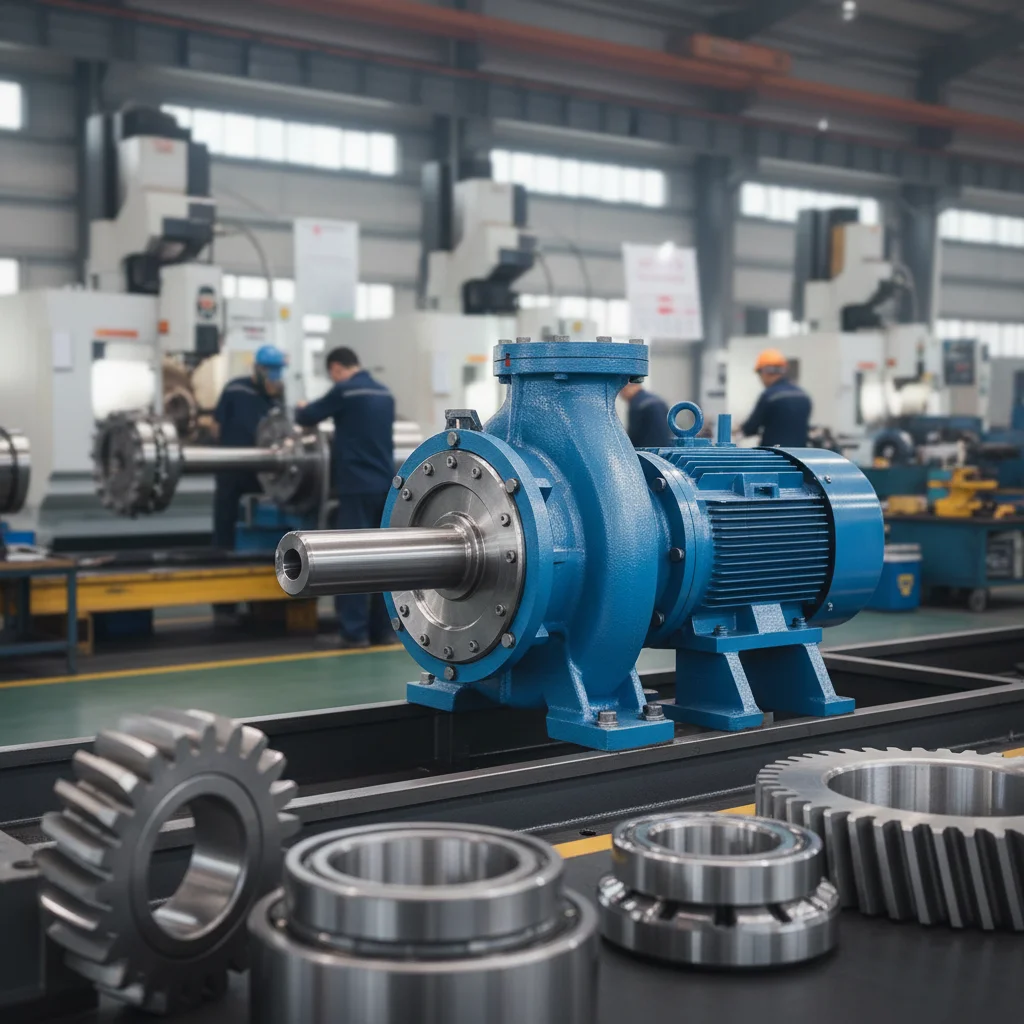
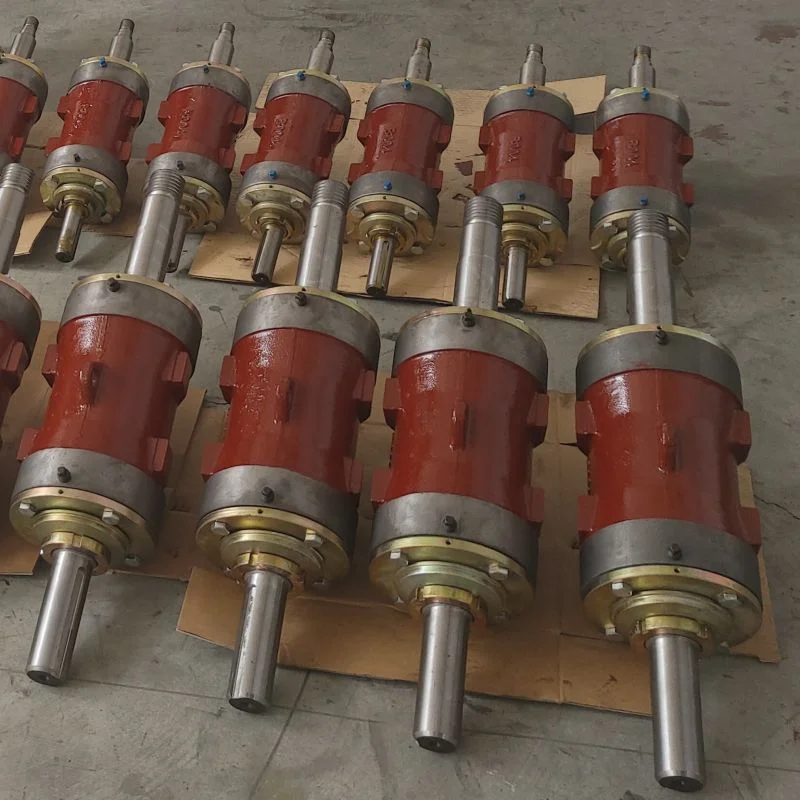
Slurry pump cover plates are critical components in the operation and longevity of slurry pumps, essential machinery in a vast array of industries globally. These plates, often overlooked, directly impact pump efficiency, reduce maintenance costs, and prevent catastrophic failures. Their robust design and material composition are crucial for handling abrasive and corrosive slurries, ensuring uninterrupted operations in demanding environments. Understanding the nuances of slurry pump cover plate design, materials, and maintenance is therefore vital for engineers, operators, and procurement professionals alike.
The global demand for effective slurry handling solutions is driven by the growth of industries like mining, wastewater treatment, and oil & gas. According to recent reports, the global slurry pump market is projected to reach \$XX billion by 2028, with a significant portion of this demand stemming from developing economies investing in infrastructure and resource extraction (source: market research report). A reliable slurry pump cover plate is a cornerstone of this infrastructure, and failures lead to significant downtime and economic losses.
The challenges associated with abrasive slurry transport, coupled with the increasing pressure for sustainable and efficient operations, underscore the importance of high-quality slurry pump cover plates. Choosing the right cover plate – considering factors like slurry composition, pump size, and operational conditions – can significantly enhance pump performance and overall system reliability.
-1-20260416061013.webp "532(DH3013)-1")
Introduction to Slurry Pump Cover Plates
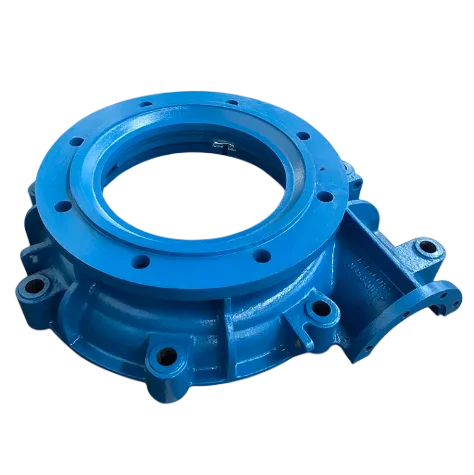
A slurry pump cover plate is more than just a protective shell; it’s a vital interface between the pump’s internal components and the harsh realities of slurry transport. Without a robust and properly designed cover plate, pumps are susceptible to accelerated wear, corrosion, and eventual failure. Selecting the right slurry pump cover plate therefore impacts operational costs and overall productivity.
The design of a slurry pump cover plate often incorporates features like hardened surfaces, liners, and specific geometries to mitigate the impact of abrasive particles and corrosive chemicals. These features are tailored to the specific application, considering the slurry's characteristics, pump size, and operating conditions. slurry pump cover plate durability is therefore not a one-size-fits-all solution.
Defining the Slurry Pump Cover Plate
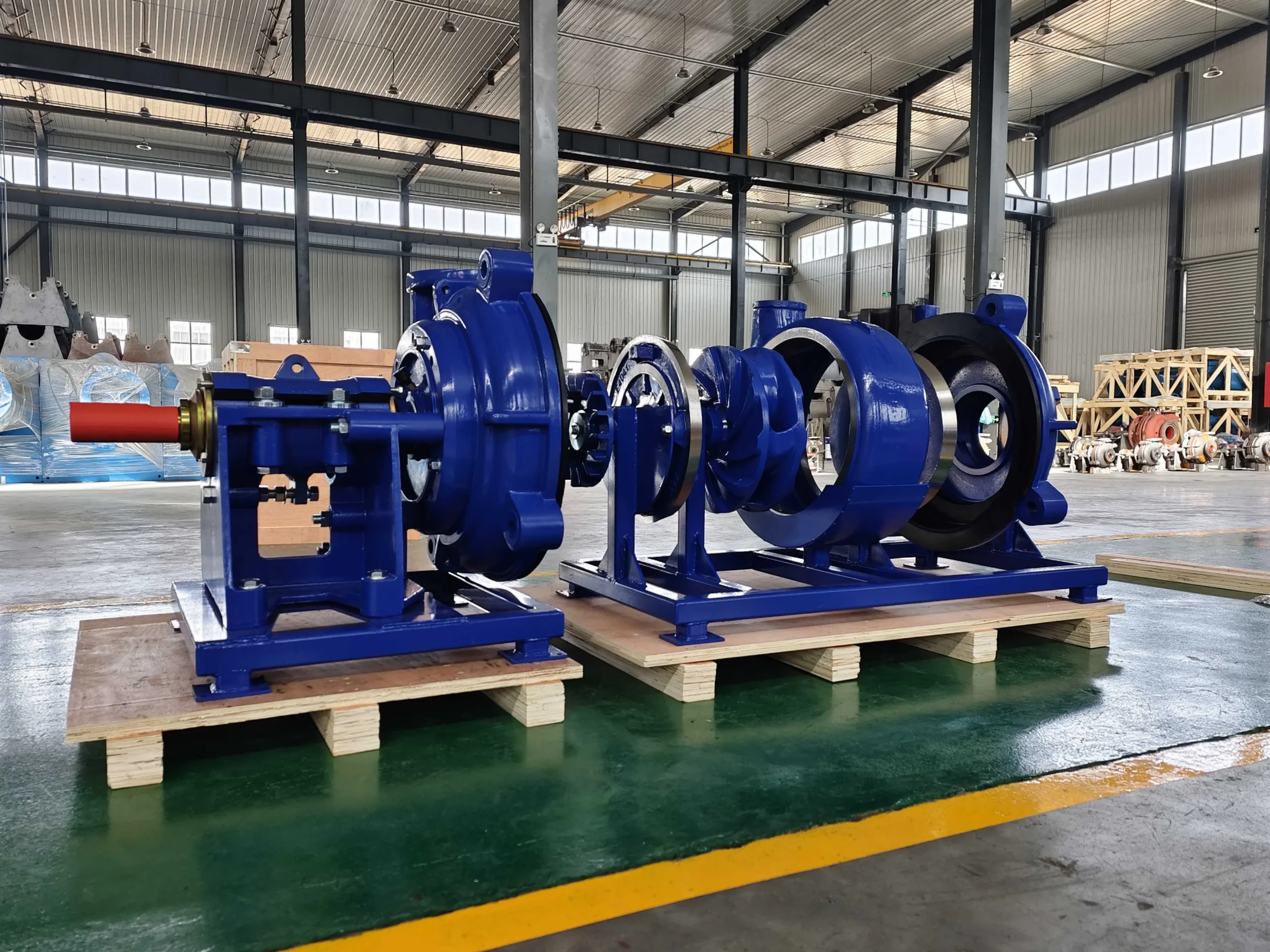
In essence, a slurry pump cover plate is the external housing component that encases the impeller and volute of a slurry pump. Its primary function is to contain the pressurized slurry and provide structural support to the pump. However, its role extends far beyond containment. The cover plate also plays a vital part in directing slurry flow, minimizing turbulence, and protecting internal components from erosion and corrosion.
Modern slurry pump cover plates are engineered to withstand extreme conditions. They are commonly constructed from materials like high-chrome cast iron, stainless steel, or specialized alloys selected for their resistance to abrasion, corrosion, and impact. The choice of material is directly related to the composition of the slurry being pumped and the specific operating environment.
Understanding the cover plate's function is integral to understanding the overall efficiency and lifespan of a slurry pump. Proper design and material selection ensures optimal performance and minimizes costly downtime, allowing for continuous and reliable operation in demanding industrial settings.
Core Components & Material Science
The selection of materials for a slurry pump cover plate is paramount. High-chrome cast iron remains a popular choice due to its excellent abrasion resistance, making it suitable for handling highly abrasive slurries. However, for corrosive environments, stainless steel alloys (like 304 or 316) or specialized duplex stainless steels are often preferred. The alloy composition determines the plate’s resistance to various chemical attacks.
Beyond the base material, the manufacturing process plays a crucial role. Heat treatment, for example, can significantly enhance the hardness and toughness of the cover plate. Similarly, the application of protective coatings, such as rubber linings or ceramic coatings, can further improve its resistance to abrasion and corrosion. slurry pump cover plate selection requires considering the entire manufacturing process.
Recent advancements in material science have also led to the development of composite materials for slurry pump cover plates. These composites combine the benefits of different materials, offering superior abrasion resistance, corrosion resistance, and impact strength. While currently more expensive, composite cover plates represent a promising avenue for improving pump performance and longevity in the long term.
Key Performance Indicators of Cover Plates
Assessing the performance of a slurry pump cover plate involves several key indicators. Abrasion resistance, measured by techniques like the Taber abrasion test, indicates the plate's ability to withstand wear from abrasive particles. Corrosion resistance is evaluated through immersion tests or electrochemical measurements, determining its susceptibility to chemical attack.
Another critical factor is impact strength, which measures the plate’s ability to absorb energy from impacts without fracturing. Finite element analysis (FEA) is often used to simulate stress distributions and predict the plate’s performance under various loading conditions.
Slurry Pump Cover Plate Performance Metrics
Global Applications and Industry Sectors
Slurry pump cover plates are indispensable in a wide range of industries. In mining, they withstand highly abrasive slurries containing rocks, minerals, and tailings. Wastewater treatment plants rely on them to handle corrosive slurries containing chemicals and solids. The oil & gas industry utilizes them for transporting drilling muds and produced water.
Geographically, demand is particularly strong in regions with significant mining activity, such as Australia, Chile, and South Africa. Rapid industrialization in countries like China and India is also driving increased demand for slurry handling solutions. Furthermore, investment in water and wastewater infrastructure in developed nations like the United States and Europe fuels the demand for durable slurry pump cover plate.
Long-Term Value and Cost Considerations
While the initial cost of a high-quality slurry pump cover plate may be higher, the long-term value proposition is substantial. A durable cover plate reduces downtime, minimizes maintenance requirements, and extends the overall lifespan of the pump. These factors translate into significant cost savings over the pump’s operating life.
Considering the total cost of ownership – including the cost of the cover plate, installation, maintenance, and potential downtime – is crucial when making purchasing decisions. Investing in a premium cover plate made from appropriate materials can prevent costly repairs and replacements down the line, offering a significant return on investment.
Beyond cost savings, selecting a reliable cover plate contributes to operational safety and environmental responsibility. Preventing pump failures reduces the risk of spills and leaks, protecting both personnel and the environment.
Future Trends & Innovations in Cover Plate Technology
The future of slurry pump cover plate technology is focused on enhancing durability, reducing weight, and improving performance. Advancements in additive manufacturing (3D printing) are enabling the creation of complex geometries and customized designs optimized for specific slurry characteristics.
Research into new materials, such as ceramic matrix composites and advanced polymers, is also promising. These materials offer superior abrasion and corrosion resistance compared to traditional materials. Furthermore, the integration of sensors and data analytics into cover plates will allow for real-time monitoring of wear and performance, enabling predictive maintenance and maximizing pump uptime.
Sustainability is another key driver of innovation. Developing cover plates from recycled materials and designing them for easy disassembly and component reuse will contribute to a more circular economy and reduce the environmental impact of slurry pumping operations.
Summary of Slurry Pump Cover Plate Material Comparison
| Material Type | Abrasion Resistance (1-10) | Corrosion Resistance (1-10) | Cost (Relative) |
|---|
| High-Chrome Cast Iron | 9 | 4 | Low |
| 304 Stainless Steel | 6 | 7 | Medium |
| 316 Stainless Steel | 6 | 8 | Medium-High |
| Duplex Stainless Steel | 7 | 9 | High |
| Ceramic Composite | 10 | 8 | Very High |
| Advanced Polymer | 7 | 9 | Medium |
FAQS
The lifespan of a slurry pump cover plate varies significantly based on factors like slurry abrasiveness, chemical composition, pump operating conditions, and the material of the plate itself. Generally, a well-maintained cover plate made of high-chrome cast iron can last between 2 to 5 years in moderately abrasive applications. However, in extremely abrasive environments, the lifespan could be reduced to as little as 6 months, while in less demanding applications, it could exceed 7 years.
Selecting the right material involves analyzing your slurry composition. If the slurry is highly abrasive, high-chrome cast iron is a good starting point. If it’s corrosive, stainless steel alloys like 316 or duplex stainless steel are recommended. Consider the slurry's pH, chemical content, and particle size. Consulting with a slurry pump specialist can help determine the optimal material for your specific application.
Regular inspections are crucial. Look for signs of wear, erosion, or corrosion. Clean the plate periodically to remove buildup and prevent accelerated corrosion. Depending on the application, consider applying protective coatings like rubber or ceramic linings to extend the plate’s lifespan. Periodic wear measurements can also help predict when replacement is necessary.
Rubber linings provide excellent resistance to abrasion and corrosion, particularly in applications handling slurries with large particle sizes or corrosive chemicals. They also dampen noise and reduce vibration. While rubber linings may not be as hard as metal alloys, they offer a cost-effective solution for extending the lifespan of the cover plate in specific applications.
In some cases, slurry pump cover plates can be repaired, especially if the damage is localized. Welding can be used to repair cracks or build up worn areas. However, the feasibility of repair depends on the extent of the damage, the material of the plate, and the availability of skilled welders. A thorough inspection is necessary to determine if repair is a viable option.
While higher-grade materials like duplex stainless steel or ceramic composites have a higher initial cost, they often result in lower total cost of ownership. Their superior durability and resistance to wear and corrosion translate into reduced downtime, less frequent replacements, and lower maintenance expenses. A life-cycle cost analysis should be conducted to compare the long-term benefits of different materials.
Conclusion
Slurry pump cover plates are undeniably a critical, yet often underestimated, component in slurry handling systems. Their selection, maintenance, and ongoing innovation are key to ensuring reliable, efficient, and cost-effective operations across a diverse range of industries. Understanding the interplay between material science, performance indicators, and application-specific requirements is paramount for optimizing pump performance and maximizing lifespan.
Looking ahead, advancements in materials, manufacturing techniques, and predictive maintenance technologies promise to further enhance the performance and longevity of slurry pump cover plates. By embracing these innovations, operators can minimize downtime, reduce costs, and improve the sustainability of their slurry handling operations. For reliable solutions and expert advice, visit our website: www.qualityslurrypump.com