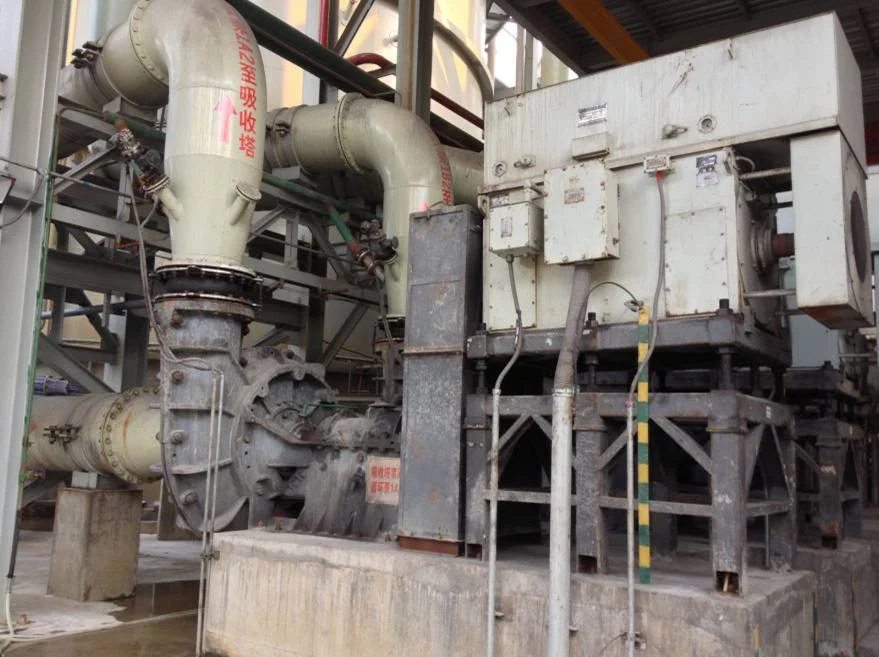
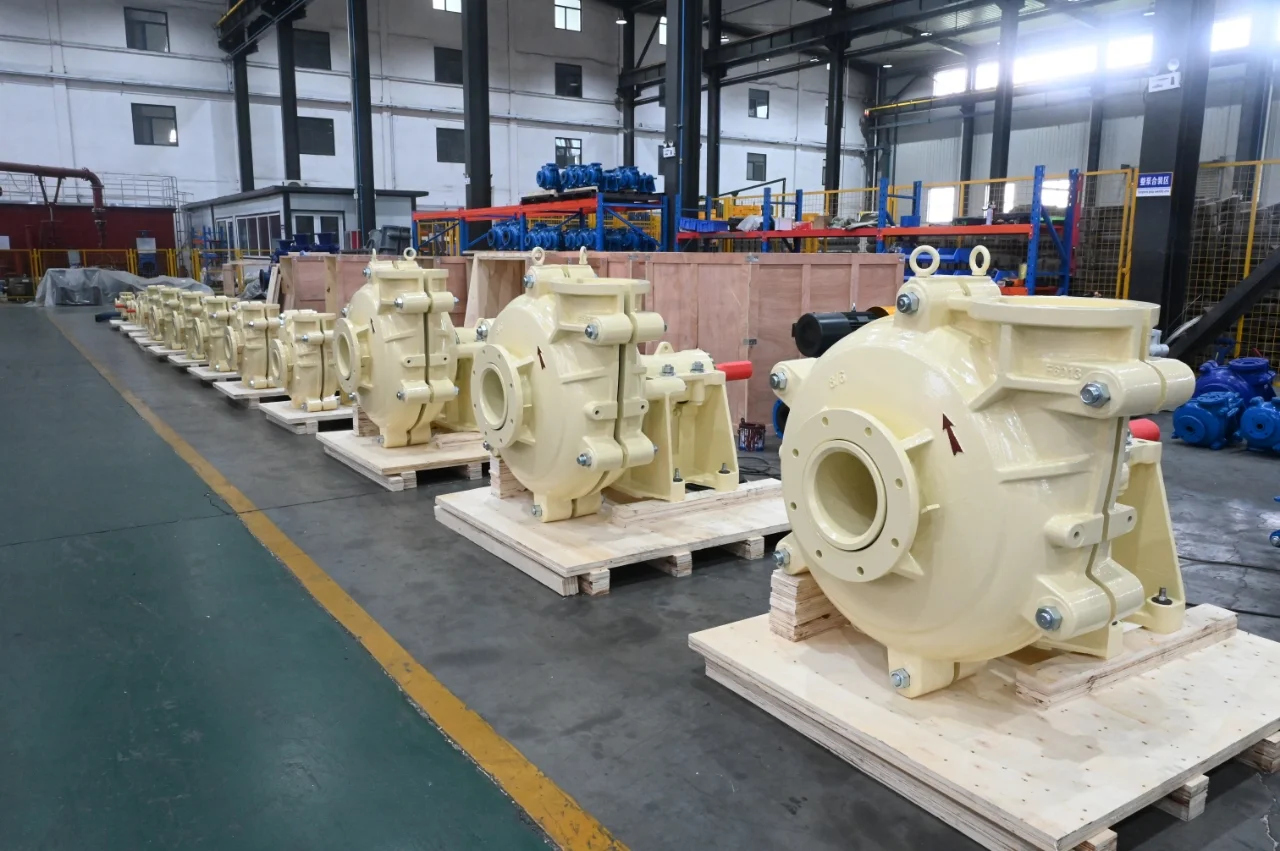
In the demanding environments of mining, dredging, and industrial processing, the efficiency of material transport relies heavily on the reliability of the heavy duty horizontal slurry pump. These specialized machines are engineered to move thick, abrasive fluids—known as slurries—that would quickly erode standard pumping equipment, making them indispensable for global infrastructure and resource extraction.
The global demand for minerals and construction materials has intensified the need for equipment that can withstand extreme wear while maintaining high volumetric efficiency. A high-performance heavy duty horizontal slurry pump ensures that operational downtime is minimized, directly impacting the profitability of large-scale industrial sites by preventing costly blockages and frequent part replacements.
Understanding the nuances of slurry transport, from particle size distribution to fluid viscosity, is essential for any plant manager or engineer. By optimizing the selection and maintenance of a heavy duty horizontal slurry pump, industries can achieve a sustainable balance between aggressive production targets and the longevity of their mechanical assets.
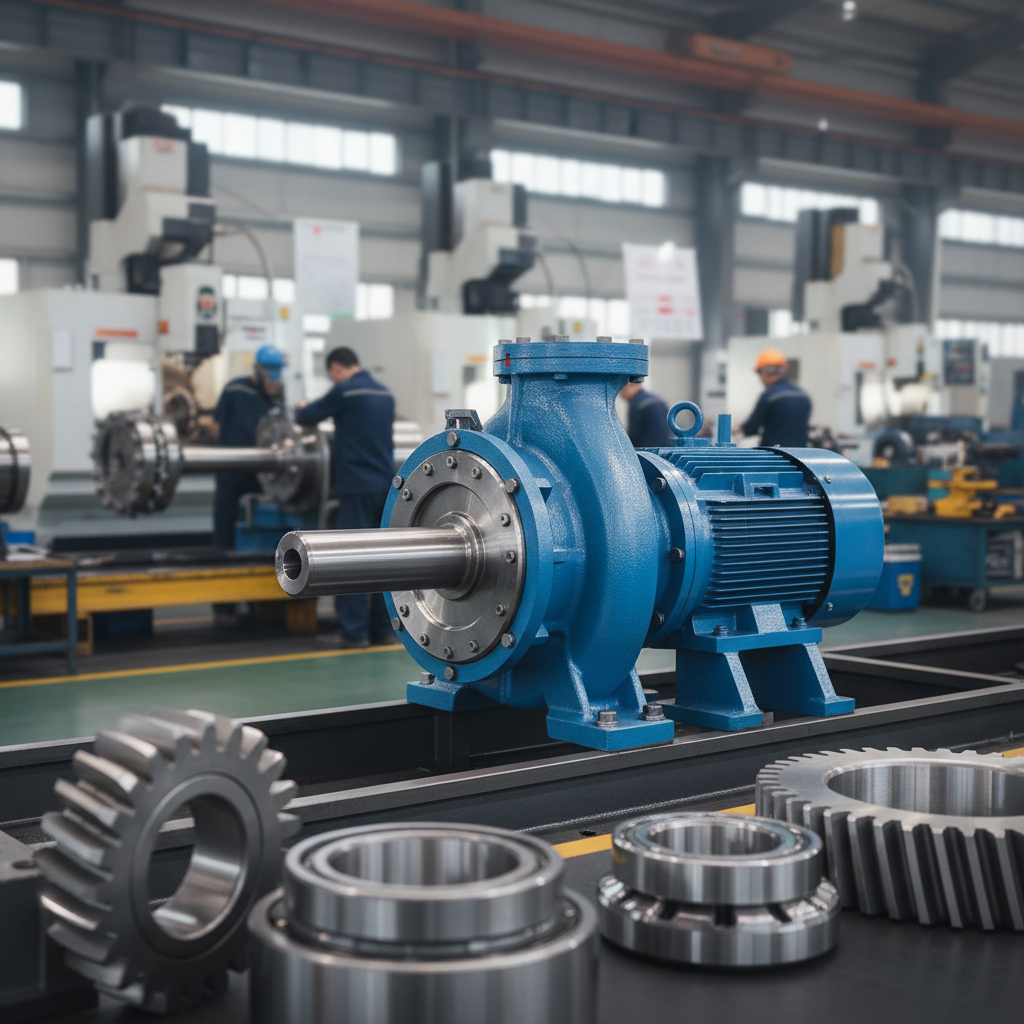
Global Relevance of Heavy Duty Horizontal Slurry Pump
On a global scale, the extraction of raw materials is governed by rigorous ISO standards for efficiency and safety. The heavy duty horizontal slurry pump serves as the heartbeat of these operations, moving thousands of tons of tailings and ore per hour. Without these robust systems, the modern supply chain for steel, copper, and rare earth elements would face severe bottlenecks.
Industry data suggests that unplanned downtime due to pump failure can cost mining operations millions of dollars per day. This makes the adoption of a high-chrome or rubber-lined heavy duty horizontal slurry pump a strategic necessity rather than a simple equipment purchase, as it ensures the continuity of production in the world's most harsh geographical regions.
Defining the Heavy Duty Horizontal Slurry Pump
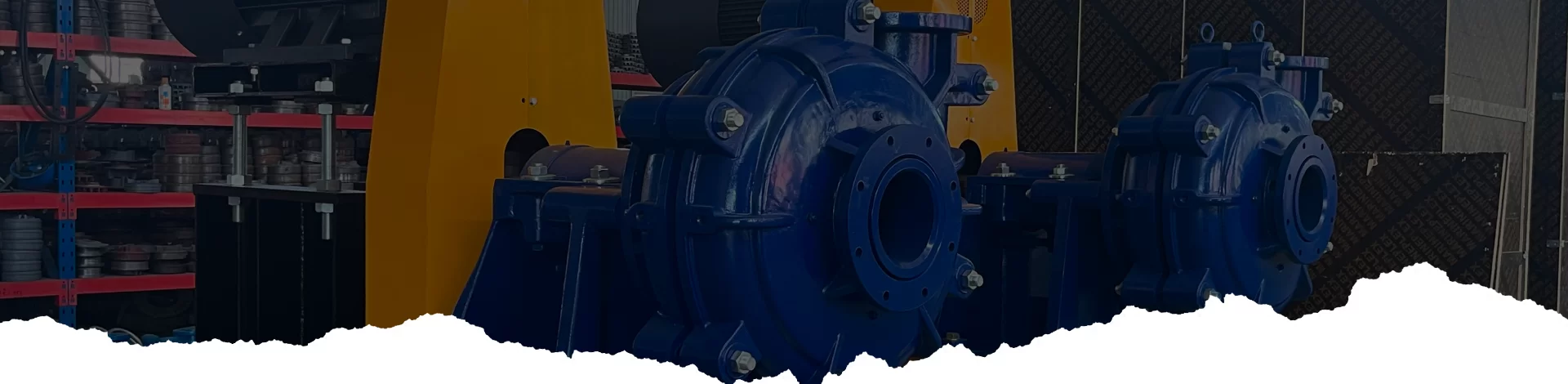
In simple technical terms, a heavy duty horizontal slurry pump is a centrifugal pump specifically designed to handle fluids containing high concentrations of suspended solid particles. Unlike standard water pumps, these machines feature reinforced casings and impellers made from abrasion-resistant materials to prevent the "sandblasting" effect that occurs when slurry moves at high velocities.
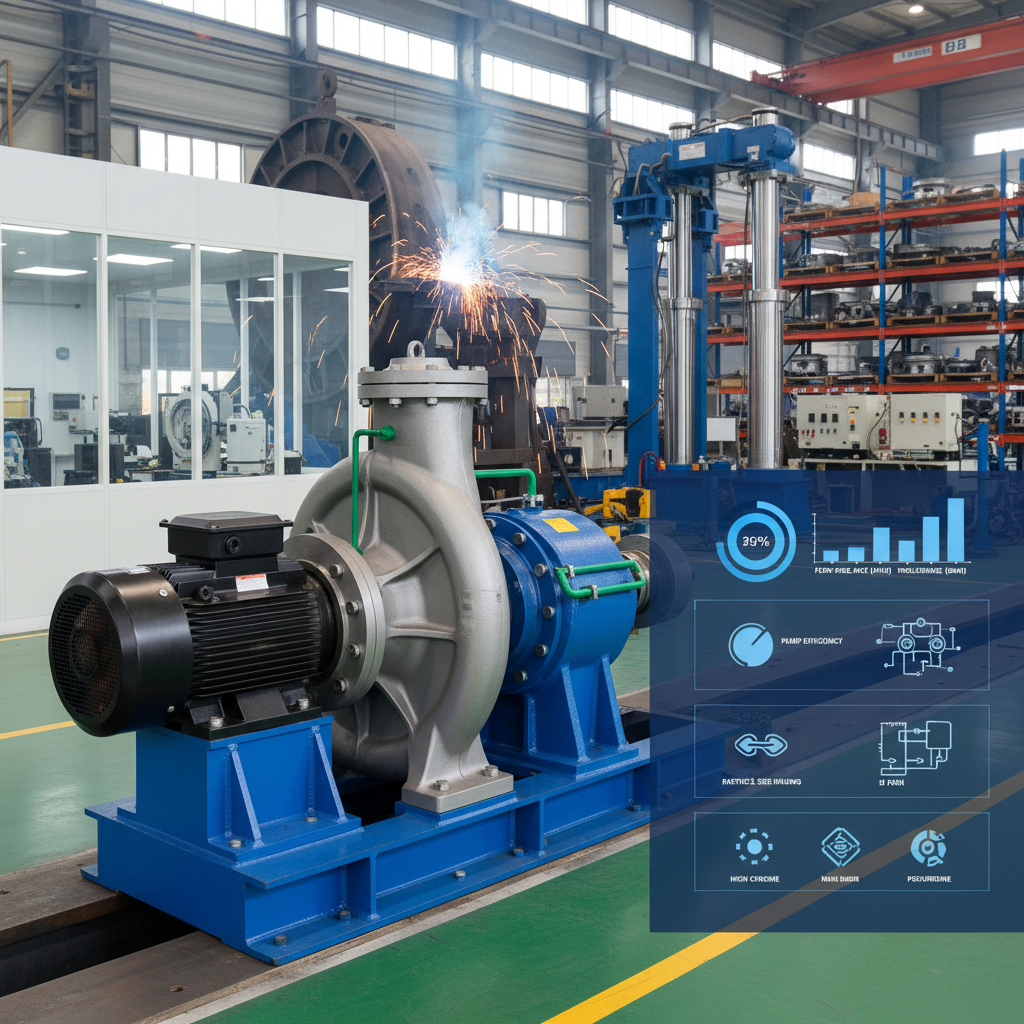
The "horizontal" designation refers to the orientation of the shaft, which allows for easier installation, maintenance access, and integration into existing pipeline networks. This configuration is ideal for applications where the pump is located at the same level as the slurry source or where a slight lift is required, providing a stable footprint for heavy-duty industrial motors.
Beyond the machinery, these pumps fulfill a critical humanitarian and industrial need by enabling the safe transport of waste tailings to containment ponds. By effectively managing these hazardous materials via a heavy duty horizontal slurry pump, companies can reduce the risk of environmental contamination and improve the safety of surrounding communities.
Core Components and Engineering Factors
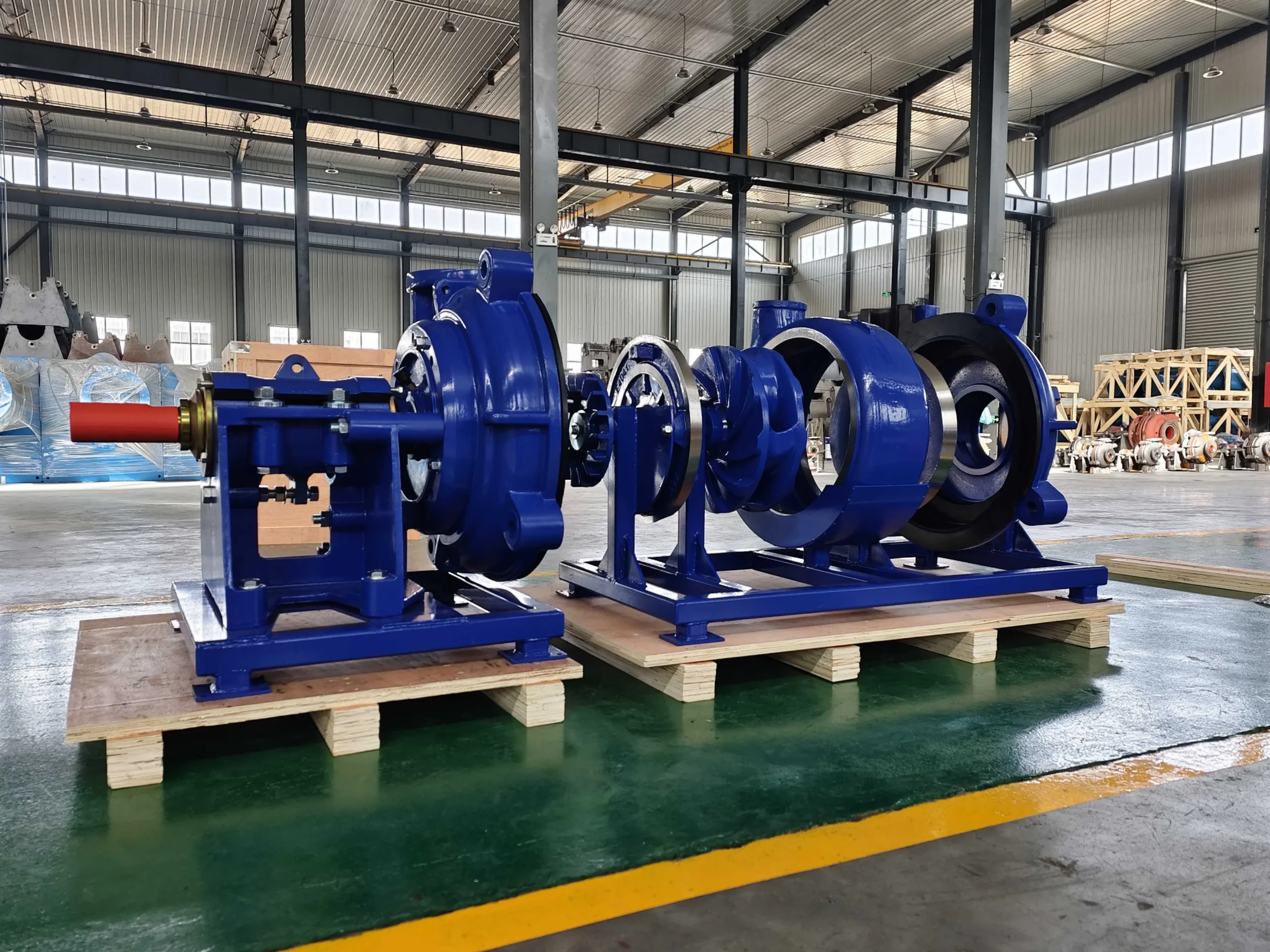
The durability of a heavy duty horizontal slurry pump is primarily determined by its material composition. High-chrome alloys are typically used for high-impact, abrasive slurries, while natural rubber or polyurethane linings are preferred for corrosive or finer particle mixtures. The synergy between the impeller design and the volute casing ensures maximum flow while minimizing turbulence.
Scalability is another critical factor; a heavy duty horizontal slurry pump must be capable of handling varying densities. Engineering adjustments, such as variable frequency drives (VFDs), allow operators to tune the pump's performance to match the current slurry concentration, thereby optimizing energy consumption and reducing unnecessary wear on the internal components.
Cost efficiency in the long run is achieved through the use of modular pump parts. By utilizing standardized components like the ZGB or SBH series designs, maintenance teams can quickly replace liners and impellers without dismantling the entire system. This modularity transforms the heavy duty horizontal slurry pump from a potential point of failure into a reliable, maintainable asset.
Industrial Applications and Real-World Use Cases
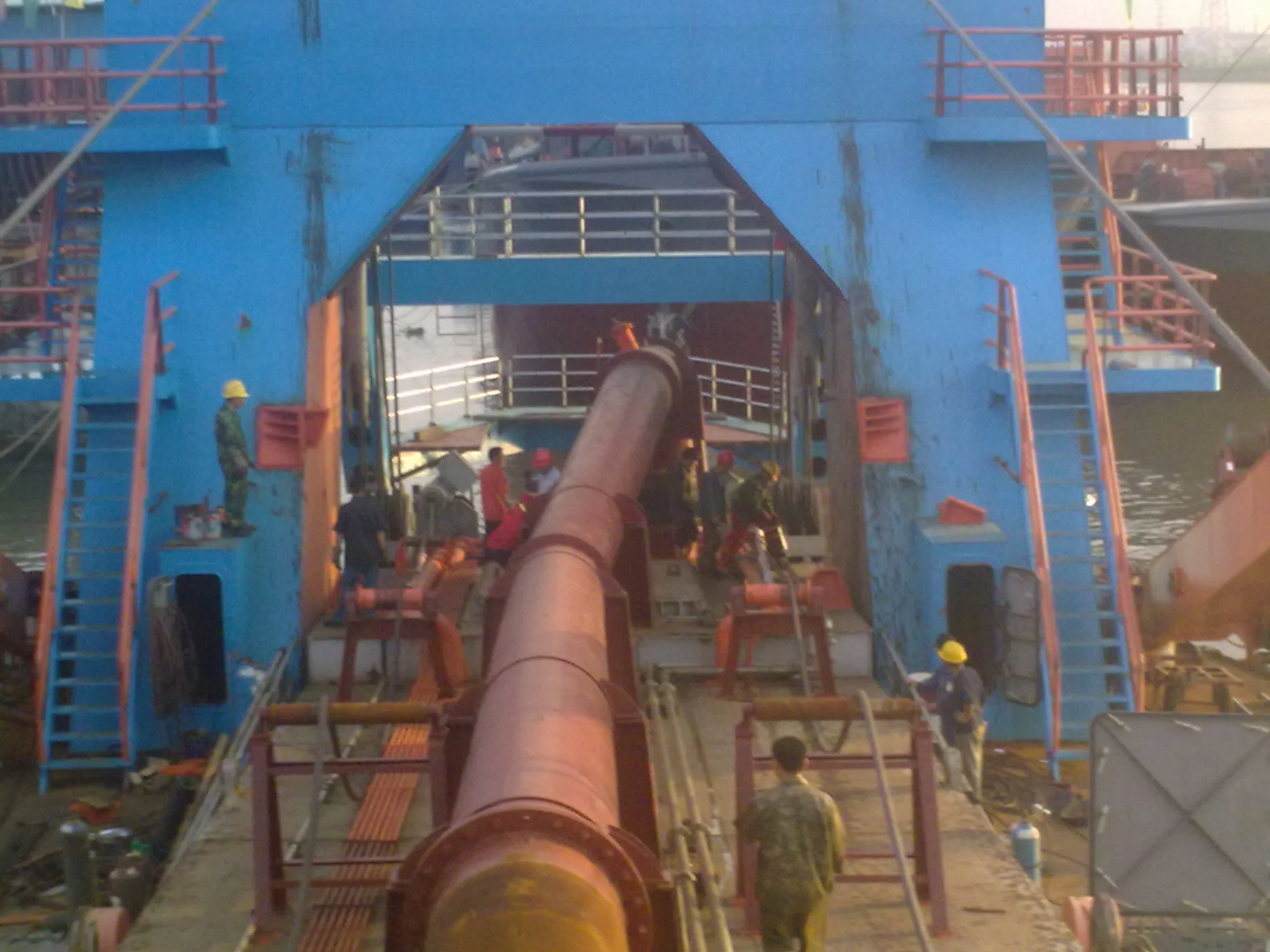
The versatility of the heavy duty horizontal slurry pump allows it to be deployed across various sectors. In the mining industry, these pumps are used for tailings management and mineral processing, where they move crushed ore through flotation and thickening stages. In the dredging sector, they are essential for transporting sand and silt from riverbeds to reclamation sites.
In remote industrial zones, such as the lithium mines of South America or the iron ore fields of Australia, the heavy duty horizontal slurry pump is the only equipment capable of operating in extreme temperatures while pushing high-density slurries over long distances. Similarly, in chemical processing plants, stainless steel versions of these pumps handle corrosive acidic slurries with precision.
Performance Comparison of Heavy Duty Horizontal Slurry Pump Configurations
Long-Term Value and Operational Advantages
Investing in a premium heavy duty horizontal slurry pump delivers tangible financial benefits by lowering the Total Cost of Ownership (TCO). While the initial capital expenditure may be higher than for lightweight pumps, the reduction in emergency repair costs and the extension of the Mean Time Between Failures (MTBF) create a positive ROI within the first year of operation.
Beyond the numbers, there is a psychological value in reliability. Plant operators can trust that a heavy duty horizontal slurry pump will not fail during a critical production surge, ensuring the safety of the staff and the dignity of a well-managed workplace. This reliability fosters innovation, as engineers can push the limits of slurry density knowing their pumping infrastructure can handle the load.
Future Innovations in Slurry Pumping Technology
The future of the heavy duty horizontal slurry pump is being shaped by the digital transformation of the mining industry. Smart pumps equipped with IoT sensors are now capable of real-time wear monitoring, alerting operators when a liner is thin before a catastrophic failure occurs. This transition from reactive to predictive maintenance is revolutionizing operational efficiency.
Material science is also evolving, with the introduction of nano-ceramic coatings and hybrid alloys that offer the hardness of high-chrome with the flexibility of rubber. These advancements allow the heavy duty horizontal slurry pump to operate in even more aggressive chemical environments, reducing the overall environmental footprint by minimizing the need for frequent part replacements.
Furthermore, the push toward green energy is leading to the development of high-efficiency motors that reduce the carbon footprint of slurry transport. By optimizing the hydraulic design of the heavy duty horizontal slurry pump, manufacturers are decreasing energy consumption per ton of material moved, aligning industrial growth with global sustainability goals.
Overcoming Common Challenges in Slurry Transport
One of the most persistent challenges with any heavy duty horizontal slurry pump is the issue of "settling" or clogging when flow velocity drops. When particles settle in the pump casing, it can cause severe vibration and rapid wear. To solve this, engineers recommend the installation of recirculation loops and the use of specialized impeller geometries that maintain high turbulence.
Cavitation is another common enemy, often caused by improper Net Positive Suction Head (NPSH) calculations. This leads to the formation of vapor bubbles that implode and pit the metal surfaces of the heavy duty horizontal slurry pump. Implementing precise suction-side piping and ensuring a consistent slurry feed are the most effective ways to mitigate this risk.
Finally, the balance between wear resistance and energy efficiency is a constant trade-off. Heavy liners provide longevity but can restrict flow. The solution lies in a tailored approach—selecting a heavy duty horizontal slurry pump with a customized liner thickness and impeller trim based on the specific gravity and abrasive nature of the fluid.
Comparative Analysis of Slurry Pump Material Selection
| Material Type |
Abrasion Resistance |
Corrosion Resistance |
Typical Lifespan (Months) |
| High Chrome Alloy |
Excellent (9/10) |
Moderate (5/10) |
12-18 |
| Natural Rubber |
Good (7/10) |
Excellent (9/10) |
8-12 |
| Polyurethane |
Very Good (8/10) |
Good (7/10) |
10-15 |
| Stainless Steel |
Moderate (5/10) |
Exceptional (10/10) |
15-24 |
| Hard Metal / Carbide |
Exceptional (10/10) |
Moderate (6/10) |
24-36 |
| Hybrid Composite |
Good (7/10) |
Very Good (8/10) |
12-20 |
FAQS
The primary difference lies in the materials and design. A heavy duty horizontal slurry pump is built with abrasion-resistant liners (like high chrome or rubber) and a reinforced casing to handle solid particles that would erode a standard pump in hours. Additionally, the impeller geometry is optimized to prevent clogging and manage the higher viscosity of slurry fluids.
Selection depends on the slurry characteristics. High-chrome is best for large, sharp, and highly abrasive particles (e.g., crushed rock). Rubber lining is superior for finer particles and corrosive chemicals where the fluid "scours" the surface rather than impacting it heavily. If the slurry is both corrosive and abrasive, a hybrid or polyurethane option may be ideal.
Replacement intervals vary based on the slurry density and flow rate, typically ranging from 6 to 24 months. We recommend implementing a scheduled inspection every 3 months or using vibration sensors to detect the early stages of wear. Replacing parts proactively prevents casing failure and unplanned downtime.
Yes, specific models such as the SBH High Pressure Slurry Pump are designed for this. By increasing the casing wall thickness and optimizing the impeller diameter, these pumps can generate the high head required to push slurry vertically or over long distances across a site without losing velocity.
The most common failures are cavitation, seal leakage, and abrasive wear. Cavitation usually results from poor suction piping, while seal leaks often occur due to inadequate flush water. Regular maintenance of the gland seal and ensuring the pump operates within its Best Efficiency Point (BEP) significantly extends the equipment's life.
Absolutely. Modern installations utilize Variable Frequency Drives (VFDs) and PLC systems to automate flow control based on real-time slurry density readings. This not only optimizes energy use but also ensures that the pump maintains the critical velocity required to prevent solids from settling in the pipelines.
Conclusion
The heavy duty horizontal slurry pump is more than just a piece of machinery; it is a critical engineering solution that enables the global extraction and processing of vital resources. By combining advanced material science, such as high-chrome alloys, with strategic hydraulic design, these pumps solve the complex challenge of transporting abrasive materials efficiently while minimizing operational downtime and environmental risk.
As the industry moves toward Industry 4.0, the integration of predictive maintenance and energy-efficient motors will further enhance the value of these systems. For companies looking to optimize their production chain, investing in a high-quality, correctly specified heavy duty horizontal slurry pump is the most effective way to ensure long-term reliability and sustainable growth. Visit our website for more expert solutions: www.qualityslurrypump.com