In the demanding world of industrial mineral processing and waste management, the cantilever slurry pump stands as a critical engineering solution designed to handle highly abrasive and corrosive fluids. Unlike standard centrifugal pumps, these specialized machines are engineered to transport thick, slurry-like mixtures containing solid particles without suffering immediate catastrophic wear, ensuring that production lines in mining and chemical plants remain operational.
Globally, the efficiency of fluid transport in heavy industry directly impacts the cost of raw material extraction and environmental remediation. By utilizing a cantilever design, these pumps eliminate the need for lower bearing housings that would otherwise be exposed to the abrasive slurry, significantly reducing maintenance intervals and preventing the frequent downtime that plagues traditional pump installations in harsh environments.
Understanding the nuances of a cantilever slurry pump—from its material composition to its hydraulic efficiency—is essential for plant managers and engineers. By optimizing the selection of liners and impellers, industries can achieve a balance between high volumetric flow and long-term structural integrity, leading to a more sustainable and cost-effective operational lifecycle.
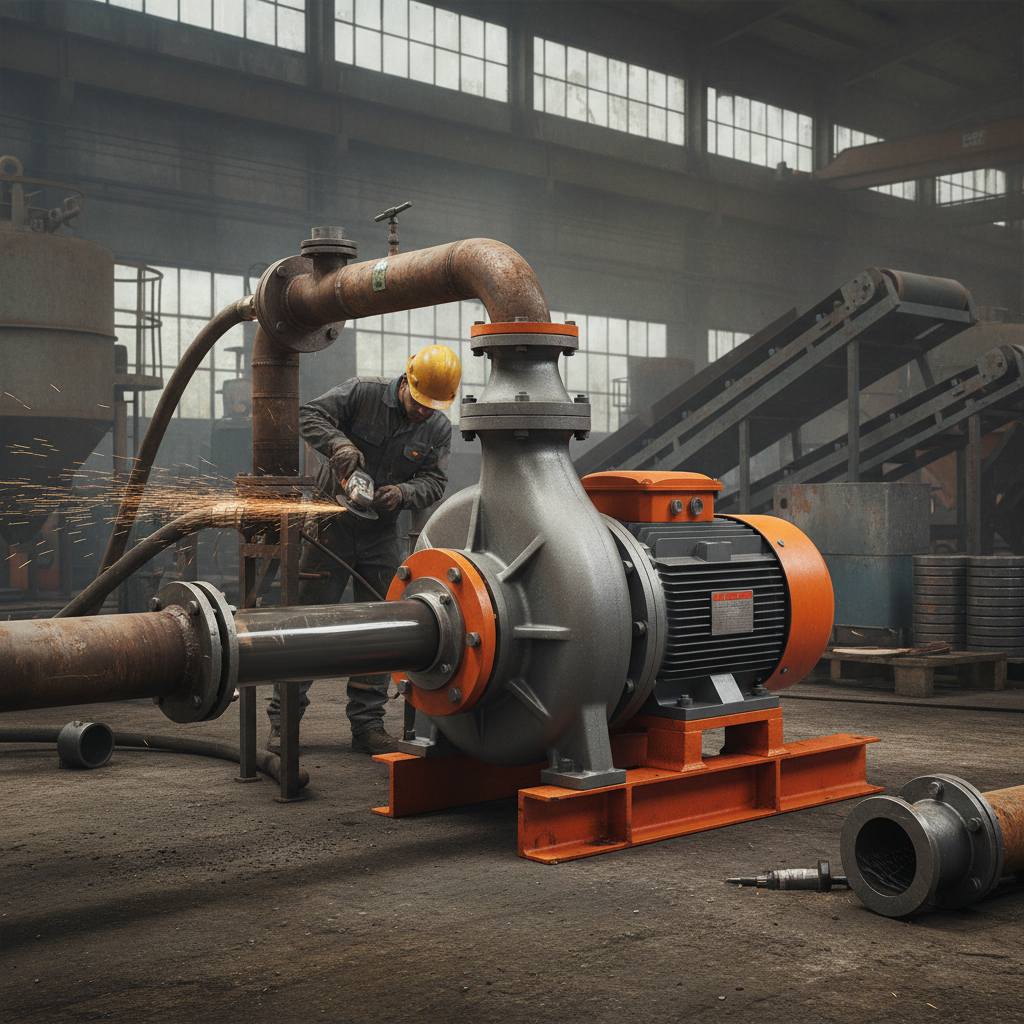
Global Relevance and Industry Context of Cantilever Slurry Pumps
The global demand for minerals, metals, and construction aggregates has pushed the limits of fluid handling technology. According to industry benchmarks aligned with ISO standards for pumping machinery, the failure of slurry transport systems is one of the leading causes of unplanned downtime in the mining sector. The cantilever slurry pump addresses this by providing a robust architecture that simplifies the interface between the motor and the abrasive medium.
In regions like Australia, Brazil, and Canada, where large-scale open-pit mining is prevalent, the ability to move tailings and ore slurries over long distances is a logistical necessity. The primary challenge has always been the "wear-and-tear" cycle; standard pumps often fail at the seal and bearing points. The cantilever design specifically mitigates this by elevating the bearing assembly above the fluid level, effectively isolating the most sensitive mechanical parts from the abrasive slurry.
Defining the Cantilever Slurry Pump Mechanism
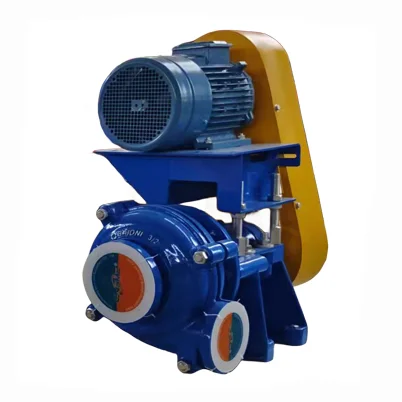
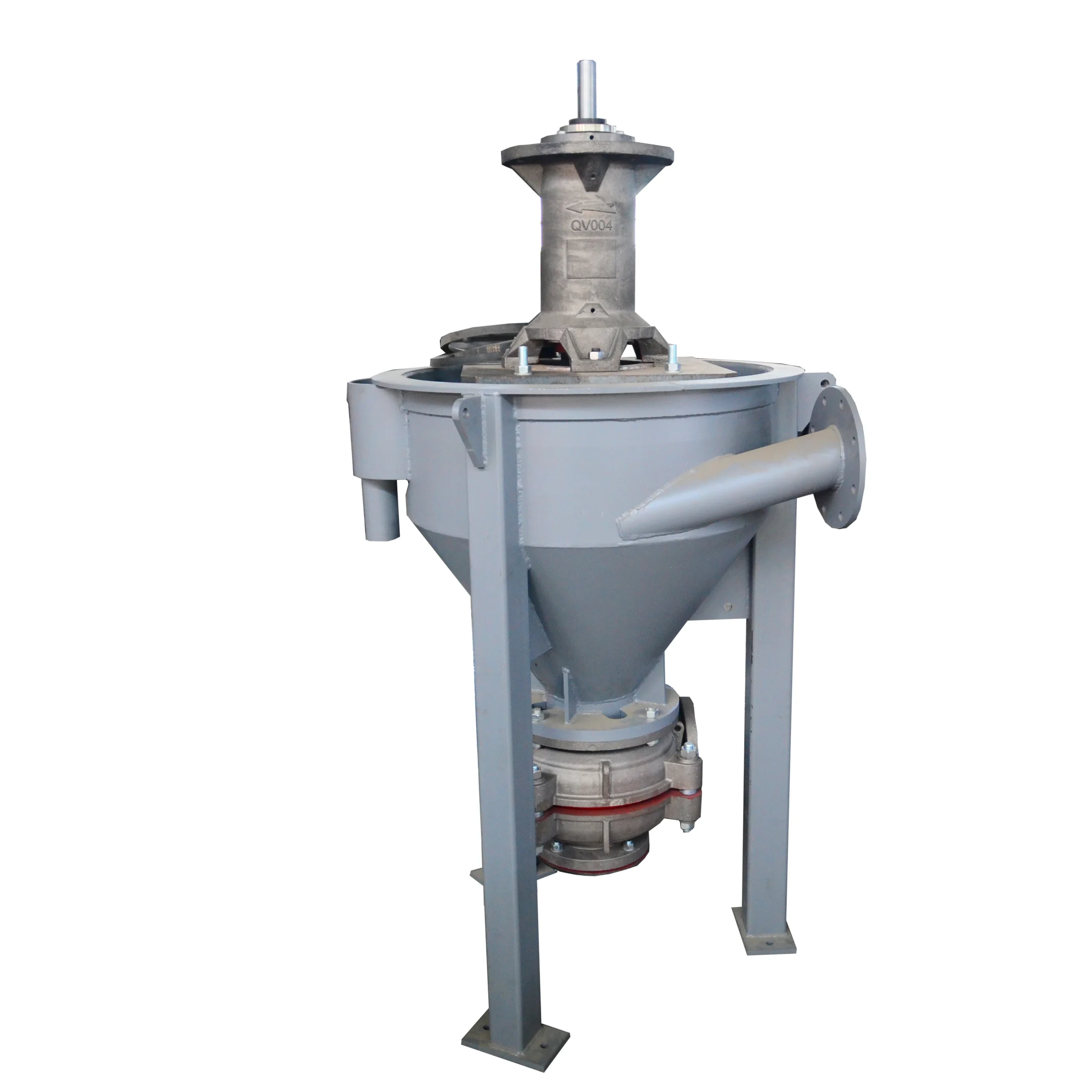
At its most basic level, a cantilever slurry pump is a centrifugal pump where the impeller is mounted on a shaft that is supported only at one end. This "cantilevered" arrangement means there are no bearings located within the pump casing or submerged in the fluid. This design is a strategic response to the inherent aggressiveness of slurries, which contain suspended solids that act like liquid sandpaper on internal surfaces.
The connection to modern industrial needs is profound. As we move toward deeper mining and more complex chemical processing, the fluids being transported have become denser and more chemically volatile. The cantilever mechanism allows for easier maintenance—since the pump can often be pulled for service without disturbing the piping—and removes the risk of slurry leaking into the bearing housing, which is a common failure point in traditional foot-mounted pumps.
Furthermore, this design facilitates the use of diverse liner materials. Whether the application requires High Chrome alloys for extreme abrasion or Natural Rubber for corrosive acids, the cantilever structure provides a stable platform that can accommodate various wear-resistant inserts without compromising the mechanical alignment of the drive shaft.
Core Components Driving Pump Durability
The longevity of a cantilever slurry pump depends heavily on its material selection. High-chrome alloys are frequently employed for the impeller and volute to resist the scouring effect of hard minerals, while the cantilevered shaft is typically forged from high-tensile steel to prevent deflection under the weight of heavy slurries.
A critical component is the wear liner. By utilizing interchangeable liners made from polyurethane or natural rubber, the cantilever slurry pump can be customized for specific grit sizes. This modular approach ensures that the outer casing remains intact while only the replaceable inner sleeve is worn down over time.
Finally, the bearing assembly and lubrication system are paramount. Because the bearings are positioned away from the slurry, they can be maintained in a clean, oil-bathed environment. This separation is what allows the cantilever slurry pump to achieve significantly higher Mean Time Between Failures (MTBF) compared to submerged alternatives.
Performance Metrics and Efficiency Analysis
Evaluating the efficiency of a cantilever slurry pump involves analyzing the trade-off between flow rate (capacity) and total dynamic head. In slurry applications, "efficiency" isn't just about energy consumption, but about the pump's ability to maintain a critical carrying velocity—the speed at which solids remain suspended and do not settle in the pipe, which would cause clogging.
Modern hydraulic modeling allows engineers to optimize the impeller geometry for different slurry densities. By adjusting the vane angle and diameter, a cantilever slurry pump can be tuned to handle everything from light-duty tailings to heavy-duty gravel slurries while minimizing turbulence and internal erosion.
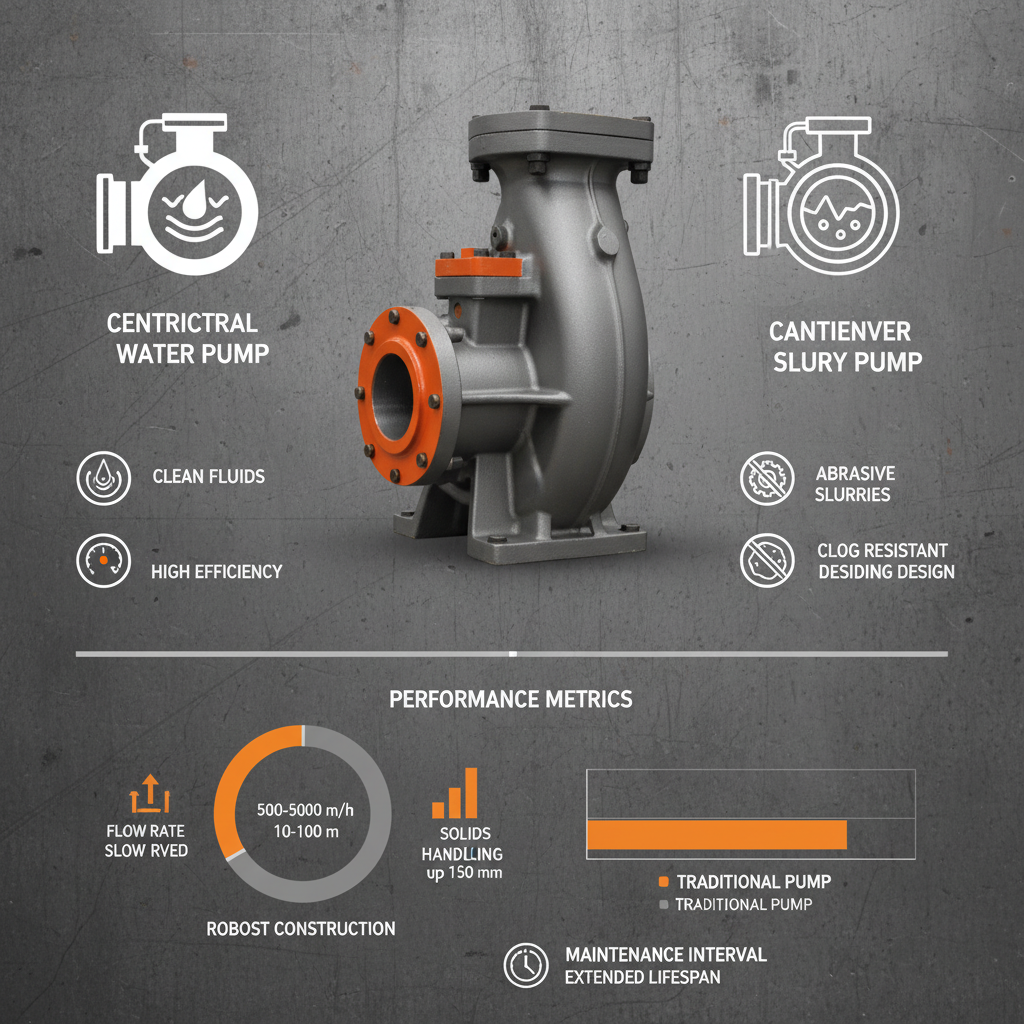
Performance Rating of Various Cantilever Slurry Pump Configurations
Global Applications and Real-World Use Cases
The versatility of the cantilever slurry pump makes it indispensable across various global sectors. In the mining industry of South America, these pumps are used extensively for tailings management, transporting waste ore to storage facilities. The cantilever design allows for quick impeller replacement in remote sites where specialized tooling may be limited.
Beyond mining, these pumps are vital in municipal wastewater treatment plants and dredging operations. In coastal cities in Southeast Asia, for instance, cantilever slurry pump systems are used to clear silt and sand from harbors. The ability to handle high concentrations of solids without damaging the motor makes them the preferred choice for these fluctuating, debris-heavy environments.
Long-Term Value and Operational Advantages
From a financial perspective, the long-term value of investing in a high-quality cantilever slurry pump is seen in the reduction of Total Cost of Ownership (TCO). While the initial procurement cost may be higher than a standard pump, the drastic reduction in emergency repairs and the extension of the service life of the drive assembly create a significant net gain for the operator.
Safety and reliability are the emotional and logical drivers here. In hazardous industrial zones, a pump failure can lead to slurry spills, which pose environmental risks and safety hazards for personnel. The inherent stability of the cantilever design provides peace of mind to plant managers, knowing that the most critical mechanical seals are shielded from the abrasive nature of the medium.
Additionally, the sustainability angle cannot be overlooked. By utilizing materials that last longer and pumps that operate more efficiently, companies reduce the volume of scrap metal and rubber waste generated by frequent part replacements. This aligns with global ESG (Environmental, Social, and Governance) goals to minimize the industrial footprint.
Future Trends in Slurry Pumping Technology
The future of the cantilever slurry pump is being shaped by the digital transformation of industry, often referred to as Industry 4.0. We are seeing the integration of IoT sensors within the bearing housing to monitor vibration and temperature in real-time. This allows for "predictive maintenance," where a pump is serviced exactly when needed, rather than on a fixed schedule, further reducing downtime.
Material science is also evolving. The development of nano-ceramic coatings and advanced hybrid polymers is promising to increase the wear resistance of cantilever slurry pump liners by up to 40%. These new materials can withstand both extreme abrasion and chemical corrosion simultaneously, expanding the pump's application into more aggressive chemical processing roles.
Finally, the push toward green energy is influencing motor design. High-efficiency IE4 and IE5 motors are being paired with cantilever pumps to reduce electricity consumption. This synergy between mechanical robustness and electrical efficiency ensures that slurry transport remains viable in a world with stricter carbon emission regulations.
Comparative Analysis of Cantilever Slurry Pump Material Performance
| Material Type |
Abrasion Resistance |
Corrosion Resistance |
Typical Application |
| High Chrome Alloy |
Very High (10/10) |
Moderate (5/10) |
Iron Ore / Gold Mining |
| Natural Rubber |
Moderate (6/10) |
High (9/10) |
Acidic Slurries / Tailings |
| Polyurethane |
High (8/10) |
Moderate (6/10) |
Sand and Gravel / Dredging |
| Stainless Steel |
Low (4/10) |
Very High (10/10) |
Chemical Processing |
| Hard Metal/Tungsten |
Extreme (11/10) |
Low (3/10) |
Hard Rock Mining |
| Hybrid Composite |
High (8/10) |
High (8/10) |
Mixed Mineral Waste |
FAQS
The primary advantage is the elimination of submerged bearings. In a cantilever slurry pump, the bearing assembly is located above the pump casing, preventing abrasive solids from entering the bearing housing. This significantly reduces wear, prevents premature failure, and simplifies maintenance by allowing the pump to be serviced without dismantling the entire piping system.
The choice depends on the nature of the slurry. High-chrome alloys are best for high-pressure, highly abrasive materials like iron ore or quartz. Rubber liners are superior for corrosive fluids or slurries with smaller, softer particles where impact resistance is more important than hardness. For mixed environments, polyurethane is often a balanced middle ground.
Maintenance intervals vary based on the slurry's concentration and grit size. However, thanks to the cantilever design, routine checks are focused on the upper bearings and the wear liners. With predictive IoT monitoring, many operators now perform maintenance based on vibration data rather than a calendar, typically replacing liners every 6-18 months depending on the application.
Yes, provided the correct materials are selected. A cantilever slurry pump equipped with high-grade stainless steel or specialized acid-resistant rubber liners can effectively transport corrosive waste. It is crucial to ensure that the pump's wetted parts are entirely compatible with the pH level of the fluid to avoid rapid chemical erosion.
Yes, the flow rate can be adjusted using a Variable Frequency Drive (VFD) on the motor. This is the most efficient method as it allows the operator to maintain the critical carrying velocity of the slurry without throttling the valve, which would otherwise cause localized wear and potential clogging in the pump volute.
While wear parts like impellers and liners are consumable and replaced periodically, the main structural housing and the cantilevered shaft can last for decades if properly maintained. By ensuring the pump operates within its Best Efficiency Point (BEP), the overall mechanical life of the system is maximized.
Conclusion
The cantilever slurry pump represents a masterclass in industrial engineering, solving the age-old problem of abrasive wear through a clever structural shift. By isolating sensitive mechanical components from the harsh slurry environment and offering a modular approach to wear-resistant materials, these pumps ensure that the global mining and processing industries can operate with higher reliability, lower costs, and improved safety.
As we look toward the future, the integration of smart sensors and advanced materials will only further enhance the capabilities of slurry transport. For companies seeking to optimize their operational efficiency and reduce environmental impact, investing in a high-quality cantilever system is not just a technical upgrade, but a strategic move toward long-term sustainability. Visit our website for more professional solutions: www.qualityslurrypump.com




-1-20260416061013.webp "Optimizing Slurry Pump Performance with Durable Cover Plate Solutions")