Warman compatible slurry pumps are critical components in numerous industrial processes globally, enabling the efficient and reliable transport of abrasive and corrosive materials. These pumps are designed to withstand the harsh conditions present in mining, wastewater treatment, dredging, and various other sectors. Their robust construction and specialized materials make them essential for maintaining productivity and minimizing downtime in challenging environments. Understanding the nuances of these pumps – from their core components to emerging technologies – is vital for engineers, operators, and anyone involved in industries reliant on fluid handling.
The demand for warman compatible slurry pumps is steadily increasing, driven by growth in resource extraction, infrastructure development, and environmental regulations. Worldwide, industries are facing increasing pressures to improve efficiency, reduce environmental impact, and ensure operational safety. The versatility and durability of these pumps offer solutions to these challenges. Data from the World Bank indicates a continued investment in infrastructure projects globally, requiring significant slurry transport capacity. Furthermore, increasingly stringent environmental standards drive the need for reliable and efficient wastewater treatment systems, heavily reliant on high-performance slurry pumps.
The core benefit of utilizing a warman compatible slurry pump lies in its ability to handle highly abrasive and erosive materials without significant wear and tear. This translates to lower maintenance costs, increased operational lifespan, and ultimately, a greater return on investment compared to conventional pumping solutions. They are a cornerstone of modern fluid management in a diverse array of applications, contributing to operational efficiency and environmental responsibility.
Introduction to warman compatible slurry pump
Warman compatible slurry pumps are engineered to excel in the demanding task of transporting abrasive, corrosive, and dense slurries. Their design prioritizes longevity and efficiency, addressing the challenges inherent in handling materials that would quickly degrade conventional pumps. The “Warman” designation historically refers to pumps manufactured by the Warman Pump Company, now a part of Weir Minerals, known for their industry-leading performance in slurry handling.
These pumps play a crucial role across numerous industries. In mining, they transport ore slurries; in wastewater treatment, they handle sludge and grit; in dredging, they move sand and gravel; and in power generation, they manage fly ash. The compatibility aspect refers to pumps designed and manufactured to meet the specifications and performance characteristics of the original Warman pumps, offering a cost-effective alternative without compromising on quality.
Defining warman compatible slurry pump
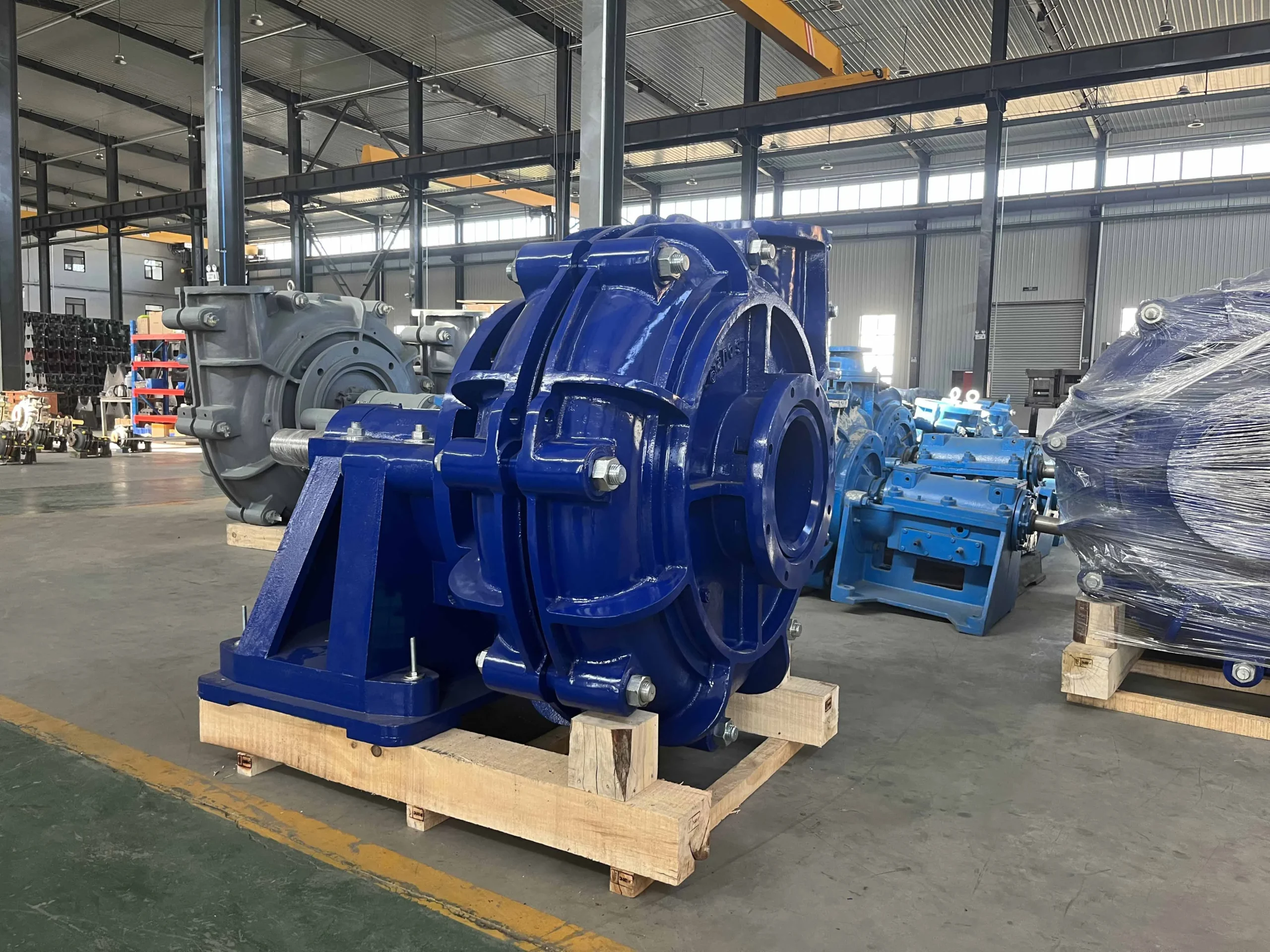
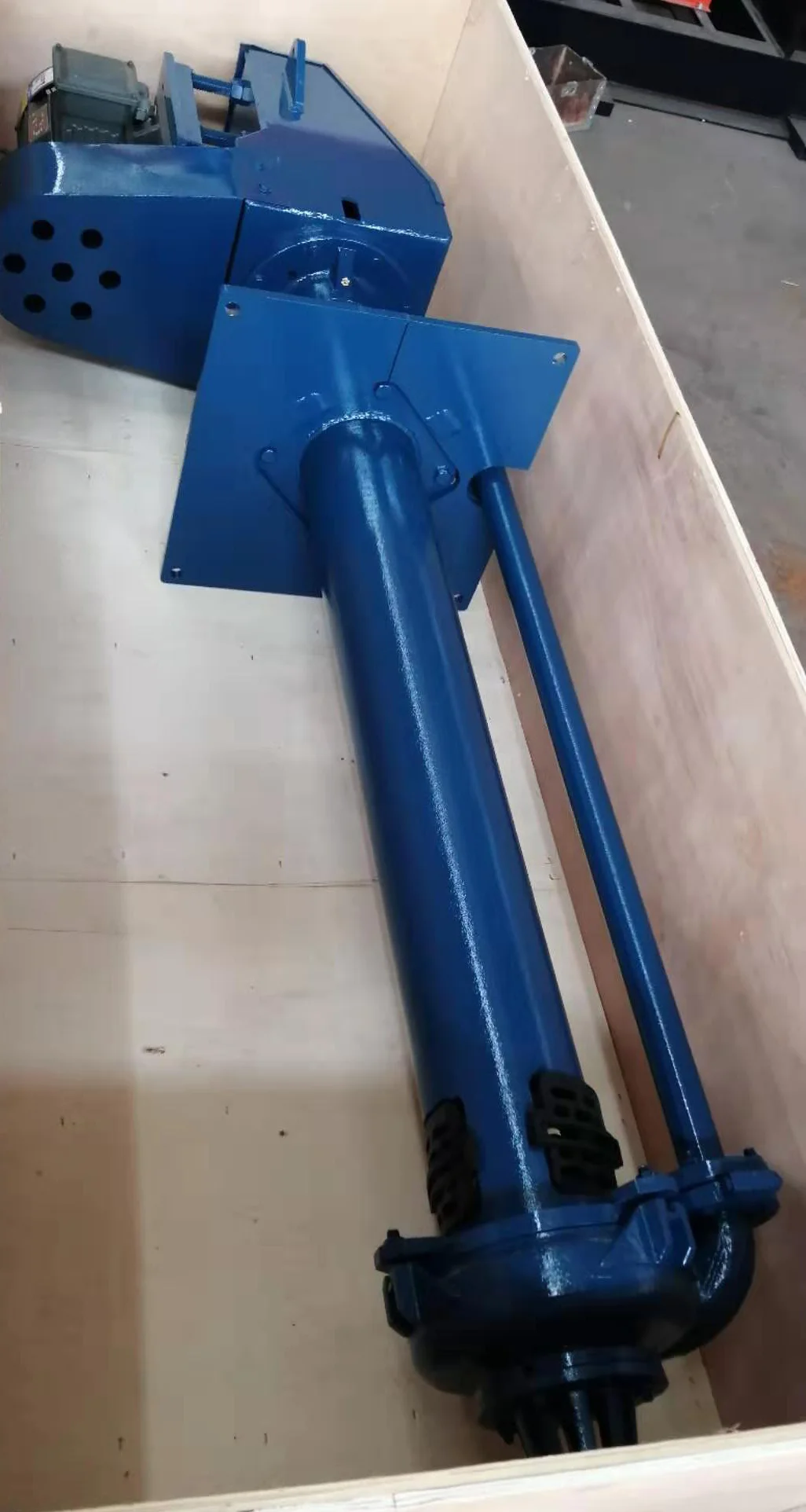
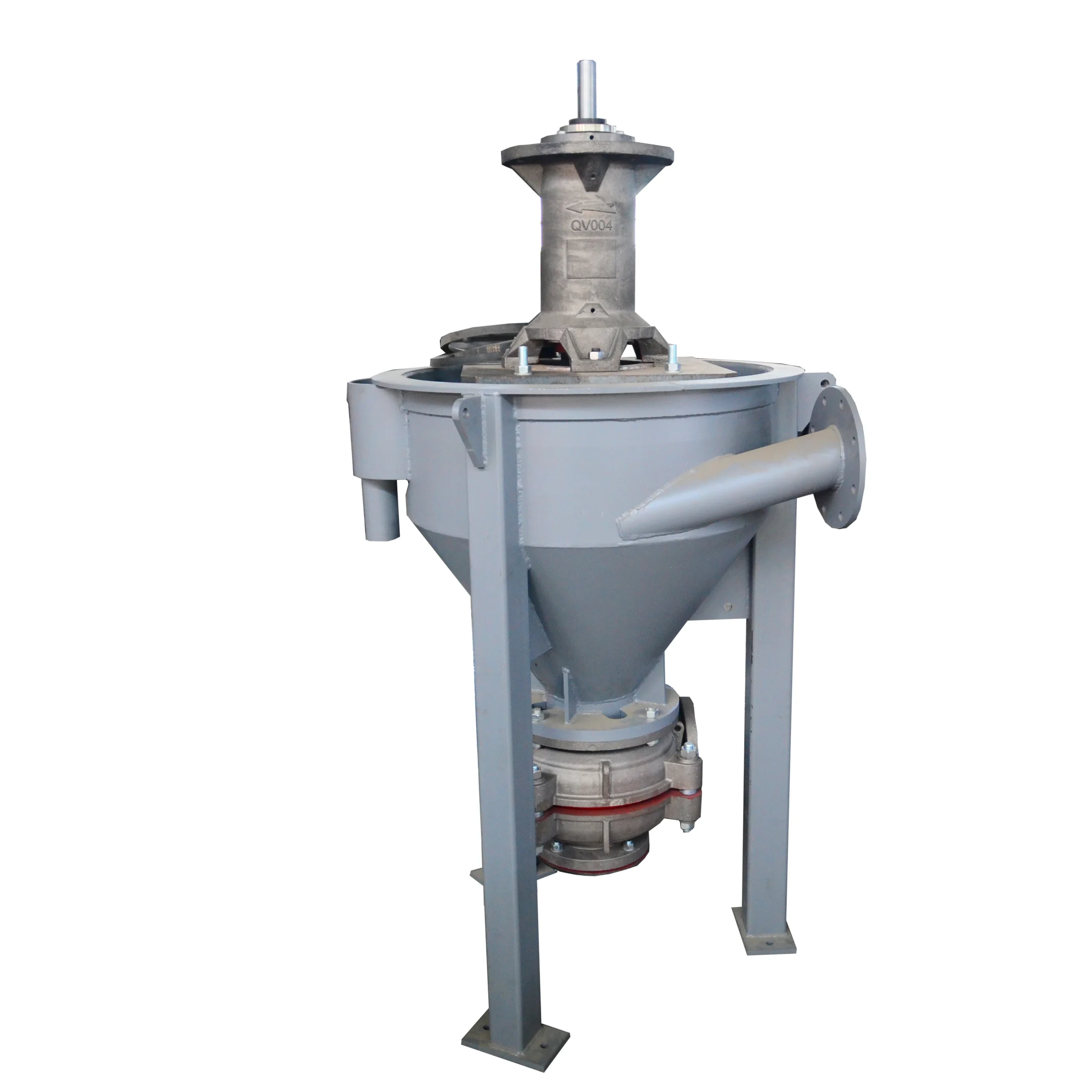
A warman compatible slurry pump is a heavy-duty centrifugal pump specifically designed for handling fluids containing high concentrations of solid particles. Unlike standard water pumps, these pumps are built with robust materials and internal designs to resist abrasion, erosion, and corrosion caused by the slurry. They are characterized by their ability to maintain efficiency even when pumping highly viscous and abrasive mixtures.
The connection to modern industry and humanitarian needs stems from the critical role these pumps play in resource extraction, infrastructure development, and environmental protection. Mining operations rely on them for ore processing; construction projects need them for managing excavated materials; and wastewater treatment plants depend on them for purifying water and protecting public health.
Essentially, a warman compatible slurry pump isn’t just a pump; it’s an integral part of the process, enabling industries to operate efficiently and sustainably in challenging environments. Their ability to handle demanding fluids makes them indispensable in applications where failure isn’t an option.
Core Components of warman compatible slurry pump
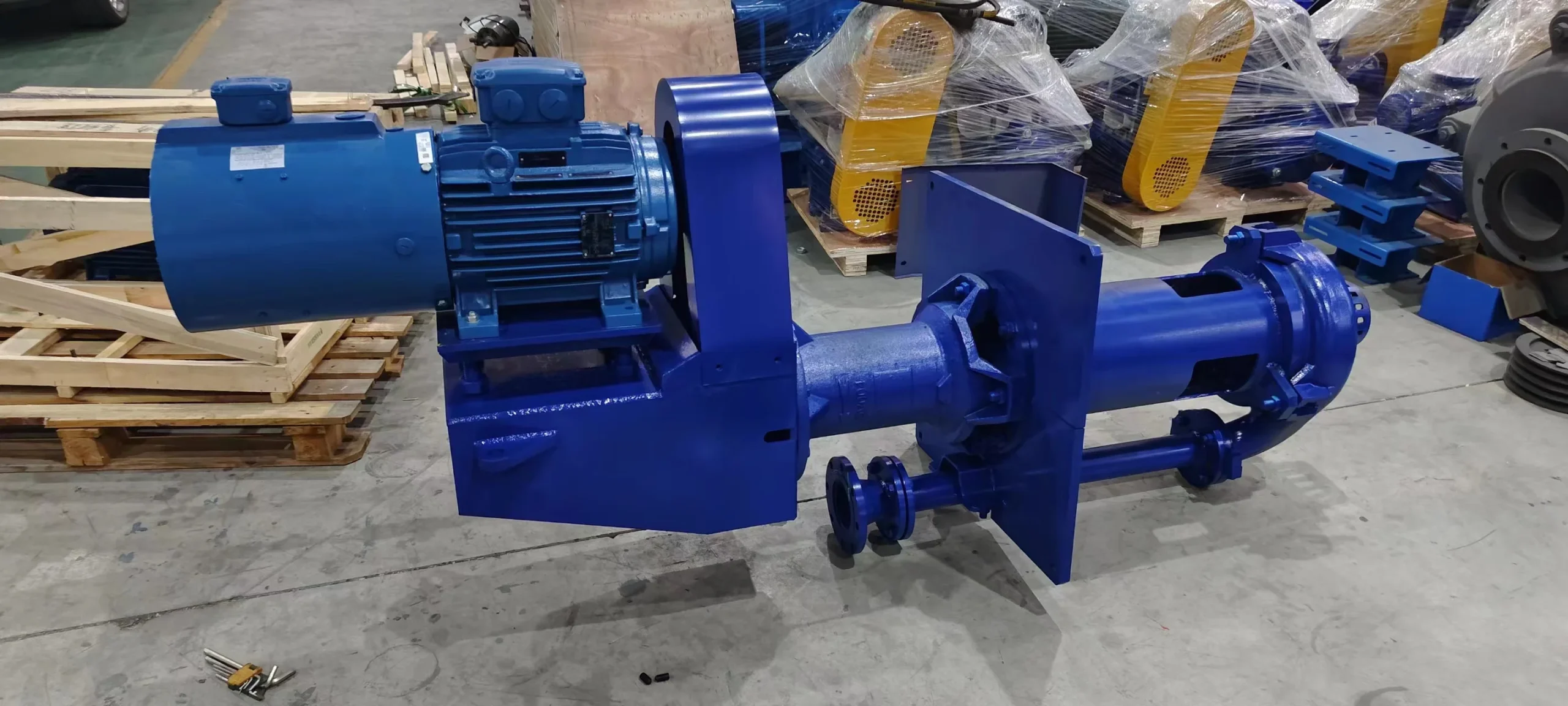
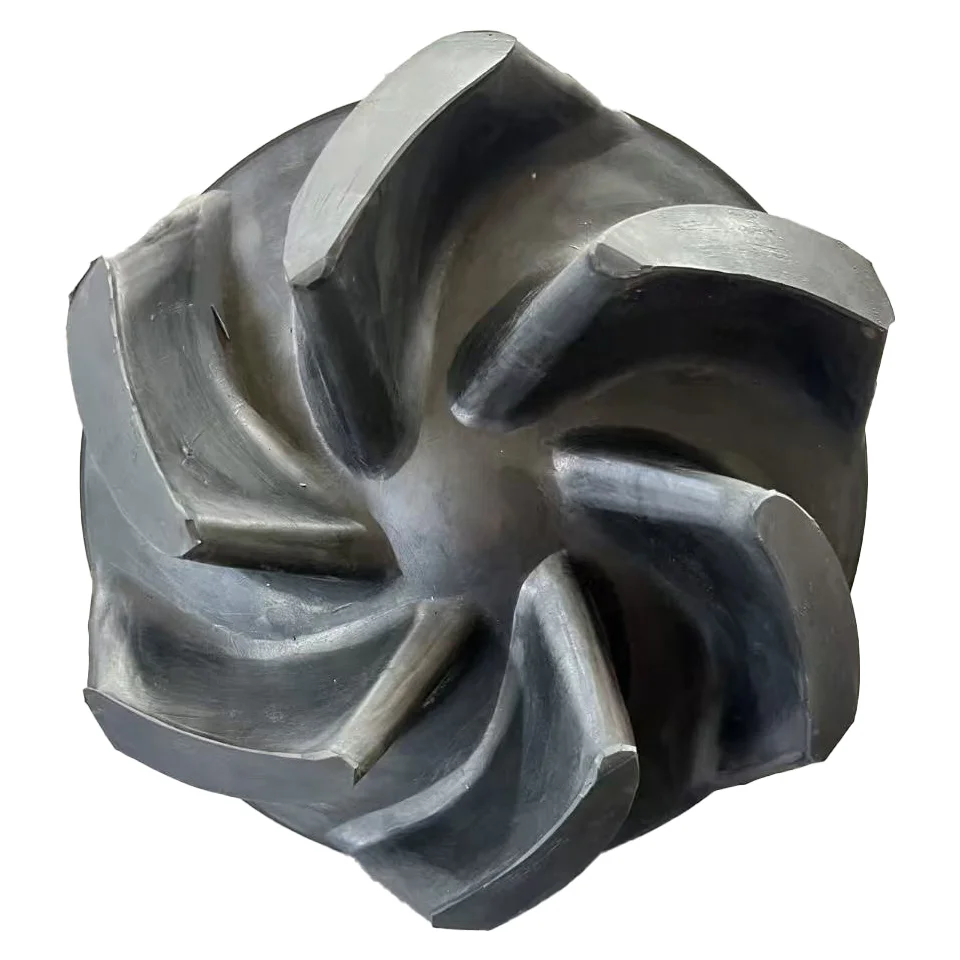
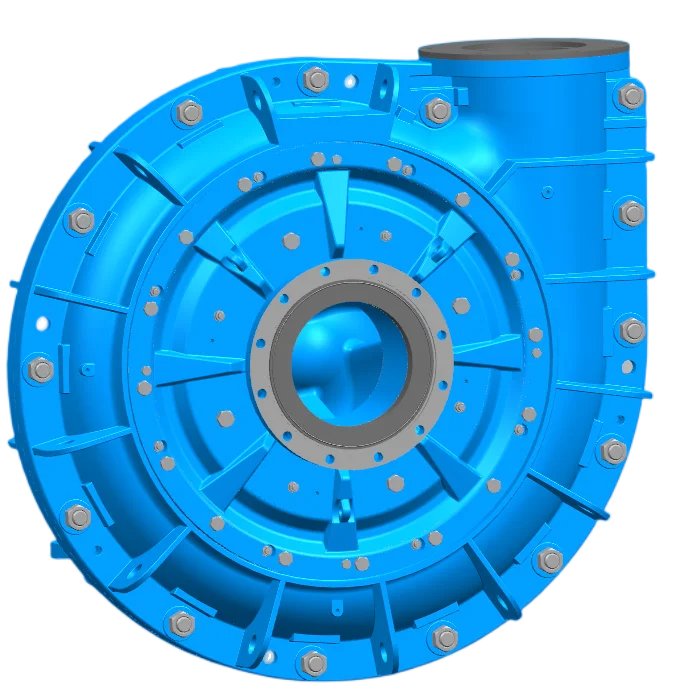
The performance and durability of a warman compatible slurry pump are heavily reliant on its key components. These include the impeller, which creates the centrifugal force necessary to move the slurry; the volute casing, which collects and directs the fluid flow; and the mechanical seal, which prevents leakage. The materials used in these components—often high-chrome alloys, rubber linings, or ceramics—are carefully selected to withstand abrasion and corrosion.
Another vital component is the bearing assembly, which supports the shaft and ensures smooth rotation. Robust bearings are essential to handle the radial and axial loads generated by the slurry. Finally, the drive system (motor and coupling) must be properly sized and protected to provide reliable power transmission. The selection of the correct combination of these components determines the pump’s suitability for a specific application and slurry type.
Furthermore, the design of the pump’s suction and discharge pipelines is crucial for optimizing performance. Proper pipe sizing and configuration can minimize head loss and prevent clogging, ensuring efficient slurry transport. The correct selection of pipe material to resist abrasion also contributes to the overall longevity and efficiency of the system.
Key Factors Influencing Performance
Several key factors significantly influence the performance of a warman compatible slurry pump. These include the slurry’s solid concentration, particle size, and composition, as well as the pump’s operating speed, impeller diameter, and casing design. Understanding these factors is vital for selecting the right pump for a specific application and optimizing its performance.
For example, a higher solid concentration requires a pump with a larger impeller passage to prevent clogging. Larger particle sizes necessitate the use of more abrasion-resistant materials. The pump’s operating speed affects both its flow rate and head, and must be carefully matched to the system requirements.
Performance Comparison of warman compatible slurry pump Configurations
Global Applications and Use Cases
warman compatible slurry pumps are indispensable across a wide range of industries and geographical locations. In mining operations across Australia, South America, and Africa, they are used to transport ore slurries from the mine site to the processing plant. In wastewater treatment facilities in Europe and North America, they handle sludge and grit effectively.
Dredging projects worldwide, from maintaining shipping channels to reclaiming land, rely heavily on these pumps to move sand, gravel, and silt. In the power generation sector, they are utilized to manage fly ash, a byproduct of coal combustion, ensuring environmentally responsible waste disposal. In post-disaster relief operations, portable warman compatible slurry pumps are crucial for quickly removing debris and contaminated water, aiding in recovery efforts.
Furthermore, in remote industrial zones, where access to maintenance and replacement parts can be challenging, the reliability and longevity of these pumps are particularly valued. They provide a dependable solution for handling abrasive slurries in demanding environments.
Advantages and Long-Term Value
The advantages of utilizing warman compatible slurry pumps extend far beyond their initial cost. The most significant benefit is their exceptional durability, resulting in reduced maintenance requirements and extended operational lifespan. This translates to lower total cost of ownership compared to less robust alternatives.
From a sustainability perspective, the reduced need for frequent replacements minimizes waste and conserves resources. The efficiency of these pumps also contributes to energy savings, further reducing environmental impact. The reliability of the pumps ensures consistent operation, enhancing productivity and minimizing costly downtime, delivering substantial long-term value.
Future Trends and Innovations
The future of warman compatible slurry pump technology is focused on enhancing efficiency, reducing environmental impact, and incorporating smart technologies. Emerging trends include the development of new materials with even greater abrasion resistance, such as advanced ceramics and composite materials. Innovations in impeller design are aimed at improving hydraulic performance and reducing energy consumption.
Digitalization is also playing a significant role, with the integration of sensors and data analytics enabling predictive maintenance and optimized pump operation. Remote monitoring and control systems allow operators to proactively address potential issues, minimizing downtime and maximizing efficiency. The drive toward more sustainable solutions is also pushing the development of pumps with lower energy footprints and reduced water consumption.
Challenges and Solutions
Despite their advantages, warman compatible slurry pumps face certain challenges. Clogging, especially with highly viscous or fibrous slurries, remains a common issue. Cavitation, caused by low suction pressure, can also damage the impeller and reduce pump efficiency. Abrasive wear, while mitigated by robust materials, still requires periodic inspection and component replacement.
Solutions to these challenges include optimizing pump design to minimize clogging potential, implementing robust suction piping configurations to prevent cavitation, and utilizing advanced wear-resistant materials. Predictive maintenance programs, powered by data analytics, can identify potential issues before they lead to failure.
Regular inspection and maintenance schedules, coupled with the use of high-quality replacement parts – such as those from a reputable warman compatible slurry pump supplier – are crucial for ensuring the long-term reliability and performance of these pumps.
Summary of Challenges and Solutions for warman compatible slurry pump
| Challenge | Impact on Performance | Potential Solution | Cost of Implementation (1-10) |
|---|
| Clogging | Reduced flow rate, increased energy consumption | Impeller design optimization, strainer installation | 3 |
| Cavitation | Impeller damage, reduced efficiency | Improved suction piping design, NPSH optimization | 5 |
| Abrasive Wear | Reduced pump lifespan, increased maintenance | Hardened materials, wear-resistant coatings | 6 |
| Mechanical Seal Failure | Leakage, reduced efficiency | Advanced seal materials, proper installation | 4 |
| Corrosion | Material degradation, reduced lifespan | Corrosion-resistant alloys, protective coatings | 7 |
| Inefficient Operation | High energy consumption, increased costs | Pump performance monitoring, impeller trimming | 2 |
FAQS
The lifespan of a warman compatible slurry pump varies greatly depending on the application, the abrasiveness of the slurry, and maintenance practices. However, with proper care and the use of high-quality materials, a well-maintained pump can often operate reliably for 5-10 years, or even longer in less demanding applications. Regular inspections and timely replacement of wear parts are crucial for maximizing lifespan. Selecting the right materials for the slurry is also key.
These pumps are designed for handling a wide variety of abrasive and corrosive slurries, including those containing sand, gravel, coal, ore, wastewater sludge, chemicals, and mining tailings. They are particularly effective in applications where the slurry contains high concentrations of solids or large particle sizes. The pumps can be customized with different materials and impeller designs to optimize performance for specific slurry types.
Selecting the correct pump size involves considering several factors, including the flow rate, head (pressure), slurry density, solid concentration, and particle size. It's important to accurately determine these parameters and consult with a pump specialist to ensure the pump is properly sized for the application. Undersized pumps will struggle to meet demand, while oversized pumps will operate inefficiently.
Regular maintenance is critical for extending the lifespan and ensuring the reliable operation of a slurry pump. This includes routine inspections for wear, lubrication of bearings, monitoring of seal performance, and periodic replacement of wear parts such as the impeller, liner, and seals. A preventative maintenance program can help identify potential issues before they lead to costly downtime.
While handling abrasive slurries inherently requires energy, modern warman compatible slurry pumps are designed with efficiency in mind. Optimizing impeller design, reducing internal friction, and utilizing variable frequency drives (VFDs) can significantly improve energy efficiency. Selecting a pump that is properly sized for the application is also crucial for minimizing energy consumption.
Finding a reputable supplier is essential for ensuring you receive a high-quality pump and ongoing support. Look for suppliers with a proven track record, experienced engineers, and a commitment to customer service. Quality Slurry Pump provides a range of warman compatible pumps and reliable support.
Conclusion
In conclusion, warman compatible slurry pumps are essential components in a wide range of industries, offering a reliable and efficient solution for handling abrasive and corrosive materials. Their robust construction, versatile design, and long-term value make them an indispensable asset for operations globally. Understanding the key factors influencing their performance, as well as emerging trends and challenges, is crucial for maximizing their effectiveness.
Looking ahead, continued innovation in materials, design, and digitalization will further enhance the capabilities of these pumps, driving greater efficiency, sustainability, and operational reliability. By investing in high-quality pumps and implementing proactive maintenance programs, industries can ensure the long-term success of their operations and minimize their environmental impact. Visit our website at www.qualityslurrypump.com to learn more about our range of warman compatible slurry pump solutions.