Look, I've been running around construction sites for fifteen years, seen a lot of things come and go. These days, everyone’s talking about prefabrication, modular designs, and getting things off-site. It’s not new, honestly, but the pressure to speed things up and control costs… well, it’s made it a real focus. They’re pushing for more automation too, you know, robots welding, 3D-printed components. Seems fancy, but a robot can’t tell you if the concrete mix is right just by looking at it. That’s the thing, right?
Have you noticed how everyone wants "smart" everything now? Smart pumps, smart valves, smart slurry transfer systems... They're all promising the world, but half the time, the guys on site just want something that works reliably. Don’t get me wrong, data’s good, but a flashing screen doesn’t unblock a pipe.
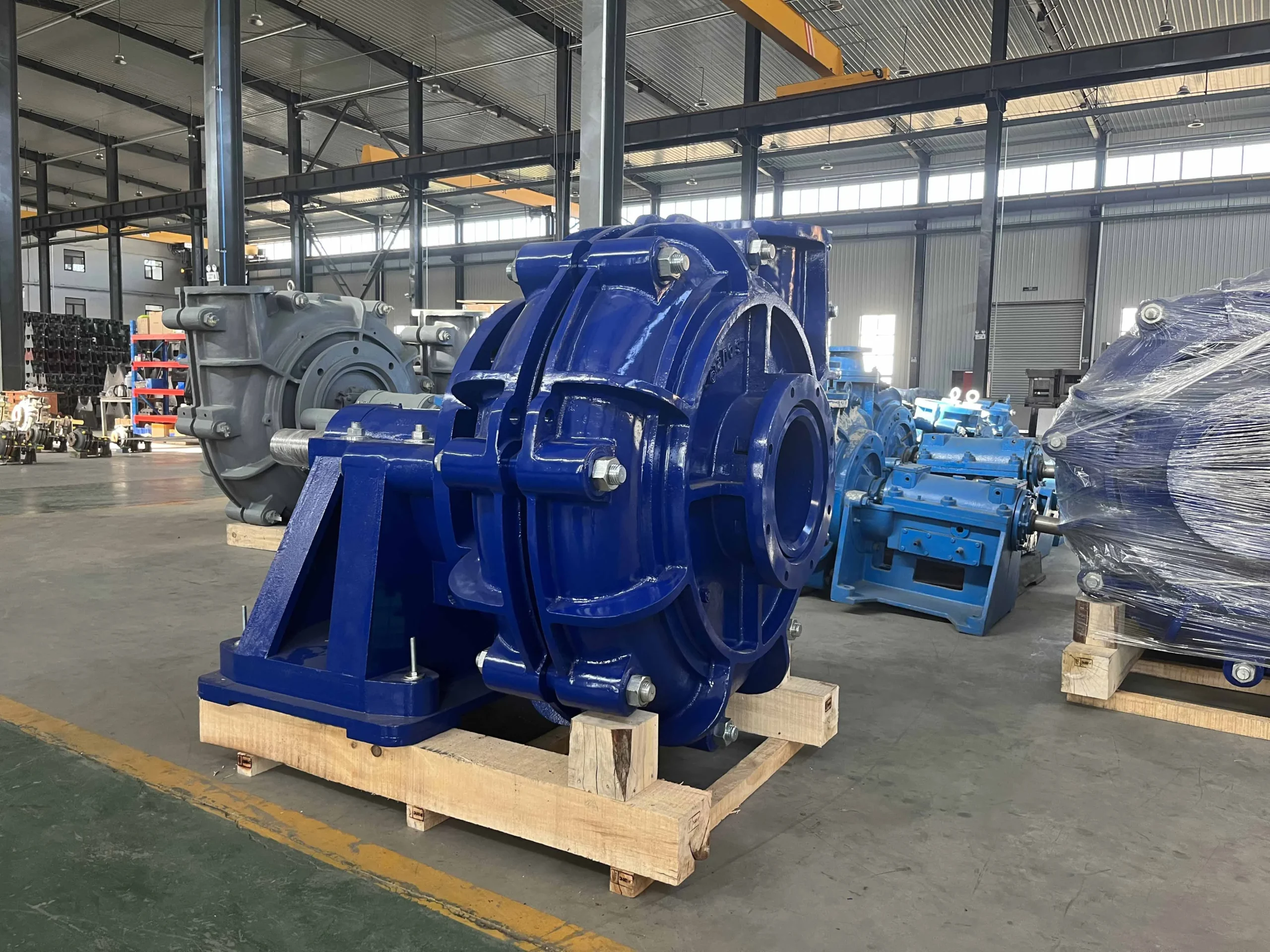
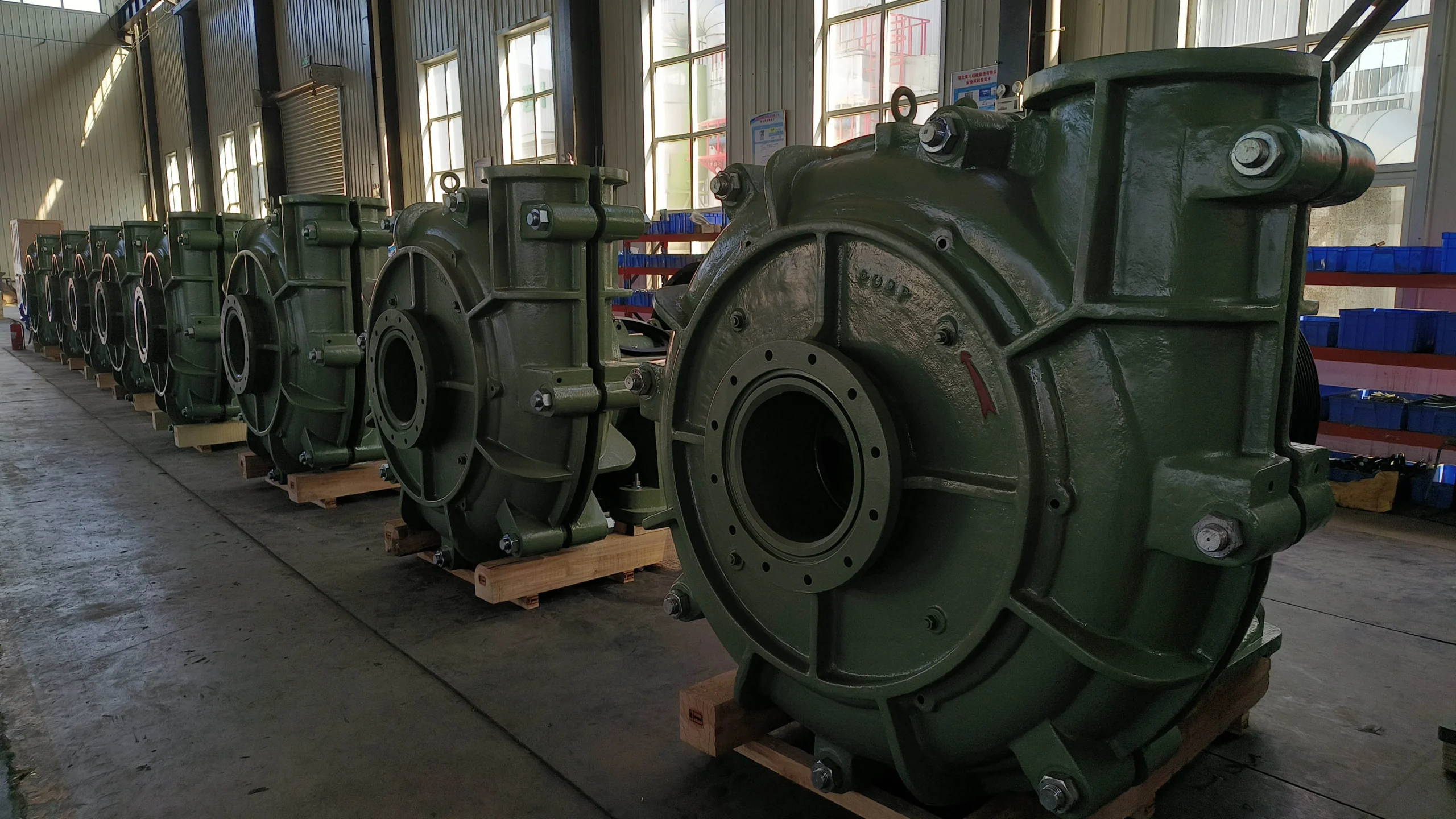
And frankly, the biggest headache I'm seeing right now is everyone trying to reinvent the wheel when it comes to horizontal slurry pump systems. They’ll chase the latest material, the most efficient impeller, the smallest footprint... and forget about the basics.
-20260417012533-scaled.webp "AH(1)")
The Current Landscape of Horizontal Slurry Pump Technology
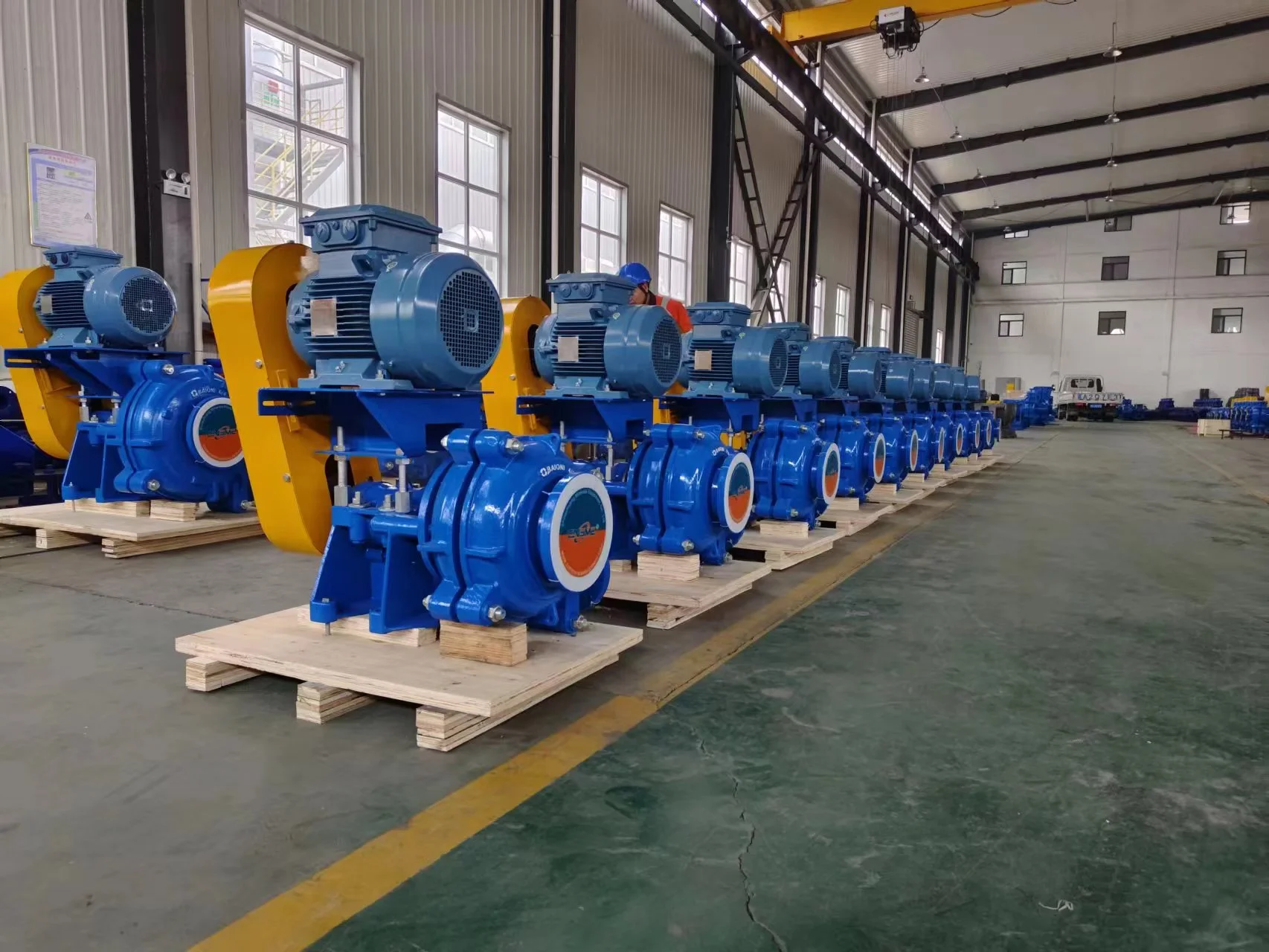
To be honest, the market’s flooded. Everybody and their brother are making a horizontal slurry pump. The big players are still dominating, of course, but you've got a ton of smaller companies popping up, especially in China. They’re really driving down the price, which is good in some ways, but quality can be… inconsistent, to put it mildly. I encountered this at a copper mine in Zambia last time; they went with the cheapest option and ended up replacing the pump every six months. Cost them more in the long run, obviously.
Strangely enough, there’s a lot of interest in variable frequency drives (VFDs) right now for better control and energy savings. Makes sense, but the guys installing them need to understand how to tune them properly, or you end up with cavitation and a whole different set of problems.
Common Design Pitfalls in Horizontal Slurry Pump Selection
I see the same mistakes over and over. People underestimating the solids content of the slurry is a big one. They’ll pick a pump that’s rated for, say, 5% solids, and then feed it 10%. It’ll run for a bit, then start choking. Then you've got impeller erosion—they'll choose a fancy, high-efficiency impeller that just gets eaten alive by abrasive particles. A simpler, more robust design often lasts longer.
Another one? Ignoring the suction lift. You can't just stick a pump at the bottom of a pit and expect it to pull the slurry up 20 feet. You need to calculate the net positive suction head (NPSH) and make sure the pump can handle it. I've seen entire systems fail because of that simple oversight.
And then there's shaft alignment. It seems basic, but getting it wrong leads to premature bearing failure. You’d be surprised how often that happens.
Materials Used in Horizontal Slurry Pump Construction
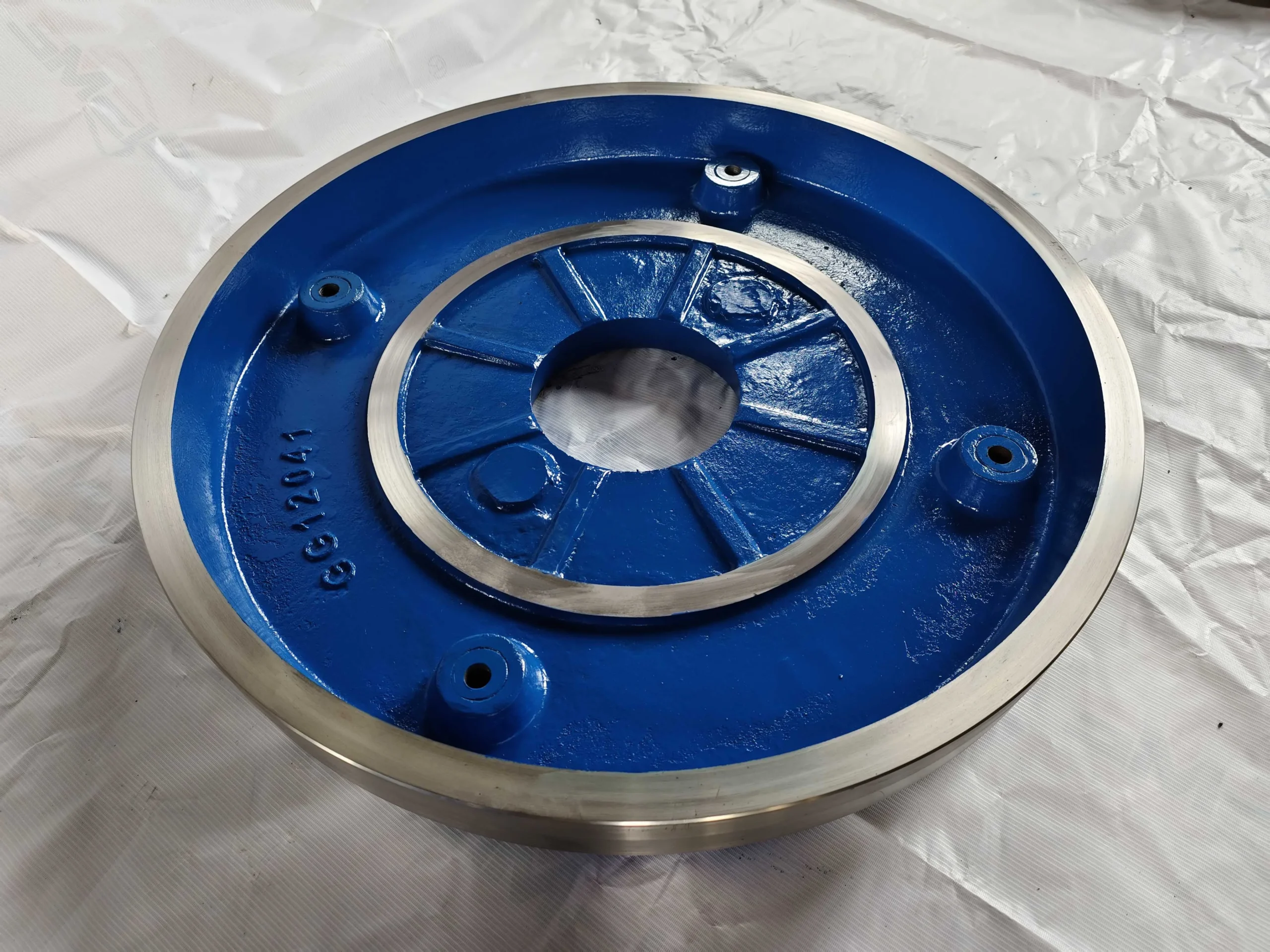
Now, materials… that’s a whole discussion. Cast iron is still the workhorse, dependable and relatively cheap. Smells like a machine shop, you know? You can tell a good cast iron by the weight of it. But for really abrasive slurries, you need something tougher. High-chrome iron is popular, but it’s brittle. White iron is even harder, but it’s also more prone to cracking.
Rubber linings are great for corrosion resistance, but they don’t hold up well to impact. Polyurethane is getting a lot of attention now; it’s more abrasion-resistant than rubber, but more expensive. I saw a pilot project using ceramic linings in a tailings pond a while back. Looked promising, but it’s still early days. It felt… smooth, almost glassy.
And don't forget the seals! Mechanical seals are the standard, but choosing the right materials for the fluid being pumped is crucial. You get a leak, and you've got a mess, and potentially a safety hazard. Anyway, I think proper material selection is 80% of a successful pump installation.
Real-World Testing and Performance Evaluation
Lab tests are fine, but they don’t tell the whole story. I’m a big believer in on-site testing. I want to see the pump running under actual conditions, handling the actual slurry. We'll measure flow rates, pressures, power consumption, and wear rates. We'll even listen to the pump—you can often tell if something’s wrong just by the sound.
We also do a lot of visual inspections. Checking for leaks, erosion, corrosion, and general wear and tear. We’ll take slurry samples and analyze them to see what’s causing the problems. Sometimes it’s not the pump itself, but the slurry composition that’s the issue.
Horizontal Slurry Pump Performance Metrics
Actual User Applications and Unexpected Uses
Mining is the obvious one, right? Moving tailings, processing ore. But we've seen these pumps used in wastewater treatment plants, chemical processing, even food processing! I once saw a guy using one to pump… well, let’s just say it was a very thick, organic material. Didn't smell great, but it worked.
They're also surprisingly popular in dredging applications. Keeping waterways clear, removing sediment… that sort of thing. You wouldn't think it, but a well-maintained horizontal slurry pump can handle a lot of abuse.
Advantages and Disadvantages of Horizontal Slurry Pumps
The biggest advantage? Simplicity. Fewer parts, easier to maintain, generally more reliable than vertical pumps, in my experience. They're also easier to access for repairs. You don't need to pull the whole system apart to get to the impeller.
But they take up more space, that's a downside. And they’re not ideal for deep-well applications. Plus, the stuffing box is more prone to leakage than a submersible pump. Look, no pump is perfect. It all depends on the application.
Honestly, they are sometimes overengineered for the job. People want a massive pump for a simple task, wasting money on something they don’t need.
Customization Options and Practical Examples
You can customize pretty much anything. Impeller material, shaft seals, casing liners… you name it. Last month, that small boss in Shenzhen who makes smart home devices insisted on changing the interface to , and the result was a huge headache trying to integrate it with their existing system. He thought it looked "modern." Honestly.
We once built a pump with a special coating to handle a highly corrosive slurry. Took a lot of testing, but it solved their problem. And we’ve done a lot of work with variable-speed drives to optimize energy consumption. The key is understanding the customer's specific needs and tailoring the pump to fit.
We can also modify the suction and discharge configurations to fit existing piping systems. Sometimes it’s just a matter of a few flanges and elbows, but it can make a big difference.
Summary of Horizontal Slurry Pump Customization Options
| Customization Aspect | Typical Materials/Options | Application Scenario | Cost Impact (Low/Med/High) |
|---|
| Impeller Material | High-Chrome Iron, White Iron, Rubber, Polyurethane | Highly Abrasive Slurries | Med |
| Shaft Seal | Mechanical Seal, Packing | Corrosive or Abrasive Fluids | Low |
| Casing Liner | Rubber, Polyurethane, Ceramic | Corrosion Resistance | Med |
| Suction/Discharge Configuration | Flanges, Elbows, Adapters | Existing Piping Systems | Low |
| Drive System | Variable Frequency Drive (VFD) | Energy Optimization | High |
| Coating | Epoxy, Ceramic | Corrosive Environments | Med |
FAQS
Determining the correct size is a balancing act. You need to consider the slurry's specific gravity, viscosity, solids content, flow rate, and head. Don't rely solely on pump curves; factor in system losses and potential variations in the slurry. It's best to consult with an experienced engineer—trust me, undersizing is a disaster, and oversizing wastes energy and money.
Ideally, you should do a visual inspection daily – listen for unusual noises, check for leaks, and monitor bearing temperatures. Then, a more thorough inspection – checking impeller wear, seal condition, and alignment – should be done monthly. Regular maintenance prevents catastrophic failures and extends the pump’s lifespan.
Cavitation happens when the pressure drops too low, forming vapor bubbles that collapse and damage the impeller. Common causes include insufficient NPSH, high suction lift, clogged suction lines, or running the pump at too high a speed. Addressing these issues prevents costly repairs.
They can, but material selection is key. High-chrome iron or hard metal alloys are essential for abrasive slurries. Also, consider using wear-resistant liners and seals. Regular inspection and replacement of worn parts are crucial to minimize downtime and maintain efficiency.
A cantilever pump has the impeller supported on one side, making it suitable for handling large solids. Non-cantilever pumps have support on both sides, offering better stability for cleaner fluids. The choice depends entirely on the slurry characteristics and application requirements.
Yes, hydraulic modeling and advanced impeller designs are constantly improving efficiency. Also, the integration of variable frequency drives (VFDs) allows for precise flow control and energy savings. Furthermore, researchers are exploring new materials and coatings to enhance wear resistance and corrosion protection.
Conclusion
So, after all this, what does it boil down to? Horizontal slurry pumps are a workhorse, no doubt. But they're not magic. The right pump, properly sized, with the correct materials, and maintained diligently – that’s the key. It's about understanding the specifics of the application, not just chasing the latest trend.
Ultimately, whether this thing works or not, the worker will know the moment he tightens the screw. That’s the truth of it. If it runs smoothly, doesn’t vibrate, and keeps moving that slurry, then we've done our job. And if it doesn’t? Well, we go back to the drawing board. It's a constant process of learning and refining.