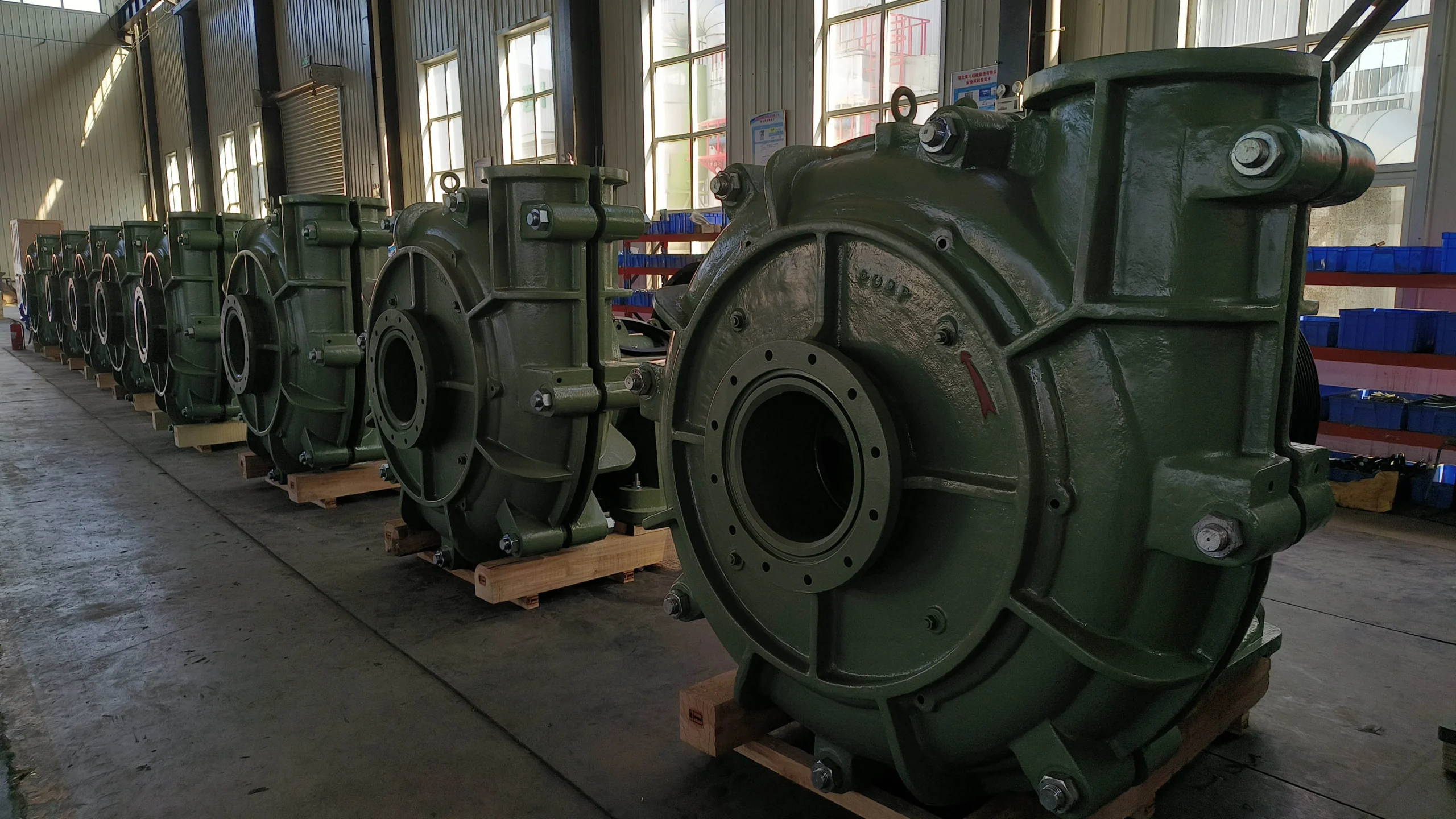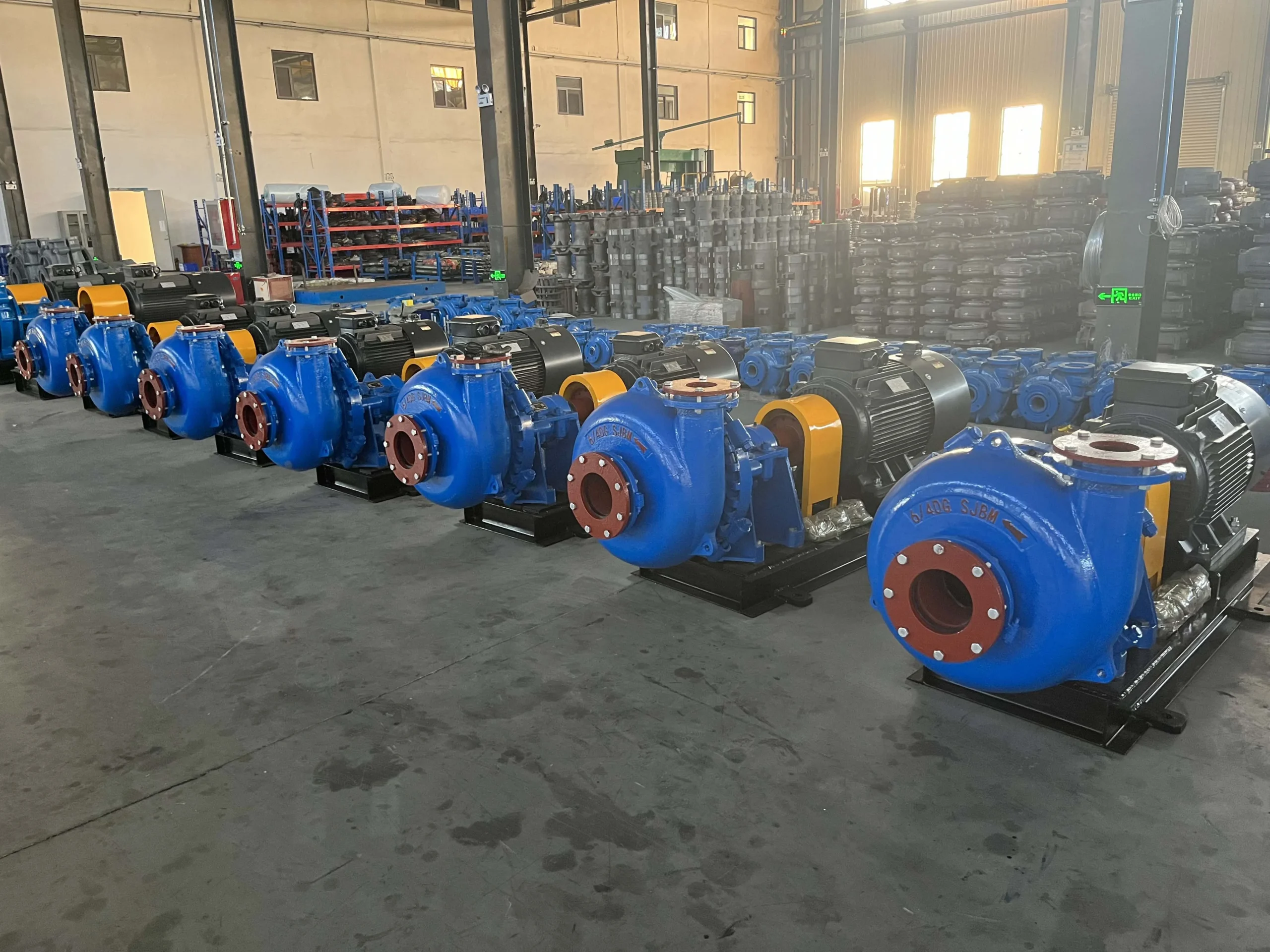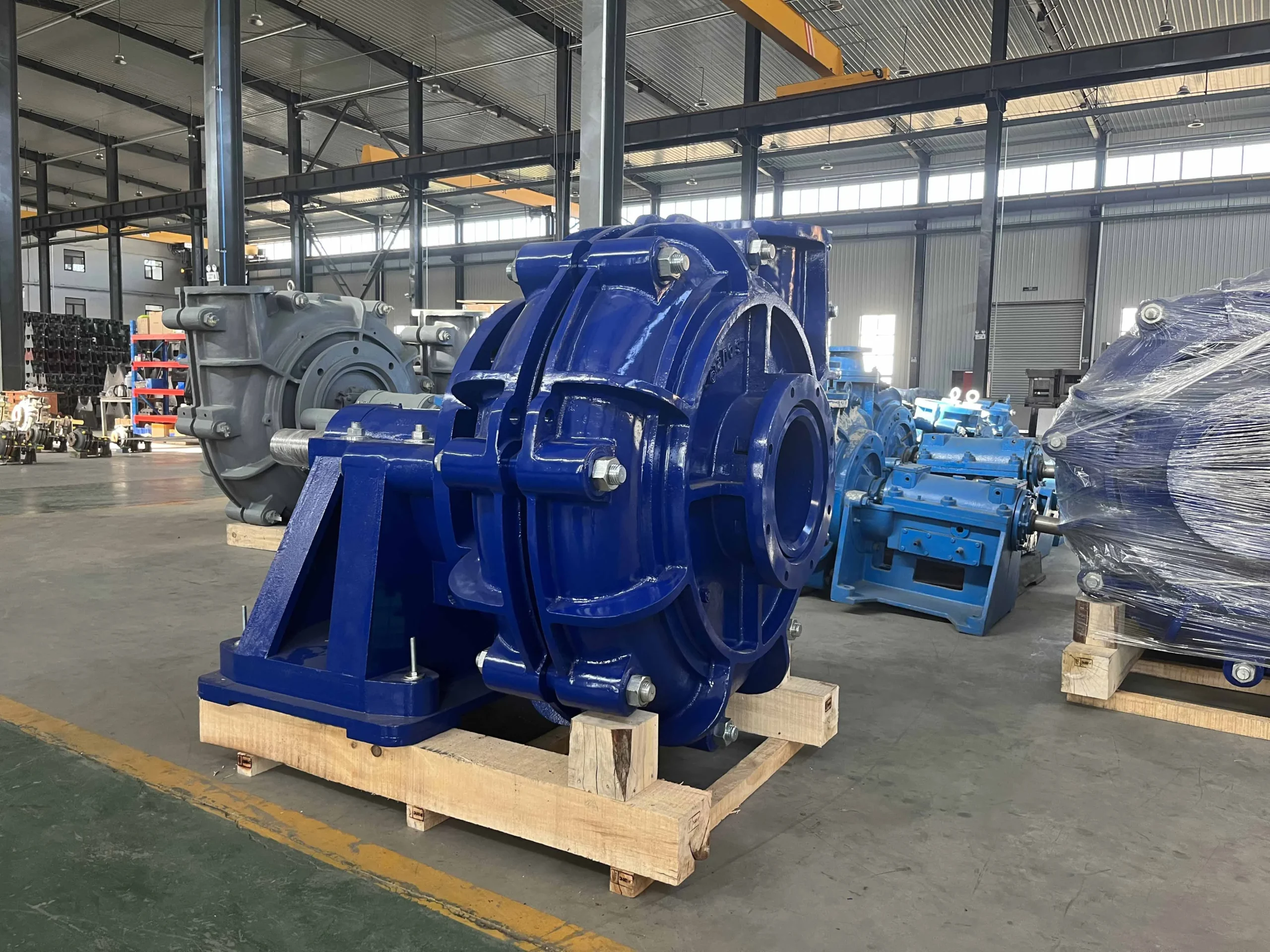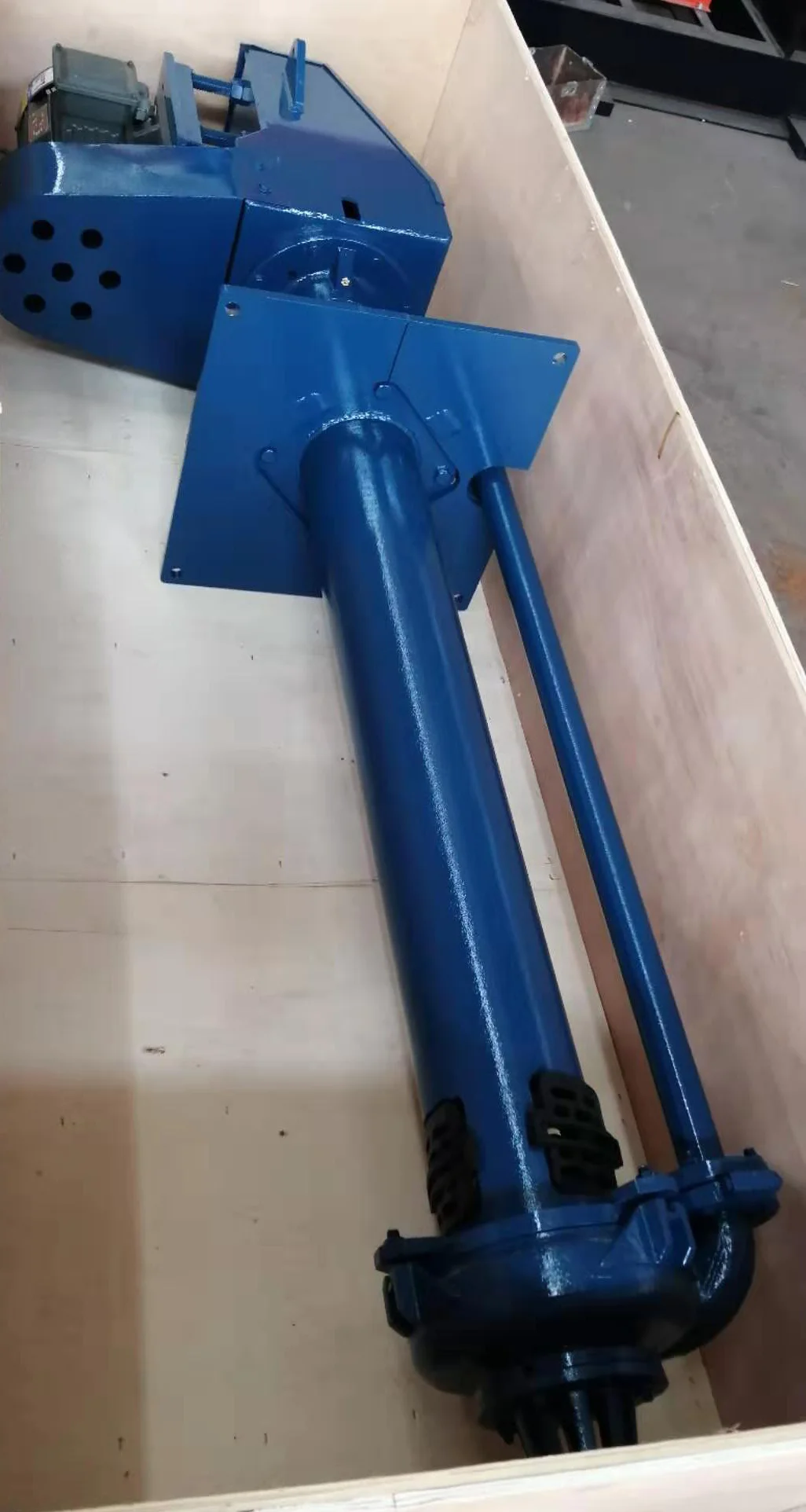
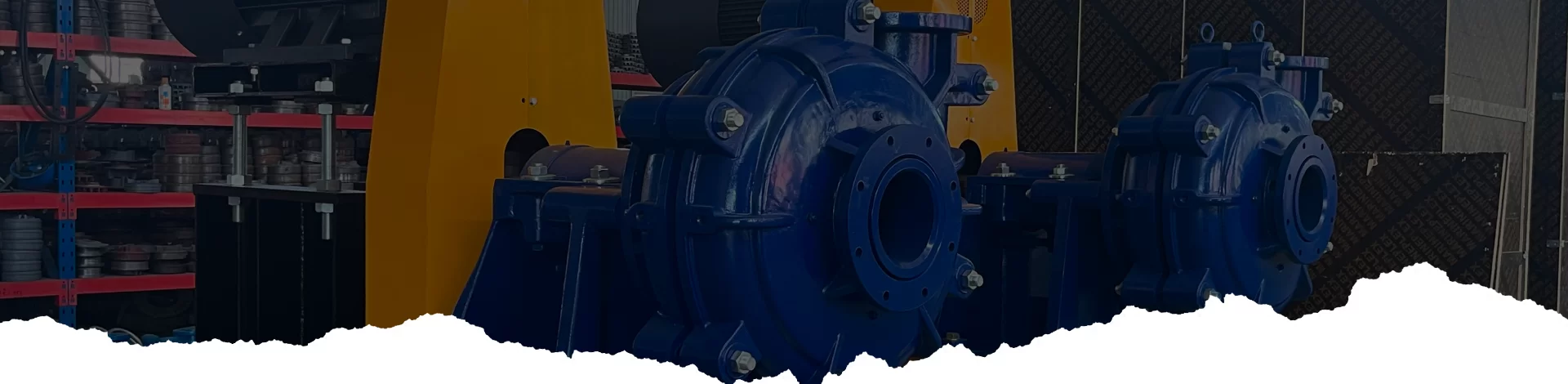
Slurry pump impeller factories are the backbone of numerous industries, from mining and wastewater treatment to agriculture and chemical processing. These facilities don’t just manufacture components; they engineer solutions to handle abrasive and corrosive materials, ensuring the efficient and reliable transport of slurries. The demand for robust and specialized impellers is globally increasing, driven by expanding infrastructure projects and stricter environmental regulations requiring effective waste management. Understanding the intricacies of slurry pump impeller factory operations, from material science to manufacturing processes, is crucial for optimizing performance and minimizing downtime in critical applications.
The global slurry pump market, and consequently the demand from slurry pump impeller factory operations, is experiencing significant growth. Market reports estimate a multi-billion dollar valuation with consistent expansion predicted over the next decade. This surge is fueled by infrastructural developments in emerging economies, particularly in Asia-Pacific, and the increasing need for efficient and sustainable resource management. ISO standards and stringent industry regulations emphasize the importance of high-quality impeller designs and manufacturing processes, requiring specialized expertise within slurry pump impeller factory settings.
Investing in innovative impeller designs and efficient slurry pump impeller factory processes directly translates to reduced energy consumption, lower maintenance costs, and enhanced operational safety. The ability to adapt to diverse slurry compositions and varying operating conditions is paramount, making skilled manufacturers vital partners for industries relying on consistent and dependable fluid handling. A well-managed slurry pump impeller factory isn't merely a supplier; it's a vital link in the overall operational success of its clients.

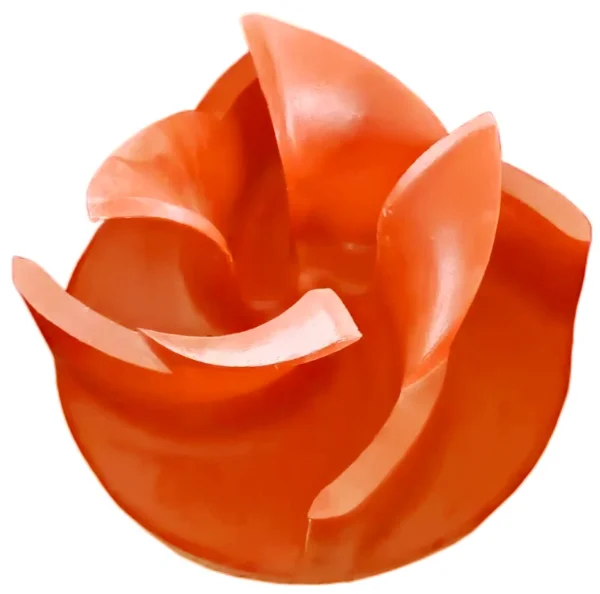
A slurry pump impeller factory specializes in the design, manufacture, and often the repair of impellers—the rotating component of a centrifugal pump responsible for imparting kinetic energy to the slurry. These factories typically handle a wide range of materials, from standard cast irons and steels to specialized alloys resistant to abrasion and corrosion, catering to diverse industry needs. slurry pump impeller factory operations are characterized by a focus on precision engineering and rigorous quality control.
The role of a slurry pump impeller factory extends beyond simply creating a physical component. Modern facilities often provide engineering support, materials consulting, and customization services to ensure optimal impeller performance within specific slurry applications. They are essential partners for industries requiring durable and efficient fluid handling solutions.
Lead times for custom slurry pump impellers can vary depending on the complexity of the design, material requirements, and current production workload. Generally, a standard custom order will take between 6-12 weeks from design confirmation to delivery. Expedited services are available, but they come at a premium cost. Factors influencing lead time include material sourcing and the extent of required machining and finishing processes.
For highly abrasive slurries, high chrome alloy is often the preferred material due to its exceptional wear resistance. Other suitable options include ceramic materials, rubber linings, and specialized stainless steels with hardened surfaces. The optimal material selection depends on the specific slurry composition, particle size distribution, and operating conditions. A careful assessment of these factors is crucial for maximizing impeller lifespan and minimizing downtime.
We employ a rigorous multi-stage quality control process throughout the entire manufacturing cycle. This includes material verification, dimensional inspection using CMM technology, non-destructive testing (NDT) methods like radiography and ultrasonic testing, and hydrostatic pressure testing. Each impeller is thoroughly inspected to ensure it meets or exceeds industry standards and customer specifications. We also maintain detailed traceability records for all materials and processes.
Yes, we provide comprehensive impeller repair services. Our skilled technicians can assess the damage, perform necessary repairs such as welding, machining, and re-coating, and restore the impeller to its original performance specifications. Repairing impellers is often a cost-effective alternative to replacing them, extending the lifespan of your slurry pump system and reducing downtime. We also offer emergency repair services for critical applications.
Absolutely. We have the capabilities to accurately reverse engineer existing slurry pump impellers. We utilize 3D scanning and precision measurement techniques to create a digital model of the impeller, allowing us to replicate it or make design improvements based on your requirements. This service is particularly valuable when original drawings are unavailable or when modifications are needed to optimize performance.
We accept a wide range of file formats for custom impeller designs, including STEP, IGES, DXF, and DWG. We also work with 2D drawings in PDF or TIFF format. Our engineering team can assist with file conversion if needed. We prioritize clear and detailed design specifications to ensure accurate manufacturing and optimal impeller performance.
In conclusion, slurry pump impeller factories are crucial components of numerous industries, providing specialized expertise in the design, manufacture, and repair of critical pump components. The ability to handle abrasive materials, optimize performance, and adapt to evolving industry needs is paramount. Investing in innovative materials, advanced manufacturing technologies, and skilled workforce development is essential for maintaining a competitive edge and ensuring the long-term reliability of slurry pump systems.
Looking ahead, the future of slurry pump impeller factory operations will be shaped by the increasing demand for sustainable practices, the adoption of digital technologies, and the ongoing pursuit of improved efficiency and durability. By embracing these trends, slurry pump impeller factory can continue to play a vital role in supporting critical infrastructure and driving innovation across a wide range of industries. For superior quality and specialized impeller solutions, visit our website: www.qualityslurrypump.com.

bscribe newslette