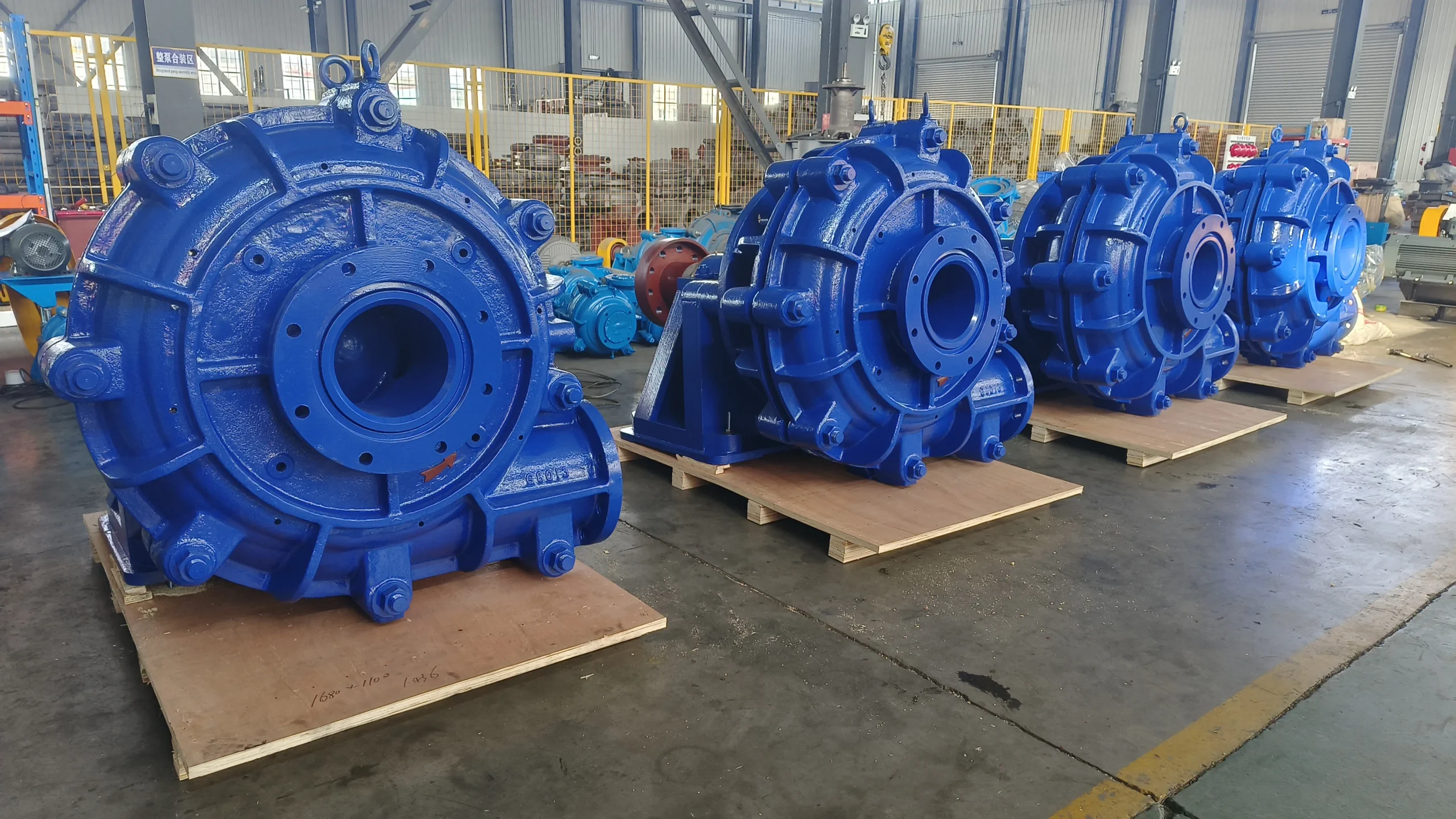
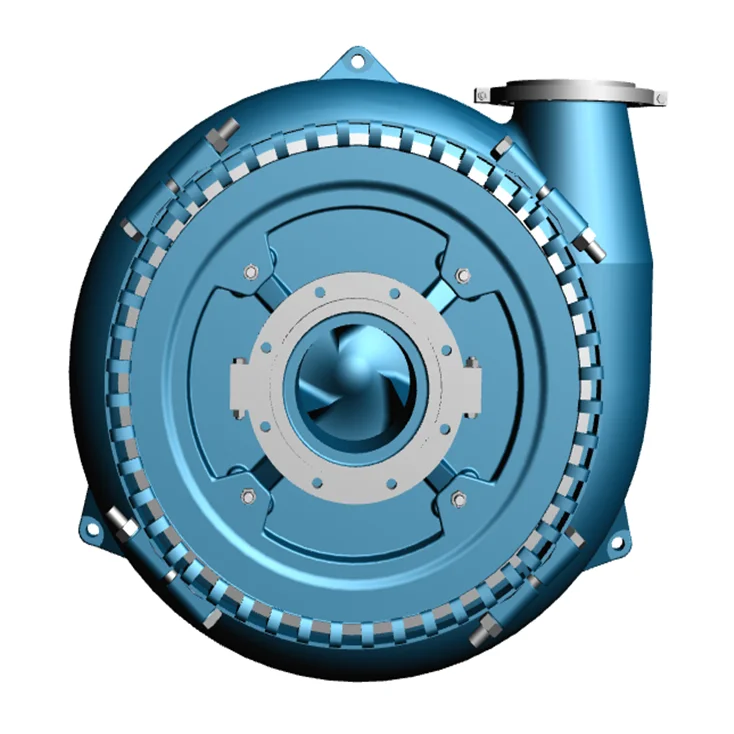
Slurry pump impeller manufacturers are critical components in a vast array of industrial processes, ensuring the efficient and reliable transport of abrasive and corrosive materials. The demand for high-quality impellers is globally significant, driven by industries like mining, wastewater treatment, oil and gas, and chemical processing. Advancements in materials science and impeller design continuously improve pump performance, reduce downtime, and lower operational costs, making reliable slurry pump impeller manufacturers indispensable to these sectors.
The global market for slurry pumps, and consequently, their impellers, is experiencing substantial growth, fueled by increasing industrialization in emerging economies and stricter environmental regulations that necessitate effective slurry management. According to a report by Market Research Future, the global slurry pump market is projected to reach USD 4.89 billion by 2030, registering a CAGR of 5.2% from 2022 to 2030. This growth underscores the importance of identifying and partnering with reputable slurry pump impeller manufacturers.
Understanding the nuances of impeller design and manufacturing is paramount for optimal pump performance and longevity. Choosing the correct impeller material, geometry, and construction is vital to withstand the harsh conditions inherent in slurry applications. The ability of a slurry pump impeller manufacturer to deliver customized solutions tailored to specific slurry characteristics and operating parameters is a key differentiator.
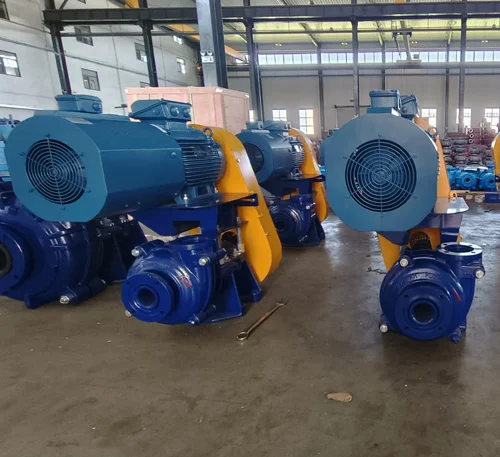
The Importance of Slurry Pump Impellers
The impeller is the heart of a slurry pump, responsible for generating the centrifugal force that moves the slurry. Its design directly impacts the pump’s efficiency, head, and flow rate. A poorly designed or manufactured impeller can lead to reduced performance, premature wear, and costly downtime. Therefore, selecting a reliable slurry pump impeller manufacturer is essential for maintaining operational efficiency.
The demanding nature of slurry applications—characterized by abrasive particles, corrosive fluids, and high pressures—necessitates impellers built to withstand extreme conditions. A skilled slurry pump impeller manufacturer understands these challenges and utilizes advanced manufacturing techniques and materials to produce durable and long-lasting impellers.
Defining Slurry Pump Impeller Manufacturing
Slurry pump impeller manufacturing encompasses the complete process of designing, producing, and testing impellers specifically for use in slurry pumps. This process starts with a thorough understanding of the slurry’s characteristics—particle size, concentration, corrosivity—and the pump’s operating conditions—flow rate, head, pressure. The manufacturer then selects the appropriate materials and employs specialized manufacturing techniques.
Modern slurry pump impeller manufacturing often incorporates advanced technologies such as 3D modeling, computational fluid dynamics (CFD) analysis, and precision casting. These techniques enable manufacturers to optimize impeller designs for specific applications, improving efficiency and reducing wear. The quality control processes implemented by a slurry pump impeller manufacturer are critical for ensuring consistent performance and reliability.
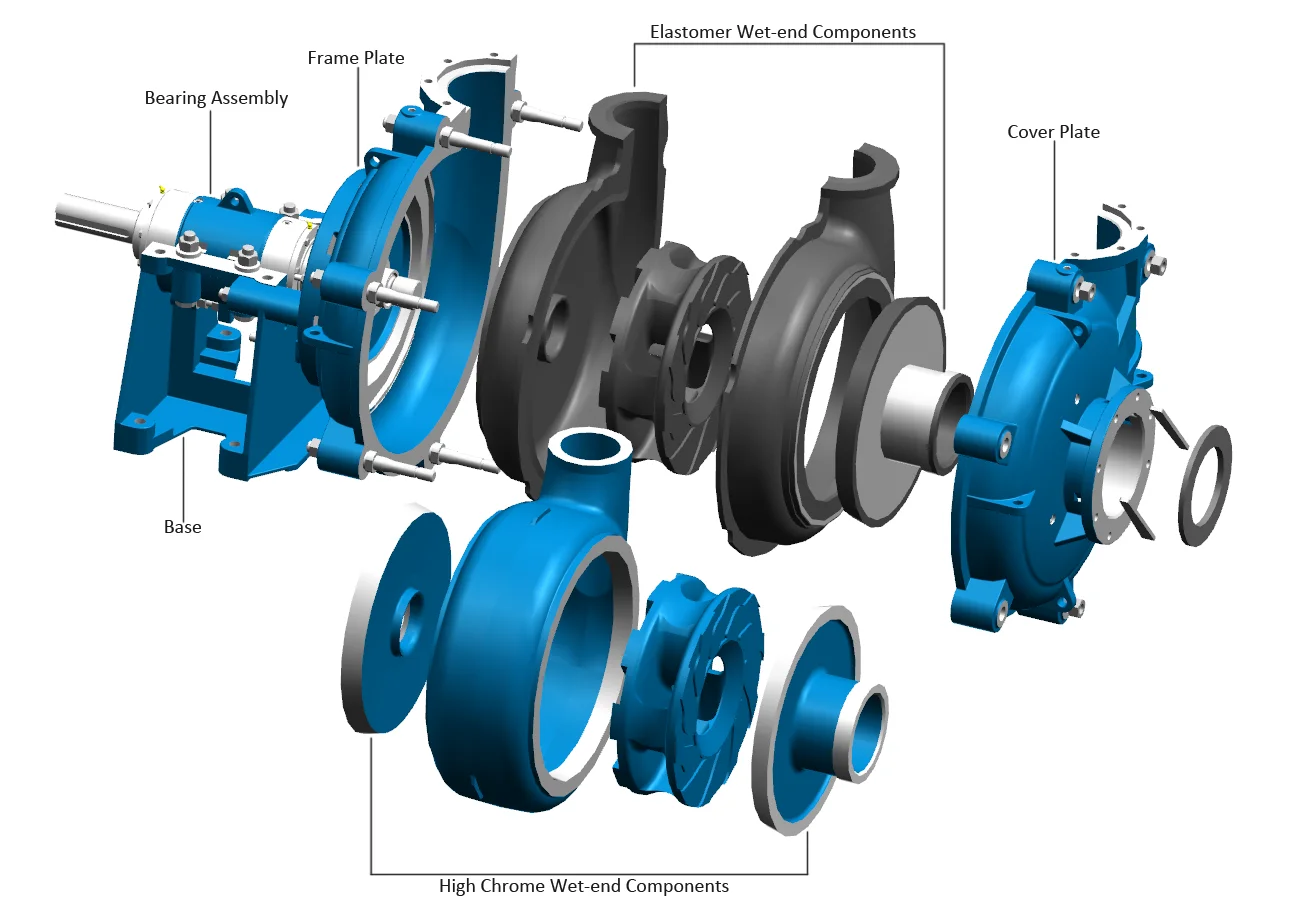
The process includes material selection (often high-chrome alloys, stainless steels, or specialized polymers), forming (casting, forging, or machining), heat treatment, and rigorous inspection. A reputable slurry pump impeller manufacturer will provide detailed material certifications and dimensional reports to ensure traceability and compliance with industry standards.
Key Factors in Impeller Design and Production
Several key factors influence the design and production of effective slurry pump impellers. These include impeller geometry (open, semi-open, or closed), vane angle, impeller diameter, and surface finish. Each of these factors affects the pump's performance characteristics and ability to handle different types of slurries.
Material selection is arguably the most critical factor. The impeller material must be resistant to both abrasion and corrosion, depending on the slurry composition. High-chrome alloys are commonly used for abrasive slurries, while stainless steels and specialized polymers are preferred for corrosive environments. A knowledgeable slurry pump impeller manufacturer will assist in selecting the optimal material for the application.
Manufacturing precision is also paramount. Dimensional accuracy and surface finish directly impact impeller efficiency and wear resistance. Utilizing advanced machining techniques and adhering to strict quality control standards are essential for producing high-performance impellers.
Impeller Materials and Their Applications
The choice of impeller material significantly impacts the pump’s lifespan and performance. Common materials include high-chrome alloys (for abrasive slurries), various grades of stainless steel (for corrosion resistance), and engineered polymers (for specialized applications). High-chrome alloys offer exceptional resistance to wear from solid particles, making them ideal for mining and dredging operations.
Stainless steels provide excellent corrosion resistance, making them suitable for handling acidic or alkaline slurries in chemical processing and wastewater treatment plants. Polymeric impellers are lightweight and offer good chemical resistance, but they typically have lower abrasion resistance compared to metal alloys. Selecting the correct material is a core competency of any skilled slurry pump impeller manufacturer.
Impeller Material Performance Comparison
Global Applications of Slurry Pump Impellers
Slurry pump impellers are indispensable across a broad spectrum of industries worldwide. In the mining sector, they facilitate the extraction and processing of ores, handling abrasive slurries containing rock fragments and minerals. Wastewater treatment plants rely on these impellers to manage sludge and other solid-laden waste streams.
The oil and gas industry utilizes slurry pumps with specialized impellers for transporting drilling muds and produced water. Chemical processing plants employ them for handling corrosive and abrasive chemicals. In post-disaster relief operations, portable slurry pumps equipped with durable impellers are often deployed to remove debris and manage floodwaters.
Advantages of Partnering with a Quality Manufacturer
Choosing a reputable slurry pump impeller manufacturer offers numerous advantages. These manufacturers possess in-depth knowledge of slurry characteristics and pump dynamics, enabling them to provide tailored solutions that optimize pump performance and minimize downtime. They also typically offer comprehensive after-sales support, including impeller repair and replacement services.
A commitment to quality control, adherence to industry standards (ISO certifications), and the use of advanced manufacturing technologies ensure the durability and reliability of the impellers. This translates to lower maintenance costs, increased operational efficiency, and a longer pump lifespan.
Effective communication, quick turnaround times, and the ability to customize impeller designs to specific application requirements are also hallmarks of a superior slurry pump impeller manufacturer.
Future Trends and Innovations in Impeller Technology
The future of slurry pump impeller technology is focused on enhancing efficiency, durability, and sustainability. Developments in materials science are leading to the creation of new alloys and composites that offer superior wear and corrosion resistance. Additive manufacturing (3D printing) is emerging as a promising technique for producing complex impeller geometries with optimized hydraulic performance.
Digital technologies, such as IoT sensors and data analytics, are being integrated into impeller designs to monitor performance, predict failures, and optimize maintenance schedules. Furthermore, there is a growing emphasis on developing eco-friendly impeller materials and manufacturing processes to reduce environmental impact.
These advancements will enable slurry pump impellers to operate more efficiently, last longer, and contribute to more sustainable industrial practices, driven by demand from innovative slurry pump impeller manufacturers.
Key Performance Indicators for Slurry Pump Impeller Evaluation
| Impeller Material | Abrasion Resistance (1-10) | Corrosion Resistance (1-10) | Cost (Relative Scale) |
|---|
| High-Chrome Alloy | 9 | 5 | Medium |
| 304 Stainless Steel | 6 | 7 | Medium-High |
| 410 Stainless Steel | 7 | 6 | Medium |
| Polyurethane | 5 | 8 | Low |
| Duplex Stainless Steel | 7 | 9 | High |
| Ceramic-Reinforced Alloy | 10 | 7 | Very High |
FAQS
The lifespan of a slurry pump impeller varies significantly depending on the slurry’s abrasiveness, corrosivity, and the impeller's material. Generally, high-chrome alloy impellers in abrasive slurries might last 6-18 months, while stainless steel impellers in corrosive environments could last 2-5 years. Regular inspections and timely replacements are crucial to prevent catastrophic failures and maintain pump efficiency. Partnering with a quality slurry pump impeller manufacturer ensures you receive durable and long-lasting components.
Selecting the appropriate impeller material requires a thorough understanding of the slurry’s properties. For highly abrasive slurries, high-chrome alloys are generally recommended. For corrosive slurries, stainless steels or specialized polymers are preferred. Factors like temperature, pressure, and the presence of specific chemicals also influence the material selection. Consulting with a skilled slurry pump impeller manufacturer can provide expert guidance tailored to your unique application.
Open impeller designs are particularly well-suited for handling slurries containing large solids or stringy materials, as they are less prone to clogging. They also offer better efficiency when dealing with low-viscosity slurries. However, open impellers typically have lower hydraulic efficiency compared to closed impellers. A slurry pump impeller manufacturer can help you determine if an open impeller is the best choice for your specific needs.
Look for a manufacturer with robust quality control procedures, including material certifications, dimensional inspections, non-destructive testing (NDT), and hydrotesting. ISO 9001 certification is a good indicator of a commitment to quality management. A reputable slurry pump impeller manufacturer will provide detailed documentation and traceability for all its products.
Depending on the extent of the damage, impellers can sometimes be repaired. Minor wear can be addressed through welding or machining. However, severely damaged impellers, especially those with cracks or significant erosion, should be replaced to ensure safe and reliable operation. Many slurry pump impeller manufacturers offer repair services, but a thorough assessment is crucial to determine if repair is feasible and cost-effective.
Lead times for custom-designed impellers vary depending on the complexity of the design, the material requirements, and the manufacturer’s current workload. Generally, custom impellers can take anywhere from 4 to 12 weeks to deliver. Discussing your project requirements with a slurry pump impeller manufacturer early in the process can help you establish a realistic timeline.
Conclusion
In conclusion, slurry pump impellers are critical components influencing the efficiency, reliability, and longevity of slurry pumping systems. Choosing the correct impeller material, design, and manufacturer is essential for optimizing performance and minimizing operational costs. By understanding the key factors involved in impeller selection and partnering with a reputable slurry pump impeller manufacturer, industries can ensure the smooth and efficient transport of abrasive and corrosive materials.
As technology continues to evolve, expect further advancements in impeller materials, manufacturing processes, and monitoring capabilities. Embracing these innovations will be crucial for addressing the growing demands of industries reliant on slurry pumping, and for creating more sustainable and efficient operations. For reliable and high-performance slurry pump impellers, visit our website: www.qualityslurrypump.com.