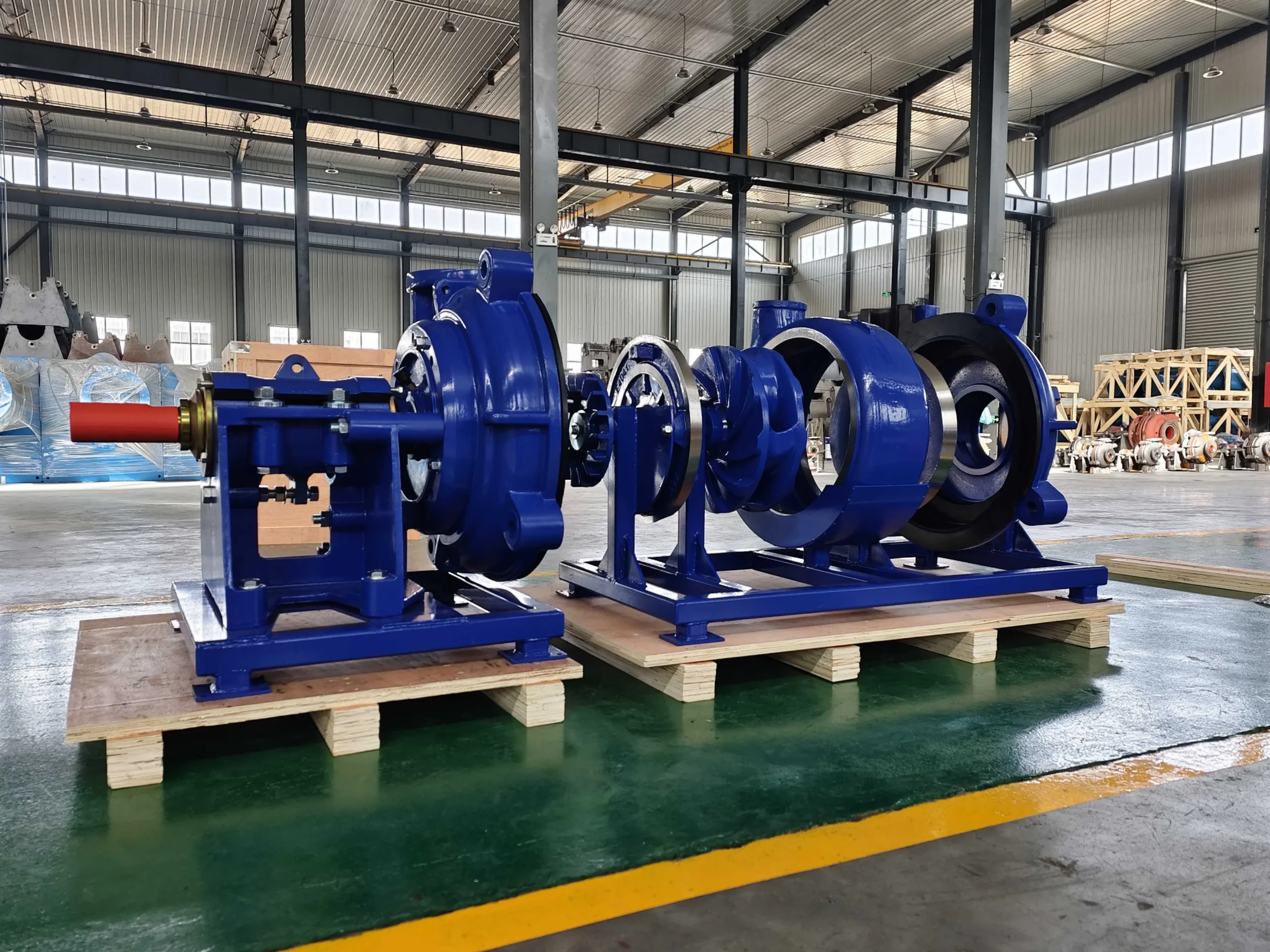
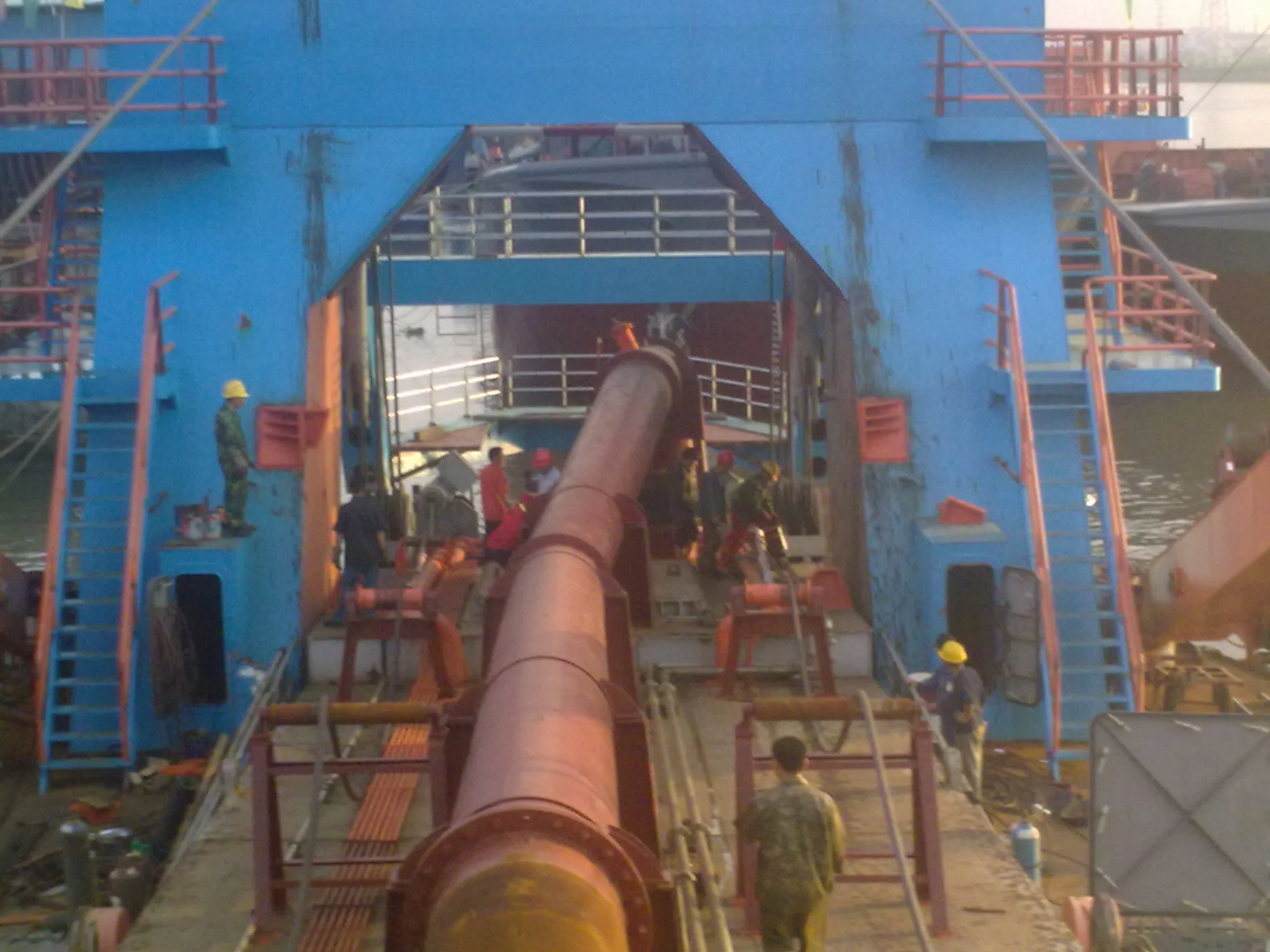
Slurry pump for iron ore applications are critical to the mining industry, representing a significant global market. The efficient and reliable transport of iron ore slurries is fundamental to ore processing, impacting everything from mine output to downstream steel production. This process demands specialized pumping solutions capable of handling abrasive, high-solids content fluids. Innovations in materials science and pump design are continually addressing challenges related to wear, energy efficiency, and environmental impact within this sector.
The global iron ore market is dominated by major producers like Australia and Brazil, with significant demand from China and other rapidly industrializing nations. This geographical concentration underscores the importance of robust slurry pumping infrastructure in these regions. Effective slurry pump systems minimize downtime, reduce operational costs, and enhance overall productivity for iron ore mining operations. Selecting the right slurry pump for iron ore is therefore paramount to success.
Understanding the nuances of slurry pump technology for iron ore is no longer just an engineering concern; it's a strategic imperative. Optimized pump performance directly translates to increased profitability and reduced environmental footprint, aligning with growing sustainability initiatives in the mining industry. Proper selection ensures longevity, minimizes maintenance, and contributes to a safer working environment.
The Importance of Slurry Pump for Iron Ore
The efficient transportation of iron ore slurries is crucial to modern mining operations. A robust slurry pump for iron ore is the heart of these systems, enabling the movement of large volumes of abrasive material over considerable distances. Without reliable pumping solutions, the entire ore processing chain can be compromised, leading to significant production delays and cost overruns.
Considering the scale of global iron ore production, even marginal improvements in slurry pump efficiency translate to substantial economic and environmental benefits. Optimization efforts focus on reducing energy consumption, minimizing wear and tear, and ensuring consistent performance under demanding conditions. The selection process requires a thorough understanding of the slurry's properties, pipeline characteristics, and operational requirements.
Defining Slurry Pump for Iron Ore
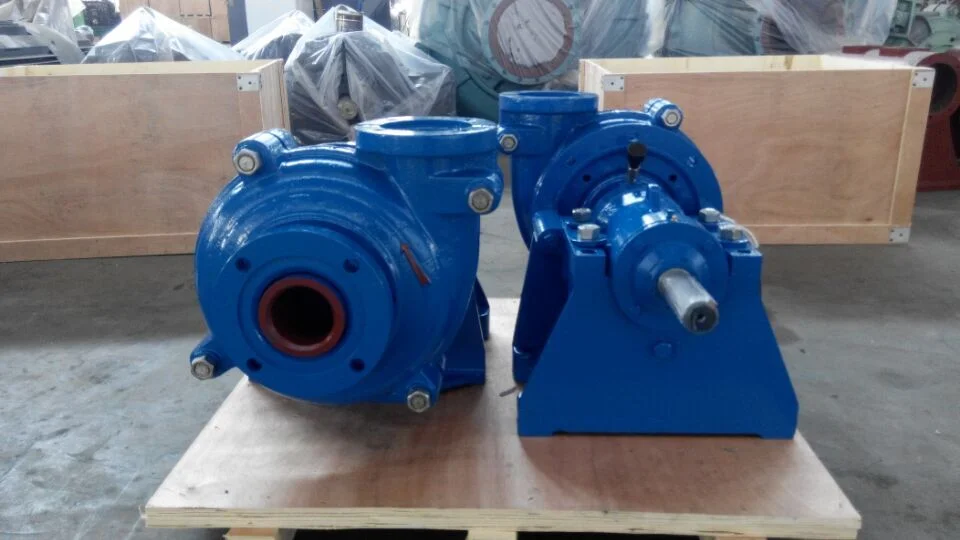
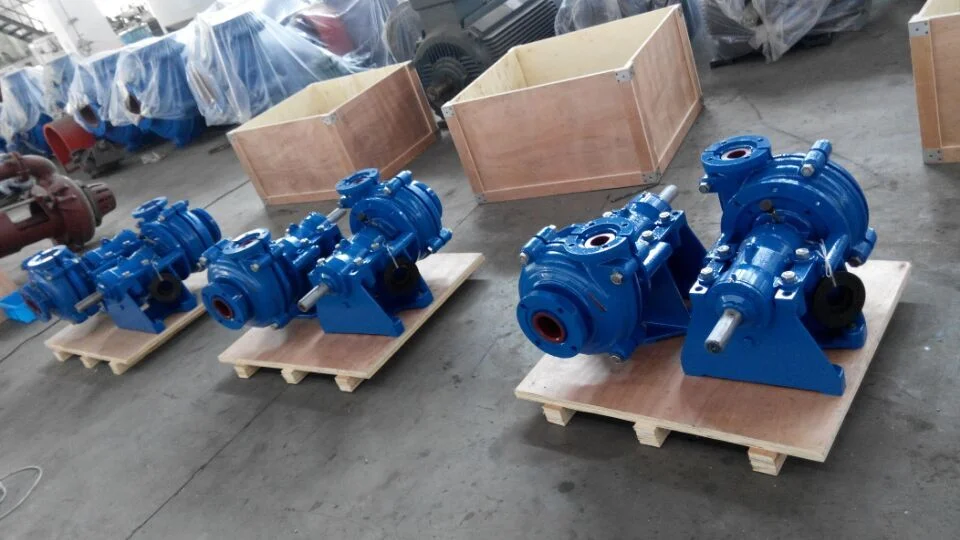
A slurry pump for iron ore is a type of centrifugal pump specifically designed to handle abrasive fluids containing high concentrations of solid particles. Unlike standard water pumps, these pumps are built with hardened materials and specialized impeller designs to withstand the erosive forces exerted by the slurry. The “slurry” consists of finely ground iron ore mixed with water or another carrier fluid, forming a dense and highly abrasive suspension.
These pumps are vital in various stages of iron ore processing, including transferring ore from the mine to the processing plant, moving slurry through thickeners and classifiers, and disposing of tailings. Their robust construction and ability to maintain efficient operation in harsh environments make them indispensable in the mining industry. The performance characteristics of a slurry pump are defined by factors such as flow rate, head (pressure), and solids handling capacity.
The effective operation of a slurry pump for iron ore directly impacts the efficiency and profitability of the entire mining operation. It is a core component that requires careful selection, installation, and maintenance to prevent costly downtime and ensure long-term reliability.
Key Factors in Slurry Pump Selection
Selecting the appropriate slurry pump for iron ore is a complex undertaking that requires careful consideration of multiple factors. The characteristics of the slurry itself – including particle size, density, and concentration – are paramount. Pipeline length, elevation changes, and flow rate requirements also play a crucial role in determining the pump’s necessary head and power.
Beyond the technical specifications, factors such as material compatibility, energy efficiency, and maintenance accessibility must also be evaluated. The cost of the pump, both initial purchase price and long-term operating expenses, is another critical consideration. Choosing a reputable manufacturer with a proven track record in slurry pump technology is essential for ensuring reliability and long-term performance.
Finally, environmental regulations and sustainability concerns are increasingly influencing pump selection. Operators are seeking pumps that minimize energy consumption and reduce the risk of leaks or spills, contributing to a more responsible and environmentally friendly mining operation. A well-chosen slurry pump for iron ore will maximize efficiency while minimizing environmental impact.
Durability and Material Science
Iron ore slurries are notoriously abrasive, containing hard, angular particles that rapidly erode standard pump components. Therefore, durability is the single most important consideration when selecting a slurry pump for this application. Pump manufacturers employ advanced material science to develop components capable of withstanding these extreme conditions.
High-chromium cast iron is a common material choice for impellers and liners, offering excellent wear resistance. However, more specialized materials such as ceramic linings, tungsten carbide coatings, and even rubber liners are often used in high-wear areas to further extend pump life. The choice of material depends on the specific characteristics of the slurry and the severity of the abrasion.
Slurry Pump Material Performance for Iron Ore
Global Applications of Iron Ore Slurry Pumps
Iron ore slurry pumps are deployed worldwide in regions with significant mining activity. Australia, as the world's largest iron ore exporter, relies heavily on these pumps to transport ore from mines in the Pilbara region to processing facilities and ports. Brazil also represents a major market, with extensive iron ore operations in Minas Gerais.
China, the primary consumer of iron ore, utilizes slurry pumps in both domestic mining operations and steel production facilities. Furthermore, emerging iron ore producers in Africa and South America are driving increased demand for reliable and efficient slurry pumping solutions. These pumps play a critical role in maintaining the global supply chain of this essential raw material.
Advantages and Long-Term Value
Investing in a high-quality slurry pump for iron ore offers numerous advantages beyond simply moving the slurry. Reduced downtime, thanks to robust construction and reliable performance, directly translates to increased production output and higher profitability. Lower maintenance costs, resulting from durable materials and minimized wear, contribute to long-term operational savings.
Furthermore, selecting an energy-efficient pump reduces electricity consumption and minimizes the environmental impact of mining operations. A well-designed pump also enhances worker safety by reducing the risk of leaks, spills, and equipment failures. The overall long-term value of a superior slurry pump extends far beyond the initial purchase price.
Future Trends and Innovations
The future of slurry pump technology for iron ore is focused on several key areas. Smart pumps, equipped with sensors and data analytics capabilities, are enabling predictive maintenance and optimized performance. These pumps can monitor vibration, temperature, and flow rate to identify potential problems before they lead to costly downtime.
Research is also underway to develop new materials with even greater wear resistance and corrosion protection. Furthermore, advancements in pump design are aimed at improving hydraulic efficiency and reducing energy consumption. The integration of digital technologies and sustainable practices will be crucial for driving innovation in this field.
Table Summarizing Slurry Pump Performance Indicators
| Pump Type | Wear Rate (mm/year) | Energy Efficiency (%) | Maintenance Frequency (months) |
|---|
| Centrifugal with High-Chrome Iron | 0.5 - 1.0 | 70 - 80 | 6 - 12 |
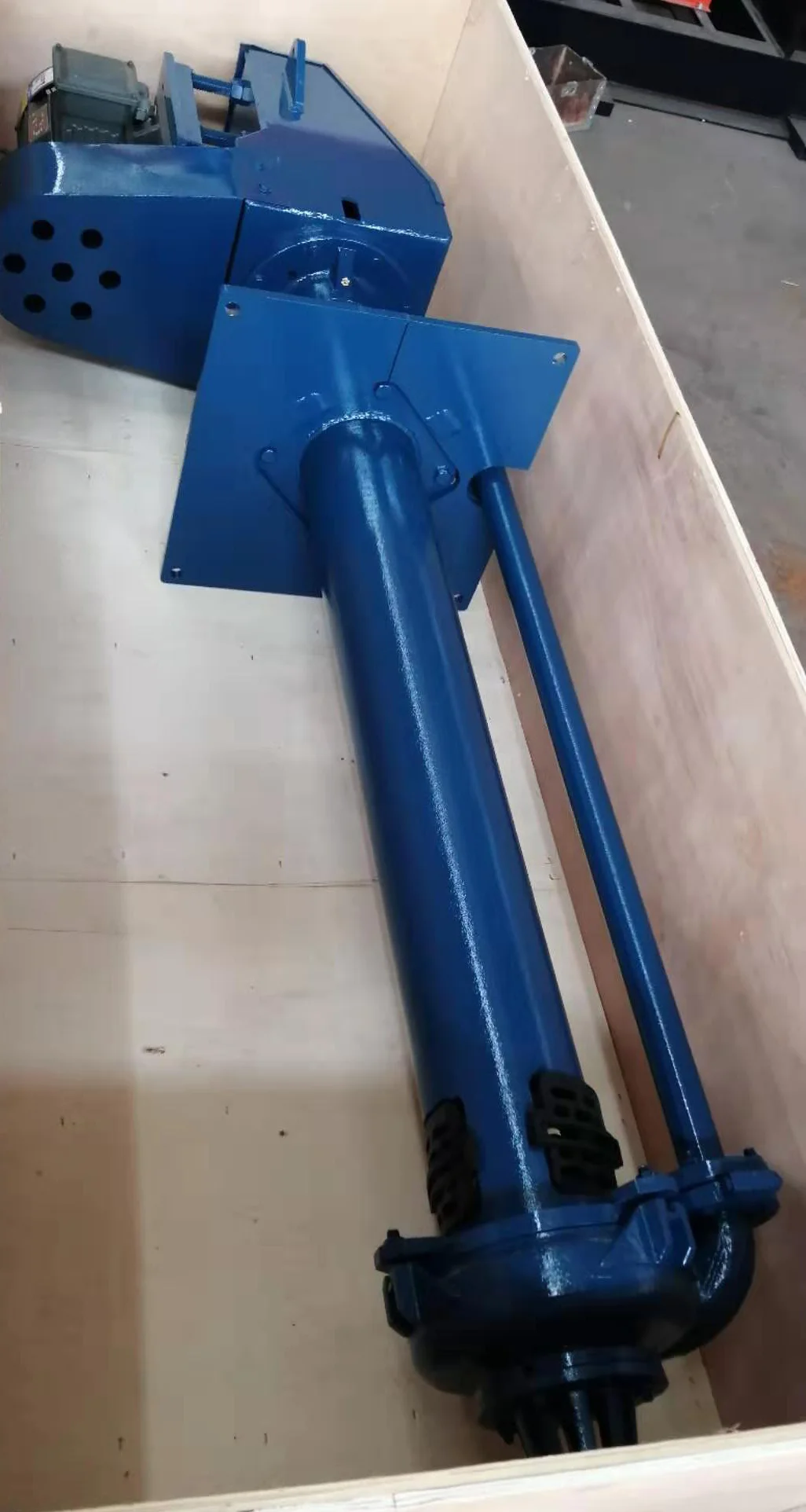
| Vertical Slurry Pump | 0.3 - 0.7 | 75 - 85 | 9 - 18 |
| Positive Displacement Pump | 0.2 - 0.5 | 60 - 70 | 3 - 6 |
| Ceramic Lined Centrifugal Pump | 0.1 - 0.3 | 72 - 82 | 12 - 24 |
| Rubber Lined Centrifugal Pump | 0.4 - 0.8 | 68 - 78 | 6 - 12 |
| Smart Slurry Pump (with sensors) | 0.2 - 0.6 | 78 - 88 | 9 - 18 |
FAQS
The lifespan of a slurry pump for iron ore varies greatly depending on the abrasive nature of the slurry, the pump’s materials of construction, and the maintenance schedule. However, a well-maintained pump constructed from high-chromium iron or with ceramic linings can typically last between 3 to 7 years. Regular inspections and component replacements are crucial for maximizing lifespan and preventing catastrophic failures.
Determining the correct pump size requires a thorough understanding of your system’s requirements. This includes the flow rate needed to transport the slurry, the total head (pressure) required to overcome elevation changes and pipeline friction, and the characteristics of the slurry itself (particle size, density, concentration). Consult with a slurry pump specialist for accurate sizing recommendations.
Regular maintenance is vital for extending the life of a slurry pump. Key tasks include inspecting and replacing wear components like impellers, liners, and seals. Monitoring bearing temperatures and lubrication levels is also crucial. Implementing a preventative maintenance schedule based on operating hours or slurry volume will help identify potential issues before they escalate into major problems.
A VFD allows you to adjust the pump's speed to match the actual flow rate requirements, resulting in significant energy savings. It also reduces mechanical stress on the pump and pipeline, extending component life. VFDs are particularly beneficial in applications with fluctuating flow demands or where precise control is needed.
High-chromium cast iron is the most common material, offering a good balance of wear resistance and cost-effectiveness. Ceramic linings, tungsten carbide, and rubber linings are used in high-wear areas. The best material choice depends on the slurry’s composition, abrasion level, and chemical properties. Consideration should be given to the fluid’s corrosive properties as well.
Minimizing wear involves selecting the appropriate materials, maintaining proper slurry velocity, avoiding excessive turbulence, and implementing a regular inspection and maintenance program. Using a cyclone separator upstream of the pump can remove larger particles, reducing abrasive wear. Additionally, regular monitoring of pump performance and vibration levels can help detect early signs of wear.
Conclusion
Slurry pump technology is integral to the efficient and sustainable extraction and processing of iron ore. The advancements in material science, pump design, and digital integration are driving continuous improvements in performance, reliability, and energy efficiency. Selecting the right slurry pump for iron ore, coupled with a proactive maintenance strategy, is essential for maximizing profitability and minimizing environmental impact.
Looking ahead, the future of slurry pump technology will be shaped by the growing demand for sustainable mining practices and the increasing adoption of digital technologies. Innovations in smart pumps, predictive maintenance, and advanced materials will further optimize performance and reduce operational costs, ensuring that slurry pumping remains a critical component of the iron ore industry for years to come. Visit our website: www.qualityslurrypump.com



-1-20260416061013.webp "Optimizing Slurry Pump Performance with Durable Cover Plate Solutions")