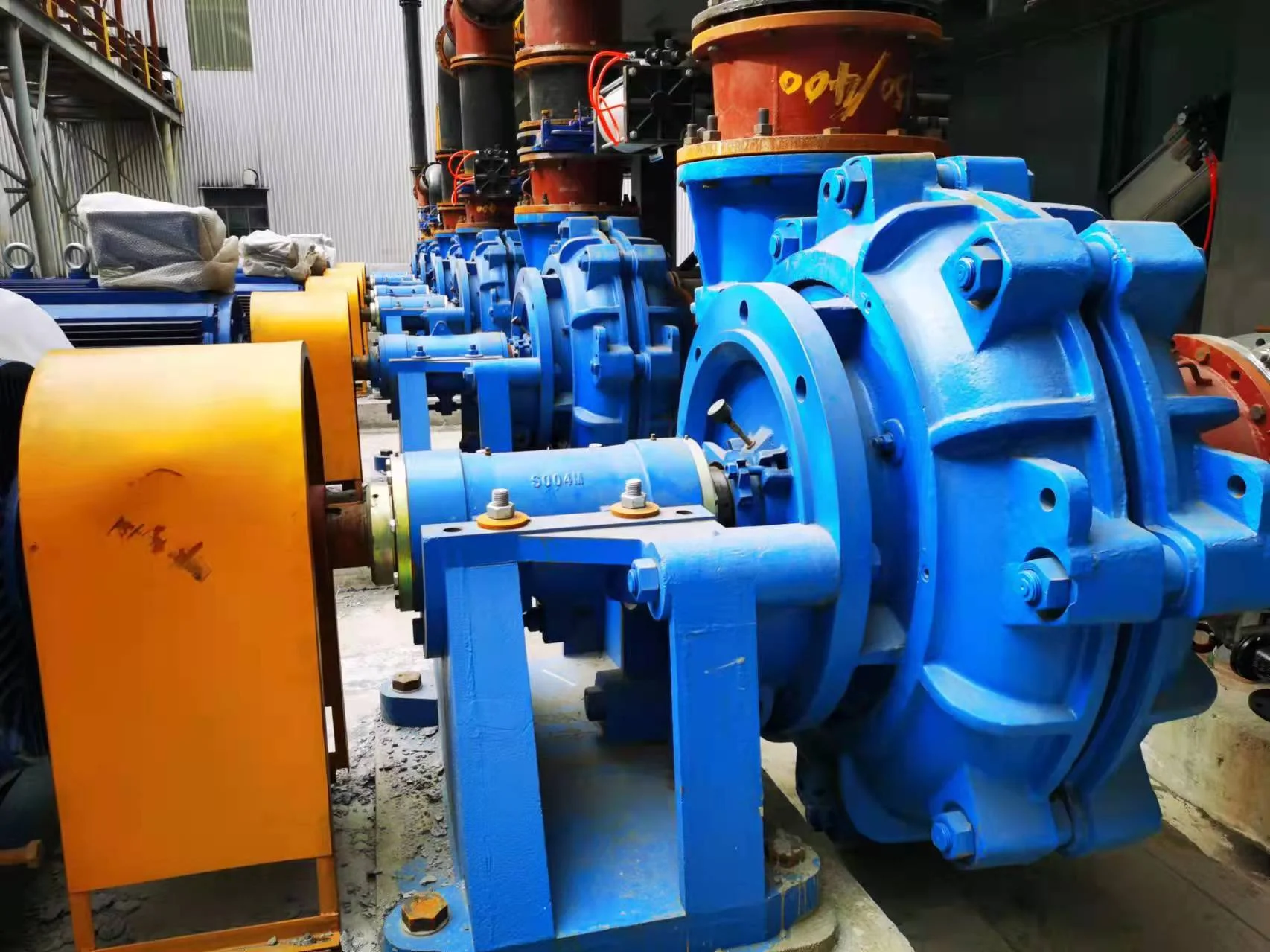
You know, I've been running around construction sites all year, getting dust all over myself, and honestly, the biggest trend I've seen lately is everyone wanting stuff tougher. Not just "meets spec" tough, but "throw-a-wrench-at-it" tough. Seems like projects are getting more demanding, timeframes are shrinking, and nobody wants to be the one explaining why something broke down after a month. It's all about reliability, plain and simple.
And it's not always what you think. You get these engineers, bright as can be, designing these things on computers, and sometimes… well, sometimes they forget what it's like out here. I encountered this at a factory in Zhejiang province last time – they designed a pump housing with these really intricate cooling fins. Looked great on the CAD drawing. But try telling a welder to lay a bead on that. Nightmare. To be honest, simple is often better.
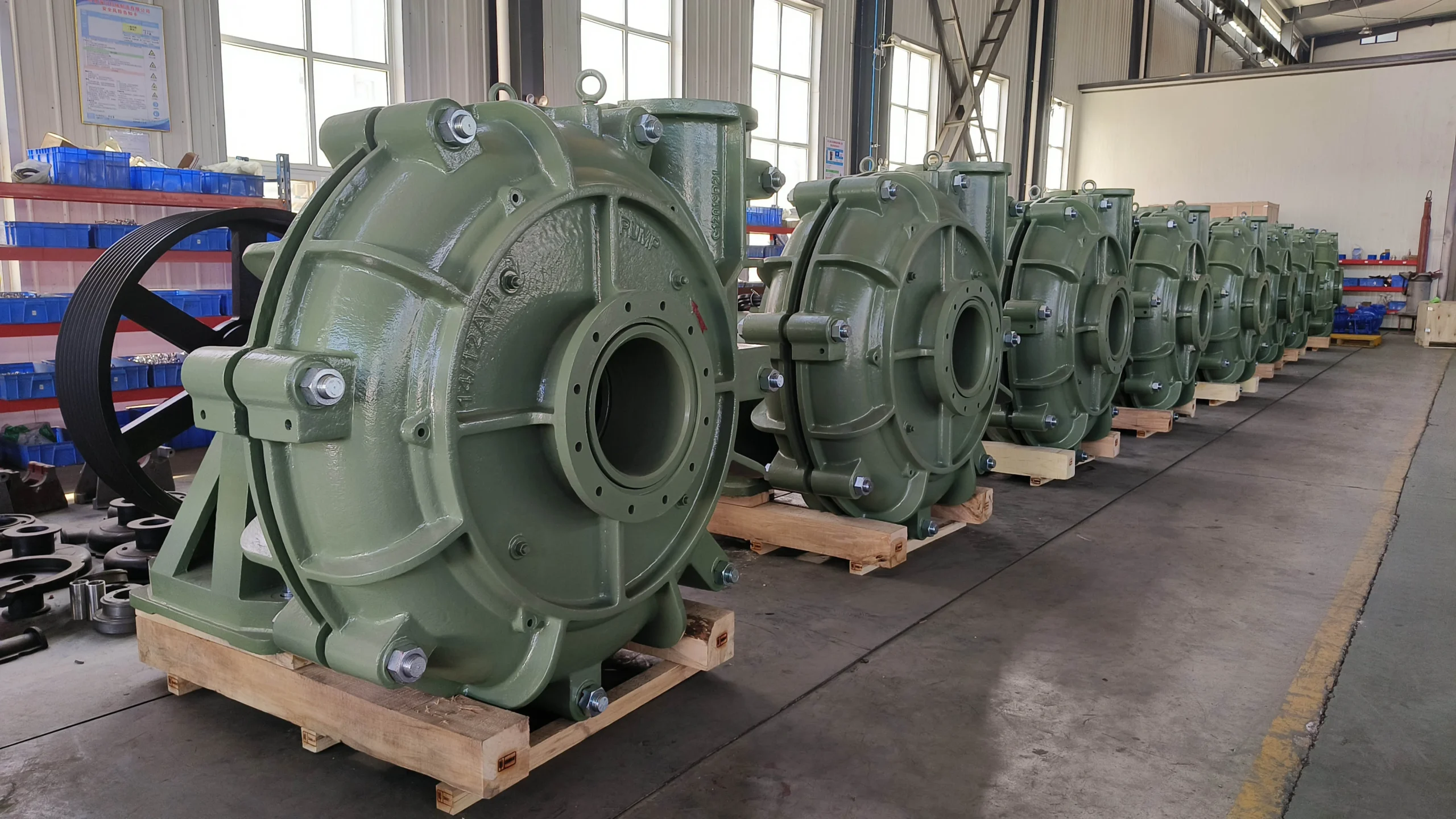
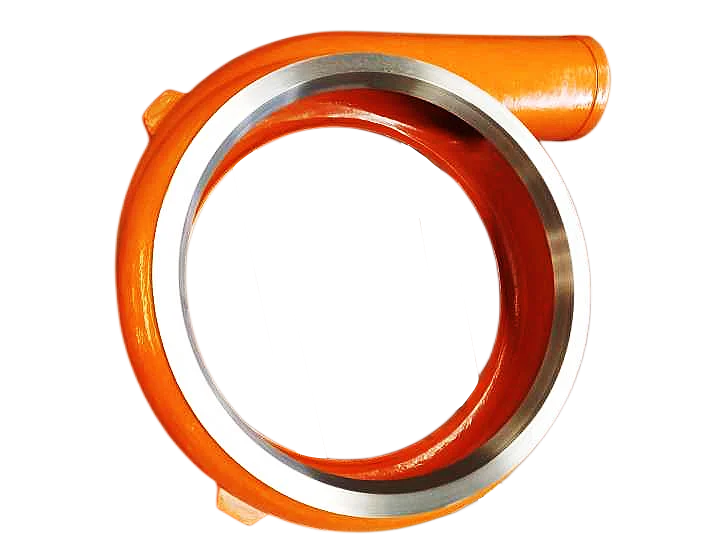
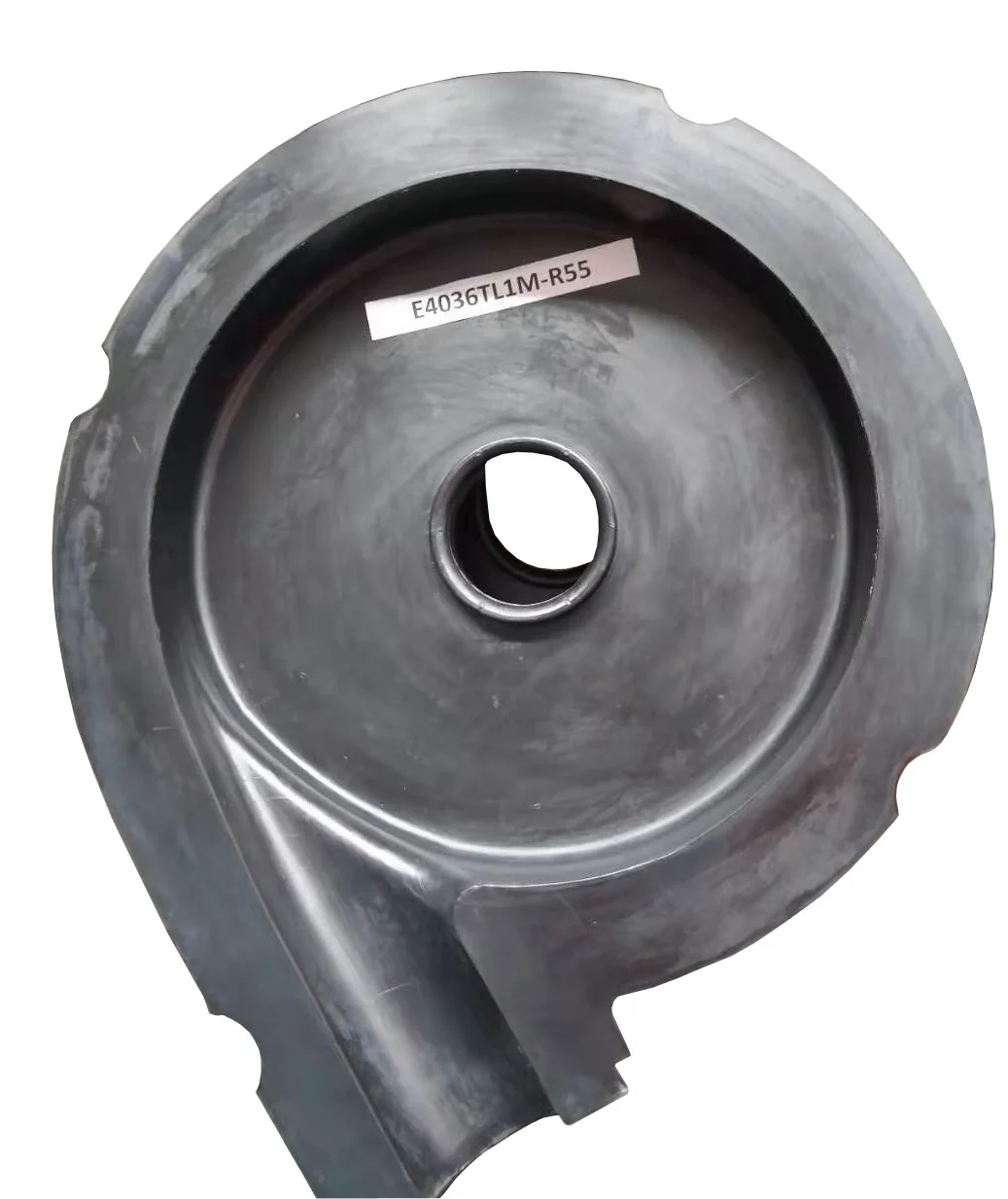
We're talking primarily about heavy duty slurry pump here, of course. Specifically, we use a lot of high-chromium cast iron for the impeller and casing. It’s… you can feel the weight of it, you know? Smells a bit metallic when you cut it, a little gritty. The rubber lining – that’s a different beast. It’s got this distinct, almost sweet smell when it’s new, then it gets… well, it gets like everything else out here. Covered in mud. But that rubber, it’s crucial. Protects against abrasion, corrosion… everything.
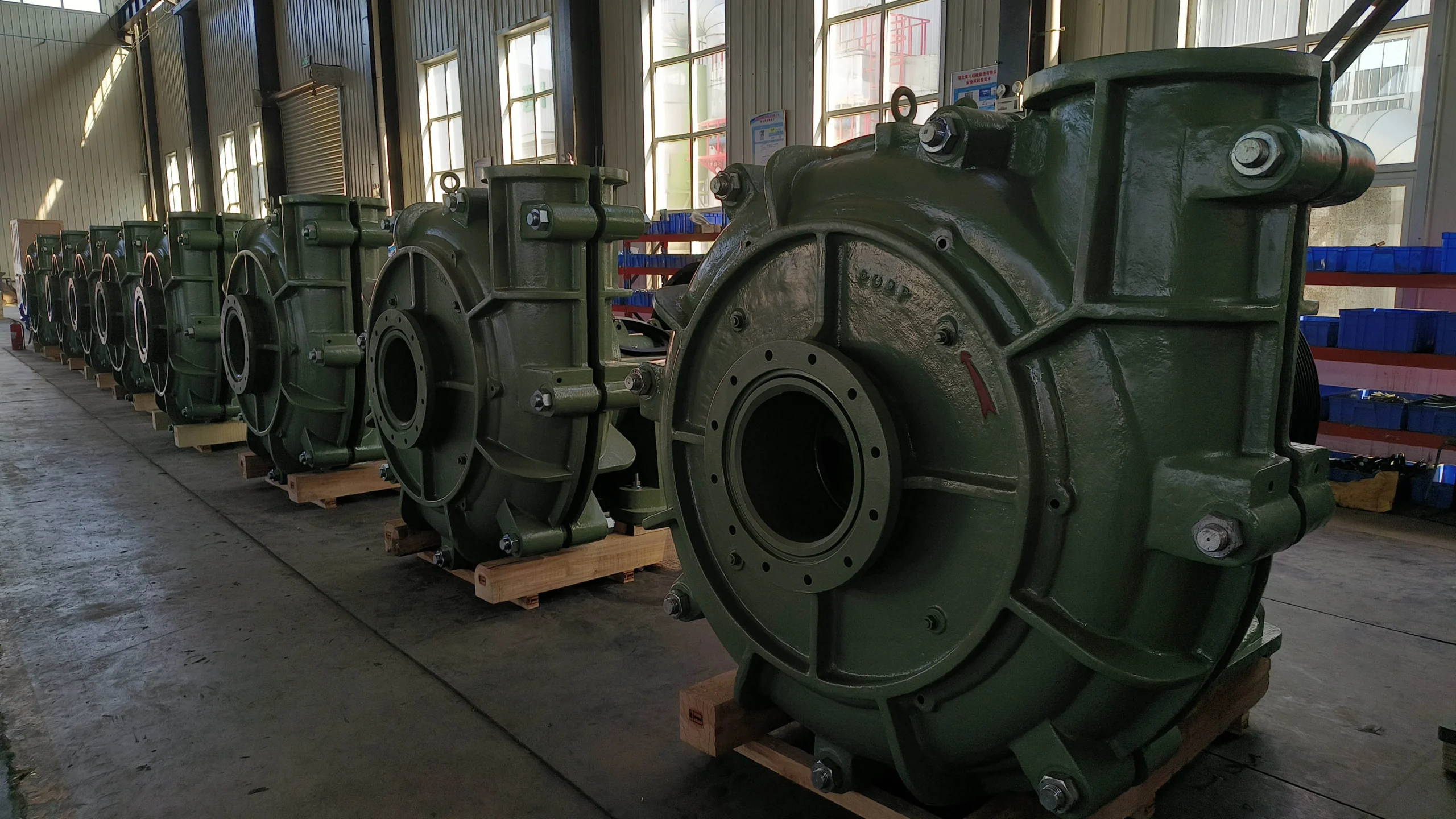
Industry Trends and Design Pitfalls
Have you noticed everything’s going modular these days? Prefabrication is huge, and it’s putting a lot more stress on the initial equipment. Because if a pump fails after everything's assembled… well, that’s a headache nobody wants. Strangely, people still try to save money on the pump itself. Then they wonder why it keeps breaking down.
And don’t even get me started on the suction side. That’s where 90% of the problems start. Underestimated pipe diameter, improper bend radius… I see it all the time. It’s always the little things, right? That’s the design trap. Everyone’s focused on the big, fancy features, and they forget about the fundamentals.
Materials and Their Feel
Beyond the cast iron and rubber, we're seeing a lot more demand for stainless steel – particularly duplex stainless steel. It’s…different. Lighter than the cast iron, obviously, and it feels… cleaner, somehow. Less gritty. It's pricier, though. And welding it? Forget about it. You need specialized welders, specific procedures… It's a whole different ball game.
The seals are critical too. We use a lot of mechanical seals with silicon carbide faces. Those things are hard. You can scratch steel with them. But they're brittle. Drop one and it's toast. Packaging is everything. And then there's the elastomers - the various O-rings and gaskets. Choosing the right material for the fluid being pumped is… well, it's an art.
Honestly, you learn to identify a good material just by the smell. Seriously. Years of breathing in fumes and dust will do that to a guy. And you can tell a bad batch of rubber just by feeling how flexible it is. If it's too stiff, it's gonna crack. Too soft, and it'll wear out too quickly.
Real-World Testing Procedures
Lab tests are fine, I guess. But they don’t tell you the whole story. We do a lot of on-site testing – running the pumps with the actual slurry they're going to be handling. Pressure testing, flow rate testing, vibration analysis… The real test is how long it lasts before something goes wrong.
We’ve got a test rig at our main facility – it’s basically a loop with a big tank full of abrasive slurry. We run the pumps in that loop for days, weeks, even months, just to see what breaks. And it always breaks eventually. That's when you learn.
I once saw a pump impeller completely disintegrate during a test. Complete and utter failure. Turns out the slurry had a higher solids content than we anticipated. Lesson learned. Always overestimate the worst-case scenario.
Actual Usage vs. Intended Usage
This is the big one. People always use things differently than you expect. You design a heavy duty slurry pump for a specific application, and then someone uses it to pump something completely different. It happens all the time. I’ve seen pumps used to pump everything from concrete to… well, let’s just say things you wouldn't want to think about.
And they don’t read the manuals! Seriously. They just hook it up and turn it on. No priming, no checking the flow rate, no nothing. It's frustrating. But it’s the reality. You have to design for the idiot. Not the engineer.
Average Failure Rates of heavy duty slurry pump by Application
Advantages, Disadvantages, and Customization
The biggest advantage, obviously, is durability. A good heavy duty slurry pump will run for years with minimal maintenance. That’s a huge cost saving. And it keeps the project on schedule. Nobody wants downtime.
Disadvantages? Well, they’re not cheap. And they're often bulky and heavy. Hard to maneuver in tight spaces. And they can be energy hogs. We're always trying to improve efficiency, but there’s a trade-off between efficiency and durability. We can customize a lot of things – impeller material, casing material, seal type, motor size… Last month, that small boss in Shenzhen who makes smart home devices insisted on changing the interface to , and the result was a nightmare to adapt - completely threw off the whole power system, and ended up needing a whole new control box. I swear, some people just want to see the world burn.
A Customer Story from Shenzhen
Last month, that small boss in Shenzhen who makes smart home devices insisted on changing the interface to , and the result was… well, it was a disaster. He wanted it to be “modern,” he said. "Future-proof." Turns out, his existing power supply couldn’t handle the voltage conversion. We had to redesign the entire electrical system, which added weeks to the project and cost him a fortune. I told him it was a bad idea, but he wouldn’t listen. Some people just have to learn the hard way.
Anyway, I think he eventually got it working, but he was not a happy man. It just goes to show, sometimes the best solution is the simplest solution. And sometimes, you just have to listen to the guy who's been dealing with pumps for thirty years.
It’s always the same story. They want to reinvent the wheel. They want to be different. But at the end of the day, a pump is a pump. And it needs to move slurry.
Performance Analysis Across Applications
Analyzing how different slurry compositions impact the pump’s longevity is crucial. We've found that abrasive particle size and concentration are the biggest drivers of wear. Higher concentrations of larger particles lead to significantly reduced lifespan.
Different applications also demand specific material choices. Chemical processing, for instance, requires pumps constructed from highly corrosion-resistant materials, like specialized stainless steels or even exotic alloys. Mining, on the other hand, prioritizes abrasion resistance above all else.
And then there’s the viscosity factor. Higher viscosity slurries require pumps with larger impellers and more powerful motors. It’s all about finding the right balance between flow rate, pressure, and solids handling capability.
Core Performance Metrics for Heavy Duty Slurry Pump Across Applications
| Application | Average Lifespan (Hours) | Maintenance Frequency (Months) | Typical Solids Concentration (%) |
|---|
| Mining | 1500-2500 | 3-6 | 20-50 |
| Wastewater Treatment | 3000-5000 | 6-12 | 5-20 |
| Chemical Processing | 2000-3500 | 4-8 | 10-30 |
| Construction | 1000-2000 | 2-4 | 30-60 |
| Dredging | 800-1500 | 1-3 | 40-70 |
| Food Processing | 4000-6000 | 12+ | 2-10 |
FAQS
Honestly? They focus too much on price and not enough on the application. A cheap pump will save you money upfront, but it'll cost you a fortune in downtime and repairs in the long run. You really need to consider the slurry’s properties – particle size, concentration, abrasiveness – and choose a pump that’s designed to handle it. Don't just grab the first thing you see.
Regular inspection is key! At least monthly, and more often if you're pumping particularly abrasive slurries. Look for signs of wear, leakage, or damage. Replacing a seal is a lot cheaper and easier than replacing the entire pump. And make sure you’re using the correct type of seal for the fluid you’re pumping. Trust me, mixing those up can lead to trouble.
You can usually handle basic maintenance like lubrication, visual inspections, and tightening bolts. But anything involving disassembly, seal replacement, or electrical work should be left to a qualified technician. Safety first, always! Messing around with pumps can be dangerous, especially if you don’t know what you’re doing.
Strange noises are never good. Could be a worn bearing, a loose impeller, or something stuck in the pump. Stop the pump immediately and investigate. Don't ignore it – it'll only get worse. And if you can’t figure it out, call a professional. A small problem can quickly turn into a major failure if left unchecked.
Centrifugal pumps are good for high-flow, low-head applications, while positive displacement pumps are better for high-head, low-flow applications. For slurries, centrifugal pumps are generally preferred because they can handle solids better. But it depends on the specific slurry and application. There’s no one-size-fits-all answer.
Don't even think about it! A standard water pump isn’t designed to handle solids. You’ll quickly wear out the impeller and seals, and you’ll probably end up with a clogged pump. It's not worth the risk. Always use a pump specifically designed for slurry applications. It’ll save you money in the long run.
Conclusion
So, we’ve covered a lot of ground. From material selection to real-world testing, to understanding how these pumps are actually used, it all boils down to one thing: durability. A well-designed and properly maintained heavy duty slurry pump is an investment, not an expense. It saves time, money, and headaches. And that’s something everyone can appreciate.
Ultimately, whether this thing works or not, the worker will know the moment he tightens the screw. And if he’s cursing under his breath, well, then we know we’ve got some work to do. If you're looking for a reliable heavy duty slurry pump for your next project, visit our website: www.qualityslurrypump.com