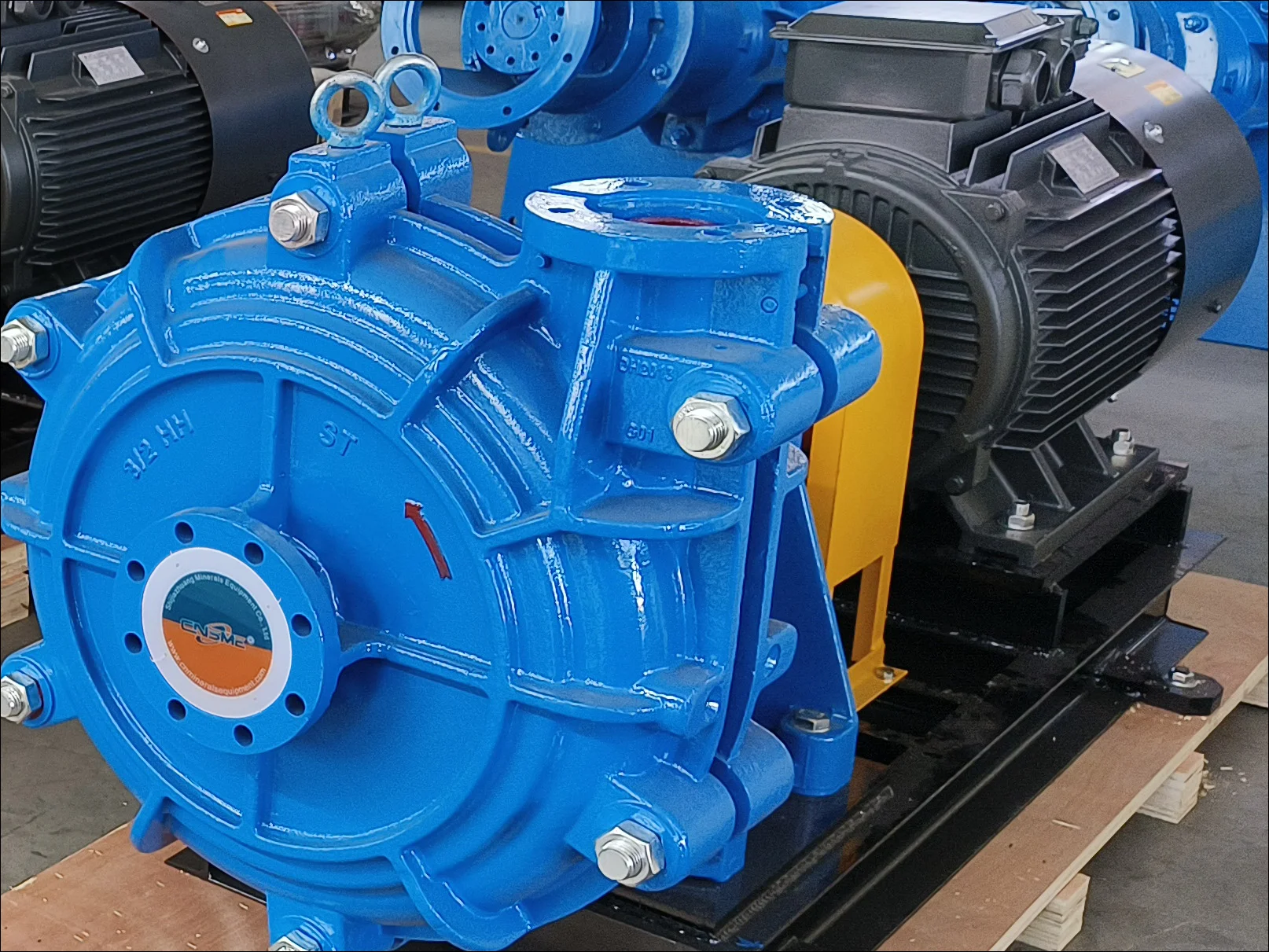
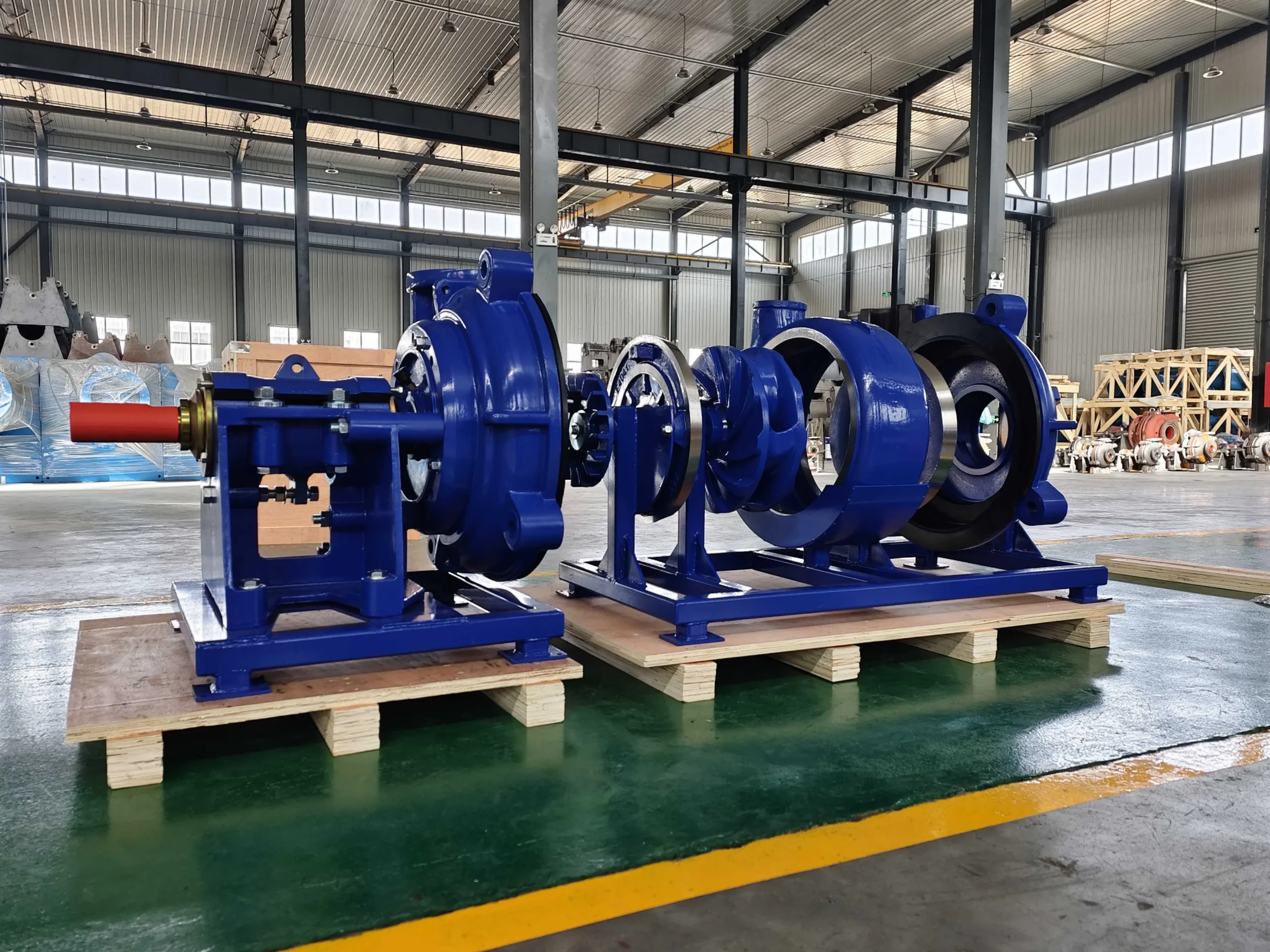
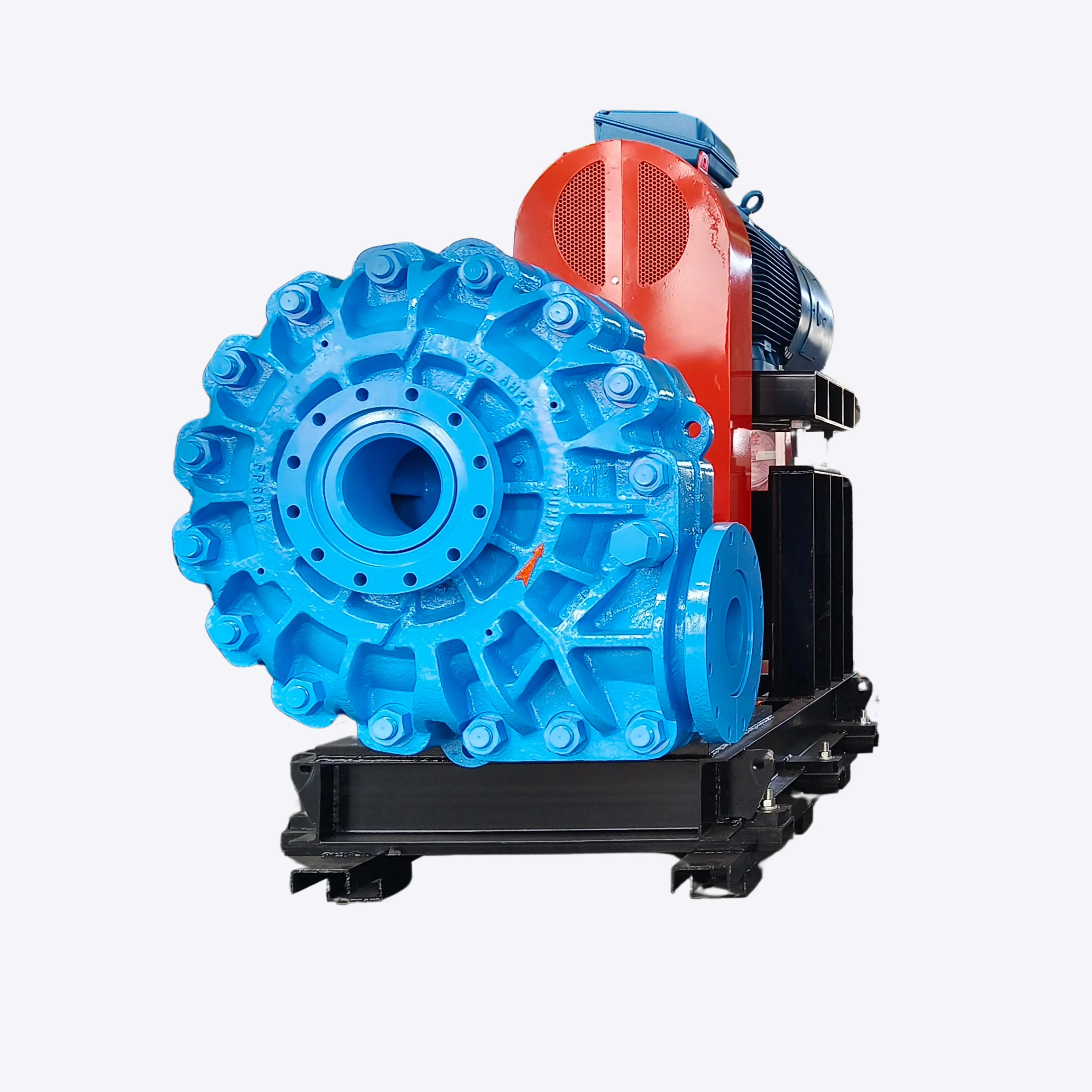
To be honest, this year’s been… something. Everyone’s talking about smart slurry systems, IoT integration, remote monitoring. It's all well and good in the brochures, but out on site, you quickly realize half the guys don’t even know how to connect to the Wi-Fi, let alone calibrate a sensor. The real trend isn’t the tech itself, it’s making that tech robust enough to survive a construction site. Have you noticed how quickly even the most expensive stuff gets beat up?
We’ve been banging our heads against the wall trying to balance performance and durability, especially with the liner. It's easy to get caught up in chasing higher abrasion resistance numbers, but forget that a brittle liner is just as bad as a soft one. It cracks, it peels, and suddenly that ‘high-performance’ pump is just a very expensive paperweight.
I swear, I spend half my life smelling rubber. We primarily use natural rubber, mostly because of its elasticity. It just… feels right. It’s got a slight sweetness to the smell, you know? And it’s surprisingly heavy. Then we layer in synthetic rubbers – EPDM, nitrile – depending on the chemical resistance needed. Nitrile, that smells like… well, tires. But it handles those acidic slurries like a champ. Dealing with it on-site is a messy job, though. You get that stuff on your boots and it doesn't come off for a week.
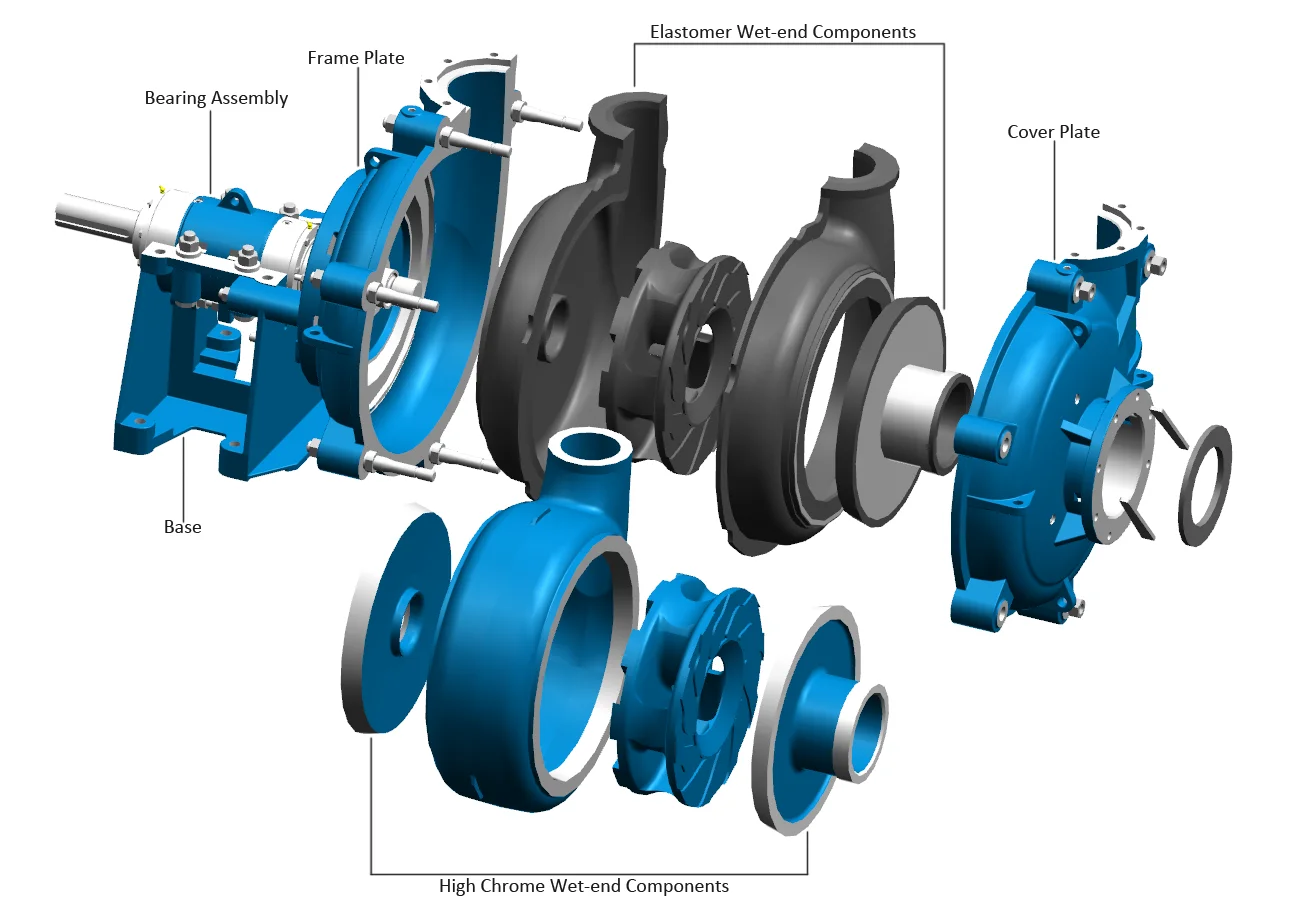
Recent Trends and Design Pitfalls
Strangely enough, a big trend I’ve seen is everyone wanting thinner liners to save weight. Sounds good on paper, right? But it often means sacrificing impact resistance. I encountered this at a mining factory last time. They’d switched to a super-thin liner and were going through impellers like crazy. They thought they were saving money, but the downtime and replacement costs were through the roof. It’s a classic case of penny-wise, pound-foolish.
Another thing is the obsession with perfectly smooth internal surfaces. People think that reduces friction and improves efficiency. It does, to a point. But a slightly textured surface actually helps the slurry cling, preventing cavitation and erosion. It’s counterintuitive, I know, but that's what years on the ground teaches you.
Material Selection and Handling
We don’t just grab any old rubber off the shelf. There’s a lot of testing involved. Durometer, tensile strength, elongation at break… all that jazz. But the lab tests only tell you so much. The real test is how it holds up to continuous abrasion with real-world slurry. We actually set up a small pilot rig, running a mix of sand, gravel, and industrial waste through a test pump for weeks on end.
The smell is a good indicator, honestly. A fresh batch of natural rubber has that sweet smell. If it smells acrid or burnt, something’s wrong with the vulcanization process. And handling it… well, you need gloves. Some of those synthetic compounds can cause allergic reactions. And don’t even think about getting it wet before it's properly cured. It becomes incredibly slippery.
We’ve experimented with adding fillers – things like silica and carbon black – to improve wear resistance. Carbon black is fantastic, but it makes the rubber incredibly difficult to process. It's like trying to mix concrete with molasses. Silica is easier to work with, but doesn't provide the same level of protection. Anyway, I think finding that sweet spot is the key.
Real-World Testing and Application
Forget those pristine lab environments. The real testing happens in the field. I’ve personally witnessed pumps running in everything from sewage treatment plants to diamond mines. The conditions are brutal. Extreme temperatures, corrosive chemicals, abrasive particles… you name it.
We don’t just rely on the manufacturer's specs. We demand independent testing, and we insist on seeing the test results firsthand. I've seen too many manufacturers fudge the numbers. It’s frustrating, to say the least. One time, a supplier swore their liner could withstand 80% solids by volume. We ran our own tests, and it failed spectacularly at 60%.
And application matters. A pump designed for a continuous flow of fine silt will perform differently than one used for intermittent blasts of heavy gravel. You've got to match the pump to the job, and that often means customizing the liner.
Advantages, Disadvantages, and Customization
The big advantage, obviously, is corrosion resistance. Rubber lined pumps can handle incredibly aggressive fluids that would eat through metal pumps in a matter of weeks. They’re also quieter, which is a bonus in some applications.
The downside? They're not ideal for high-temperature applications. Rubber degrades at high temperatures. And they’re generally more expensive upfront than metal pumps. But, and this is a big but, the lifecycle cost is often lower because of reduced maintenance and replacement.
Rubber Lined Slurry Pump Performance Comparison
User Behavior and Unexpected Applications
You'd be surprised how often people try to use these pumps for things they weren't designed for. I had a guy once who wanted to pump concrete with a slurry pump. Concrete! I told him it would ruin the impeller in about five minutes, but he insisted. He said, “It’s just a little bit of concrete!” Yeah, right.
They also sometimes try to cut corners on the suction lines. If the suction line is too small, it creates cavitation, which eats away at the liner from the inside out. It’s a slow death for the pump. But hey, I am just a guy who deals with rubber all day.
A Customer Story
Last month, that small boss in Shenzhen who makes smart home devices insisted on changing the interface to , even though we told him the standard flanges were perfectly fine. He said it was for “future-proofing” and “aesthetic appeal.” The result? He couldn't find any compatible couplings locally, and his production line ground to a halt. He ended up having to import custom adapters from Germany, costing him a fortune and delaying his product launch by weeks. It was a complete disaster. He’s since learned to listen to the guys who actually work with the equipment.
It's a reminder: sometimes "innovation" just means creating new problems.
He swore he wouldn’t do it again. Whether he will or not, who knows?
Performance Metrics and Considerations
We track a bunch of metrics, of course: flow rate, head pressure, solids handling capacity, liner wear rate. But the most important metric is uptime. If a pump is constantly breaking down, it doesn't matter how efficient it is on paper.
Another crucial factor is the quality of the rubber-to-metal bond. If the liner delaminates, it's game over. We use a combination of surface preparation and adhesive bonding techniques to ensure a strong, durable bond. We also do regular inspections to check for signs of delamination.
And don't forget about the impeller. It's the heart of the pump. We use high-chrome iron for the impeller, because it's incredibly abrasion resistant. But even high-chrome iron wears out eventually.
Key Performance Indicators for Rubber Lined Slurry Pumps
| Liner Material | Abrasion Resistance (1-10) | Chemical Resistance (1-10) | Typical Application |
|---|
| Natural Rubber | 7 | 5 | Water and mild abrasive slurries |
| EPDM Rubber | 6 | 8 | Chemical processing, wastewater treatment |
| Nitrile Rubber | 9 | 7 | Oil and gas, mining, corrosive slurries |
| Chlorobutyl Rubber | 8 | 9 | Strong acids, highly corrosive environments |
| Hypalon Rubber | 7.5 | 8.5 | General chemical handling, moderate abrasion |
| Viton Rubber | 6 | 10 | Extreme chemical resistance, high temperatures |
FAQS
Honestly, it’s not considering the specific slurry composition. People just look at abrasion resistance and ignore the chemical compatibility. You can have the hardest liner in the world, but if it’s being dissolved by the slurry, it's useless. We spend a lot of time helping customers analyze their slurries to find the right liner material.
That's the million-dollar question! It depends on so many factors – slurry composition, flow rate, operating temperature, maintenance schedule… But generally, you can expect a well-maintained rubber lined pump to last 5-10 years. Sometimes longer, sometimes shorter. It really varies.
Small cracks and wear spots can be repaired with patching compounds. But if the damage is extensive, or if the liner has delaminated, it’s usually more cost-effective to replace the entire liner. Trying to patch a severely damaged liner is just a temporary fix.
Not necessarily. Thicker liners offer more abrasion resistance, but they also add weight and cost. It's about finding the right balance. We usually recommend a liner thickness based on the severity of the abrasion and the expected service life.
Upfront, yes, they are. But when you factor in the reduced maintenance costs and longer service life, rubber lined pumps often end up being more cost-effective in the long run. You’re trading a higher initial investment for lower operating costs.
Absolutely! We offer a wide range of customization options, from different liner materials to different thicknesses to custom surface textures. We can even incorporate specialized reinforcements for extreme applications. Last year, a customer in the fertilizer industry needed a liner with exceptional resistance to sulfuric acid, so we formulated a custom blend with Viton and PTFE.
Conclusion
Ultimately, whether this thing works or not, the worker will know the moment he tightens the screw. You can talk about abrasion resistance, chemical compatibility, and liner thickness all day long, but it all comes down to how it performs in the real world. A reliable rubber lined slurry pump isn't just about superior materials, it’s about understanding the complexities of the application and providing a solution that’s built to last.
I think the future of this industry is going to be about smarter monitoring and predictive maintenance. We're exploring ways to integrate sensors into the liners to track wear rates and predict failures before they happen. And, of course, we’ll keep smelling the rubber. You just can’t beat experience.



-1-20260416061013.webp "Optimizing Industrial Operations with HighQuality OEM Slurry Pump Parts")