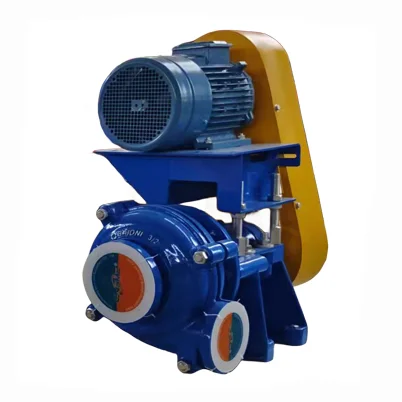
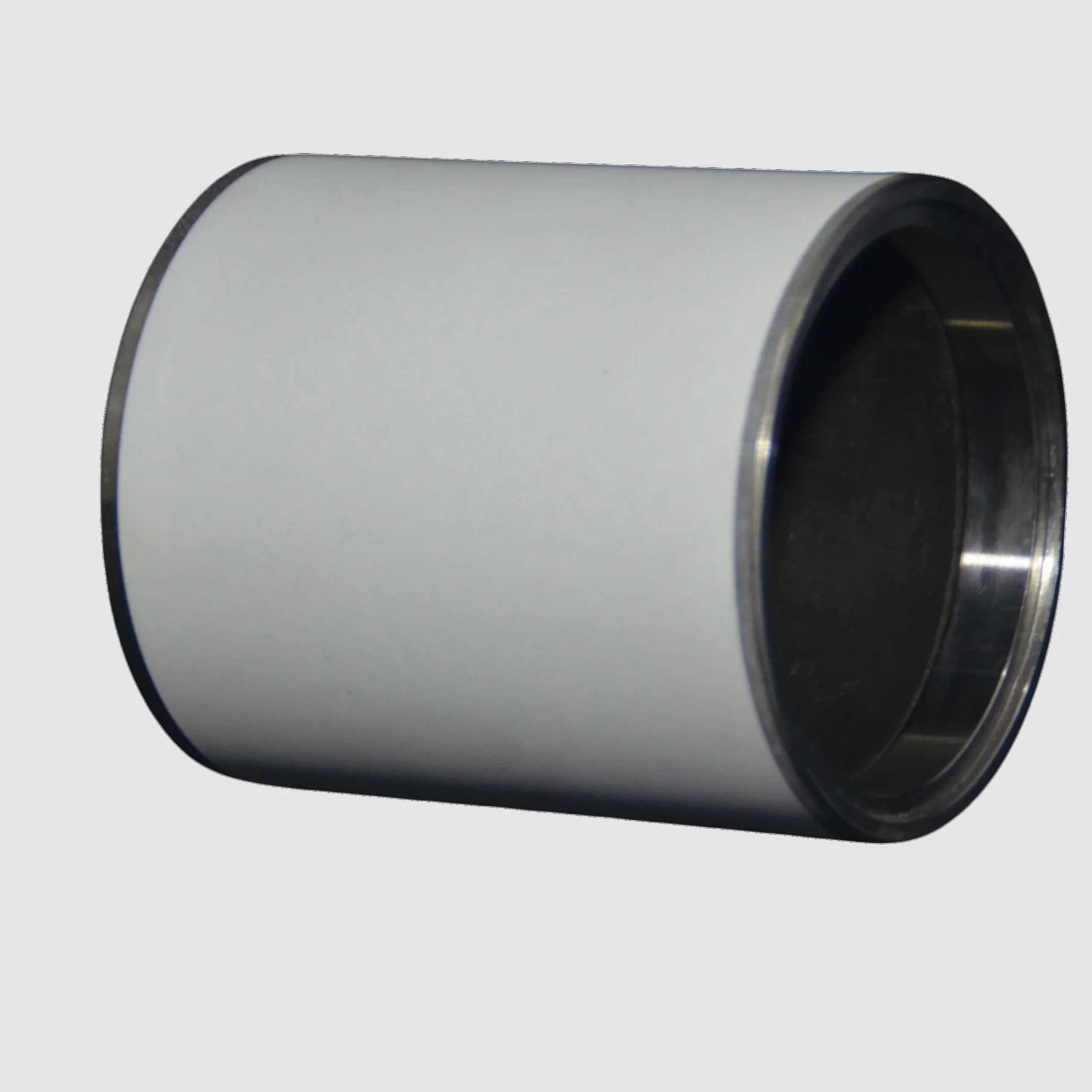
To be honest, things have been moving fast in the pump world lately. Everyone's talking about efficiency, energy savings… and, of course, how to squeeze every last drop of performance out of these things. I've been seeing a lot of designs trying to do too much, too quickly. They end up overcomplicated, a nightmare to maintain out in the field. Have you noticed that? It’s like engineers forget these pumps live in the real world, covered in muck and getting bashed around.
You think you've got a clever solution on paper, but then you get to the factory, and the welders are looking at you sideways because your design is impossible to actually build without a ton of extra time and expense. I encountered this at a foundry in Zhejiang last time; they were trying to use a new alloy for the impeller, said it was 'revolutionary'. Turned out it was brittle as hell and cracked during the first stress test. Anyway, I think simplicity is key. A well-designed, robust vertical slurry pump that's easy to repair… that's worth its weight in gold.
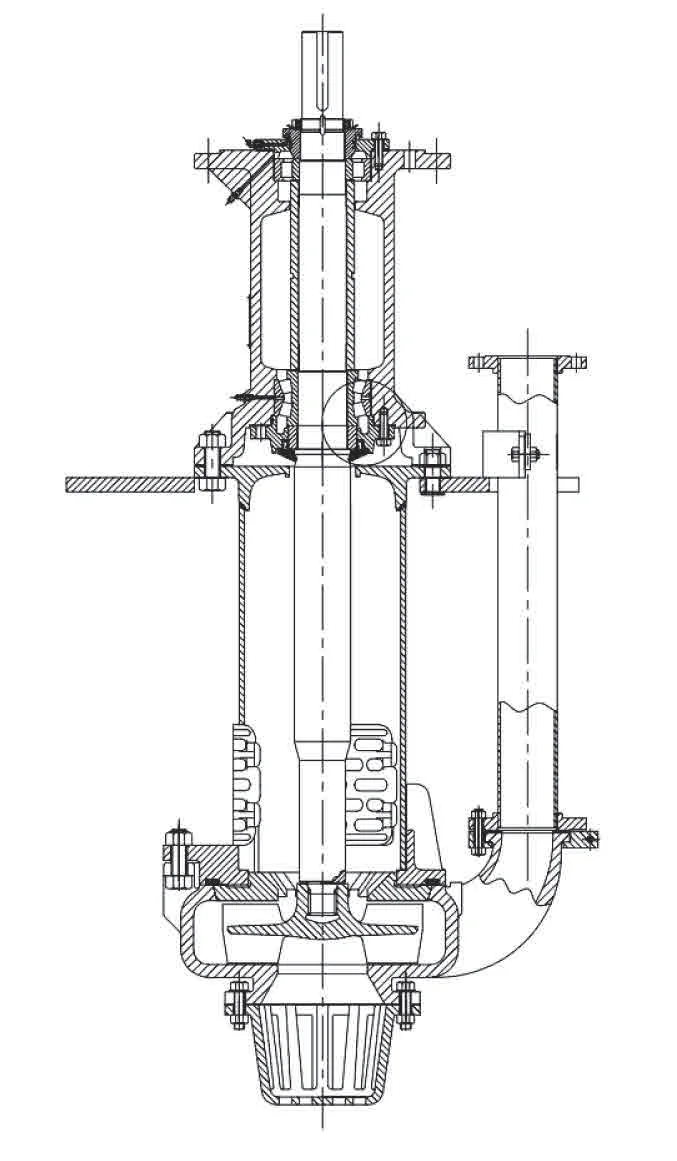
The Current Landscape of Vertical Slurry Pumps
Strangely enough, everyone wants bigger now. Bigger flow rates, bigger solids handling. It's all about throughput, apparently. But that means more power, more wear and tear. We’re also seeing a push towards more specialized pumps – for specific gravity, for abrasive materials, for corrosive chemicals. It's good, I guess, that people are tailoring solutions, but it also means more parts to stock and more training for the guys on-site. It’s a balance.
The demand for vertical slurry pump is definitely rising globally. Places like Southeast Asia, Africa, South America – they're all undergoing massive infrastructure development, and that means a lot of dredging, mining, and wastewater treatment. I read a report from the UN last year saying that water scarcity is projected to affect over two billion people by 2050, which means investment in water management technologies like these pumps is going to be huge.
Design Pitfalls and Common Mistakes
Oh, boy, where do I even start? One of the biggest things I see is undersized motors. People trying to save a few bucks upfront, and then the pump is struggling from day one. It's a false economy. Another thing is neglecting the suction side. If you don't have a good suction lift, you're going to get cavitation, and that’ll eat your impeller alive.
And seals! Don't even get me started on seals. Too many designs rely on flimsy, off-the-shelf seals that can't handle the abrasive slurry. You need something robust, something that can withstand constant rubbing and impact. I once saw a pump completely seize up because the seal failed, and sand got into the bearings. Nightmare.
Also, accessibility. Think about maintenance! Can you easily get to the impeller for inspection or replacement? If not, you’re looking at hours of downtime and a lot of frustrated technicians.
Materials Matter: A Hands-On Perspective
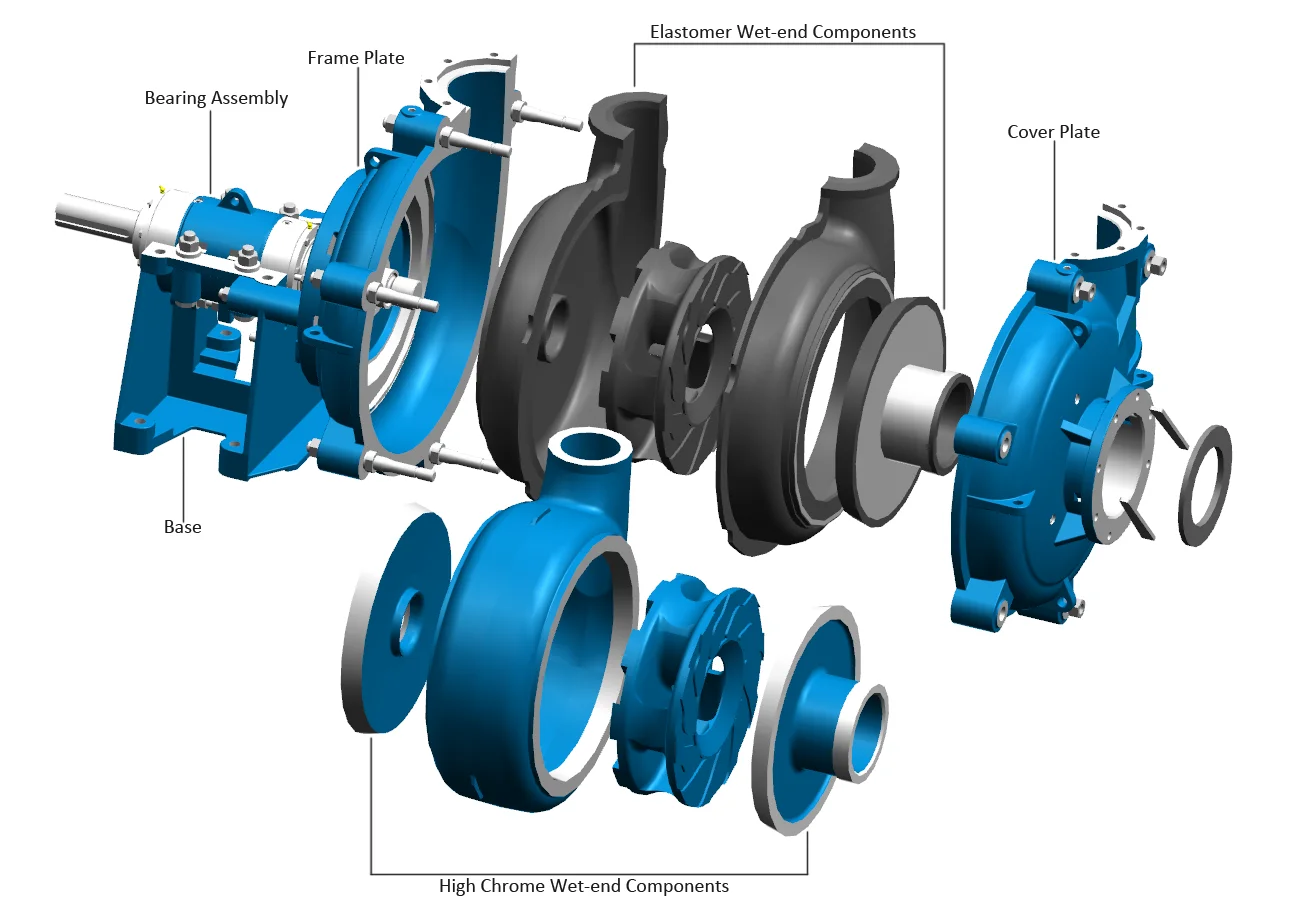
To be honest, the material selection is crucial. You've got your standard cast iron, which is okay for less abrasive slurries, but it wears down quickly. Then you've got your high-chrome iron, which is much more resistant to abrasion. You can smell the difference, you know? High-chrome has this metallic tang to it.
I've been working with a lot of ceramic-lined pumps lately. They’re expensive, yeah, but they’re incredible for handling highly corrosive slurries. The ceramic is smooth and cool to the touch. It feels almost… indestructible. We also use a lot of rubber linings, particularly for pumps handling slurries with large solids. The rubber absorbs the impact and protects the pump casing. It’s got this almost bouncy feel.
Polyurethane elastomers are becoming more popular too. They’re lighter than rubber, but still offer good abrasion resistance. They have a bit of a plastic smell, but they’re surprisingly durable. You really have to get your hands dirty to appreciate the differences.
Real-World Testing and Performance Evaluation
Forget the lab tests, okay? Those are fine for getting a baseline, but they don't tell the whole story. I want to see these pumps running in the field, under real-world conditions. I want to see how they handle the varying solids content, the fluctuating temperatures, the unexpected debris.
We do a lot of pilot testing. We'll set up a pump at a customer's site and run it for a week or two, monitoring its performance and collecting data. We'll check the wear rates, the power consumption, the vibration levels. I’ve seen pumps that looked great on paper completely fall apart after just a few days of actual use.
Vertical Slurry Pump Performance Metrics
How Vertical Slurry Pumps Are Actually Used
People think it's just mining and dredging, right? It's way more than that. Wastewater treatment plants, chemical processing facilities, even power plants – they all rely on these pumps to move abrasive and corrosive fluids. I've seen them used to pump everything from coal slurry to sewage to fly ash.
And it’s rarely as straightforward as the engineers plan. Operators will try to push these things to their limits, running them dry, overloading them with solids, bypassing safety features. You gotta design for the real world, for the guys who are actually running the equipment, not the ideal conditions in the brochure.
Advantages and Disadvantages: The Honest Truth
Okay, the advantages are pretty clear: vertical pumps take up less space, they're easier to maintain because the motor is above the liquid, and they can handle a wider range of solids than some other pump types. Plus, they’re generally more efficient.
But, let's be real, they’re not perfect. They can be more expensive upfront, especially the high-end models. And they can be susceptible to cavitation if the suction conditions aren't right. And sometimes, oddly enough, the vertical configuration makes it harder to get a good prime. You end up having to fiddle with it for ages. I also find that sometimes the lower bearing can be a real pain to access. Anyway, I think you’ve gotta weigh the pros and cons carefully for each specific application.
Customization and Specific Applications
We do a lot of customization. Everything from changing the impeller material to adding special coatings to the pump casing. I once had a customer in a phosphate mine who wanted a pump with a hardened stainless steel impeller and a tungsten carbide coating on the volute. It was expensive, but it lasted three times longer than a standard pump in that environment.
Just last month, that small boss in Shenzhen who makes smart home devices insisted on changing the interface to , saying it was 'more modern' and 'appealed to a younger demographic.' The result was a complete disaster. He ended up needing a custom adapter just to connect it to the existing piping, and the adapter kept leaking. You gotta know when to say no, even if the customer is paying you.
We’re also seeing a demand for pumps with integrated sensors and monitoring systems. People want to know how their pumps are performing in real-time, so they can optimize their operations and prevent failures.
Key Performance Indicators for Vertical Slurry Pump Selection
| Application | Material Selection | Maintenance Frequency | Typical Lifespan (Years) |
|---|
| Dredging River Sediment | High-Chrome Iron | Monthly Inspection, Annual Overhaul | 3-5 |
| Coal Slurry Transport | Rubber-Lined Steel | Bi-Weekly Inspection, Bi-Annual Overhaul | 5-7 |
| Wastewater Treatment (Highly Abrasive) | Ceramic Lined | Quarterly Inspection, Annual Overhaul | 7-10 |
| Chemical Processing (Corrosive) | Special Alloy (e.g., Hastelloy) | Monthly Inspection, Semi-Annual Overhaul | 4-6 |
| Mining (High Solids Concentration) | Polyurethane Elastomer | Weekly Inspection, Annual Overhaul | 2-4 |
| Fly Ash Handling (Power Plants) | High-Chrome Iron with Protective Coating | Monthly Inspection, Bi-Annual Overhaul | 6-8 |
FAQs
Honestly, it's not understanding the slurry itself. People focus too much on flow rate and head, and not enough on the solids content, particle size, and abrasiveness. You need to know exactly what you’re pumping before you can select the right pump. I've seen so many pumps fail because the impeller was completely destroyed by unforeseen grit.
In a really harsh environment? At least monthly. Check the seals, the bearings, the impeller for wear. Look for any signs of vibration or unusual noise. And don't just visually inspect it – actually take it apart and check the internal components. It’s a pain, yeah, but it can save you a lot of downtime in the long run.
That’s a tough one. Typically, you’ll want something like a special alloy – Hastelloy C-276 is a good option. Ceramic linings can also work well. You need a material that’s completely resistant to corrosion, or it’ll eat the pump alive. Regular stainless steel just won’t cut it.
They can, but you need to choose the right pump with a large impeller passage. Rubber linings are also helpful in protecting the pump from impact damage. It’s also crucial to control the flow rate to prevent clogging. You don't want to overload the pump with too many solids at once.
A VFD lets you control the pump's speed, which can save you energy and reduce wear and tear. It’s especially useful if the slurry flow rate varies over time. You can adjust the speed to match the demand, rather than running the pump at full speed all the time. But, and this is important, you need to make sure the motor and pump are VFD-compatible.
Cavitation is the enemy! Make sure your suction lift is within acceptable limits, and that you don’t have any restrictions in the suction line. Also, check the net positive suction head available (NPSHa) and ensure it’s greater than the net positive suction head required (NPSHr) by the pump. It’s a bit technical, but it’s crucial for preventing cavitation.
Conclusion
Ultimately, these vertical slurry pumps are workhorses. They're not glamorous, but they keep things moving. They need to be built tough, selected carefully, and maintained diligently. It’s a balancing act of performance, cost, and reliability. You can spend all the money in the world on fancy designs and high-tech materials, but it won't matter if the pump isn't built to withstand the harsh realities of the job site.
And honestly, whether this thing works or not, the worker will know the moment he tightens the screw. That’s the real test. If it feels solid, if it runs smooth, if it lasts… then you’ve done your job right. For more information and to explore specific pump solutions for your needs, visit our website: www.qualityslurrypump.com.