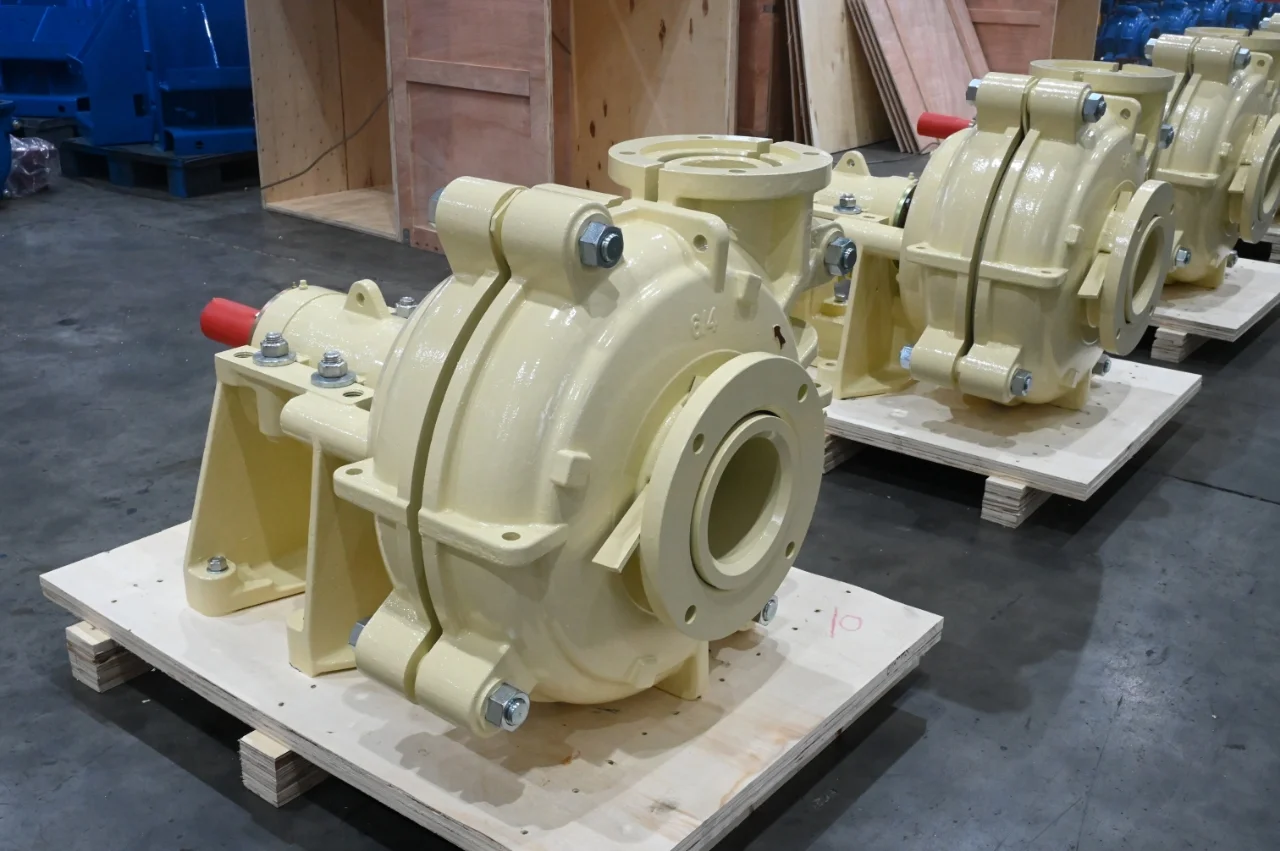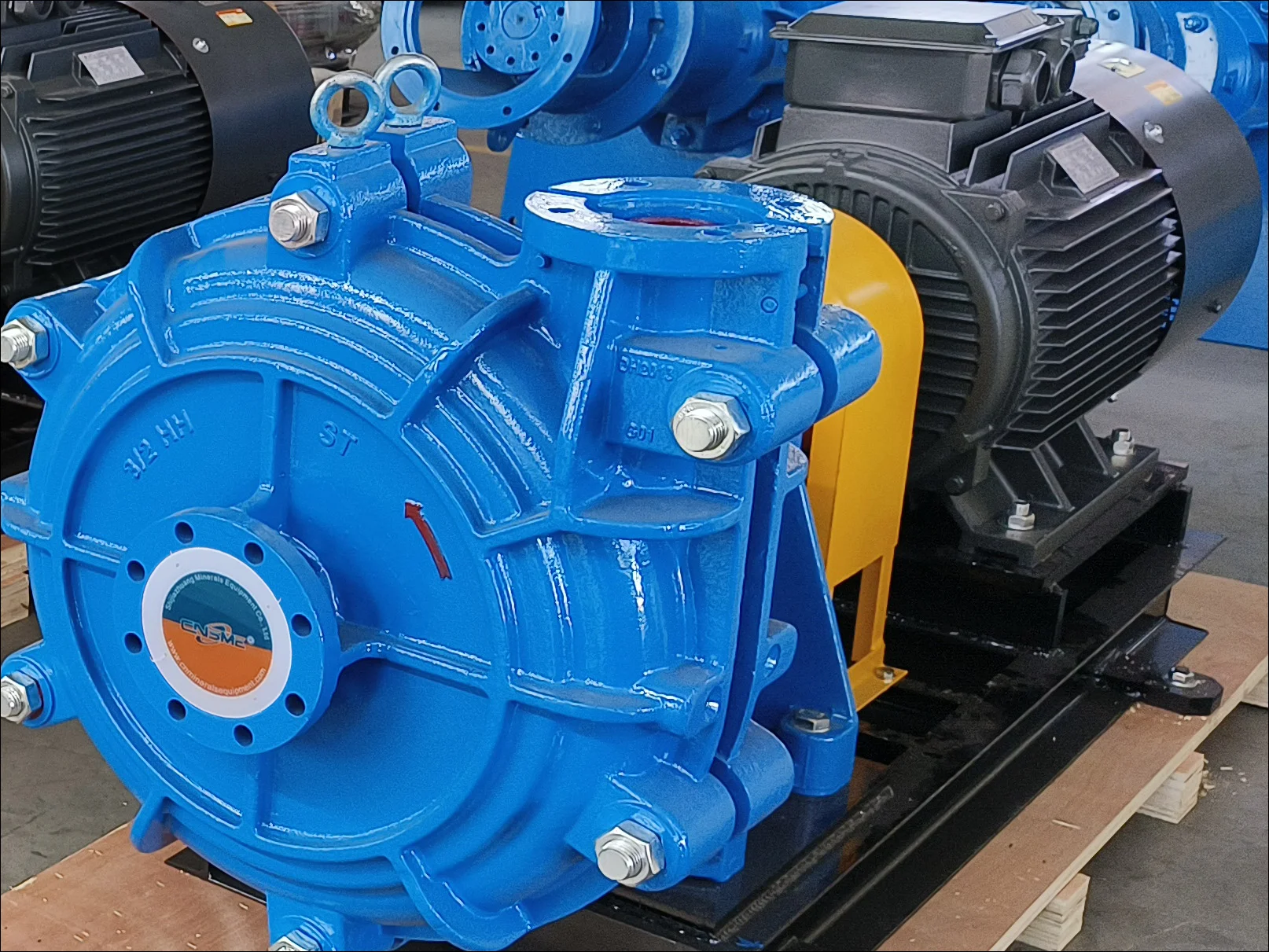
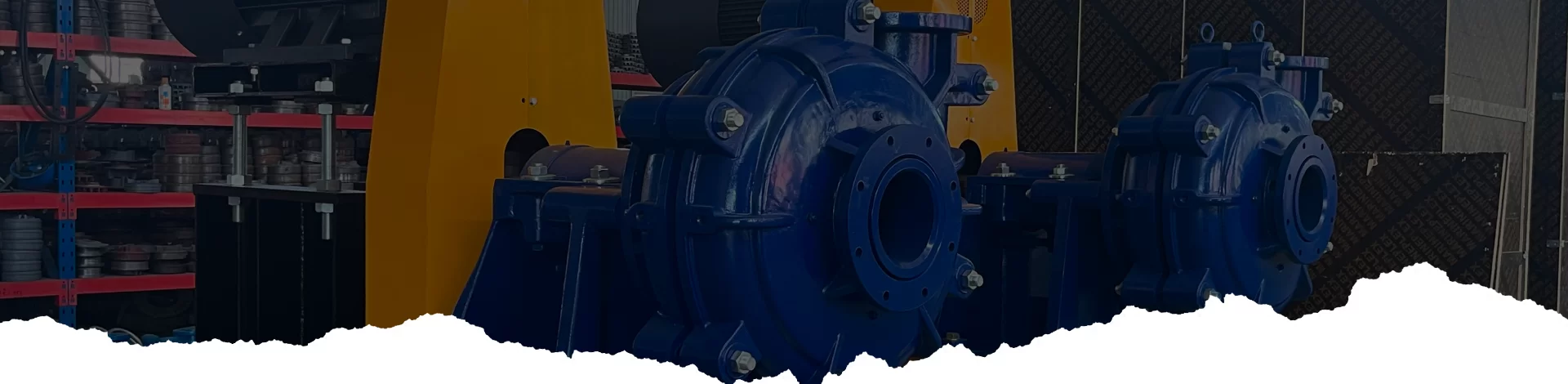
Look, I've been running around construction sites for over a decade now, and honestly, the biggest thing I’m seeing lately is everyone chasing higher flow rates. It's like a horsepower war, you know? Everyone wants the biggest, baddest dredge pump on the block. They think bigger equals better. But… it's not always that simple.
Have you noticed, a lot of these designs, they look fantastic on paper, all sleek and optimized. But then you get them on-site, and they're a nightmare to maintain. Too many tight spaces, proprietary fittings, stuff like that. It’s like the engineers designing these things have never actually touched a wrench. They forget that someone has to disassemble this thing in the pouring rain at 3 AM.
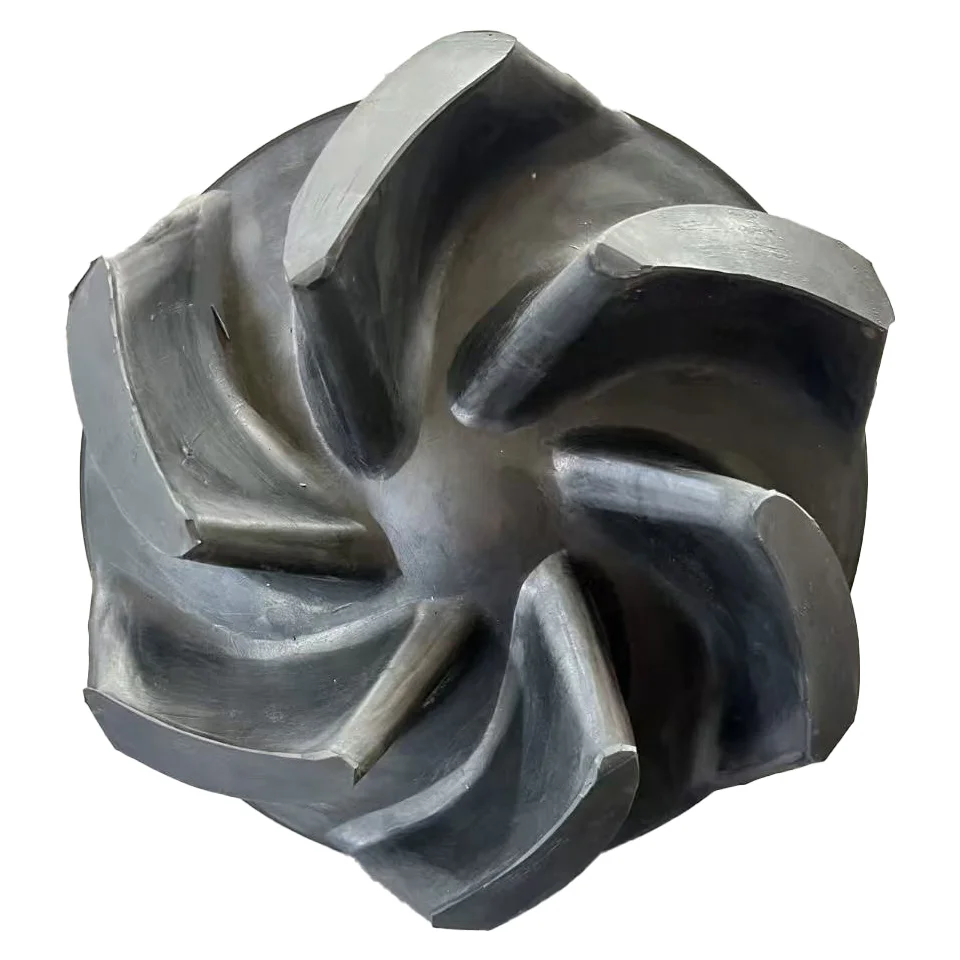
And it's not just the design. The materials...people are constantly trying to cut corners. We've really started standardizing on high-chrome iron for the impeller and casing. It’s heavy, sure, smells a bit like metal shavings when you first machine it, and getting a good weld requires a specialist, but it holds up. We tested a batch with a cheaper alloy last year, thinking we could save a buck. Lasted about a week. A week.
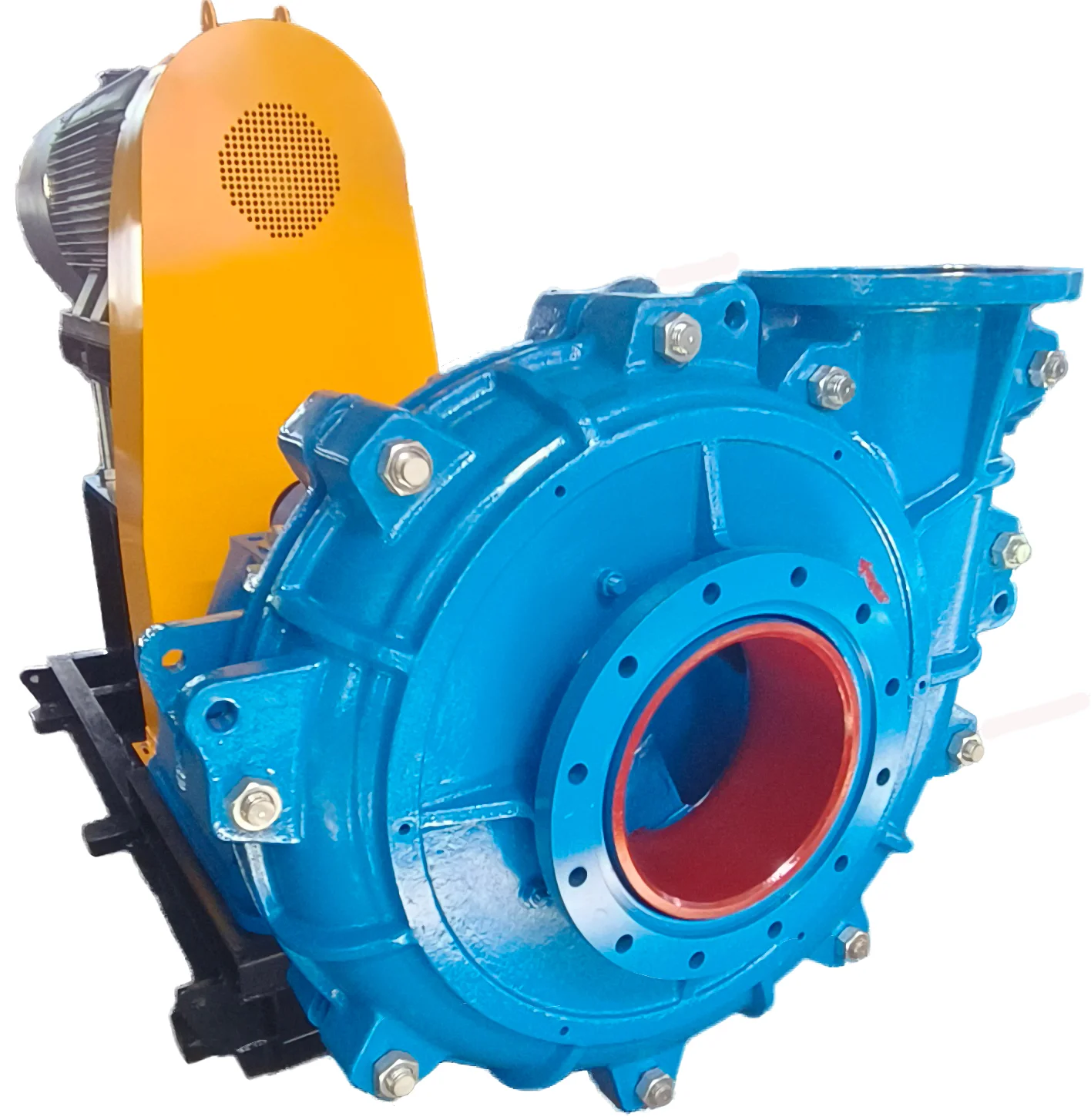
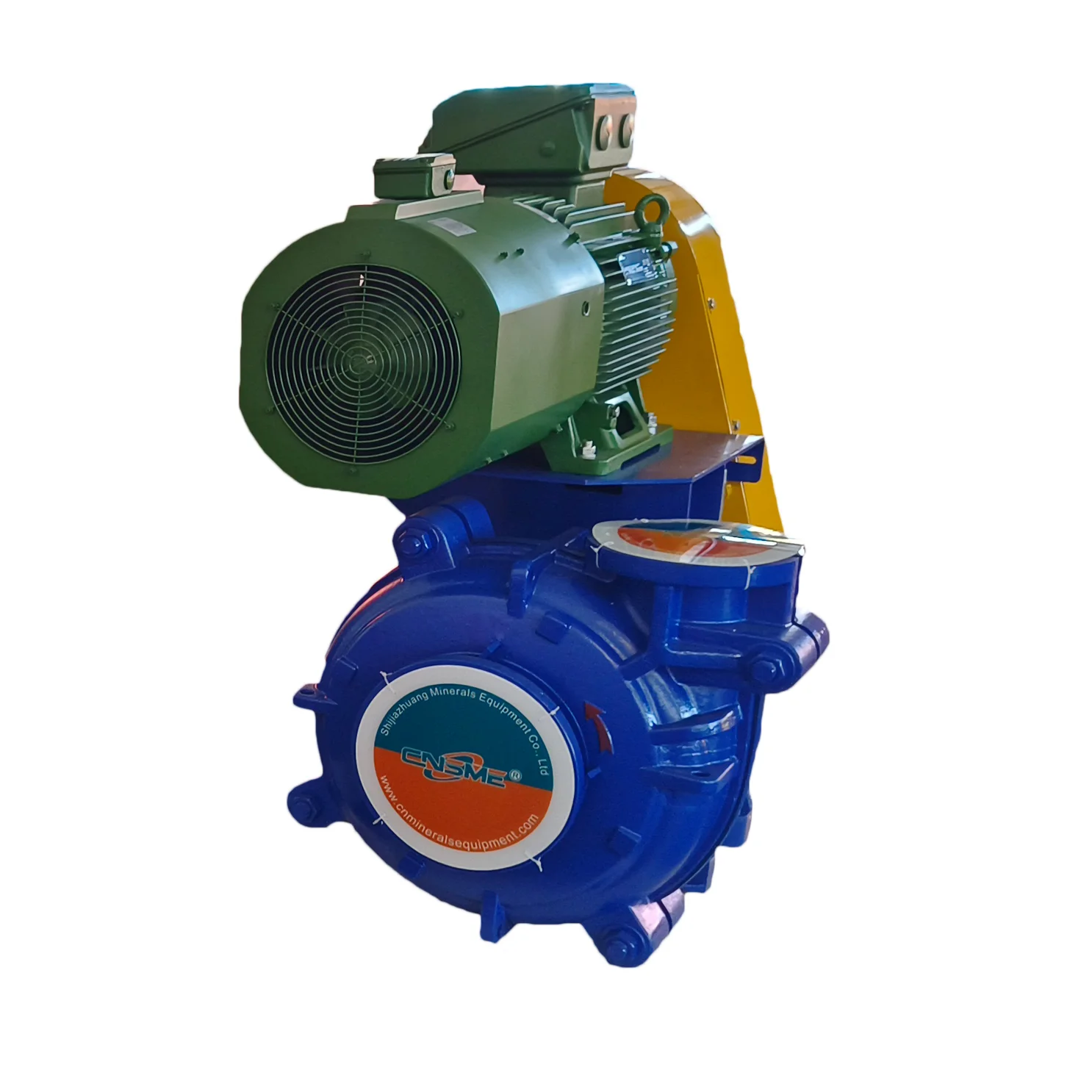
Strangely enough, a lot of the innovation right now isn't in the pump itself, it's in the monitoring systems. Everyone wants remote diagnostics, predictive maintenance...the whole IoT package. Which, okay, fine. Makes life easier for the guys in the office. But it doesn't change the fact that you still need a guy to climb into a pit and fix a clogged impeller.
There’s also a push toward variable frequency drives (VFDs). That’s useful for energy savings, sure, but they're sensitive. One power surge and you're looking at a hefty repair bill. I encountered this at a desalination plant in Saudi Arabia last time, a whole system went down because of a sandstorm and a dodgy VFD.
Honestly, prevention is key. Using a screen or strainer on the suction side is a must. It's basic, but it works. Also, making sure your slurry is properly mixed before it enters the pump helps a lot. And regularly inspecting the impeller for wear and tear can prevent smaller particles from building up and causing a blockage. It sounds simple, but people skip these steps all the time.
That depends on what you’re pumping, but as a general rule, I’d say at least once a year, maybe twice if you're dealing with highly abrasive materials. Don’t wait for it to leak! By then, you’ve already got potential damage to other components. It’s cheaper to replace a seal proactively than to fix a bigger problem later.
Generally, a high-quality synthetic grease is your best bet. It can withstand higher temperatures and provides better protection against corrosion. Don't skimp on the grease! It's a small cost that can save you a lot of headaches down the road. And make sure you’re following the manufacturer’s recommendations for lubrication intervals.
First, shut it down immediately! Excessive vibration is a sign of something serious. Check the alignment of the pump and motor. Also, inspect the impeller for damage or imbalance. Tighten all the bolts. If the vibration persists, you might have a bearing failure or a cracked casing. Don’t ignore it!
That's a good question. It depends on the flow rate you need, the head pressure, and the characteristics of the slurry. Don’t just guess! Talk to a pump specialist. They can help you calculate the right size pump based on your specific requirements. An undersized pump won't get the job done, and an oversized pump will waste energy.
Ignoring the warning signs. A little bit of noise, a slight decrease in flow rate...these are all indicators that something is wrong. People often try to push through, hoping it will go away. It almost never does. Address the issue early, before it turns into a major breakdown. Trust me on this one.
So, yeah, dredge pump are complicated machines. There's a lot more to it than just horsepower and flow rate. It’s about materials, design, maintenance, and understanding how people actually use them. You can have the fanciest pump in the world, but if it’s not reliable and easy to maintain, it’s just a paperweight.
Ultimately, whether this thing works or not, the worker will know the moment he tightens the screw. That's the bottom line. And that's why I spend so much time out there, getting my hands dirty and talking to the guys on the ground. Because they're the ones who really know what works and what doesn't.

bscribe newslette