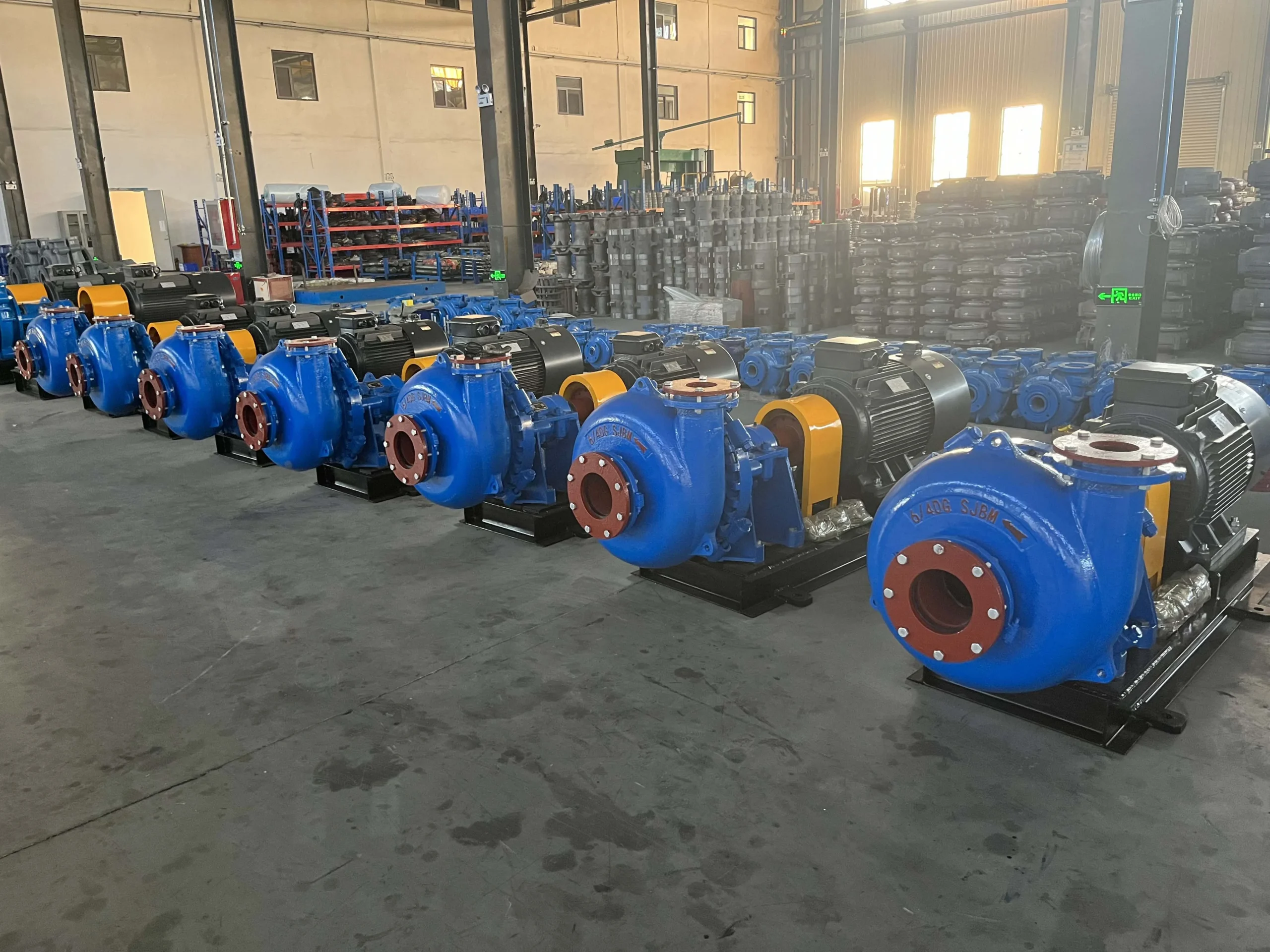
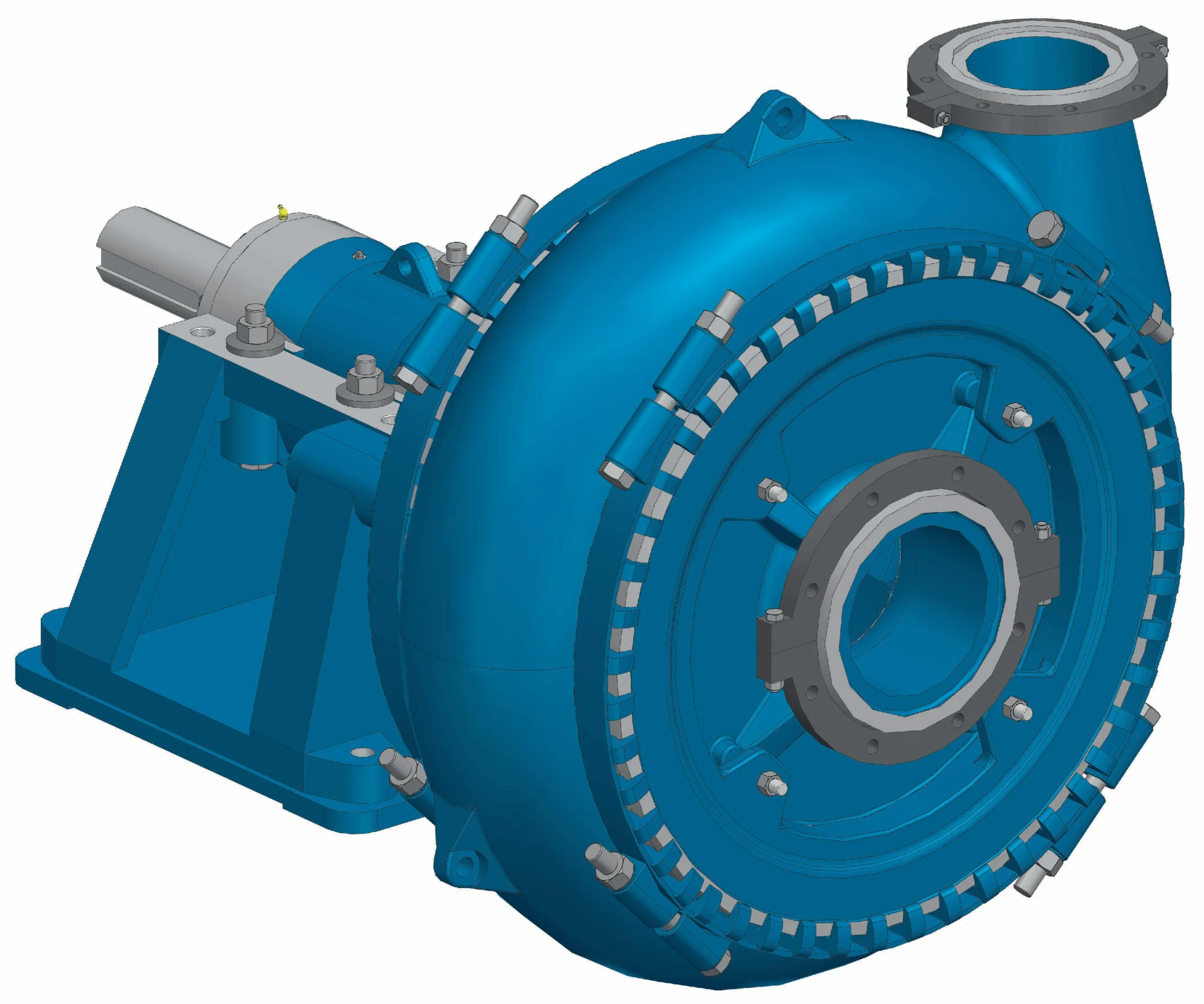
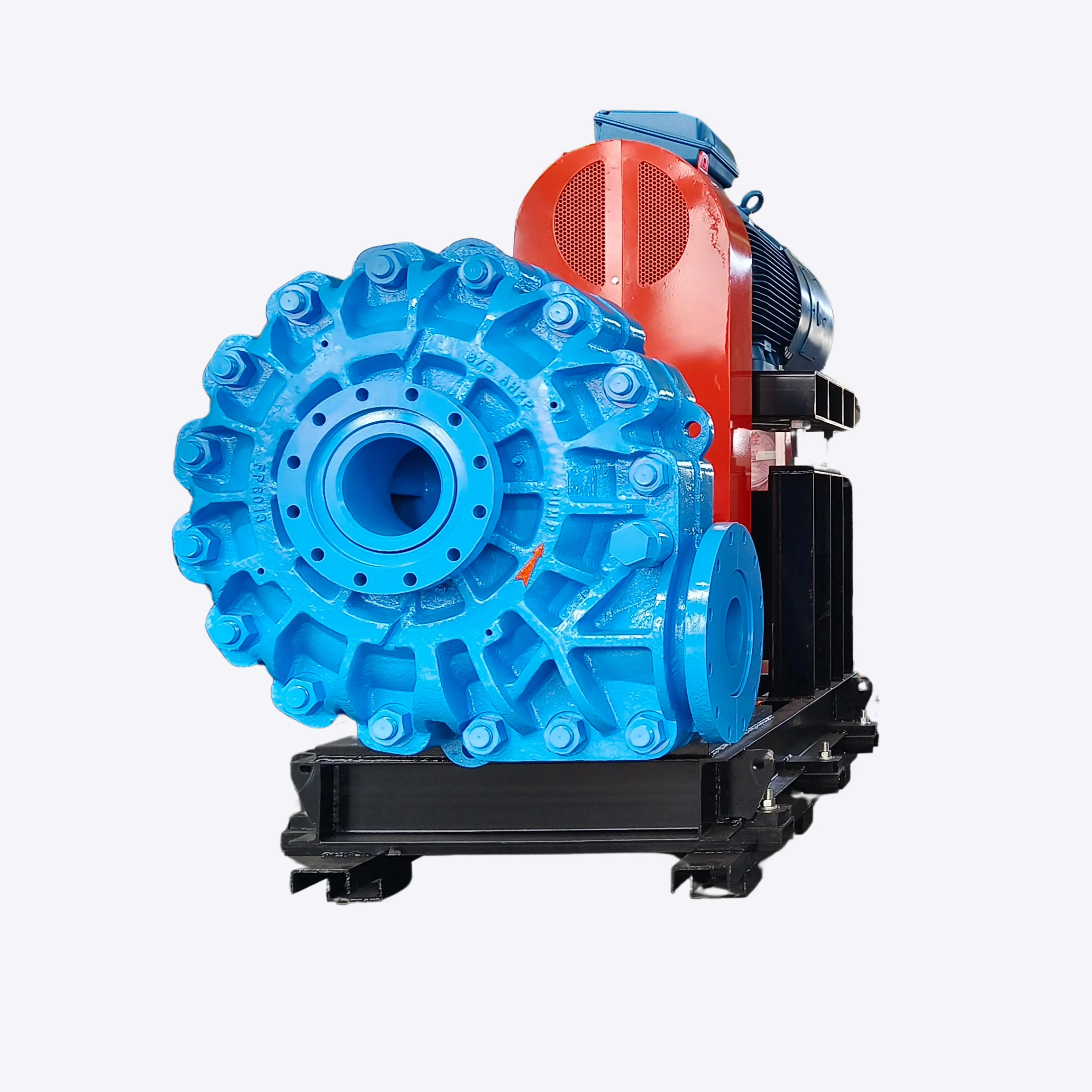
Warman slurry pump replacement is a critical component of maintaining operational efficiency and minimizing downtime across various industries, including mining, dredging, and wastewater treatment. The lifespan of these pumps is dictated by the abrasive nature of the materials they handle, necessitating periodic replacement to avoid catastrophic failures and maintain consistent performance. Understanding the nuances of warman slurry pump replacement—from selecting the right replacement parts to implementing effective maintenance strategies—is paramount for maximizing return on investment and ensuring safe operation.
Globally, industries rely heavily on robust pumping solutions for processing and transporting abrasive slurries. The demand for reliable warman slurry pump replacement parts and services is consistently high, driven by the constant need to upgrade aging infrastructure and adapt to evolving operational requirements. The United Nations estimates that sustainable industrialization, which often relies on efficient slurry handling, is a key driver for economic growth in developing nations, further underlining the importance of this field.
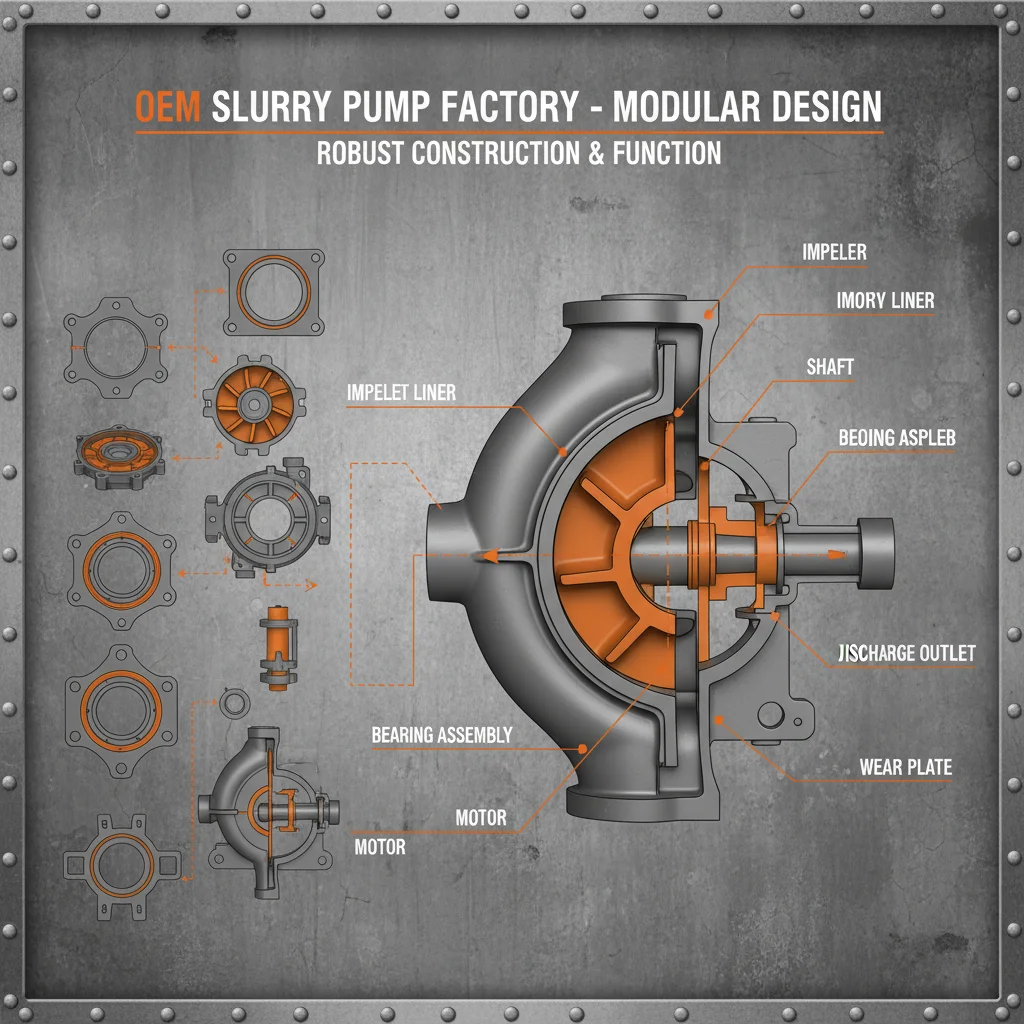
Effective warman slurry pump replacement isn’t simply about swapping out a worn component; it encompasses a comprehensive assessment of the system, including impeller selection, casing material compatibility, and seal integrity. This proactive approach minimizes the risk of repeat failures and optimizes overall system performance, contributing to both economic and environmental sustainability.
Introduction to warman slurry pump replacement
The process of warman slurry pump replacement is integral to the continuous operation of numerous industrial processes. These pumps are specifically designed to handle highly abrasive materials, and over time, components wear down, leading to reduced efficiency and potential breakdowns. Proactive replacement strategies minimize costly downtime and maintain production targets.
Understanding the lifecycle of a warman slurry pump, recognizing the signs of wear, and implementing a well-defined replacement schedule are key to maximizing the lifespan of the equipment and minimizing total cost of ownership. It’s more than just changing parts; it's a holistic approach to maintaining a critical infrastructure component.
Defining warman slurry pump replacement
Warman slurry pump replacement refers to the process of substituting worn or damaged components of a warman slurry pump with new or refurbished parts. This can range from replacing individual components like impellers, liners, and seals to a complete pump overhaul. The goal is to restore the pump to its original operational capacity and prevent failures that could disrupt production or damage downstream equipment.
This isn't merely a maintenance task; it's a crucial element in ensuring the longevity and reliability of slurry handling systems across industries. It’s connected to modern industry by the growing need for efficient and sustainable material handling, reducing environmental impact, and maximizing productivity.
In humanitarian contexts, reliable pumps are also required to move slurry and process water in sanitation systems. Efficient warman slurry pump replacement contributes to the effectiveness and sustainability of these systems, improving public health and wellbeing.
Core Components of warman slurry pump replacement
Several core factors influence the effectiveness of a warman slurry pump replacement. Durability is paramount, requiring selection of high-quality materials resistant to abrasion and corrosion. The choice of materials directly impacts the pump's lifespan and operational cost.
Compatibility between replacement parts and the existing pump system is crucial. Ensuring that the impeller, casing, and seals are properly matched avoids performance issues and potential damage. Cost-effectiveness plays a significant role, balancing initial purchase price with long-term reliability and maintenance costs. Performance optimization—choosing replacement parts that enhance efficiency and reduce energy consumption—further contributes to long-term savings. Finally, availability of replacement parts and qualified technicians can minimize downtime and ensure timely repairs.
These aspects translate directly into practical applications. For instance, in a mining operation, selecting a highly durable impeller made of specialized alloys can significantly extend the pump's operating life in abrasive slurry conditions. Ensuring compatibility prevents premature wear and failure of other components, while optimizing performance reduces energy costs associated with pumping. In wastewater treatment plants, availability of spare parts is vital to maintain continuous operation and avoid environmental contamination.
Effective warman slurry pump replacement also involves a thorough understanding of the slurry composition. The size, shape, and hardness of particles within the slurry will influence the rate of wear on pump components. Accurate assessment and appropriate material selection can drastically improve pump longevity.
Global Applications of warman slurry pump replacement
Warman slurry pump replacement is vital across a wide spectrum of industries and geographical locations. In the mining sector (Australia, Chile, South Africa), replacement parts are consistently needed to handle abrasive ore slurries during extraction and processing. In the dredging industry (Netherlands, China, USA), pumps require regular maintenance and replacement due to the constant handling of sand, gravel, and sediment.
Wastewater treatment plants globally rely on slurry pumps to move and process sludge, necessitating frequent replacement of worn components. In remote industrial zones (Canada, Siberia), where access to parts and service can be challenging, having a reliable supply chain for warman slurry pump replacement is particularly crucial.
Even in post-disaster relief operations, slurry pumps play a critical role in removing debris and restoring infrastructure, highlighting the need for readily available replacement parts and the expertise to facilitate swift repairs.
warman slurry pump replacement Method Effectiveness
Advantages and Value of warman slurry pump replacement
The tangible benefits of proactive warman slurry pump replacement extend far beyond simply avoiding breakdowns. Cost savings are significant, stemming from reduced downtime, lower energy consumption (with optimized components), and prevention of costly repairs to downstream equipment. Sustainability is enhanced through extended pump lifespan and reduced material waste.
From a reliability perspective, consistent replacement of worn parts ensures continuous operation, which is vital for many industrial processes. The emotional benefit of knowing your system is dependable fosters trust and peace of mind. The investment in quality replacement parts contributes to long-term operational safety, protecting personnel and preventing environmental incidents.
Future Trends in warman slurry pump replacement
Emerging technologies are poised to revolutionize warman slurry pump replacement. Predictive maintenance utilizing sensor data and machine learning algorithms will enable proactive identification of failing components, optimizing replacement schedules and minimizing unexpected downtime. Advances in materials science are leading to the development of more abrasion-resistant alloys, extending pump lifespans.
Digital twin technology will allow for virtual modeling of pump systems, enabling engineers to simulate different operating conditions and optimize replacement strategies. Automation of the replacement process itself, through the use of robotics, will enhance efficiency and reduce labor costs.
Challenges and Solutions in warman slurry pump replacement
A common challenge in warman slurry pump replacement is accurately assessing the wear condition of internal components without complete disassembly. Innovative inspection techniques, such as non-destructive testing methods, are being developed to address this issue. Another challenge is the availability of qualified technicians, particularly in remote locations. Remote diagnostic capabilities and training programs can help mitigate this issue.
Supply chain disruptions can also create challenges in sourcing replacement parts. Establishing strong relationships with multiple suppliers and maintaining strategic inventory levels can help ensure a consistent supply. Furthermore, the increasing complexity of slurry pump systems necessitates ongoing training and skill development for maintenance personnel.
Ultimately, a collaborative approach involving pump manufacturers, end-users, and service providers is essential for overcoming these challenges and ensuring the long-term reliability and efficiency of warman slurry pump systems. This includes sharing data, developing best practices, and investing in innovative technologies.
Table Summarizing Solutions for Common warman slurry pump replacement Challenges
| Challenge | Impact on warman slurry pump replacement | Proposed Solution | Implementation Cost (1-10) |
|---|
| Inaccurate Wear Assessment | Premature or Delayed Replacement | Non-Destructive Testing (NDT) | 6 |
| Technician Skill Gap | Incorrect Installation & Maintenance | Specialized Training Programs | 7 |
| Supply Chain Disruptions | Delayed Replacements & Downtime | Multi-Supplier Sourcing & Inventory | 5 |
| Complex Pump Systems | Increased Diagnostic Difficulty | Digital Twin Technology | 8 |
| High Downtime Costs | Significant Production Losses | Predictive Maintenance Programs | 9 |
| Lack of Standardization | Inconsistent Replacement Practices | Industry-Wide Best Practice Guidelines | 4 |
FAQS
The lifespan varies greatly depending on the slurry's abrasiveness, the pump’s operating conditions, and the quality of the materials used. However, a typical major replacement – involving impellers, liners, and seals – often occurs every 12 to 24 months in demanding applications. Regular inspections and monitoring of performance indicators can help predict the optimal replacement time and prevent unexpected failures.
Selecting the correct replacement parts is crucial. Always refer to the pump’s original specifications and the manufacturer's recommendations. Consider the type of slurry being handled, its particle size and concentration, and the operating temperature and pressure. Using compatible materials and ensuring precise fit are essential for optimal performance and longevity.
Common signs include decreased flow rate, increased energy consumption, unusual noise or vibration, and visible wear or damage to pump components. Frequent breakdowns, leaks, or a noticeable drop in overall performance are also indicators that replacement may be necessary. Proactive monitoring of these indicators can prevent catastrophic failures.
Safety is paramount. Always disconnect the pump from the power source before beginning any maintenance or replacement work. Wear appropriate personal protective equipment (PPE), including gloves, safety glasses, and hearing protection. Ensure the area is well-ventilated and follow all lockout/tagout procedures. Proper training is essential for personnel involved in the replacement process.
Refurbished or aftermarket parts can be a cost-effective option, but it's crucial to ensure they meet the original manufacturer’s specifications and quality standards. Evaluate the supplier’s reputation and warranty offerings carefully. Using substandard parts can compromise pump performance and lead to premature failure.
Preventative maintenance is vital. Regular inspections, lubrication, and cleaning can significantly extend the pump’s lifespan. Monitoring key performance indicators (KPIs) such as pressure, flow rate, and vibration can help identify potential issues before they escalate. A well-defined preventative maintenance schedule minimizes downtime and optimizes overall efficiency.
Conclusion
In conclusion, warman slurry pump replacement is a multifaceted process critical to the reliable and efficient operation of numerous industries. By prioritizing durability, compatibility, and cost-effectiveness, coupled with embracing emerging technologies like predictive maintenance and digital twins, organizations can maximize the lifespan of their pumps, reduce downtime, and optimize overall performance. A proactive approach to warman slurry pump replacement isn't just about fixing a broken machine; it's about ensuring the continuity of essential processes and protecting vital assets.
Looking ahead, continuous innovation in materials science, sensor technology, and data analytics will further transform the field. Investing in training programs for maintenance personnel and fostering collaboration between manufacturers and end-users will be essential for unlocking the full potential of these advancements. Visiting qualityslurrypump.com provides access to expert advice, high-quality replacement parts, and tailored solutions to meet your specific needs.