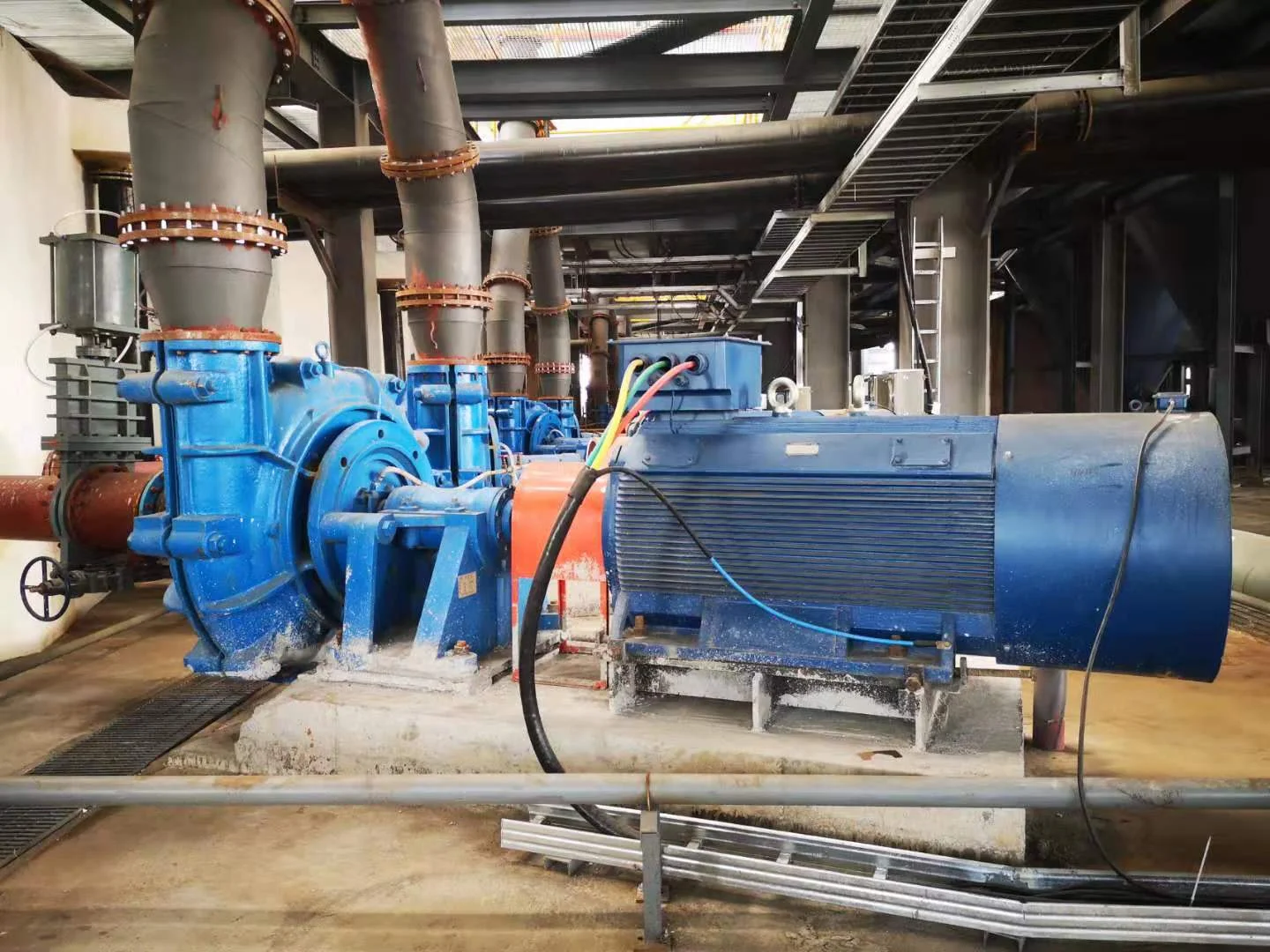
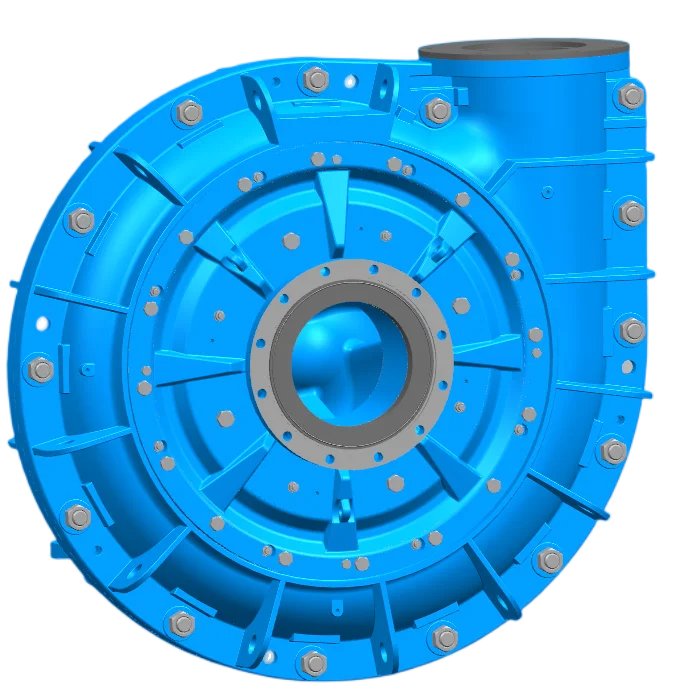
Slurry pump selection isn’t just about picking a pump; it’s about understanding the entire process system and predicting its long-term behavior. After years spent on sites – from Canadian oil sands to Australian mine tailings – you quickly learn a pump failure isn’t just a repair bill, it’s a disruption, a safety hazard, and potentially environmental damage. Understanding the nuances of slurry composition, flow rates, and abrasion resistance is crucial. A poorly chosen pump can lead to constant downtime, skyrocketing maintenance costs, and even catastrophic failures. That’s why a proper slurry pump selection guide is a foundational element of any successful operation.
The global impact is significant. From the mineral processing plants powering the green energy transition to wastewater treatment facilities ensuring public health, efficient slurry transport is essential. According to the World Bank, responsible mining practices – which heavily rely on reliable slurry systems – are vital for sustainable development. We’re seeing increasing demand for pumps that can handle ever-more-complex slurries, often with a focus on reducing energy consumption and minimizing environmental impact. Ignoring the details upfront leads to expensive retrofits and operational inefficiencies down the line – I've seen it happen too many times.
This isn’t some theoretical exercise. It’s about real-world applications and bottom-line performance. I’ve walked through plants where engineers spent weeks troubleshooting a single pump failure, only to discover it was the wrong pump for the job in the first place. A comprehensive understanding of slurry pump selection guide enables informed decisions, leading to increased productivity, reduced costs, and a safer working environment.
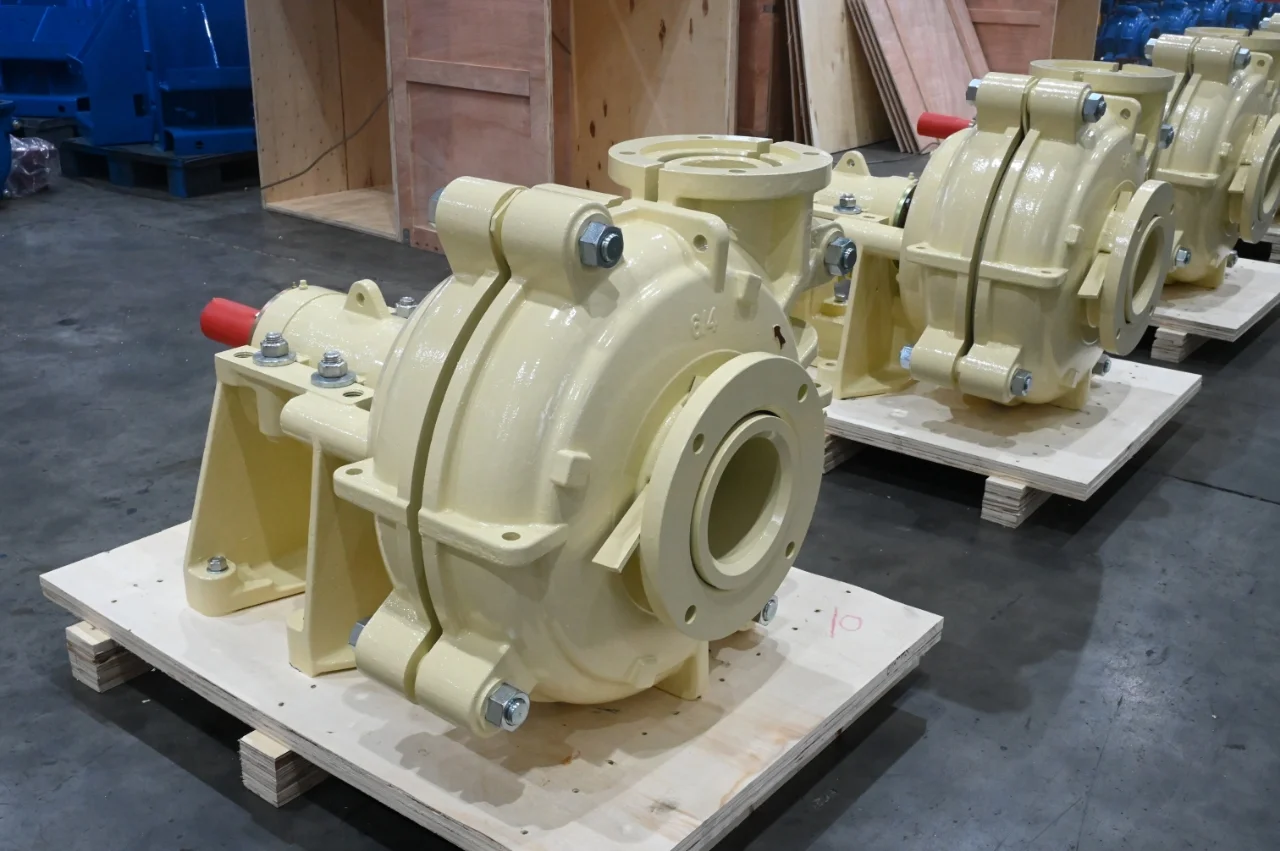
Key Considerations for Slurry Pump Selection
There's a lot to juggle when choosing a slurry pump. It’s not just about the initial cost. You need to consider the whole lifecycle, including energy consumption, maintenance requirements, and potential downtime. I've seen too many projects cut corners on the pump only to spend double fixing problems later. Flow rate and head are obvious, but understanding the solids content, particle size distribution, and slurry abrasiveness are critical. These factors directly impact pump wear and longevity.
Think of it like building a house: you don’t just pick the prettiest paint color. You start with a strong foundation. Similarly, a well-defined understanding of your slurry characteristics is the foundation for successful pump selection. Ignoring these basics is a recipe for disaster, and trust me, I've cleaned up enough disasters to know.
Understanding Slurry Characteristics
Slurry characteristics are arguably the most important factor in pump selection. You need to know exactly what you’re pumping. Is it highly abrasive? Is it corrosive? What's the solids concentration? Particle size makes a huge difference; smaller particles cause faster wear. I always tell my teams, “Know your slurry like the back of your hand.” Running lab tests to determine these properties is money well spent.
The rheology of the slurry – how it flows – is also vital. Some slurries behave like Newtonian fluids (water-like), while others are non-Newtonian and become thicker or thinner depending on shear rate. This impacts pump efficiency and can even cause blockages. Understanding these nuances is crucial for selecting the right pump type and impeller design.
And don’t underestimate the impact of temperature. High temperatures can affect viscosity and corrosion rates, impacting both pump performance and material selection. A proper slurry pump selection guide will always emphasize thorough slurry analysis.
Material Selection and Durability
Choosing the right materials is where experience really comes into play. Chrome alloys are common, but they’re not a universal solution. The type of abrasion – impact, erosion, or corrosion – dictates the optimal material. I’ve seen chrome pumps fail prematurely in highly corrosive environments where a duplex stainless steel would have lasted years longer.
Rubber linings are excellent for handling abrasive slurries, but they have limitations in terms of temperature and chemical compatibility. Ceramics offer exceptional wear resistance but can be brittle. The key is to carefully consider the specific slurry composition and operating conditions. There's no "one-size-fits-all" answer, and relying on a vendor who simply pushes their preferred material isn’t a good strategy.
Regular inspections and wear monitoring are also critical. Don't wait for a catastrophic failure. Implement a preventative maintenance program that includes checking impeller wear, liner thickness, and seal performance. A little proactive attention can save you a lot of headaches – and money – in the long run.
Pump Performance and Efficiency
Pump performance isn't just about meeting the required flow rate and head; it’s about doing so efficiently. An inefficient pump consumes more energy, increasing operating costs and carbon footprint. Look for pumps with high hydraulic efficiency and consider variable frequency drives (VFDs) to optimize performance based on changing process demands.
The pump's Net Positive Suction Head Required (NPSHr) must be carefully matched to the Net Positive Suction Head Available (NPSHa) in the system. Insufficient NPSHa can lead to cavitation, which damages the impeller and reduces pump performance. It's a common mistake, and one that can lead to very costly repairs.
Slurry Pump Selection Guide – Performance Factors
Global Applications of Slurry Pumps
Slurry pumps are everywhere, powering critical processes across numerous industries. In mining, they're essential for transporting ore slurries, tailings, and process water. In oil and gas, they handle drilling muds and produced water. Wastewater treatment plants rely on them to move sludge and other solids. And increasingly, they’re playing a vital role in renewable energy projects, such as transporting materials for biofuel production.
I’ve personally worked on projects in remote locations like the Mongolian Gobi Desert and the jungles of Indonesia, where reliable slurry pumping is essential for maintaining operations. In post-disaster relief operations, portable slurry pumps are used to quickly remove debris and contaminated water. These pumps are vital infrastructure.
Long-Term Value and Cost Analysis
The cheapest pump isn’t always the most cost-effective. A thorough life-cycle cost analysis is crucial. This includes the initial purchase price, installation costs, energy consumption, maintenance expenses, and potential downtime costs. It’s easy to get fixated on the upfront cost, but that’s a short-sighted approach.
Consider the total cost of ownership. A more expensive, high-quality pump with lower maintenance requirements and higher efficiency can often pay for itself over time. Investing in a robust pump designed for your specific application is a smart long-term investment, reducing the risk of costly repairs and unscheduled downtime.
Sustainability is also a growing factor. Energy-efficient pumps reduce carbon emissions and contribute to a more environmentally responsible operation. More and more companies are factoring environmental impact into their purchasing decisions.
Future Trends in Slurry Pump Technology
We're seeing exciting advancements in slurry pump technology. Smart pumps with integrated sensors and remote monitoring capabilities are becoming more common, allowing for predictive maintenance and optimized performance. Digital twins are being used to simulate pump behavior and identify potential issues before they arise.
New materials are constantly being developed, offering improved wear resistance and corrosion protection. Additive manufacturing (3D printing) is also emerging as a potential game-changer, enabling the creation of customized pump components with complex geometries. The trend is towards increased automation, data-driven insights, and more efficient and reliable slurry transport systems.
And of course, there's the push towards sustainability. Manufacturers are focusing on developing pumps that consume less energy and minimize environmental impact. This includes exploring new impeller designs, optimizing hydraulic efficiency, and utilizing more sustainable materials.
Summary of Key Considerations for Future Slurry Pump Technology
| Technology Area | Current Status | Potential Impact | Implementation Challenges |
|---|
| Smart Sensors & IoT Integration | Early adoption phase; limited widespread implementation | Predictive maintenance, optimized performance, reduced downtime | Data security concerns, integration complexity, cost of implementation |
| Digital Twin Technology | Primarily used in research and development; limited real-world applications | Virtual testing, performance optimization, failure prediction | High computational requirements, data accuracy, model validation |
| Additive Manufacturing (3D Printing) | Prototyping and small-scale production of pump components | Customized designs, reduced lead times, improved material properties | Material limitations, scalability, cost of production |
| Advanced Materials (Ceramics, Polymers) | Ongoing research and development of new materials with enhanced wear resistance | Extended pump life, reduced maintenance costs, improved performance in harsh environments | Cost, brittleness, limited availability |
| Energy Efficiency Improvements | Focus on optimizing impeller designs and reducing hydraulic losses | Lower energy consumption, reduced operating costs, smaller carbon footprint | Trade-offs between efficiency and solids handling capacity |
| Remote Monitoring and Control | Increasing adoption of remote monitoring systems for performance tracking | Real-time data analysis, proactive maintenance, improved operational efficiency | Network connectivity, data security, skilled personnel for data interpretation |
FAQs
Often, the biggest mistake is focusing solely on initial cost and neglecting a thorough slurry analysis. Without understanding the slurry’s characteristics – abrasiveness, solids content, chemical composition – you're essentially flying blind. This leads to premature wear, frequent failures, and ultimately, higher long-term costs. I’ve seen it happen countless times; it's a costly lesson.
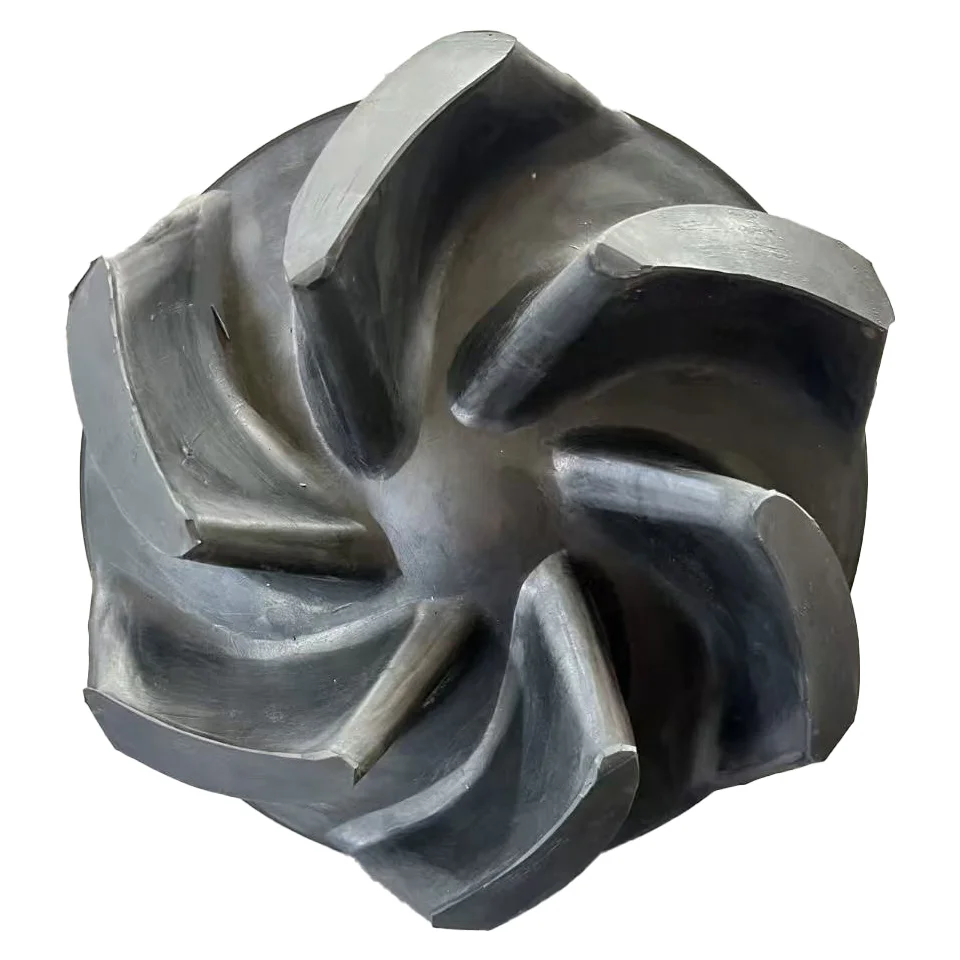
Impeller design is absolutely critical. Different impeller designs are suited for different slurry characteristics. For example, open impellers are better for handling slurries with large solids, while closed impellers are more efficient for clean liquids. The impeller material also needs to be carefully selected based on the slurry’s abrasiveness and corrosiveness. Getting the impeller wrong will significantly impact pump performance and lifespan.
NPSH (Net Positive Suction Head) is crucial for preventing cavitation, which is the formation of vapor bubbles inside the pump. Cavitation causes significant damage to the impeller and reduces pump efficiency. Ensuring that the NPSHa (Available) is always greater than the NPSHr (Required) is vital. This is a fundamental principle of pump operation often overlooked.
Liners should be inspected regularly – at least every six months, and more frequently in abrasive applications. The replacement frequency depends on the slurry’s abrasiveness and the liner material. Monitoring liner thickness is key. Waiting until the liner is completely worn through can lead to catastrophic damage to the pump casing. A preventative maintenance schedule is your best defense.
VFDs allow you to adjust the pump’s speed to match the flow rate requirements, saving energy and reducing wear. They’re particularly useful in applications with fluctuating demands. By running the pump at a lower speed when full flow isn’t needed, you can significantly extend its lifespan and reduce operating costs. They’ve become almost essential in modern slurry systems.
There are several resources available. Manufacturer websites, like Quality Slurry Pump, offer detailed technical specifications and application guides. Industry associations, such as the Hydraulic Institute, also provide valuable resources. Consulting with an experienced pump engineer is always a good idea, especially for complex applications.
Conclusion
Effective slurry pump selection isn’t simply about choosing a piece of equipment; it’s about understanding the entire system, predicting its behavior, and making informed decisions that optimize performance and minimize costs. A comprehensive slurry pump selection guide, combined with real-world experience and a commitment to preventative maintenance, is essential for success. It’s about more than just moving slurry; it’s about protecting your investment, ensuring safety, and maximizing efficiency.
Looking ahead, embracing new technologies like smart sensors and digital twins will be crucial for further optimizing slurry pump performance and reducing downtime. Investing in training and developing a skilled workforce is equally important. A proactive approach to pump selection and maintenance will not only save you money but also contribute to a more sustainable and reliable operation. Visit our website at www.qualityslurrypump.com to learn more and explore our range of slurry pump solutions.