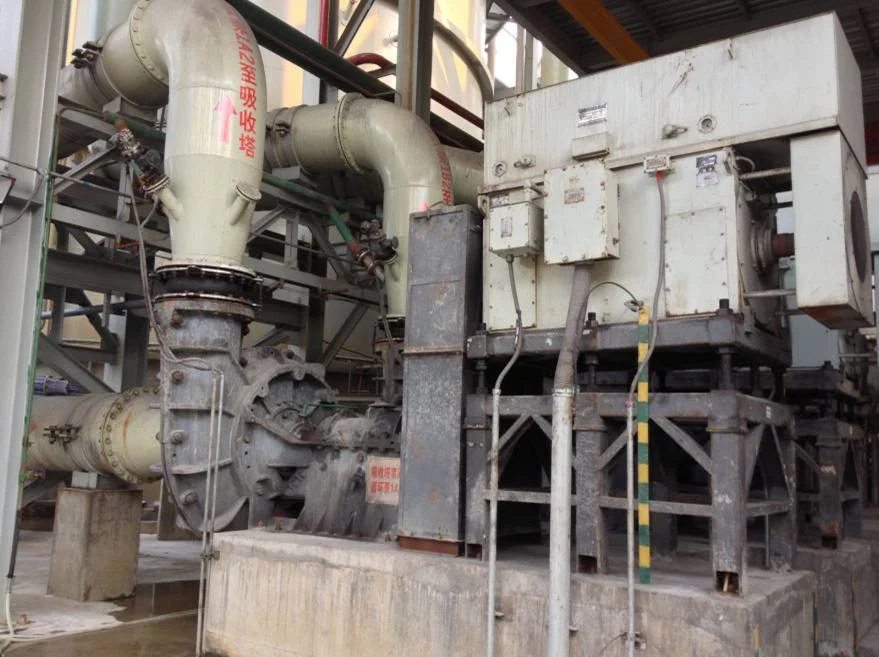
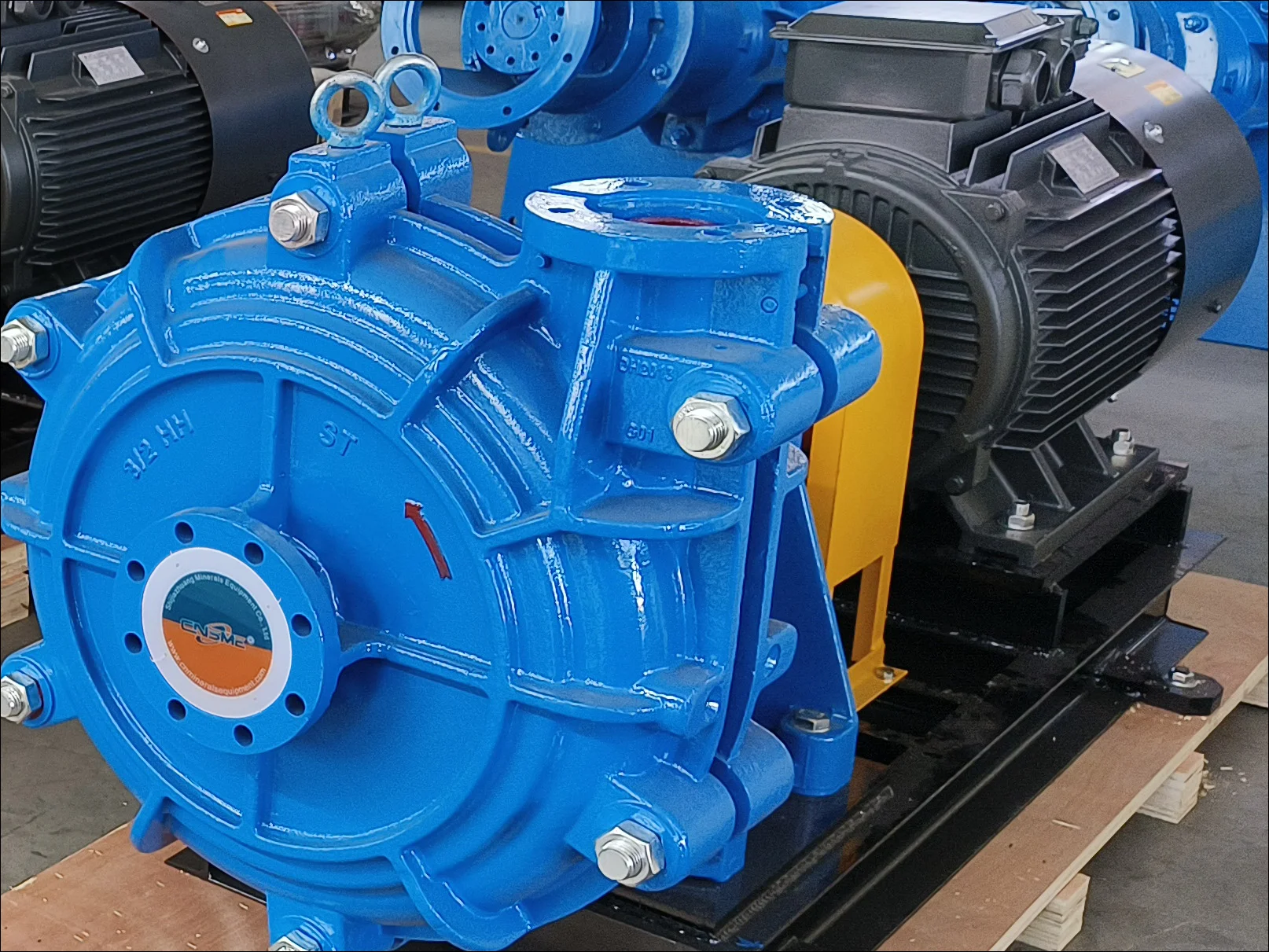
In the demanding world of industrial mineral processing and waste management, the efficiency of fluid transport determines the overall profitability of an operation. The heavy duty vertical slurry pump stands as a cornerstone of this infrastructure, designed specifically to handle the most abrasive and corrosive fluids without succumbing to rapid wear. By integrating a vertical configuration, these pumps optimize floor space while providing the necessary head and flow to move thick, particle-laden mixtures effectively.
Across the globe, from the gold mines of Australia to the chemical plants of Southeast Asia, the demand for robust pumping solutions has skyrocketed. Industrial standards, including those aligned with ISO guidelines for pump performance and durability, emphasize the need for equipment that minimizes downtime. A failure in a slurry line can lead to catastrophic blockage and costly operational halts, making the selection of a high-performance heavy duty vertical slurry pump a strategic necessity rather than a simple procurement choice.
Understanding the nuances of these machines—from their material composition to their hydraulic design—allows plant managers to extend the lifecycle of their assets. Whether dealing with tailings, sand, or chemical sludge, the right vertical pump ensures a steady throughput, reducing the energy footprint per ton of material moved. This guide explores the technical depths and practical applications of these industrial workhorses to help you make an informed engineering decision.
Global Relevance of Heavy Duty Vertical Slurry Pumps
The global industrial landscape is increasingly reliant on the efficient movement of solids-laden liquids. In regions like Latin America and Africa, where mining for critical minerals is a primary economic driver, the heavy duty vertical slurry pump is indispensable. These machines allow for the continuous extraction of ore and the management of tailings ponds, ensuring that production lines remain active 24/7 while meeting stringent environmental safety standards.
Beyond mining, the global push for urban infrastructure and wastewater treatment has highlighted the need for pumps that can handle grit and debris without clogging. By utilizing a vertical design, industries can reduce the physical footprint of their installations, which is critical in densely packed urban treatment plants or remote industrial zones where space is at a premium. This global adaptability makes the vertical slurry pump a key asset in modern industrial engineering.
Defining the Heavy Duty Vertical Slurry Pump
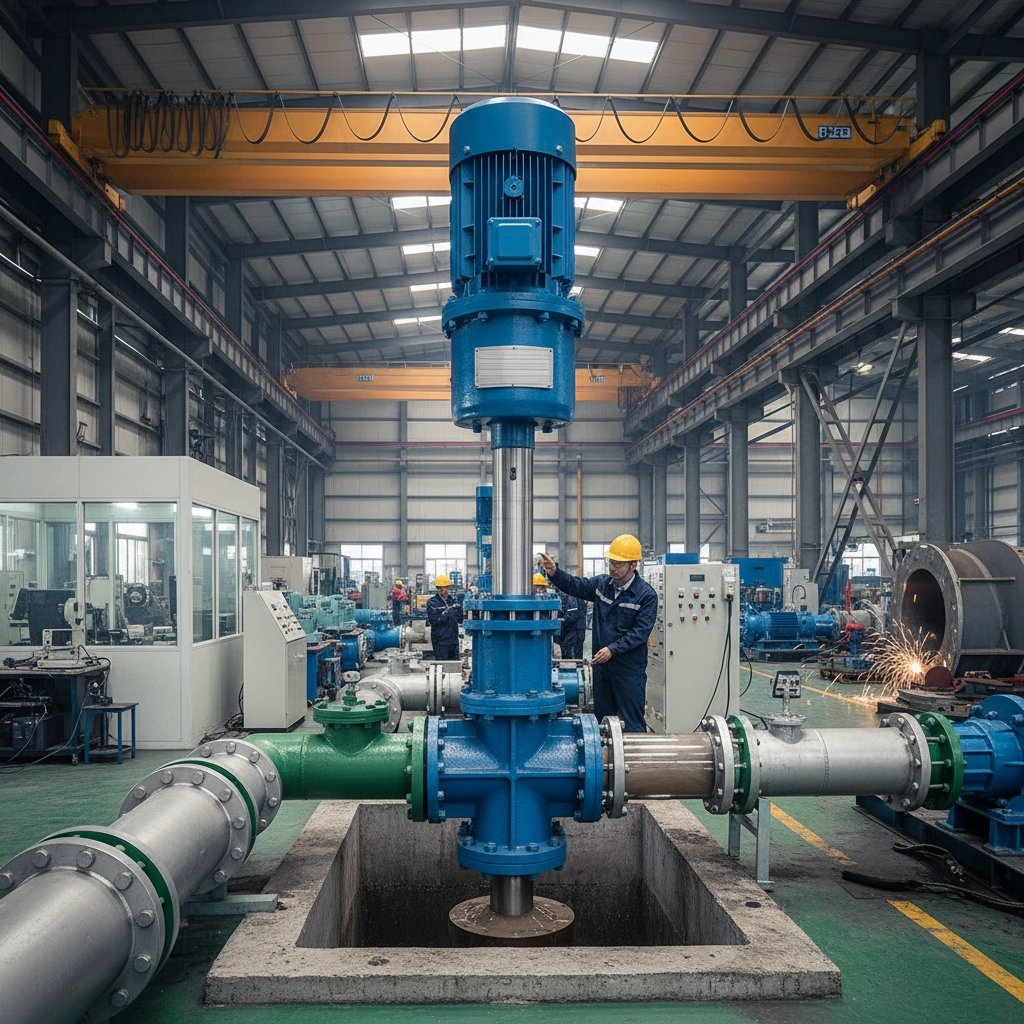
At its core, a heavy duty vertical slurry pump is a specialized centrifugal pump designed to transport slurries—mixtures of solids suspended in a liquid—using a vertical shaft configuration. Unlike horizontal pumps, the vertical orientation allows the pump to be mounted directly over a sump or tank, eliminating the need for complex suction piping and reducing the risk of cavitation.
The "heavy duty" designation refers to the reinforced construction and the use of advanced materials, such as high-chrome alloys or natural rubber linings, which protect the pump internals from the abrasive nature of the slurry. This design is critical for humanitarian and industrial needs, such as dredging riverbeds to prevent flooding or managing toxic waste in chemical processing plants, where equipment failure can lead to environmental disasters.
In simple terms, it is the industrial equivalent of a high-powered vacuum designed for liquid mud. It transforms the challenge of moving heavy, abrasive materials into a manageable, automated process, bridging the gap between raw material extraction and refined industrial production.
Core Components and Engineering Factors
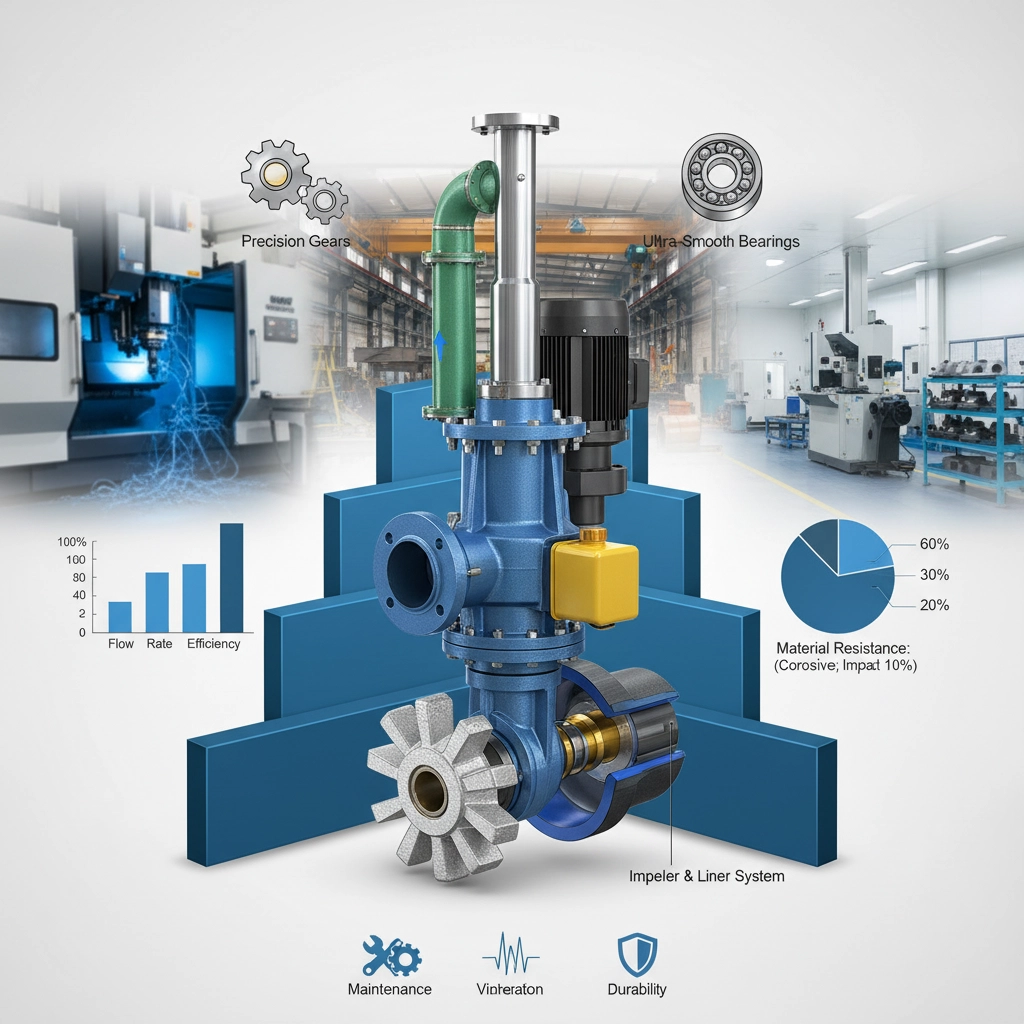
Durability is the primary engineering goal for any heavy duty vertical slurry pump. The impeller and liner are typically constructed from High Chrome alloys (like 27% Cr) to resist the constant scouring action of hard particles. This material choice ensures that the pump maintains its hydraulic efficiency over thousands of operating hours, reducing the frequency of costly teardowns.
The sealing system is another critical factor. A robust heavy duty vertical slurry pump utilizes advanced mechanical seals or gland packing to prevent the abrasive slurry from leaking into the motor or bearings. This "barrier" approach is what separates industrial-grade equipment from standard pumps, ensuring safety and longevity in the harshest environments.
Lastly, hydraulic optimization focuses on the flow path. By refining the geometry of the volute and impeller, engineers reduce turbulence and "dead zones" where solids could accumulate. This results in a more consistent flow rate and lower energy consumption, allowing the pump to handle higher concentrations of solids without plugging.
Performance Metrics and Scalability
Evaluating the performance of a heavy duty vertical slurry pump requires a look at its head-capacity curve and its wear life. Scalability is achieved through modular designs, where the pump's height can be adjusted to match the depth of the sump, and the motor power can be scaled up to handle increased slurry density.
When comparing different configurations, it becomes clear that the balance between flow rate and wear resistance is key. For example, a pump designed for high-volume tailings may prioritize flow, while one designed for abrasive mineral concentrates will prioritize material hardness and thickness.
Performance Efficiency Comparison of Slurry Pump Configurations
Global Industrial Applications and Use Cases
In the mining sector, the heavy duty vertical slurry pump is the heart of the thickening and filtration process. It is used to pump underflow from thickeners, moving concentrated slurry to the next stage of processing. In remote industrial zones, such as the lithium flats of South America, these pumps operate in extreme temperature swings, requiring specialized lubrication and metallurgy.
Additionally, these pumps are vital for environmental remediation. In post-disaster relief operations—such as removing silt and sludge after major flooding in urban centers—vertical slurry pumps can be deployed quickly to clear drainage systems. Their ability to handle varying solid concentrations makes them an essential tool for municipal engineers and NGOs working on infrastructure recovery.
Long-Term Value and Sustainability Benefits
Investing in a high-quality heavy duty vertical slurry pump provides tangible economic value through the reduction of Total Cost of Ownership (TCO). While the initial capital expenditure may be higher than for a standard pump, the extended mean time between failures (MTBF) drastically reduces labor costs and lost production revenue.
From a sustainability perspective, the efficiency of these pumps directly impacts energy consumption. A well-designed pump requires less kilowatt-hours per cubic meter of slurry moved, reducing the carbon footprint of the entire plant. Furthermore, the use of recyclable high-chrome alloys contributes to a more circular economy in industrial manufacturing.
Beyond the numbers, there is a human element of safety. Reliable pumps prevent the overflows and leaks that can lead to workplace accidents or environmental contamination. This reliability builds trust within the workforce and ensures that the operation maintains its social license to operate in sensitive ecological areas.
Future Trends in Slurry Pumping Technology
The future of the heavy duty vertical slurry pump is being shaped by the "Industry 4.0" revolution. We are seeing the integration of IoT sensors that monitor vibration and wear in real-time. This shift from reactive to predictive maintenance allows operators to replace liners just before they fail, eliminating unplanned downtime.
Material science is also evolving, with the introduction of ceramic-metallic composites (cermets) and nanostructured coatings. These innovations aim to create surfaces that are virtually immune to abrasion, potentially doubling the lifespan of the impeller and casing. Green energy integration is another trend, with pumps being optimized for variable speed drives (VSD) to match energy use exactly to the flow requirements.
Automation is the final piece of the puzzle. Future installations will likely feature self-adjusting pumps that can sense the slurry density and automatically adjust their RPM to prevent clogging. This level of intelligence will make the heavy duty vertical slurry pump an autonomous component of the smart factory.
Comparative Analysis of Heavy Duty Vertical Slurry Pump Material Options
| Material Type |
Abrasion Resistance |
Corrosion Resistance |
Typical Application |
| High Chrome Alloy |
Extreme (9/10) |
Moderate (5/10) |
Hard Rock Mining |
| Natural Rubber |
High (7/10) |
High (8/10) |
Acidic Slurries |
| Polyurethane |
Very High (8/10) |
Moderate (6/10) |
Sand & Gravel |
| Stainless Steel |
Moderate (5/10) |
Extreme (9/10) |
Chemical Processing |
| Hard Metal/Cermet |
Maximum (10/10) |
Moderate (4/10) |
Heavy Abrasive Tailings |
| Dual-Layer Composite |
High (8/10) |
High (8/10) |
Mixed Mineral Slurry |
FAQS
The primary advantage is the design; a vertical pump is mounted directly above the slurry source, removing the need for suction piping. This significantly reduces the risk of cavitation and clogging, which are common in horizontal setups. Additionally, the vertical footprint saves valuable floor space in industrial plants.
Replacement intervals vary based on the abrasiveness of the material and flow velocity. However, with high-chrome alloys, liners typically last between 6 to 18 months. Using IoT vibration and pressure sensors can help operators determine the exact wear state, allowing for "just-in-time" replacement to avoid downtime.
Yes, provided the correct materials are selected. While high-chrome is great for abrasion, acidic environments require natural rubber or specialized stainless steel linings. We recommend a dual-material approach or high-grade elastomers for temperatures up to 80°C in corrosive conditions.
The most common failures are seal leaks and impeller erosion. Seal failures often occur due to dry running or improper installation, while impeller erosion is a result of operating the pump too far from its Best Efficiency Point (BEP), which increases internal turbulence and wear.
Higher slurry density increases the viscosity and specific gravity of the fluid, requiring more torque from the motor. This leads to higher energy consumption. To optimize this, we suggest using Variable Frequency Drives (VFDs) to adjust the pump speed based on the actual density of the incoming slurry.
Absolutely. Most heavy duty vertical slurry pumps are designed with modular mounting flanges that can be adapted to existing sumps. The key is to ensure the pump's intake height and impeller diameter are compatible with the sump's dimensions to avoid vortexing.
Conclusion
The heavy duty vertical slurry pump is more than just a piece of machinery; it is a vital engineering solution that enables the global extraction and processing of essential minerals while safeguarding the environment. By combining advanced metallurgy, vertical efficiency, and robust sealing systems, these pumps solve the critical challenge of moving abrasive materials with minimal downtime and maximum reliability.
As the industry moves toward smarter, greener operations, the integration of predictive maintenance and energy-efficient motors will further enhance the value of vertical slurry pumping systems. For companies looking to optimize their production lines, investing in high-specification, durable pumping equipment is the most effective way to ensure long-term operational stability and sustainability. Visit our website for more expert solutions: www.qualityslurrypump.com