
CNSME®

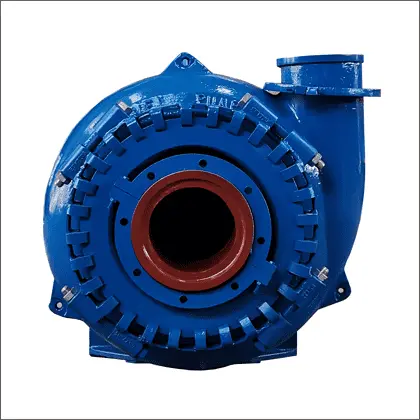
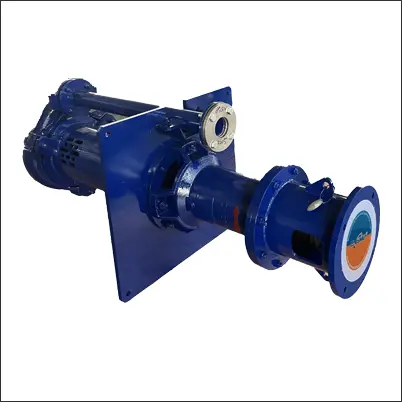
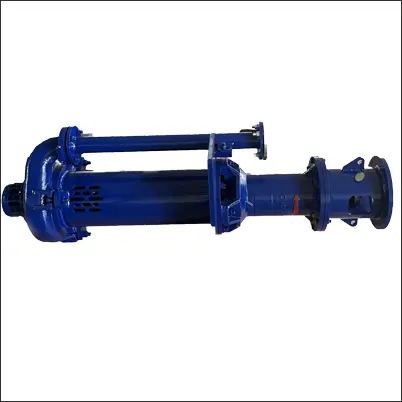
65QV-SP Vertical Sump Pumps Performance Parameters:
| Model | Matching power P(kw) | Capacity Q(m3/h) | Head H(m) | Speed n(r/min) | Eff.η(%) | Impeller dia.(mm) | Max.particles(mm) | Weight(kg) |
| 65QV-SP(R) | 3-30 | 18-113 | 5-31.5 | 700-1500 | 60 | 280 | 15 | 500 |
CNSME® 65QV-SP Vertical Cantilever Slurry Pumps Design features:
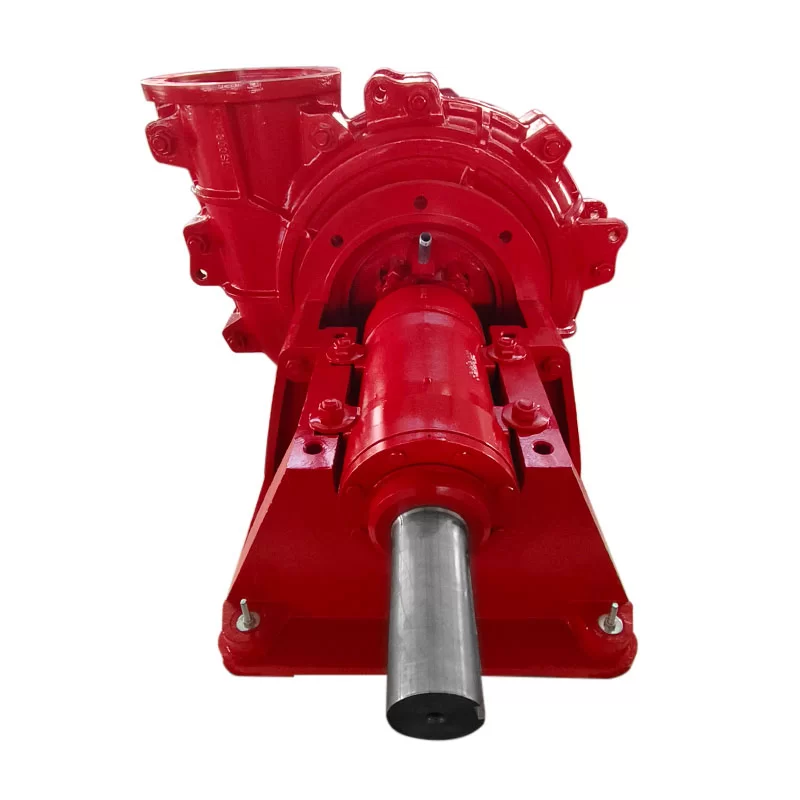
• Fully Cantilevered – Eliminates submerged bearings, packing, lip seals, and mechanical seals that other vertical slurry pumps typically require.
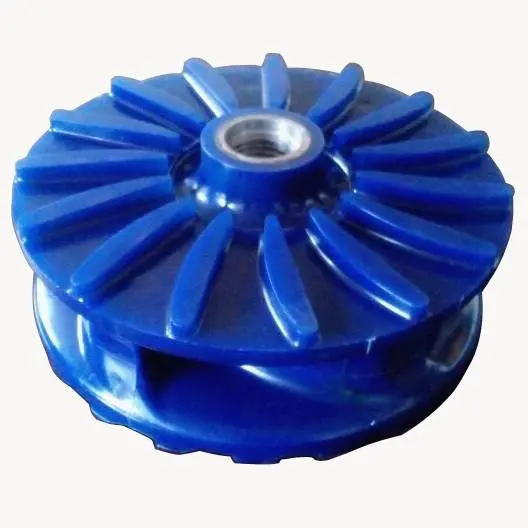
• Impellers – Unique double suction impellers; fluid flow enters the top as well as the bottom. This design eliminates shaft seals and reduces thrust load on the bearings.
• Large Particle – Large particle impellers are also available and enable passing unusually large solids.
• Bearing Assembly – The maintenance friendly bearing assembly has heavy duty roller bearings, robust housings, and a massive shaft.
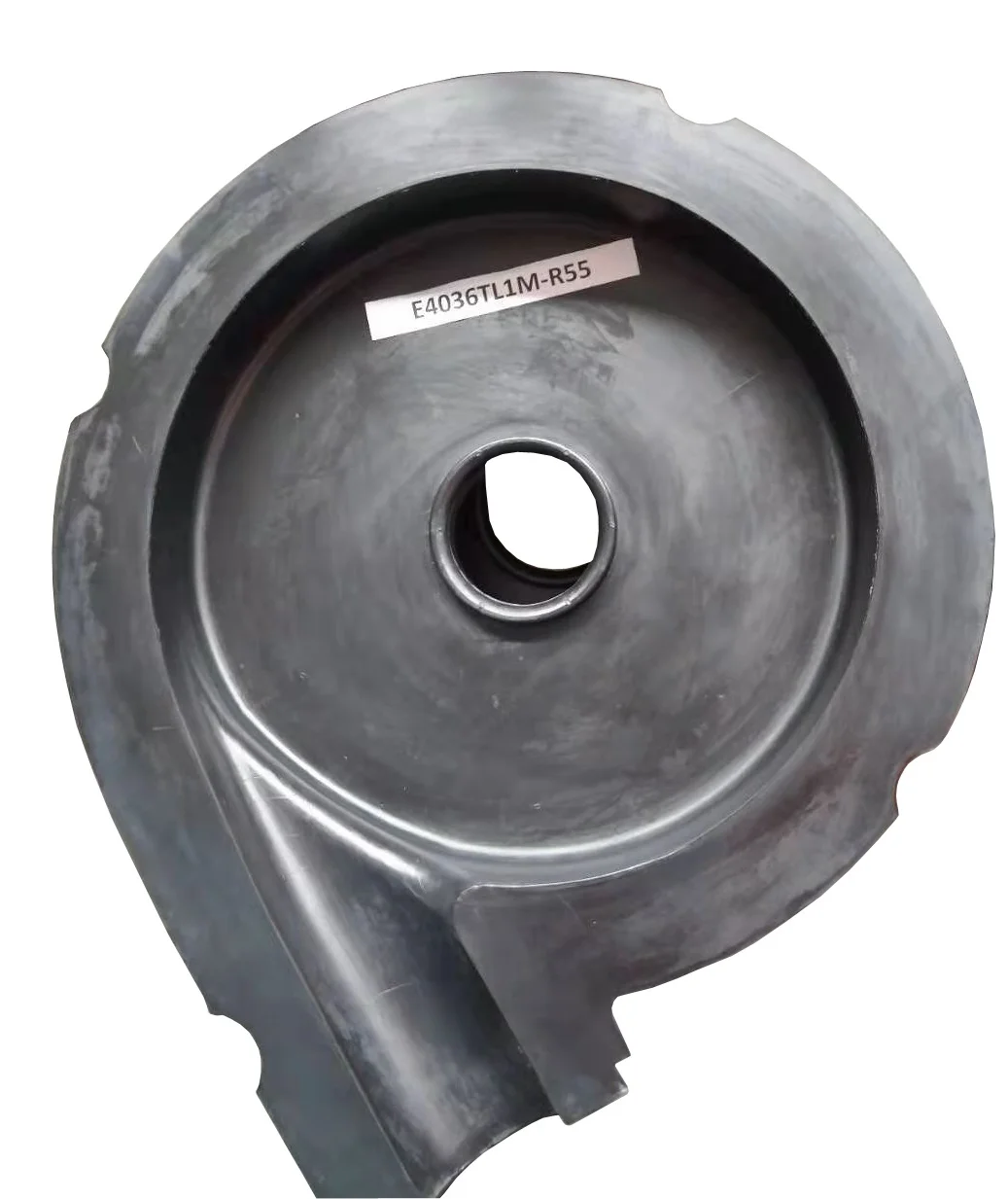
• Casing – The metal pumps have a heavy walled abrasive resistant Cr27Mo chrome alloy casing. Rubber pumps have a molded rubber casing adhered to sturdy metal structures.
• Column and Discharge Pipe – The metal pump columns and discharge pipes are steel, and the rubber columns and discharge pipes are rubber covered.
• Upper Strainers – Snap in elastomer strainers fit in column openings to prevent overly large particles and unwanted refuse from entering casing of the pump.
• Lower Strainers – Bolt-on cast strainers on the metal pump and molded snap-on elastomer strainers on the rubber pumps protect the pump from oversize particles.
65QV-SP Metal Lined Vertical Pump Column 102: QV65102G, QV65102J, etc
G refers to submerged depth 1200mm;
J refers to submerged depth 1500mm;
L refers to submerged depth 1800mm;
M refers to submerged depth 2000mm;
Q refers to submerged depth 2400mm;
The “Column” is also called “Discharge Column”, the metal vertical pump columns and discharge pipes are steel, and the rubber columns and discharge pipes are rubber covered. And the Column of vertical pump is used to connect the bearing assembly and the motor for submerged pumping assembly applications.
CNSME® 65QV SP
The SP/SPR verical slurry pumps are available in a wide range of popular sizes to suit most pumping applications. The SP/SPR sump pumps are proving their reliability and efficiency worldwide in: minerals processing, coal preparation, chemical processing, effluent handling, sand and gravel and almost every other tank, pit or hole-in-the ground slurry handling situation. The SP/SPR pump design with either hard metal (SP) or elastomer covered (SPR) components makes it ideal for abrasive and/or corrosive slurries, large particle sizes, high density slurries, continuous or “snore” operation, heavy duties demanding cantilever shafts.
Mar 09,26
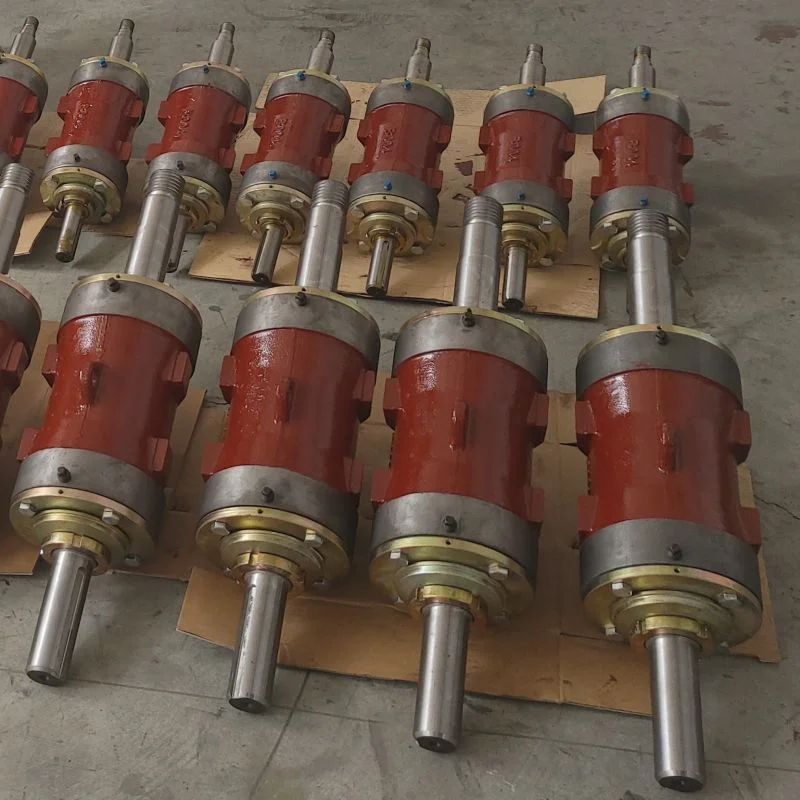
OEM Slurry Pump Bearing Assembly Manufacturer For Optimal Performance
Selecting the right OEM slurry pump bearing assembly manufacturer is crucial for the longevity and performance of your slurry pump system.
Feb 09,26
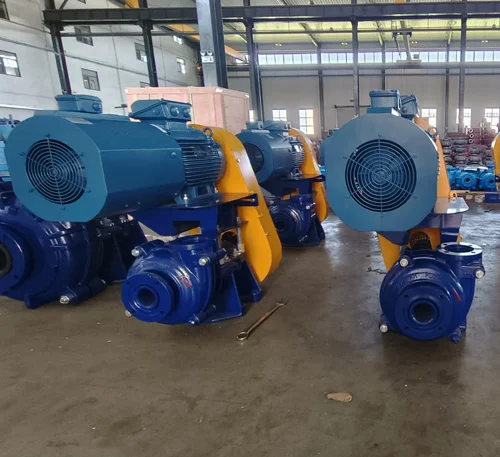
Comprehensive Guide to Slurry Pump Impeller Manufacturers and Performance
Oct 31,25
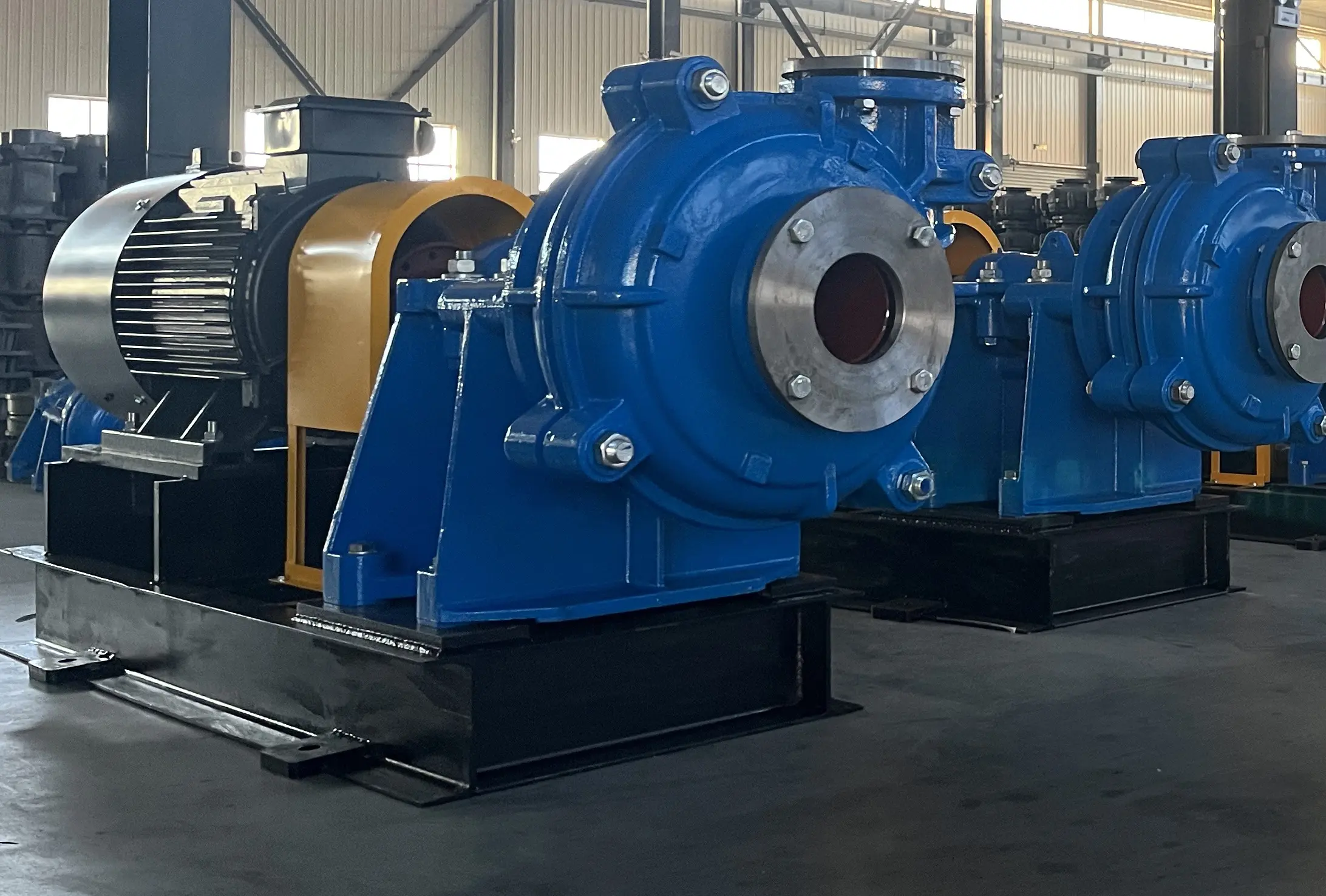
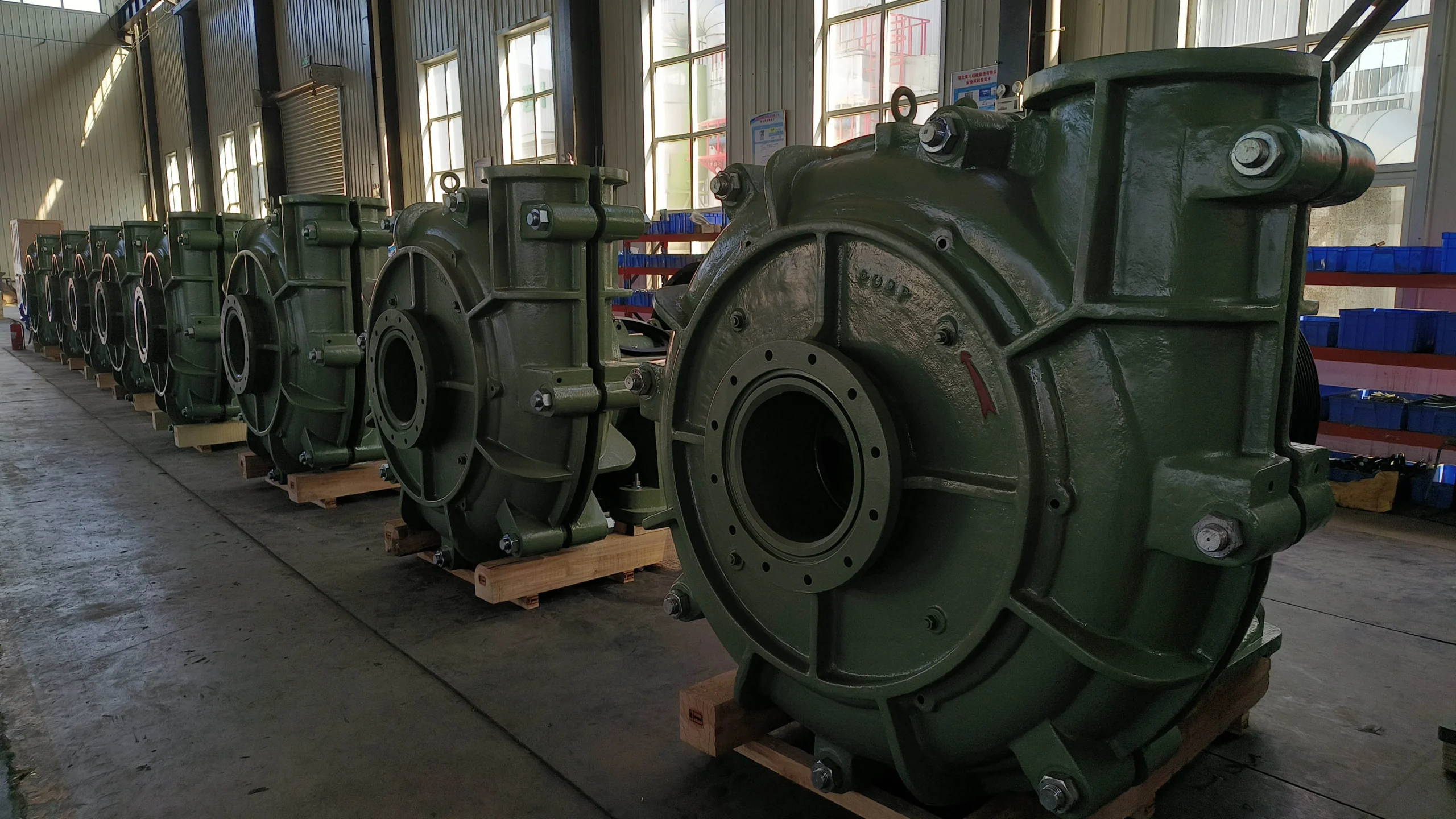
OEM Slurry Pump After-Sales Service
Jan 30,26
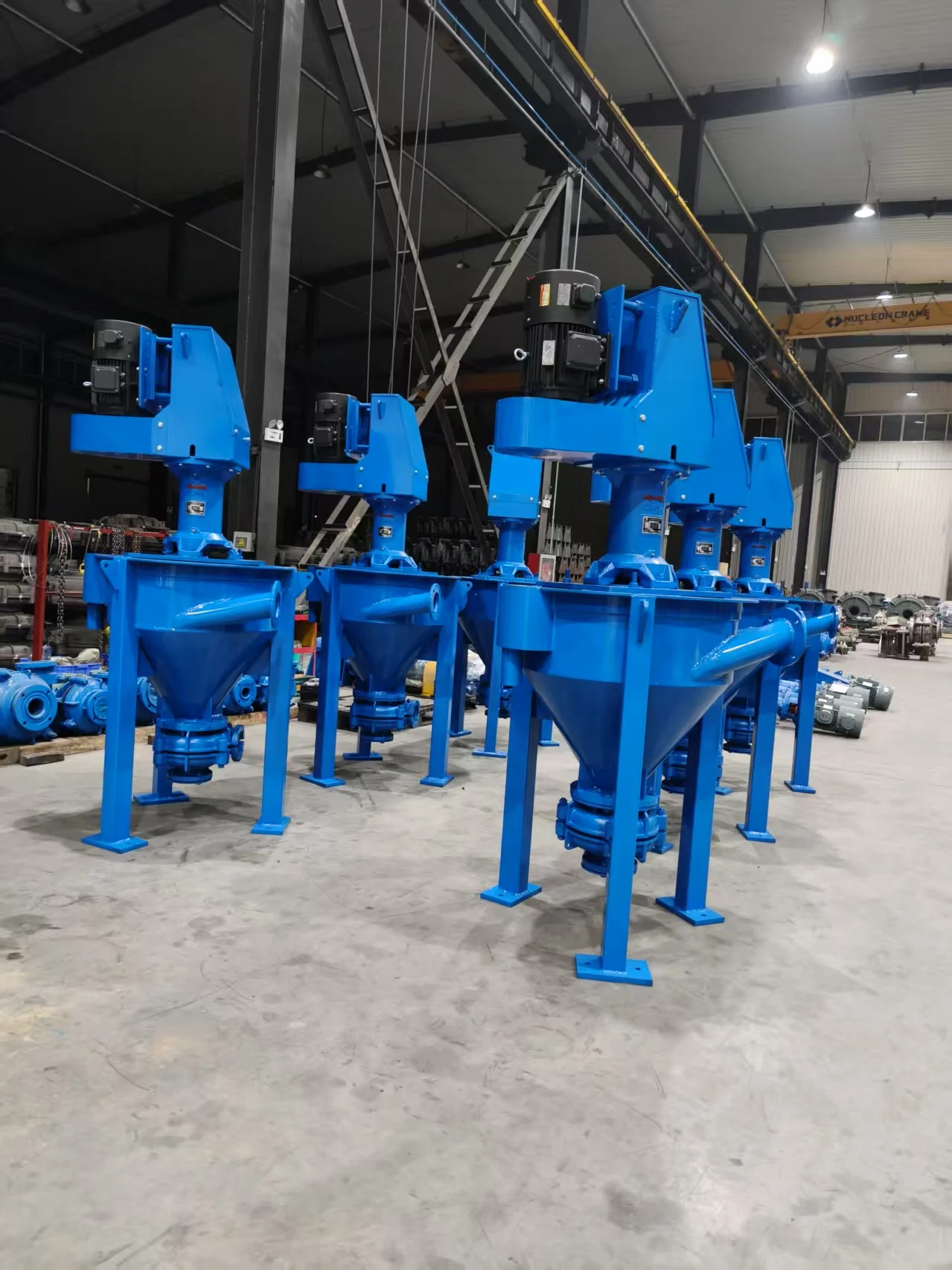
Understanding the Reliability of Heavy Duty Slurry Pump Systems
Feb 08,26
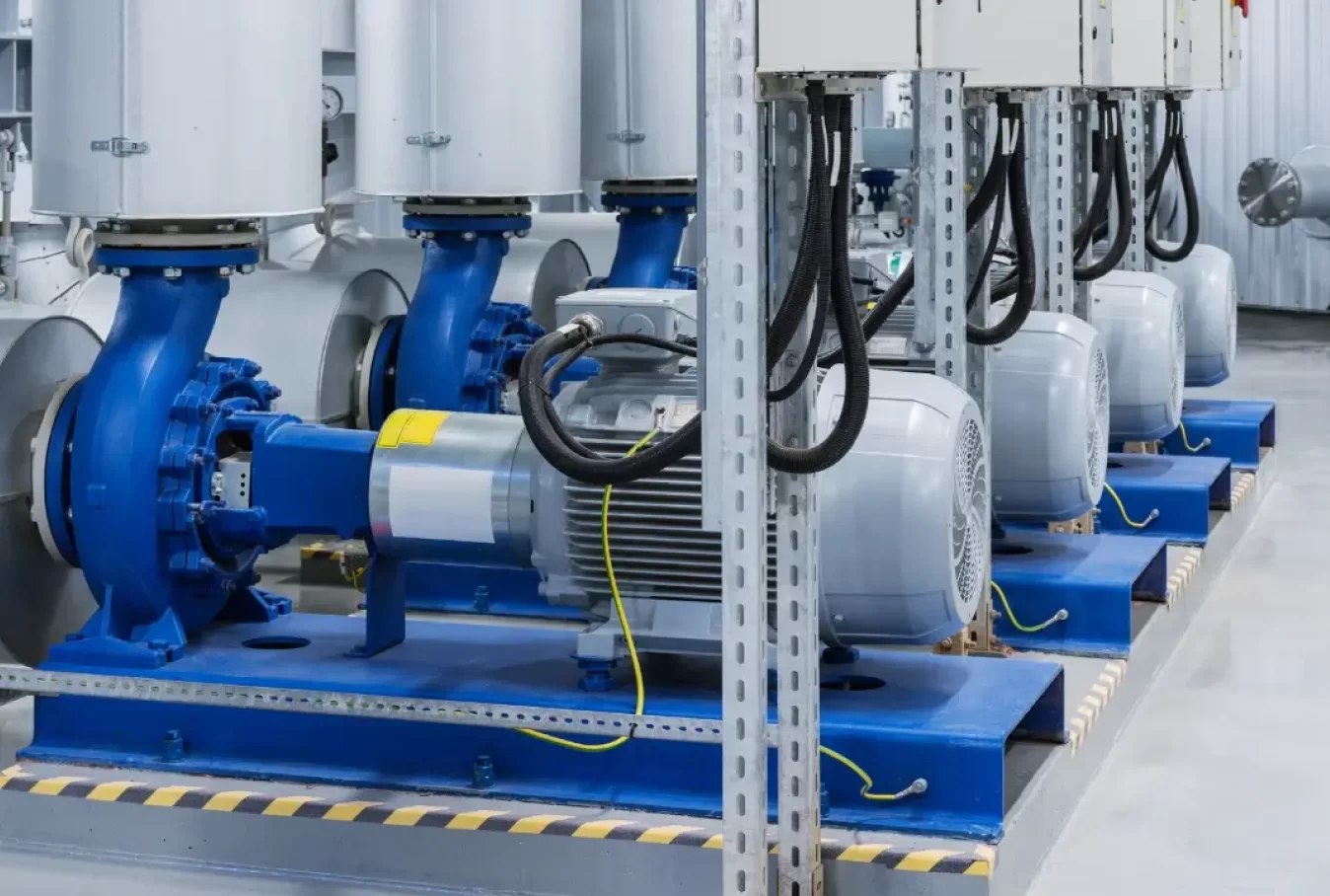
Optimizing Slurry Pump Impeller Design for Efficiency and Reliability
Slurry pump impeller design is a crucial element in the efficient and reliable transport of abrasive and erosive fluids across numerous industries. These specialized pumps are vital in mining, wastewater treatment, chemical processing, and even food production, where handling mixtures of liquids and solids is commonplace. Optimizing the impeller's design directly impacts the pump’s performance – its efficiency, longevity, and ability to withstand the harsh conditions inherent in slurry handling. Understanding the nuances of slurry pump impeller design is therefore paramount for engineers and operators striving for cost-effectiveness and operational excellence. Globally, the demand for efficient slurry handling solutions is constantly increasing, driven by factors such as expanding infrastructure projects, stricter environmental regulations regarding waste management, and the growing need for resource extraction. The United Nations estimates that global wastewater generation will increase by 54% by 2050, necessitating advanced wastewater treatment facilities – many relying heavily on robust slurry pumping systems.
Dec 07,25
OEM Rubber Lined Slurry Pump Supplier: Durable & Efficient Industrial Solutions
Let's dive into something that might sound niche but is actually a cornerstone of heavy industry worldwide: the OEM rubber lined slurry pump supplier. These suppliers craft pumps that handle the gritty, gritty slurry materials industries churn through daily—think mining, wastewater, chemical processing. Their role? Enabling efficient, reliable movement of abrasive and corrosive mixtures, often in the harshest conditions imaginable. Globally, as industries push for better durability and environmental compliance, understanding these suppliers and their products reveals a story about innovation, sustainability, and economic agility. So why does this matter? Simply put: The right slurry pump drastically cuts downtime, saves costs, and boosts productivity, making all the difference for industrial operations from South America’s mines to Southeast Asia’s processing plants.
bscribe newslette