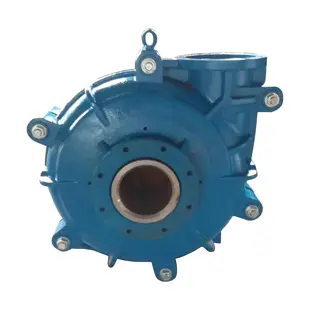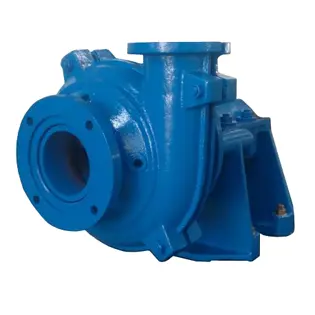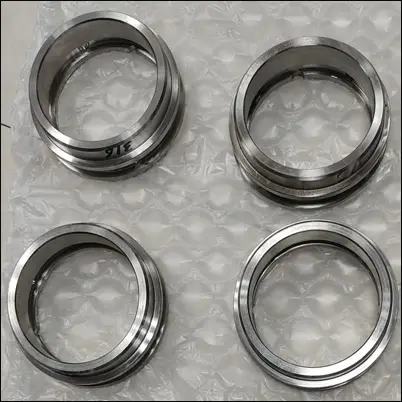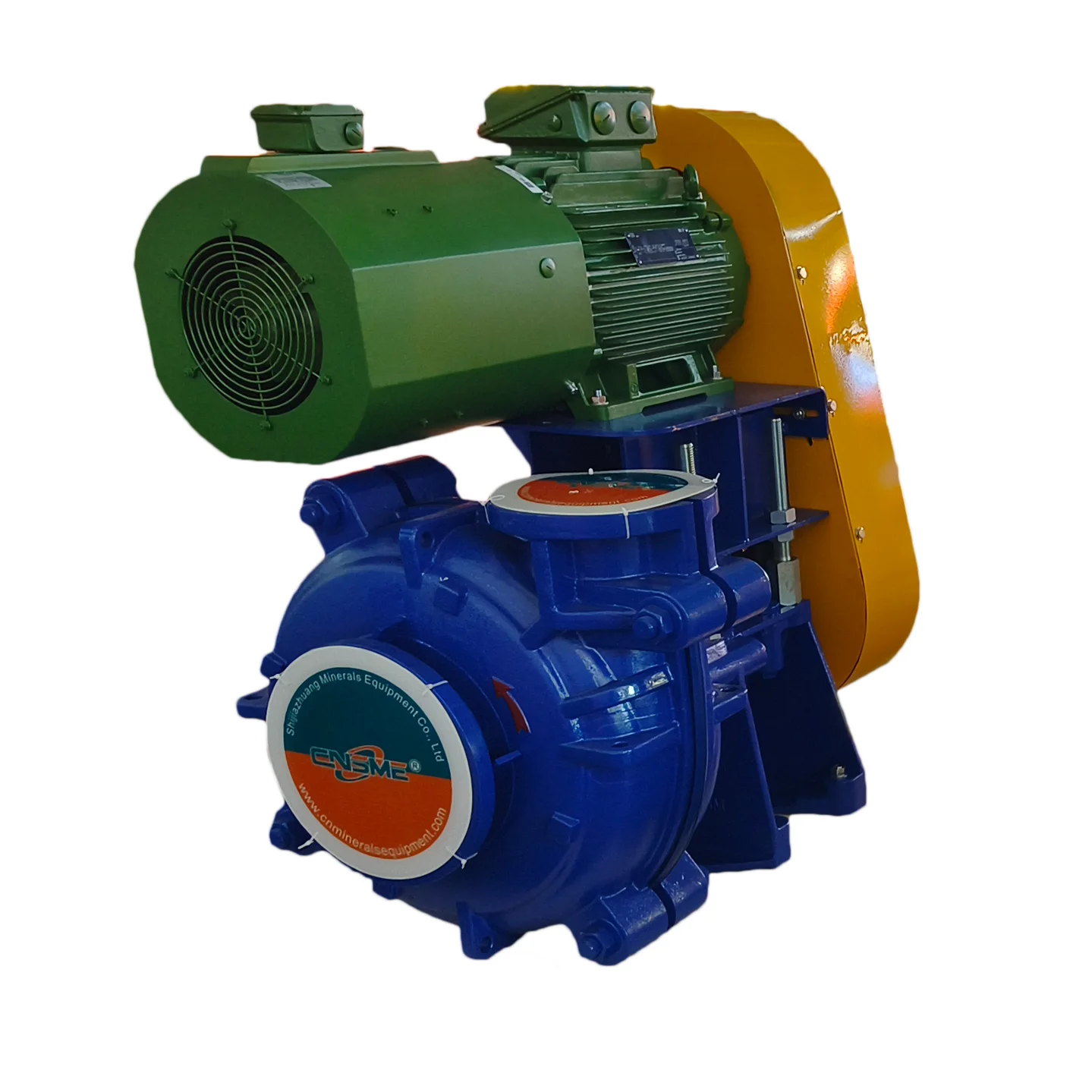
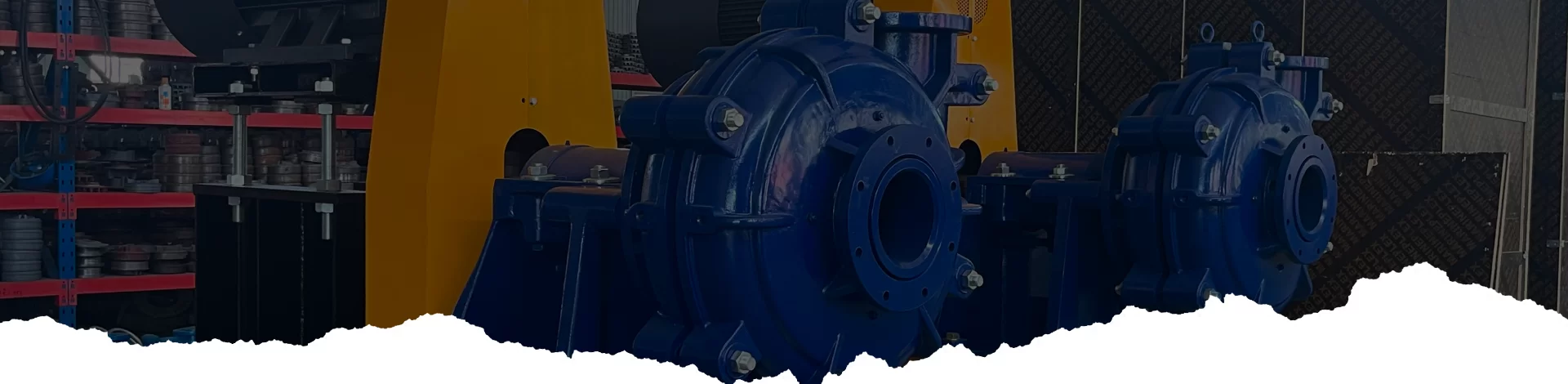
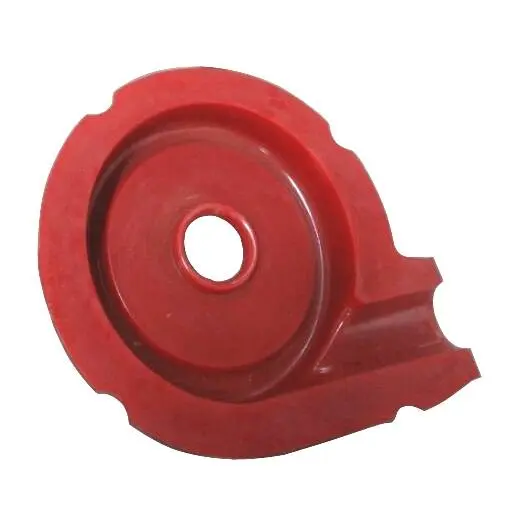
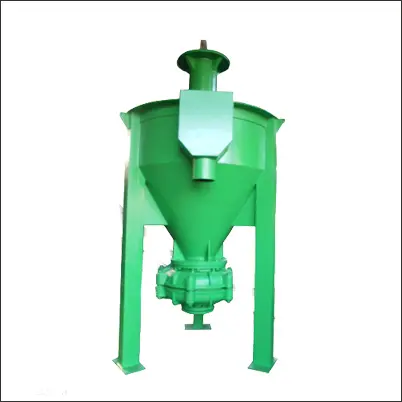
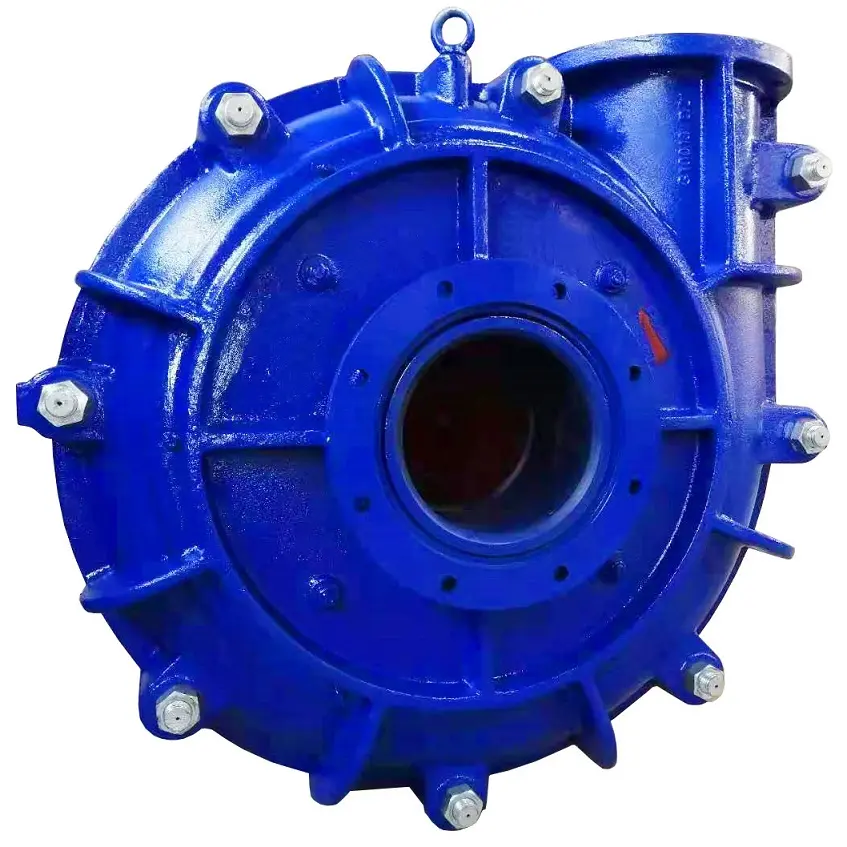
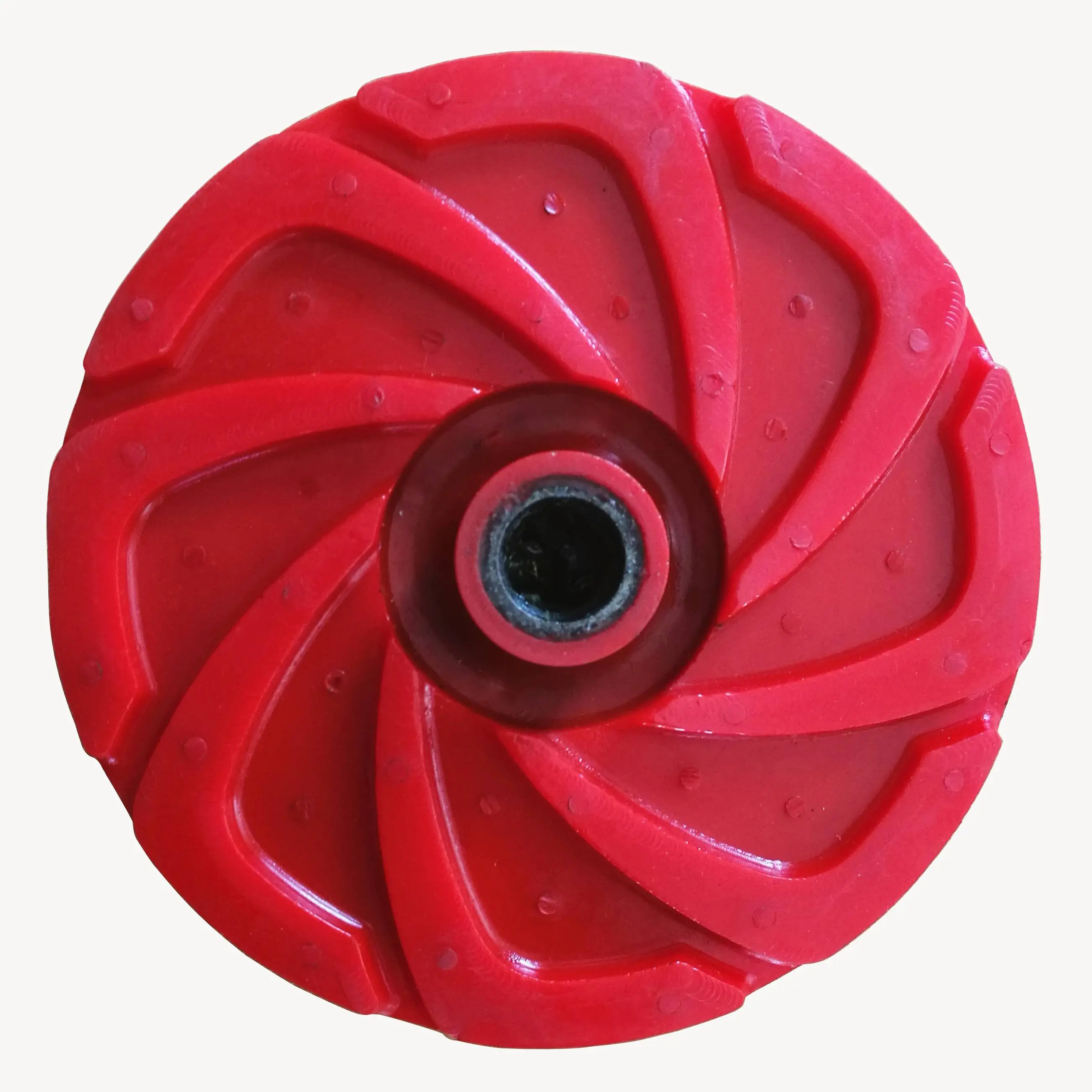
Thailand's mining and mineral processing sector operates in a high-humidity tropical environment, which accelerates the external corrosion of machinery. When paired with the highly abrasive nature of local ores, the wear rate on a Warman slurry pump increases significantly, demanding more frequent maintenance intervals to prevent catastrophic failure.
The prevalence of heavy rainfall during monsoon seasons often leads to fluctuations in slurry density and viscosity. This instability creates erratic flow patterns that put immense pressure on the Warman gland packing, leading to premature leakage and potential environmental contamination in sensitive mining zones.
Furthermore, the economic push for higher throughput in Thailand's industrial hubs means equipment is often pushed beyond its original design limits. This necessitates a strategic shift toward implementing slurry pump efficiency improvement tips to reduce energy consumption while maintaining high volumetric flow rates.