
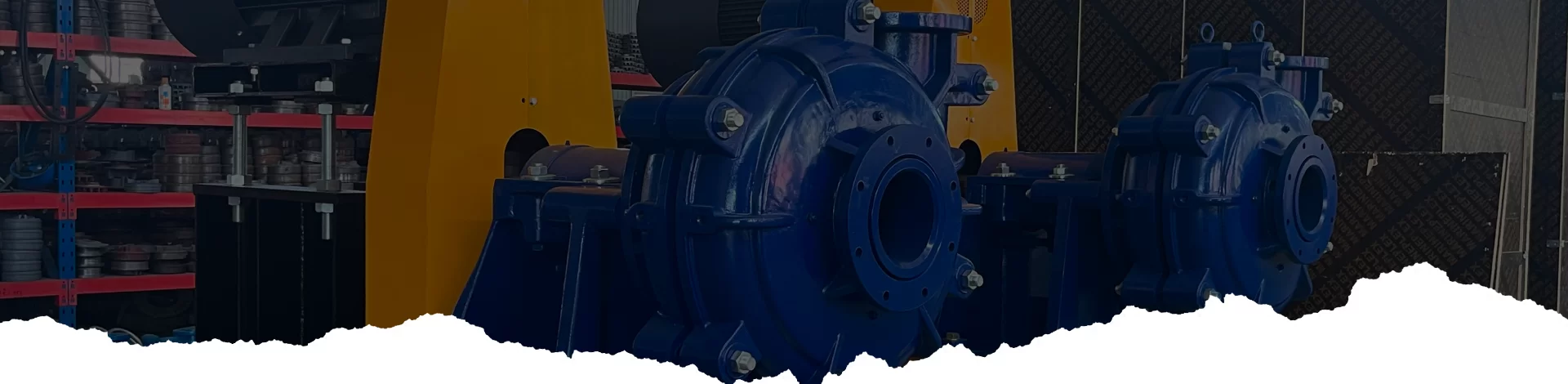

Determining the total cost of ownership for slurry pump components requires a deep understanding of how material science and hydraulic design intersect. For procurement managers in mining and mineral processing, the initial slurry pump impeller price is often less critical than the component's mean time between failures (MTBF). This guide examines the technical factors that influence pricing and how to evaluate the value proposition of various impeller configurations.
In abrasive environments, such as tailings disposal or dredging, the impeller is the primary point of wear. The commercial value of an impeller is defined by its ability to maintain hydraulic efficiency while resisting erosion and corrosion. When evaluating costs, one must consider the trade-off between high-grade alloy metallurgy and the frequency of replacement shutdowns, which can cost a facility thousands of dollars per hour in lost production.
Readers will explore the critical dimensions of impeller procurement, including the impact of high-chrome alloys versus rubber linings and the importance of precision casting. By focusing on technical specifications rather than nominal costs, engineers can optimize their supply chain to ensure maximum pump availability and reduced operational expenditure over the equipment's lifecycle.
Cost Drivers for Slurry Pump Impellers
The pricing of slurry pump impellers is primarily driven by the complexity of the metallurgy and the precision of the manufacturing process. High-performance impellers often utilize high-chromium cast irons (such as 27% Cr) to provide a hard martensitic matrix with embedded carbides, which significantly increases the cost of raw materials and the energy required for heat treatment. Furthermore, the casting process must be strictly controlled to avoid porosity and inclusions that would lead to premature failure in severe duty applications. Beyond materials, the geometric complexity of the impeller—such as the number of vanes and the precision of the leading edge—dictates the machining hours required. In the B2B market, these factors combine to create a wide variance in pricing, where a "cheap" impeller may actually increase the total cost of ownership due to accelerated wear rates and decreased pump efficiency.
Evaluating Impeller Value and Longevity
To move beyond a simple price-per-unit analysis, technical buyers must examine the relationship between metallurgical properties and the specific abrasive characteristics of the medium being pumped. The following dimensions provide a framework for assessing whether an impeller's price is justified by its performance potential.
Material Selection Impacts
The choice between metal and rubber depends on the particle size and chemical nature of the slurry. High-chrome alloys are essential for large, sharp particles, while rubber is superior for fine, abrasive slurries. The price variance reflects the specialized casting and curing processes required for these different materials.
| Material Type | Primary Advantage | Typical Application | Wear Resistance |
|---|---|---|---|
| High-Chrome Alloy | Hardness/Impact Resistance | Mining / Tailings | Very High |
| Natural Rubber | Elasticity/Fine Abrasion | Dredging / Sewage | High (Fine Slurry) |
| Polyurethane | Tear Strength | Chemical Processing | Medium-High |
| Stainless Steel | Corrosion Resistance | Chemical / Water Treatment | Medium |
| Ceramic Lining | Extreme Hardness | Specialized Metallurgy | Extreme |
| Duplex Steel | Pitting Resistance | Petroleum / Marine | High |
Design Geometry and Efficiency
The hydraulic efficiency of an impeller is determined by its vane profile and discharge angle. Precision-engineered impellers reduce turbulence and cavitation, which not only lowers energy consumption but also prevents "localized wear" areas. While more complex geometries increase manufacturing costs, the resulting energy savings often offset the initial investment within months of operation.
Wear Resistance Mechanisms
Advanced impellers employ specific heat treatment cycles to optimize the distribution of primary carbides. This ensures that the impeller wears uniformly rather than failing catastrophically at the vanes. Evaluating the hardness (HRC) and microstructure via metallographic analysis is a key step in verifying the value of a premium-priced component.
Operational Load Considerations
Impellers operating at high speeds (RPM) experience significantly higher centrifugal forces and abrasion rates. For pumps like the 6SV-AF series, which can handle flow rates up to 393 m³/h, the impeller must withstand immense hydraulic pressure. The structural integrity of the impeller hub and the thickness of the vanes are critical factors that justify higher manufacturing standards.
Maintenance Cycle Costs
The real cost of an impeller is the sum of the purchase price and the labor cost for installation. A high-quality impeller that extends the service interval from 3 months to 6 months effectively halves the labor cost and downtime. Buyers should calculate the "cost per ton" of material moved rather than the unit price of the part.
Customization vs Standard Parts
Standard impellers are cheaper due to economies of scale. However, customized impellers—adjusted for specific gravity or viscosity—can drastically improve pump performance. Customization requires separate molding and testing, which increases the price but can result in significant operational gains in specialized mining environments.
Supplier Capability Assessment
A supplier's ability to provide a complete system of design, selection, and maintenance is a value-add. For example, CNSME's 20+ years of experience in heavy-duty slurry pump manufacturing allows them to offer solutions that integrate the impeller with the pump casing for optimal fit, reducing leakages and improving the overall lifespan of the wet-end parts.
FAQ
What factors most influence the cost of a slurry pump impeller?
The primary factors are the material composition (e.g., percentage of chromium), the casting precision, the heat treatment process, and the complexity of the hydraulic geometry. High-chrome alloys and precision-machined vanes increase the price but provide significantly higher wear resistance in abrasive mining applications.
Should I choose a rubber-lined or high-chrome impeller?
Choose high-chrome for large, coarse, and sharp particles that would tear through rubber. Choose rubber-lined impellers for fine, sandy slurries or corrosive chemicals where elasticity and chemical resistance are more important than raw hardness.
How does impeller efficiency affect operational costs?
A poorly designed impeller creates turbulence and cavitation, forcing the motor to work harder to achieve the same head and flow. This increases electricity costs and accelerates the wear of the impeller and pump casing, leading to more frequent replacements.
What is the typical lifespan of a slurry pump impeller?
Lifespan varies wildly based on the medium. In severe mining applications, an impeller might last 3-6 months, while in lighter sewage or water treatment applications, it can last several years. Using high-grade materials can extend this window significantly.
Can I replace only the impeller without changing the casing?
Yes, as long as the replacement impeller is the exact model and specification for that pump. However, it is often recommended to check the casing wear simultaneously, as a new impeller paired with a heavily worn casing will suffer from poor efficiency and potential vibration.
How do I verify the quality of a low-cost impeller supplier?
Ask for material certificates (MTRs), hardness test reports (HRC), and information on their heat treatment process. A reliable supplier should be able to provide evidence of the alloy composition and casting standards used in their manufacturing process.
References and further reading
- Industrial Pump Design Standards for Abrasive Media (Technical Manual)
- Guidelines for High-Chrome Casting in Mining Equipment
- Hydraulic Efficiency Analysis for Vertical Froth Pumps


