
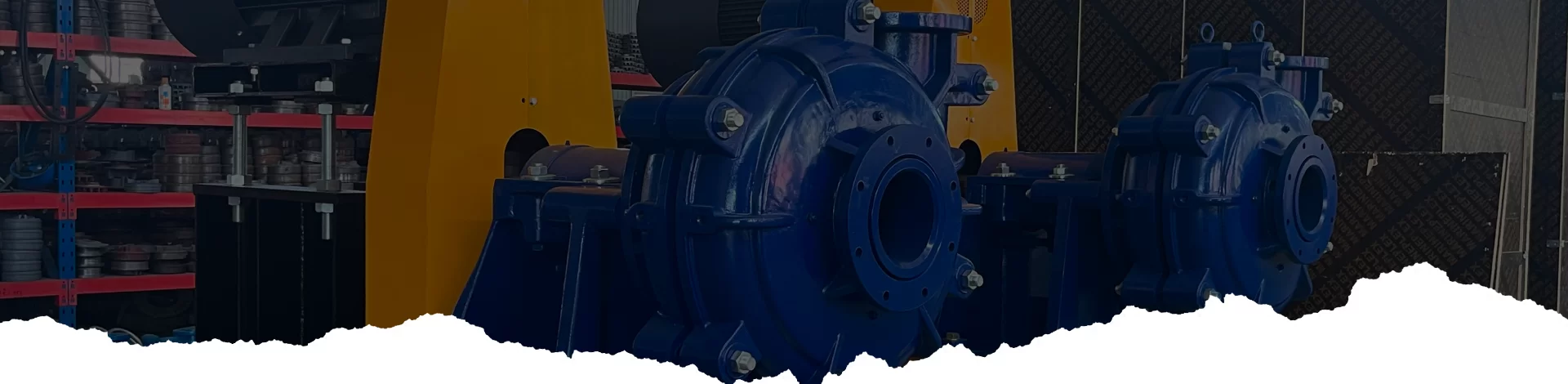

Slurry pumping systems are the backbone of mineral processing and tailings management, where the transport of abrasive solids suspended in liquids poses significant engineering challenges. Selecting a reliable China slurry pump supplier requires an understanding of the delicate balance between flow rate, head pressure, and material erosion. This article provides a technical guide for procurement officers and engineers to optimize their pumping infrastructure for longevity and performance.
In industrial environments such as mining, metallurgy, and power plant ash handling, the cost of downtime often outweighs the initial capital expenditure of the equipment. The primary technical struggle lies in resisting the abrasive nature of the media, which can rapidly degrade pump internals. Understanding the distinction between medium-duty and heavy-duty configurations is essential to ensure that the equipment matches the specific grit size and concentration of the slurry being moved.
Readers will explore the critical criteria for selecting pump materials—specifically the role of high chrome alloys—and analyze the operational advantages of optimized pump designs. By examining technical specifications and supplier capabilities, this guide helps decision-makers avoid common procurement pitfalls and implement a system that minimizes total cost of ownership through reduced maintenance cycles and improved energy efficiency.
Evaluating Heavy-Duty Slurry Handling Standards
The engineering of slurry pumps focuses on managing the interaction between the liquid medium and the solid particles. In heavy-duty applications, the primary objective is to maximize the wear life of the wet-end components while maintaining hydraulic efficiency. This is achieved through precise impeller design and the use of advanced metallurgy. For instance, the use of high chrome alloy, similar to ASTM A532, provides a hard, abrasion-resistant surface that prevents the "scouring" effect caused by high-velocity slurry. Beyond materials, the mechanical design must account for the specific gravity of the fluid, as denser slurries increase the load on the motor and shaft. Modern standards emphasize not just the ability to move material, but the ability to do so with minimal turbulence, as turbulence accelerates localized wear in the volute and liner. Professional manufacturing processes ensure that the balance and alignment of the pump reduce vibration, which is a leading cause of premature seal and bearing failure in abrasive environments.
Strategic Procurement for Industrial Slurry Systems
Moving from general requirements to a specific procurement strategy involves analyzing the intersection of fluid dynamics, material science, and operational costs. The following dimensions provide a framework for evaluating a pumping solution based on technical performance and commercial viability.
Material Wear Resistance Analysis
The longevity of a slurry pump is directly proportional to the hardness of its liners and impellers. High chrome alloys are preferred for their white iron properties, which resist both abrasion and erosion. When evaluating materials, it is critical to match the alloy grade to the slurry's pH level and particle hardness to avoid chemical corrosion combined with physical wear.
| Material Type | Primary Property | Ideal Application | Wear Risk |
|---|---|---|---|
| High Chrome Alloy (A05A33) | Extreme Hardness | Mining & Tailings | Low Abrasion |
| Grey Iron | Cost-Effective | Light Sludge | Moderate Erosion |
| Ductile Iron | Impact Resistance | Heavy Debris | Medium Wear |
| Stainless Steel 316 | Corrosion Resistance | Chemical Slurries | Low Impact |
| Tungsten Carbide | Maximum Density | Shaft Sleeves | Negligible |
| Carbon Steel | Structural Strength | Pump Shafts | Internal Corrosion |
Operational Efficiency & Motor Power
Energy consumption is a major operational cost. Optimized pump designs, such as the SM/200E series, focus on reducing physical size and weight without sacrificing flow capacity. By improving the hydraulic efficiency (targeting levels around 73%), these pumps can be driven by smaller electric motors, reducing both the initial energy infrastructure cost and long-term power bills.
Application-Specific Configuration
Different industrial scenarios require different pump geometries. SAG and AG mill discharge recirculation require high-volume handling, while cyclone feed pumps must handle higher pressures. A versatile system allows for the interchangeability of impellers and liners to adapt the pump to varying slurry concentrations over the life of a project.
Comparison of Medium vs Heavy Duty Designs
Medium-duty pumps are designed for sludge and light abrasives, offering a lighter frame and smaller footprint. Heavy-duty pumps are built for severe abrasive environments, featuring thicker casings and reinforced structural supports. The choice depends on whether the priority is spatial efficiency and cost (Medium) or maximum uptime in extreme conditions (Heavy).
Maintenance & Component Lifecycle
Effective maintenance involves monitoring the wear of the volute and front liners. Using standard components like ZWZ or SKF bearings ensures that replacement parts are accessible. Procurement should prioritize pumps with "easy-access" designs that allow for the replacement of wet-end parts without dismantling the entire piping system.
Installation & Integration Logistics
Integration requires careful consideration of the base type and bearing assembly. For instance, the EEA bearing assembly in the SM series is designed for stability under load. Proper alignment during installation is critical to prevent shaft deflection, which can lead to rapid failure of the expeller seal or gland packing.
Supplier Capability Verification
A qualified manufacturer should demonstrate a complete system of design, selection, and application support. With over 20 years of experience, companies like CNSME provide a track record of exporting to over 40 countries, indicating an ability to meet diverse international standards and provide technical after-sales service for complex installations.
FAQ
What is the main difference between a slurry pump and a standard water pump?
The primary difference is the material construction and hydraulic design. Slurry pumps use abrasion-resistant materials like high chrome alloy (ASTM A532 equivalent) to handle solid particles that would quickly erode a standard water pump. They also feature larger internal clearances to prevent clogging by solids.
How do I choose the right material for pump liners?
Material selection depends on the abrasiveness and corrosiveness of the fluid. For high-abrasion mining applications, high chrome alloy is the standard. For lighter sludge or sewage, grey iron may suffice. If the slurry is chemically aggressive, stainless steel or specialized ceramic sleeves are recommended for the shaft and seal areas.
What are the signs that a slurry pump impeller needs replacement?
Common indicators include a noticeable drop in flow rate (m3/h) or a decrease in the total head (m) despite the motor running at standard RPM. Increased vibration or an increase in power consumption to move the same volume of slurry also suggests that the impeller geometry has been compromised by wear.
Can the SM/200E pump be used for chemical processing?
Yes, provided the material construction is adjusted. While the standard SM/200E uses high chrome alloy for abrasion, the shaft and sleeves can be upgraded to SS316 or Ceramic to handle corrosive chemical environments, making it suitable for specific industrial processing applications.
What is the advantage of an expeller seal over gland packing?
Expeller seals use centrifugal force to move the pumped liquid away from the shaft area, reducing the risk of leakage and eliminating the need for constant adjustment associated with gland packing. This results in lower maintenance and prevents abrasive particles from entering the bearing housing.
How does a China slurry pump supplier ensure international quality standards?
Reputable suppliers implement strict quality assurance systems and manufacturing processes. This includes using standardized bearing brands (like SKF or Timken), adhering to material specifications similar to ASTM standards, and conducting performance tests to ensure the pump meets the promised flow and head curves before shipment.
References and further reading
Industrial Pumping Standards for Abrasive Media, Technical Manual for Mineral Processing.
ASTM A532 Standard Specification for Spheroidal Graphite Iron Castings.
Guide to Hydraulic Efficiency in Centrifugal Slurry Pumps, Engineering Series.


