
Industrial slurry pumping involves the transport of abrasive liquids containing suspended solids, a critical process in mining, mineral processing, and sewage treatment. Selecting the right equipment requires a deep understanding of fluid dynamics, particle concentration, and material erosion. This guide examines the technical requirements for efficient slurry handling and how to evaluate a slurry pump supplier in China to ensure operational longevity.
For many operators, the primary challenge lies in balancing flow efficiency with the inevitable wear caused by abrasive media. Whether dealing with tailings disposal or chemical slurries, the choice of pump architecture—such as cantilever horizontal designs—can significantly impact maintenance cycles and downtime. Understanding the interplay between impeller speed, lining materials, and slurry concentration is essential for optimizing productivity.
Readers will explore the specific technical parameters that define pump performance, the criteria for selecting wear-resistant liners, and the benefits of flexible installation options. By analyzing the characteristics of high-performance models like the 200E-M, this article provides a framework for engineers and procurement managers to make data-driven decisions regarding their pumping infrastructure.
Industrial Slurry Transport Fundamentals
Slurry transport is fundamentally different from clean water pumping due to the presence of solid particles that increase fluid viscosity and cause mechanical abrasion. The effectiveness of a system depends on maintaining a velocity high enough to prevent particles from settling (critical settling velocity) but low enough to minimize erosion rates. In heavy-duty applications, such as metallurgy or dredging, the pump must withstand constant impact from abrasive minerals. The industry has evolved toward using specialized alloys and rubber composites to protect internal components. Modern engineering focuses on the "wet-end" design, ensuring that the volute and impeller can be replaced without dismantling the entire drive assembly, thereby reducing Mean Time to Repair (MTTR). Furthermore, the integration of various drive models allows these systems to adapt to different power grid requirements and control logic in large-scale industrial plants.
Evaluating Commercial Slurry Pump Solutions
When assessing industrial pumps, the focus must shift from initial purchase price to the lifecycle value. A robust solution integrates material science with mechanical flexibility to handle varying slurry concentrations and chemical profiles.
Material Wear Resistance Standards
The longevity of a slurry pump is determined by its lining material. High-chrome alloys are typically used for highly abrasive, low-corrosion media, while natural rubber liners are preferred for corrosive fluids with finer particles. The ability to swap liners allows a single pump frame to be adapted to different process stages.
| Liner Material | Best Application | Wear Characteristic | Maintenance Need |
|---|---|---|---|
| High Chrome Alloy | Coarse Abrasive Slurry | High Impact Resistance | Periodic Inspection |
| Natural Rubber | Corrosive/Fine Particles | High Erosion Resistance | Flexible Replacement |
| Duplex Stainless | Chemical Slurries | Corrosion Resistance | Low Frequency |
| Ceramic Inserts | Extreme Abrasion | Maximum Hardness | Specialized Fitting |
| Polyurethane | Medium Concentration | Balanced Wear | Standard Cycle |
| Hardened Steel | General Industrial | Moderate Wear | Frequent Monitoring |
Cantilever Design Advantages
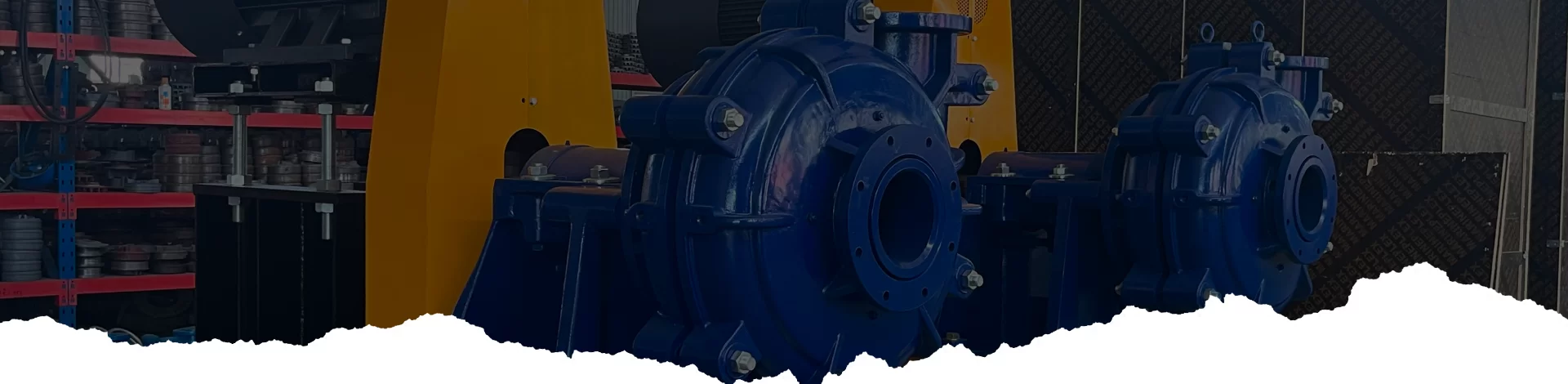
The cantilever horizontal design, exemplified by the 200E-M model, eliminates the need for internal bearings in the slurry chamber. This structure reduces the risk of contaminant ingress into the bearing housing and simplifies the process of replacing wet-end parts. For operators, this translates to a more compact installation footprint and streamlined maintenance protocols.
Flow Capacity and Head Optimization
Performance is measured by Capacity (Q) and Head (H). For instance, a pump capable of 234-910 m³/h with a head of 65-235m allows for significant flexibility in transporting media across varying distances. Optimizing the impeller diameter and operational speed (typically 600-1100 r/min) ensures that the pump operates at its peak efficiency point (η), reducing energy consumption per cubic meter of slurry moved.
Sealing System Selection
Sealing is critical to prevent slurry leakage, which can cause environmental hazards and equipment damage. Depending on the medium's chemistry and the pressure levels, operators can choose between packing seals for simplicity, expeller seals for reduced maintenance, or mechanical seals for zero-leakage requirements in hazardous environments.
Drive Compatibility and Integration
To ensure seamless integration with existing plant infrastructure, pumps should support multiple drive configurations. Compatibility with DC, CR belt, ZVZ, and CV drives allows the equipment to match the specific torque and speed requirements of the operation, providing the flexibility needed for varying slurry concentrations up to 30%.
Installation Flexibility via Rotatable Outlets
Piping layouts in mining and chemical plants are often complex. A pump featuring a rotatable outlet—adjustable at 45° intervals (8 angles)—allows for precise alignment with existing pipes. This eliminates the need for additional elbows and adapters, which are often points of high wear and pressure loss in slurry systems.
Total Cost of Ownership Analysis
Evaluating a solution requires looking beyond the initial Capex. Factors such as energy efficiency (optimized η), the cost of replaceable liners, and the reduction in maintenance downtime contribute to the Opex. A pump designed for high operational speeds and smaller volumes can often reduce the total cost of ownership compared to oversized, rigid heavy-duty systems.
FAQ
What is the ideal slurry concentration for light slurry pumps?
Light slurry pumps, such as the 200E-M, are typically engineered for weight concentrations not exceeding 30%. While they can handle higher concentrations, the slurry must have low abrasiveness to prevent premature wear of the impeller and volute.
How do I choose between rubber and metal liners?
The choice depends on the fluid's characteristics. High-chrome metal liners are superior for abrasive media with large, hard particles. Rubber liners are more effective for corrosive liquids or slurries containing fine, sandy particles that would otherwise erode metal through micro-cutting.
Can the outlet angle be changed after installation?
Yes, the design allows the outlet to be positioned at eight different angles in 45° increments. This is usually configured during the installation phase to align the pump with the piping layout, reducing the need for expensive pipe modifications.
What are the common drive options for industrial slurry pumps?
Common industrial drive models include DC drives for precise speed control, CR belt drives for flexible power transmission, and ZVZ or CV drives. The choice depends on the existing plant power grid and the required operational torque.
How does a cantilever design affect maintenance?
A cantilever design simplifies maintenance by removing the need for internal bearings within the slurry flow path. This reduces the number of components exposed to wear and allows for faster replacement of the impeller and liners without disrupting the drive shaft alignment.
What seal is best for corrosive low-concentration slurries?
For corrosive media, mechanical seals are often recommended to ensure zero leakage. However, expeller seals can be an efficient alternative by using centrifugal force to push the medium away from the seal area, reducing the frequency of seal replacement.
References and further reading
Industrial Pumping Standards for Abrasive Media, Engineering Manual.
Guide to Wear-Resistant Materials in Mineral Processing.
Fluid Dynamics of Non-Newtonian Slurry Transport.


