Maintaining high-performance pumping systems in abrasive environments requires more than just standard maintenance; it demands precision-engineered components that can withstand extreme wear. For operations utilizing heavy-duty slurry equipment, sourcing reliable Warman pump replacement parts China is critical to reducing unplanned downtime and extending the mean time between failures (MTBF). Whether you are managing a mineral processing plant or a large-scale dredging project, the integrity of wet-end parts—such as impellers, liners, and throat bushings—directly impacts your volumetric efficiency and energy consumption.
At CNSME, we specialize in the manufacturing of severe-duty spare parts designed for maximum abrasion resistance. By utilizing advanced alloys like Ni-Hard and high-chromium cast iron, our components ensure that your gravel and slurry pumps maintain their hydraulic performance even when handling the most difficult high-abrasive slurries. This guide explores the technical nuances of selecting replacement components and how high-quality manufacturing standards in Warman pump replacement parts China can optimize your operational costs.

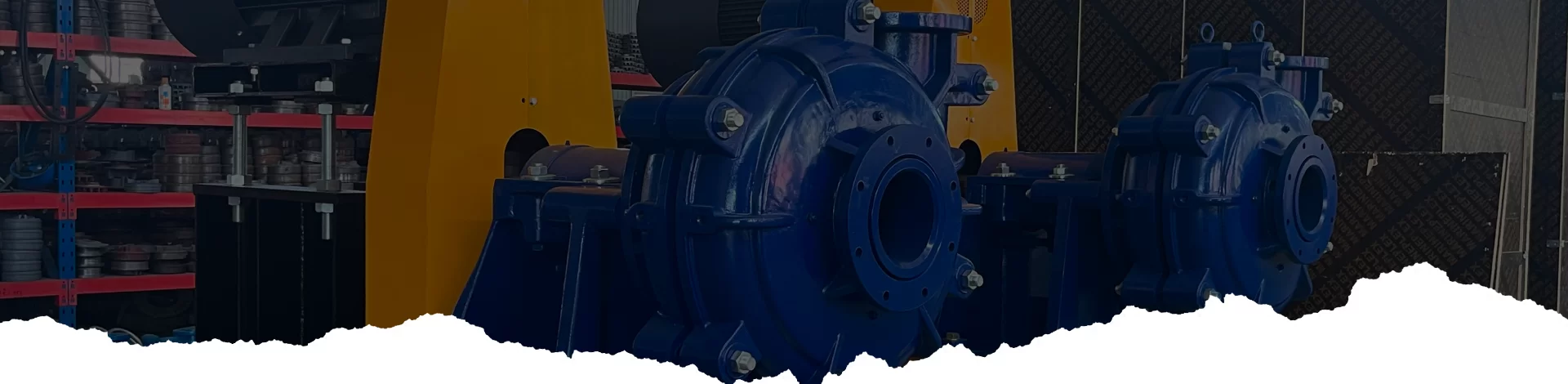
The construction of high-performance gravel pumps, such as the Type G and GH series, is centered around the ability to handle large solids that would typically clog or erode a standard centrifugal pump. These units feature a single casing connected by robust clamp bands and a wide wet-passage design. This architecture is essential for delivering slurries in mining, metal melting explosive sludge, and river course dredging where particle size variation is high.
To combat the aggressive nature of abrasive media, the wet-parts are engineered from high-performance materials. Ni-Hard and high-chromium abrasion-resistance alloys are the primary choices, providing a hard, wear-resistant surface that prevents premature erosion of the volute and impeller. Furthermore, the flexible discharge direction—capable of 360° orientation—allows these pumps to be integrated into complex piping layouts without compromising the Net Positive Suction Head (NPSH) performance.
Wide Wet-Passage: Reduces internal turbulence and prevents clogging from oversized solids.
Modular Casing: Uses clamp bands for easier disassembly and faster part replacement.
Advanced Metallurgy: High-chrome alloys extend the life of the pump shell and internals.
Operational Flexibility: Adjustable discharge angles for optimized site installation.

Effective maintenance of a slurry pump depends on the timely replacement of wear parts. The "wet end" takes the brunt of the abrasive force, and neglecting these components can lead to casing failure or shaft misalignment. Key components such as the Impeller and Volute Liner are the first line of defense. When the impeller's leading edge wears down, the pump loses its ability to move the designed volume of slurry, leading to increased energy costs and reduced throughput.
Beyond the primary wear parts, secondary components like the Bearing Housing Assembly and Adapter Plate Clamp Bands ensure the structural integrity of the pump. The use of high-quality seal rings and joint rings is equally important to prevent slurry leakage, which can cause catastrophic damage to the bearings and motor. By focusing on the precision of the fit between the frame plate and the bowl, operators can maintain a tight seal and ensure the pump operates at its peak efficiency point.
Regular inspections should focus on the thickness of the liners. Once the liner reaches its minimum wear limit, immediate replacement is required to prevent the slurry from eroding the outer casing, which is far more expensive to repair or replace than a standard liner insert.
Selecting the right replacement parts requires a deep understanding of the application environment. In deep-sea mining and coastal reclamation, the components must handle not only abrasion but also the corrosive nature of saltwater. In these scenarios, selecting the correct alloy grade is the difference between a component lasting three months or a full year.
For tailing acquisition and reservoir desalting, the focus shifts to handling high volumes of medium-abrasive slurry. In these cases, the GH high-head pump configuration is often preferred to move materials over longer distances. The selection logic follows a specific path: analyze the particle size of the solids, determine the slurry density, and evaluate the chemical composition of the fluid. Only then can the appropriate material (e.g., High Chrome vs. Ni-Hard) be selected for the replacement liners and impellers.
Moreover, the orientation of the pump's discharge is a critical engineering consideration. Because the gravel pump's discharge can be oriented in any direction, it allows for more compact installations in dredging vessels and river course projects, reducing the need for expensive elbow joints that are themselves prone to wear.
| Pump Model | Application Type | Recommended Material | Wear Resistance Level |
|---|---|---|---|
| 6/4D-G | Light Dredging | Ni-Hard Alloy | Medium |
| 10/8S-GH | High Head Mining | High Chromium | High |
| 12/10G-GH | Severe Duty Slurry | High Chromium | Extreme |
| 16/14G-G | Heavy Gravel Pumping | High Chromium | High |
| 18/16TU-G | Large Scale Reclamation | Custom Alloy | Extreme |
When procuring pump spares, the "lowest price" often leads to the "highest cost" due to premature failure and increased downtime. A professional supplier must demonstrate a complete quality assurance system. This includes metallurgical testing to ensure the hardness of the chromium alloys meets the required HRC (Rockwell Hardness) specifications. Without strict control over the casting process, internal voids or "sand holes" can occur, creating weak points that fail rapidly under pressure.
For global operators, sourcing components from an experienced manufacturer in China provides a strategic advantage in terms of lead times and customization. The ability to provide OEM-compatible parts that meet or exceed original specifications allows plants to maintain their equipment without being locked into expensive proprietary supply chains. Key procurement criteria should include the supplier's experience with specific alloys and their ability to provide dimensional drawings for verification.
To optimize the supply chain, we recommend a "kit-based" procurement strategy. Rather than ordering individual parts, procurement managers should order "wear kits" that include the impeller, volute liner, and seal rings. This ensures that all interacting surfaces are replaced simultaneously, maintaining the hydraulic balance and seal integrity of the pump.
The industry is moving toward "smart maintenance," where the life of replacement parts is predicted using vibration analysis and flow rate monitoring. Instead of scheduled replacements, operators are beginning to use real-time data to determine the exact moment a liner needs changing. This reduces waste and prevents the risk of unexpected casing breaches.
Additionally, there is a significant push toward the development of hybrid materials—combining the hardness of ceramics with the toughness of metals. While traditional high-chromium alloys remain the industry standard for heavy-duty gravel pumps, the next generation of components will likely feature laser-cladded surfaces to provide extreme wear resistance on the impeller's leading edges while maintaining a durable core.
As mining and dredging operations move into more remote and deeper environments, the demand for "easy-maintenance" designs will grow. The trend toward quick-release clamp bands and standardized part dimensions across different pump series will further reduce the technical burden on site engineers, making the maintenance of slurry systems more efficient and safer.
Ni-Hard is generally suitable for medium-abrasive applications and offers good toughness. High Chromium alloys provide superior hardness and are specifically designed for severe-duty abrasive slurries, making them the preferred choice for gravel pumps in mining and dredging.
Replacement intervals depend on the slurry density and particle size. Typically, liners are monitored for thickness and replaced when they reach a predefined wear limit. Impellers are replaced when a drop in flow capacity or an increase in power consumption is observed.
Yes, as long as the dimensions and specifications match. We manufacture parts that are compatible with a wide range of heavy-duty slurry pump designs, providing a high-quality alternative to OEM components.
Common causes include operating the pump too far from its Best Efficiency Point (BEP), which increases internal turbulence, or using a material grade that is too soft for the specific abrasiveness of the slurry.
NPSH (Net Positive Suction Head) determines if the pump will cavitate. In gravel pumping, poor NPSH can lead to cavitation bubbles that erode the impeller and casing rapidly, significantly shortening the life of the replacement parts.
Request material certificates (Mill Test Reports), verify the hardness rating (HRC), and check for a complete quality assurance system that includes dimensional inspection and non-destructive testing of the castings.
Optimizing the lifespan of your pumping equipment requires a strategic approach to part selection and a partnership with a manufacturer that understands the rigors of abrasive transport. By prioritizing metallurgical quality and precision engineering, you can ensure your operations remain productive and cost-effective.

bscribe newslette


