Understanding Durable Gravel Pump Design and Material Considerations

  • Home
  • Top Blog
  • Understanding Durable Gravel Pump Design and Material Considerations
0%

Table of Contents

You know, I've been running around construction sites for years, and the biggest trend lately? Everyone's obsessed with minimizing weight. Lighter materials, thinner walls… It's all about getting the job done faster and cheaper, but honestly, sometimes I worry we're sacrificing durability. It's a trade-off, right? We've all seen what happens when things are too lightweight.

       I've seen so many designs that look good on paper, but fall apart in the real world. Have you noticed how everyone wants these sleek, minimalist designs?  It's fine, I guess, but integrating cable management, or even just decent access panels, is often an afterthought. They design these things in an office, they don't spend weeks wrestling with them in the mud.  Then I'm the one getting yelled at because the electrician can't reach the damn terminals.

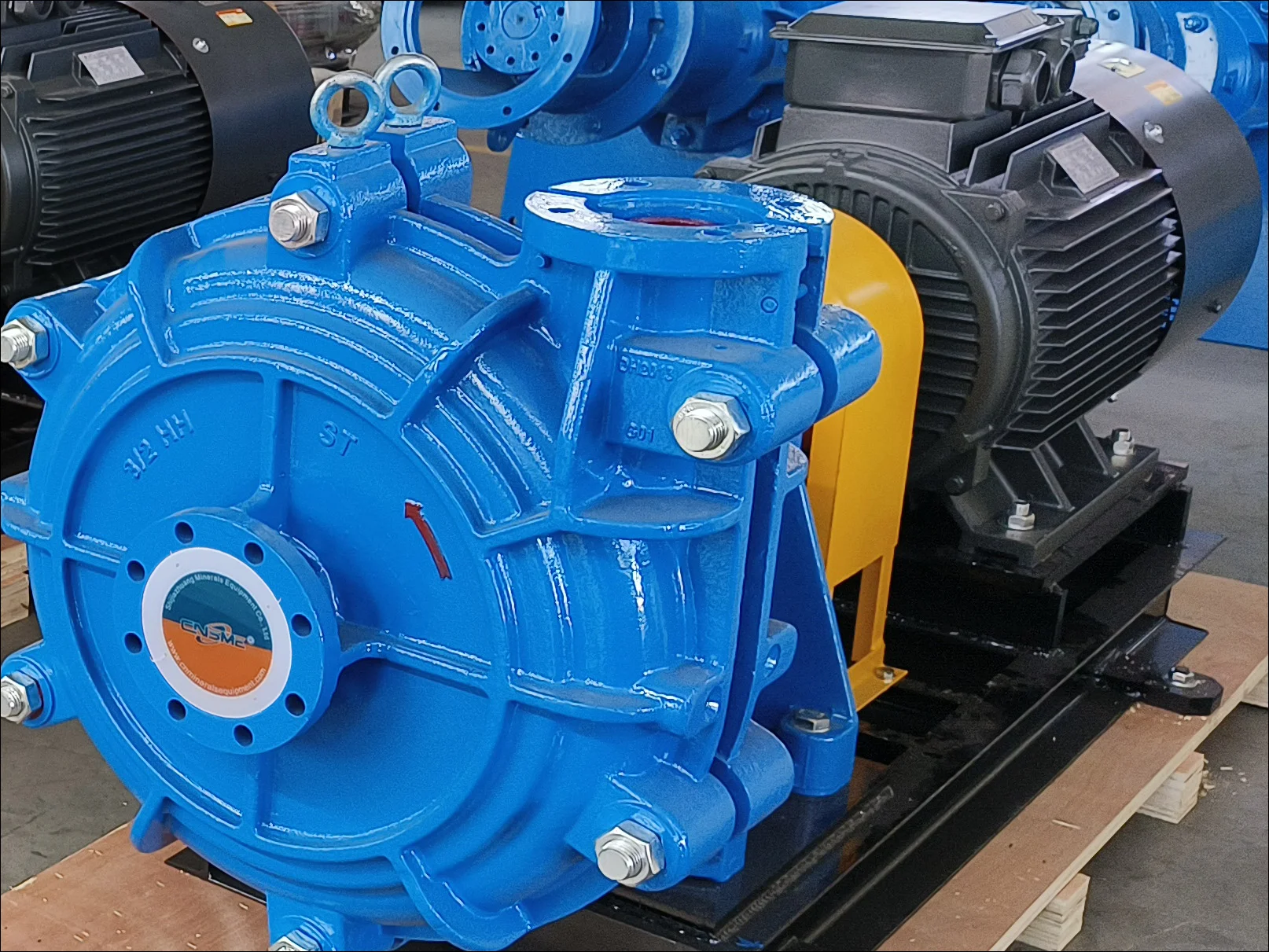
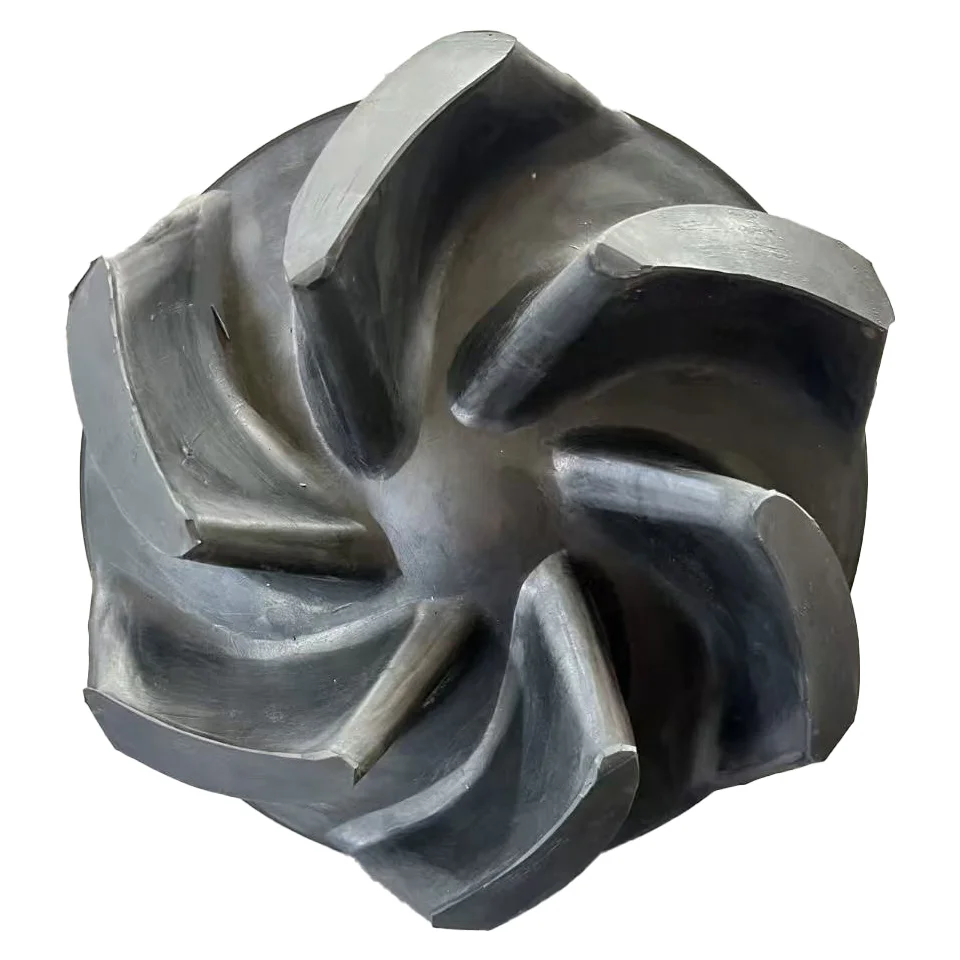
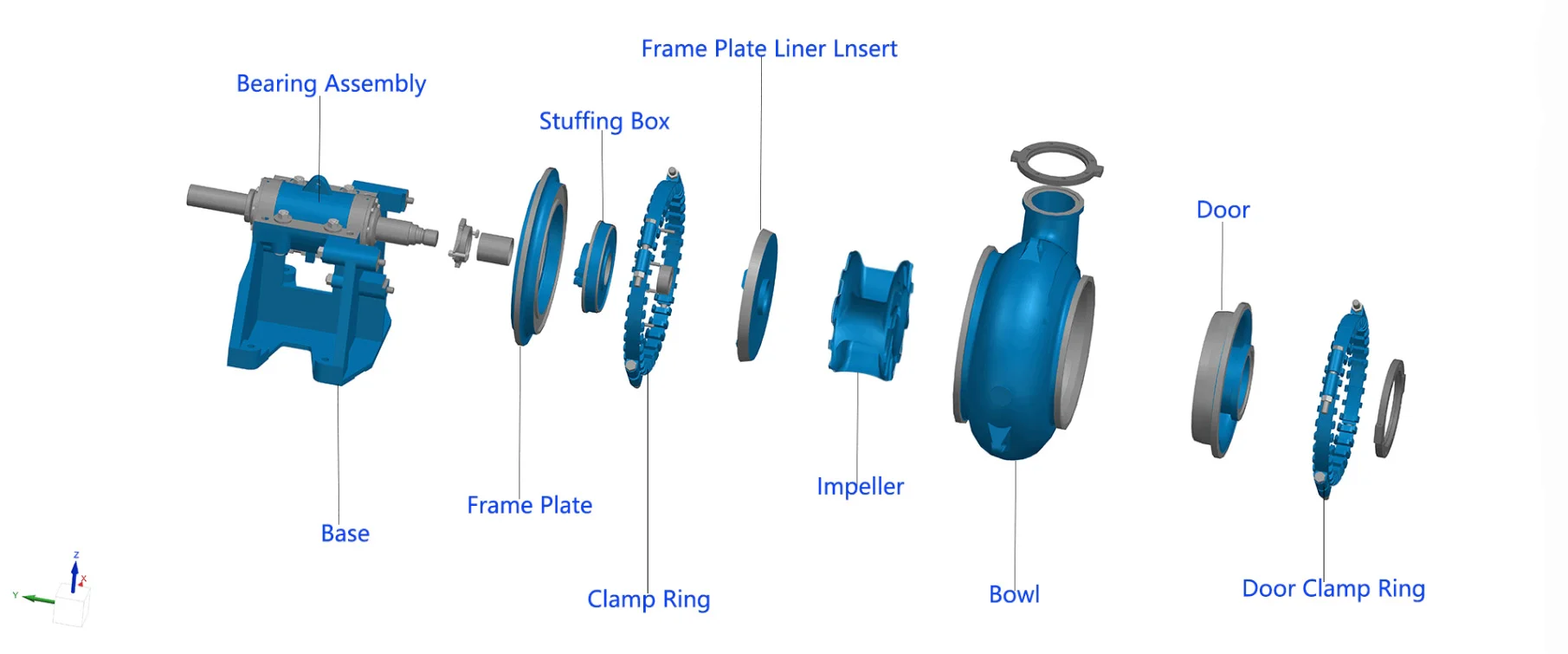
       We use a lot of high-density polyethylene for the pump housings these days.  Good stuff.  It’s got that… plastic-y smell, but it's tough. Surprisingly tough.  Feels a little waxy to the touch, needs gloves if you’re handling it all day. And then, of course, there's the cast iron for the impeller and volute.  Heavy as hell, but you can’t beat the abrasion resistance. I encountered this at a pump factory in Jiangsu Province last time – they were trying to switch to a polymer impeller to save weight, but it just couldn’t handle the gravel. Completely shredded within a month.
sand gravel pump    

The Rising Demand for Durable gravel pump

sand gravel pump            

To be honest, the demand for reliable gravel pump has exploded in the last five years. It’s not just mining anymore.  We're seeing huge growth in environmental remediation, dewatering construction sites, even dredging small rivers and canals.  Everyone needs to move abrasive materials, and they need something that won’t break down after a week.

           Strangely, a lot of people underestimate the sheer volume of solids these pumps have to handle.  They see a few pebbles and think, “Oh, it’s just gravel.” But it’s not just gravel. It’s gravel mixed with mud, rocks, bits of metal, even the occasional root or plastic bag. It’s a brutal environment, and the pump takes a beating.

Common Design Pitfalls in gravel pump Manufacturing

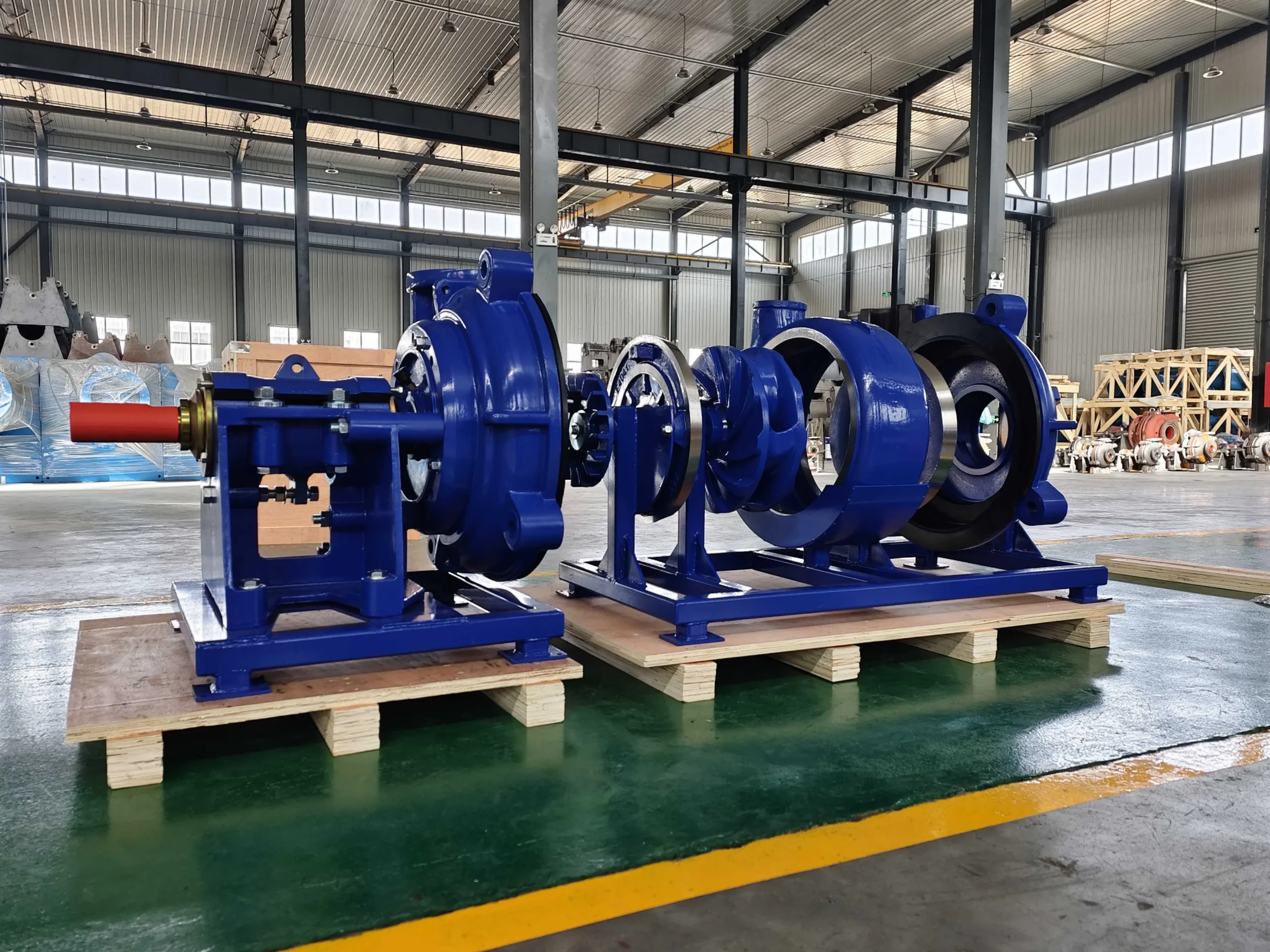
I’ve seen so many pumps where the volute liner is too thin. It looks good on paper – saves money on materials – but it wears through in months. Then you're rebuilding the pump, which is way more expensive in the long run. It’s always the same story. Another issue is insufficient impeller clearance. Too tight, and you get clogging. Too loose, and you lose efficiency. Finding that sweet spot is crucial.

       And don’t even get me started on seals. People always skimp on the seals. They think, "Oh, it's just a seal." But a failed seal means downtime, lost production, and a whole lot of frustration. We've had to redesign entire systems because of a cheap seal.

       The biggest trap? Trying to apply standard pump designs to abrasive applications. It just doesn’t work. You need to specifically engineer for the wear and tear.

Material Selection: Balancing Weight and Resilience

Like I said, HDPE is popular for the housings. Lightweight, corrosion resistant, relatively inexpensive. But it scratches easily, so you need a good liner. For the wet end – the impeller, the volute, the diffuser – you’re looking at high-chrome iron alloys. They're incredibly abrasion resistant, but they're heavy and can be brittle.


We’ve been experimenting with ceramic liners lately. They're even tougher than high-chrome iron, but they're also significantly more expensive. The trick is finding the right balance between cost and performance.  It’s not always about getting the most durable material; it’s about getting the most cost-effective durable material.


We're also looking into rubber liners for certain applications. They're not as hard as metal, but they have excellent shock absorption properties, which can reduce wear and tear.  Plus, they're quieter. It's a bit of a gamble, though, because rubber can degrade over time, especially if exposed to certain chemicals.

Real-World Testing and Performance of gravel pump

Forget the lab tests. They’re useful for getting baseline data, but they don’t tell you the whole story. We test our pumps on actual construction sites, pumping real gravel, real mud, real crap.  We put them through hell.

       We’ll run a pump 24/7 for weeks, monitoring wear rates, tracking performance, and listening for any unusual noises.  We also send our engineers out to talk to the operators, get their feedback.  They're the ones who really know what's going on.  Later… Forget it, I won't mention the time someone tried to use a pump to move concrete slurry.

gravel pump Performance Metrics

How Users Actually Utilize gravel pump

You wouldn’t believe some of the ways people use these pumps. We designed one for a gold mine in Nevada, and they ended up using it to pump sewage. Sewage! Apparently, their original pump broke down, and ours was the only one they could get their hands on quickly.

       I think they just didn’t care.

Advantages and Disadvantages of Modern gravel pump

Look, the advantages are obvious. Reliability, durability, high flow rates. The new designs are more efficient, use less energy. But they're still expensive. And they're heavy. That's a big drawback, especially in remote locations.

       And let's be real, maintenance is a pain. These pumps require regular inspection and repair. It's not something you can just set and forget. But that's the trade-off. You want a pump that can handle anything, you have to be willing to put in the work.

       Anyway, I think the biggest improvement has been in the sealing technology.  We’ve drastically reduced leakage, which not only saves money on water but also improves safety.

Customization Options for Specialized gravel pump Applications

We can customize almost anything. Different impeller materials, different seal configurations, different motor sizes. We even had a customer in Dubai who wanted a pump painted gold. Gold! I didn't even ask why.

       Last month, that small boss in Shenzhen who makes smart home devices insisted on changing the interface to . He said his factory was “all  now” and everything else was “so last year”. The result? It took us a week to find a compatible power supply, and the pump didn’t work any better.  I swear, some people just want to be difficult.

       We've done a lot of work with variable frequency drives (VFDs) to optimize pump performance. You can adjust the speed to match the flow rate, which saves energy and reduces wear and tear. It’s a simple idea, but it makes a huge difference.

Key Performance Indicators for Gravel Pump Selection

Pump TypeMaximum Solids Handling (mm)Flow Rate (m³/hr)Typical Application
Centrifugal Gravel Pump50200Sand and Gravel Pits
Diaphragm Gravel Pump75100Dewatering Construction Sites
Submersible Gravel Pump60300Mining and Quarrying
Slurry Pump (High Chrome)80400Heavy Mineral Processing
Hydraulic Gravel Pump40150Portable Dewatering
Boxed Gravel Pump3070Fine Slurry Transfer

FAQS

What’s the typical lifespan of a gravel pump impeller?            

That depends heavily on the abrasiveness of the material being pumped and the pump’s operating hours. A high-chrome iron impeller in a moderately abrasive application might last 6-12 months, but in extremely abrasive conditions, it could wear out in a matter of weeks. Regular inspection and replacement of worn parts are crucial to maximize lifespan. We recommend keeping a spare impeller on hand, especially for critical applications.

How do I prevent clogging in a gravel pump?            

Clogging is a common problem. Ensure the pump is properly sized for the job and that the suction line is adequately protected with a strainer. Avoid pumping materials with excessive solids content or large objects. Regularly inspect and clean the impeller and volute for buildup. Consider using a pump with a wider impeller passage if you frequently encounter large solids. Some pumps also have built-in features to help prevent clogging, like a raking mechanism.

What type of seal is best for a gravel pump?            

Mechanical seals are generally the best choice for gravel pumps, offering superior sealing performance and longer life compared to other types. The specific type of mechanical seal will depend on the application and the characteristics of the fluid being pumped. Double mechanical seals are often used in particularly demanding applications to provide extra protection against leakage. Regular inspection and maintenance of the seal are essential to prevent failures.

What’s the difference between a centrifugal and positive displacement gravel pump?            

Centrifugal pumps are the most common type of gravel pump, known for their high flow rates and relatively low cost. They’re ideal for applications where the solid content is not excessively high. Positive displacement pumps, on the other hand, are better suited for handling high solid content and viscous fluids. They deliver a consistent flow rate regardless of pressure. However, they are typically more expensive and require more maintenance.

How often should I inspect my gravel pump?            

Regular inspection is key to preventing breakdowns and maximizing pump life. You should inspect the pump at least monthly, paying close attention to the seals, impeller, volute, and bearings. Look for signs of wear, corrosion, or damage. Check the lubrication levels and top them off as needed. Keep a log of your inspections and any maintenance performed.  Early detection of problems can save you a lot of money and downtime in the long run.

Can a gravel pump be used to pump liquids other than water?            

Yes, but you need to consider the chemical compatibility of the pump materials with the liquid. Some liquids can corrode or degrade certain materials. It’s also important to consider the viscosity and density of the liquid, as these factors can affect pump performance. Always consult the pump manufacturer’s specifications to ensure the pump is suitable for the intended application. Using the wrong pump can lead to premature failure and costly repairs.

Conclusion

So, there you have it. Gravel pump aren't glamorous, but they're essential. They’re the workhorses of countless industries, reliably moving abrasive materials day in and day out.  The industry is moving towards lighter materials and smarter designs, but the core principles remain the same: durability, reliability, and cost-effectiveness.

       Ultimately, whether this thing works or not, the worker will know the moment he tightens the screw. And if he’s cursing under his breath, well, that means we need to go back to the drawing board.  If you’re looking for a gravel pump that can handle your toughest jobs, visit our website: www.qualityslurrypump.com.

Daniel Wilson

Daniel Wilson

Daniel Wilson is a Slurry Pump Design Engineer at CNSME Pump. He's responsible for developing and refining pump designs to meet the evolving needs of diverse industries. Daniel's work includes utilizing advanced modeling software to optimize pump performance and durability. He collaborates closely with the manufacturing team to ensure designs are efficiently produced and meet stringent quality standards. His recent work focused on improving the abrasion resistance of pump impellers for heavy-duty mining applications. Daniel holds a Master’s degree in Fluid Dynamics.
Previous Reliable Metal Lined Slurry Pump Solutions for Abrasive Applications
Next Optimizing Dredge Pump Performance Reliability and Practical Maintenance

bscribe newslette

If you do not find a matching slurry pump model, please contact us!

If you are interested in our products, you can choose to leave your information here, and we will be in touch with you shortly.