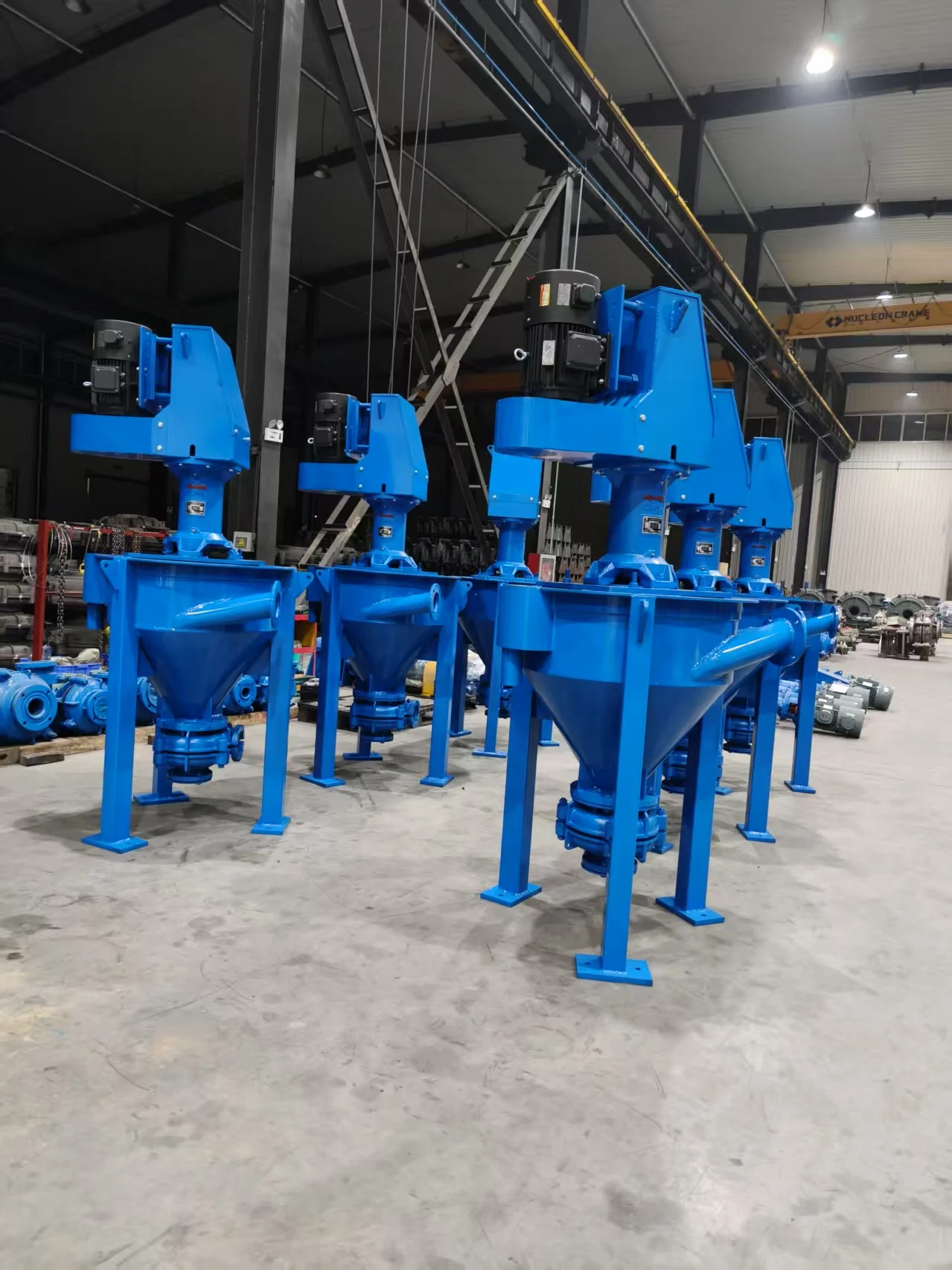
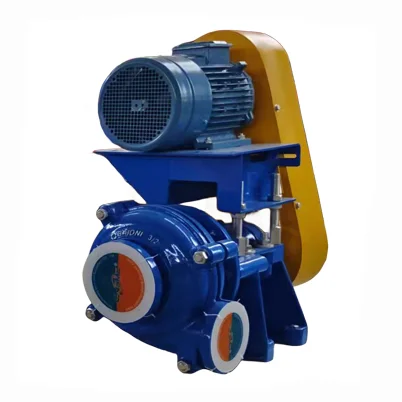
Vertical sump pump design is more than just moving water; it’s about keeping operations running smoothly, safely, and efficiently. From massive dewatering projects in mining to reliable wastewater management in industrial plants, the right pump can be the difference between productivity and costly downtime. As someone who’s spent years on sites, wrestling with equipment and troubleshooting issues, I can tell you that a well-designed vertical sump pump is an absolute workhorse. It's the foundation of so many processes, and getting it right upfront saves a world of headache later.
The demand for robust and efficient vertical sump pumps is growing globally, driven by increasing urbanization, stricter environmental regulations, and the expansion of industries like mining and construction. According to the World Bank, global urbanization is expected to continue, placing increased strain on wastewater infrastructure. This, coupled with a growing focus on sustainable water management, makes dependable and intelligently designed pumps absolutely critical. We’re seeing a shift towards systems that can handle increasingly abrasive materials and varying flow rates, and frankly, the old designs just don’t cut it anymore.
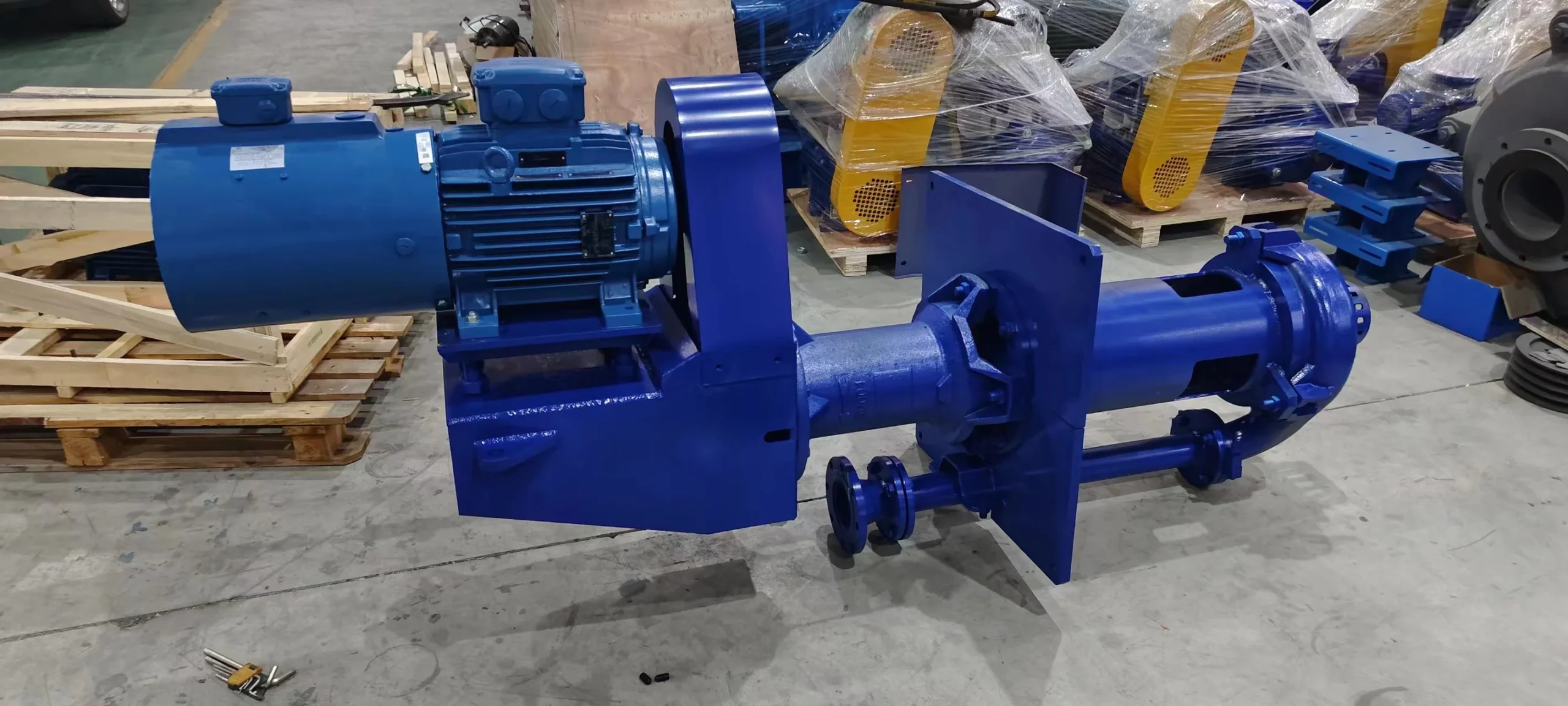
Essentially, a vertical sump pump is designed to be submerged in a pit or sump – hence the name – and lift liquids vertically. Unlike horizontal pumps which require priming and take up significant floor space, vertical pumps boast a compact footprint and are self-priming, making them ideal for confined spaces and applications where suction lift is a challenge. They’re built for constant operation in harsh environments and are a cornerstone of many industrial processes, providing reliable fluid transfer where it's needed most.
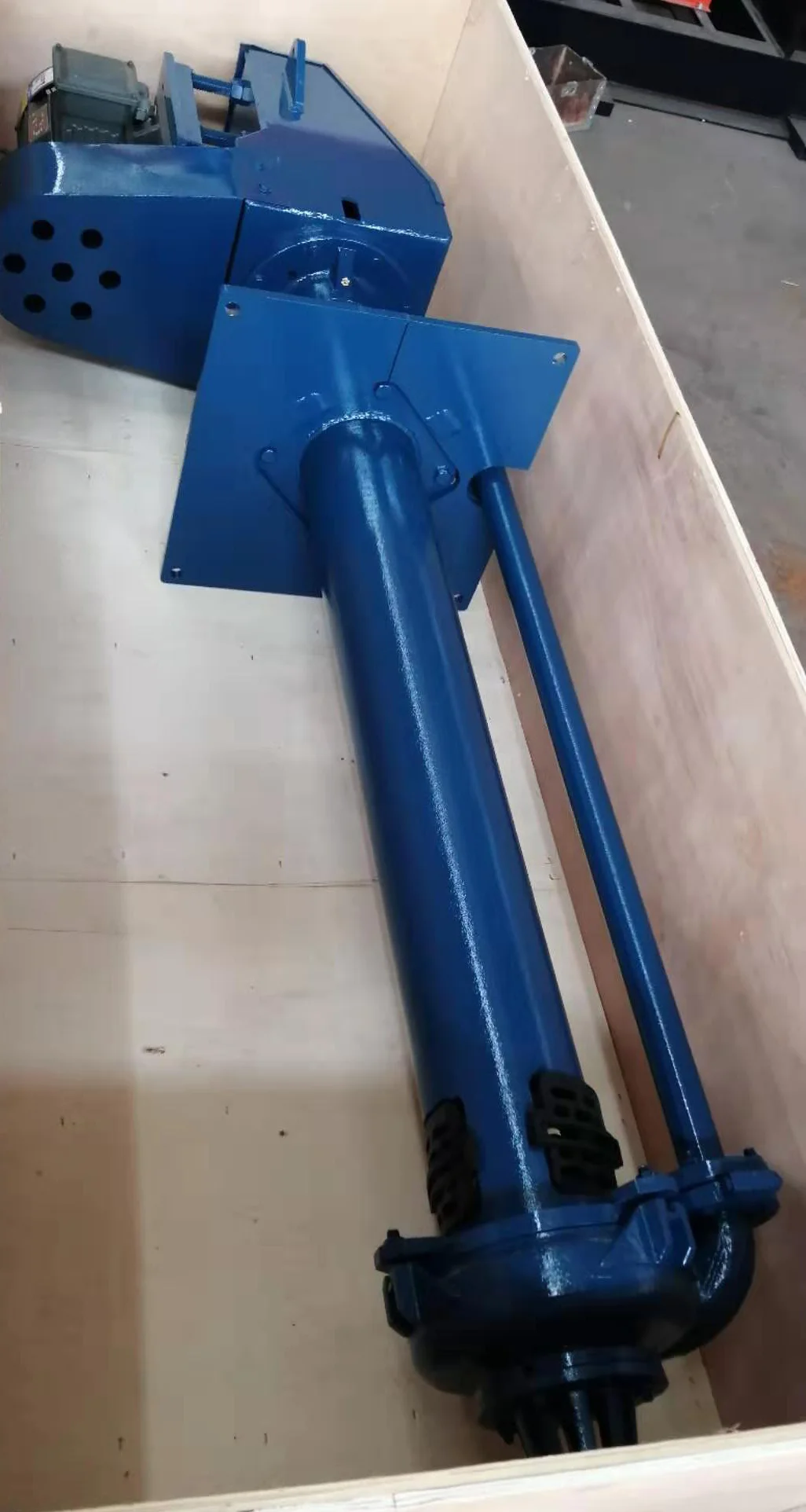
The Importance of Vertical Sump Pump Design
Let's be honest, a pump failure can shut down an entire operation. It's not just about the cost of the repair, it’s the lost production time, the potential for environmental damage, and the safety risks. A solid vertical sump pump design focuses on reliability first and foremost. That means choosing the right materials, designing for ease of maintenance, and ensuring the pump can handle the specific fluids and solids it will encounter. It’s about proactive problem-solving, not reactive firefighting.
What I’ve learned after years in the field is that a cheap pump is never a bargain. Investing in a properly designed and manufactured vertical sump pump upfront will always save you money in the long run. It's an asset, not an expense, and a crucial component of a dependable, efficient system. You want a pump that can handle the punishment and keep going, day after day.
Global Context and Industry Relevance
The need for efficient water and wastewater management is a global issue. The UN estimates that over 2 billion people lack access to safely managed drinking water services. Vertical sump pumps play a vital role in addressing this challenge, particularly in municipal wastewater treatment plants and water distribution systems. As populations grow and resources become scarcer, the demand for these pumps will only increase.
Beyond municipalities, industries like mining, construction, and power generation are heavily reliant on vertical sump pumps. In mining, they’re essential for dewatering operations and managing slurry. Construction sites use them to remove groundwater and prevent flooding. And power plants utilize them for cooling water circulation and handling waste streams. The versatility of vertical sump pump design makes it indispensable across a wide range of applications.
The ISO standards regarding pump efficiency and reliability are becoming increasingly stringent, forcing manufacturers to innovate and improve their designs. This is a good thing. It pushes the industry towards more sustainable and long-lasting solutions, which ultimately benefits everyone involved. I’ve seen firsthand the improvements in pump technology over the years, and it’s exciting to see where it's headed.
Defining Vertical Sump Pump Design
Simply put, vertical sump pump design is the process of engineering a pump that’s specifically intended for submerged operation in a pit or sump. This involves carefully selecting the impeller type, motor configuration, materials of construction, and sealing systems to ensure optimal performance and longevity. It's a holistic approach that considers the entire system, not just the pump itself.
What sets it apart from other pump designs is the vertical orientation of the motor and pump shaft. This eliminates the need for priming, simplifies maintenance, and reduces the footprint of the installation. In a lot of cases, space is at a premium on a construction site or in an industrial facility. That’s where vertical sump pumps really shine.
The connection to modern industry and even humanitarian needs is direct. Reliable wastewater treatment, efficient dewatering, and the ability to move fluids in challenging environments are all essential for modern infrastructure and disaster relief. A well-designed vertical sump pump is a fundamental building block for a sustainable and resilient future.
Key Design Factors for Performance
Durability is paramount. The materials used – everything from the impeller and casing to the shaft and seals – must be able to withstand the corrosive nature of the fluids being pumped and the abrasive wear from suspended solids. We’re talking high-grade stainless steel, robust coatings, and carefully selected elastomers. You need something built to last, not something that will need replacing every six months.
Scalability is another crucial aspect. A good design allows for easy adaptation to changing flow rates and head pressures. That might mean offering a range of impeller sizes, motor horsepower options, or the ability to connect pumps in parallel. You need a system that can grow with your needs.
Vertical Sump Pump Design Performance Metrics
Real-World Applications Across Industries
In post-disaster relief operations, quickly deployable vertical sump pumps are essential for removing floodwaters and providing clean water access. I've seen them used in countless emergency situations, and they're a lifesaver.
In remote industrial zones, like mining operations in Australia or oil fields in Canada, these pumps provide reliable wastewater management where space is limited and maintenance access is challenging. They’re the workhorses that keep these remote facilities running.
Long-Term Benefits and Value Proposition
The cost savings are significant. Reduced downtime, lower maintenance requirements, and improved energy efficiency all contribute to a lower total cost of ownership. But it’s not just about the money.
The sustainability aspect is also crucial. Properly designed pumps minimize energy consumption and reduce the risk of environmental contamination. And the peace of mind knowing that your operation is running reliably and safely is priceless. It's a long-term investment in your infrastructure and your reputation.
Future Trends and Emerging Technologies
We’re seeing a growing trend towards smart pumps with integrated sensors and remote monitoring capabilities. This allows for predictive maintenance, optimized performance, and reduced downtime. It's all about using data to make better decisions.
There's also a lot of research going into new materials and coatings that can further enhance pump durability and corrosion resistance. And the integration of variable frequency drives (VFDs) is becoming increasingly common, allowing for precise control of flow rates and energy consumption.
The future of vertical sump pump design is about embracing digital transformation and leveraging new technologies to create more efficient, reliable, and sustainable pumping systems.
Summary of Key Considerations for Vertical Sump Pump Design
| Fluid Characteristics | Material Selection | Maintenance Access | Energy Efficiency |
|---|
| Viscosity, solids content, corrosiveness. | Stainless steel, specialized coatings, elastomers. | Ease of access for inspection and repair. | Motor efficiency, impeller design, VFD integration. |
| Highly abrasive fluids require specialized impeller designs. | High-grade materials are essential for corrosive environments. | Considerations for confined space maintenance. | Optimized pump sizing to reduce energy waste. |
| Temperature extremes impact fluid properties and pump performance. | Cost vs. durability tradeoff for material choices. | Regular inspection schedule to identify potential issues. | Implementing a pump monitoring system for real-time data. |
| Fluid density influences pump head requirements. | Compatibility of materials with the pumped fluid. | Accessibility of critical components for replacement. | Analyzing life cycle costs including energy consumption. |
| Suspended solids determine impeller type and wear resistance. | Seal materials must withstand fluid and temperature. | Planning for potential future maintenance needs. | Utilizing energy-efficient motor technologies. |
| Chemical composition influences material compatibility. | Ensuring materials meet relevant industry standards. | Documenting maintenance procedures for future reference. | Employing flow control strategies to optimize energy use. |
FAQS
Based on my experience, the most frequent issues stem from solids buildup, causing impeller blockages and increased strain on the motor. Corrosion, particularly in aggressive fluid environments, also contributes significantly. Finally, seal failures due to wear and tear or improper installation are a common problem. Regular inspections and preventative maintenance can address these issues before they escalate.
Impeller selection is critical. For clean liquids, a radial flow impeller is generally sufficient. But if you’re dealing with solids, you'll need a vortex or recessed impeller to prevent clogging. Vortex impellers are good for stringy materials, while recessed impellers handle larger solids more effectively. Consider the size and concentration of solids in your fluid when making your decision.
Material selection is key – stainless steel alloys are generally the best choice for corrosive environments. You can also consider applying protective coatings to the pump casing and impeller. Regularly monitoring the pH of the fluid and implementing corrosion inhibitors can also help extend the pump's lifespan. It’s also important to regularly inspect and replace any components showing signs of corrosion.
Ideally, seals should be inspected during every scheduled maintenance cycle, which is typically every 3-6 months, depending on the application. Look for signs of wear, cracking, or leakage. Replacing seals proactively can prevent catastrophic pump failures and costly downtime. Don’t wait until you have a leak to address the issue!
VFDs allow you to precisely control the pump's speed and flow rate, which can significantly reduce energy consumption. They also help to minimize mechanical stress on the pump, extending its lifespan. VFDs are particularly beneficial in applications where flow rates fluctuate frequently, allowing the pump to operate at optimal efficiency.
Accurate pump sizing is critical. You need to consider the flow rate, total dynamic head (TDH), and fluid characteristics. Consulting with a pump specialist or using a pump selection software can help you determine the optimal pump size. An undersized pump won't be able to meet your needs, while an oversized pump will be inefficient.
Conclusion
Vertical sump pump design is a cornerstone of modern infrastructure, providing reliable and efficient fluid handling across a vast range of industries. From ensuring safe wastewater treatment to keeping critical industrial processes running smoothly, these pumps are essential for a sustainable future. Prioritizing durability, scalability, and energy efficiency in the design phase is paramount to long-term success.
Investing in well-engineered vertical sump pumps, coupled with a proactive maintenance program, will yield significant returns in terms of reduced downtime, lower operating costs, and increased environmental responsibility. If you're looking for a robust and dependable pumping solution, don't hesitate to explore the latest advancements in vertical sump pump technology. vertical sump pump design solutions can help you meet your specific needs and achieve your operational goals.