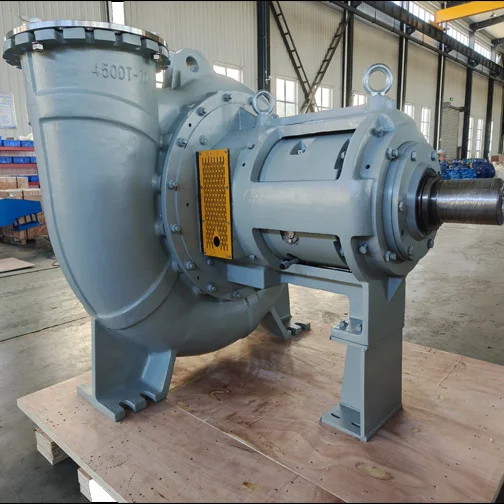
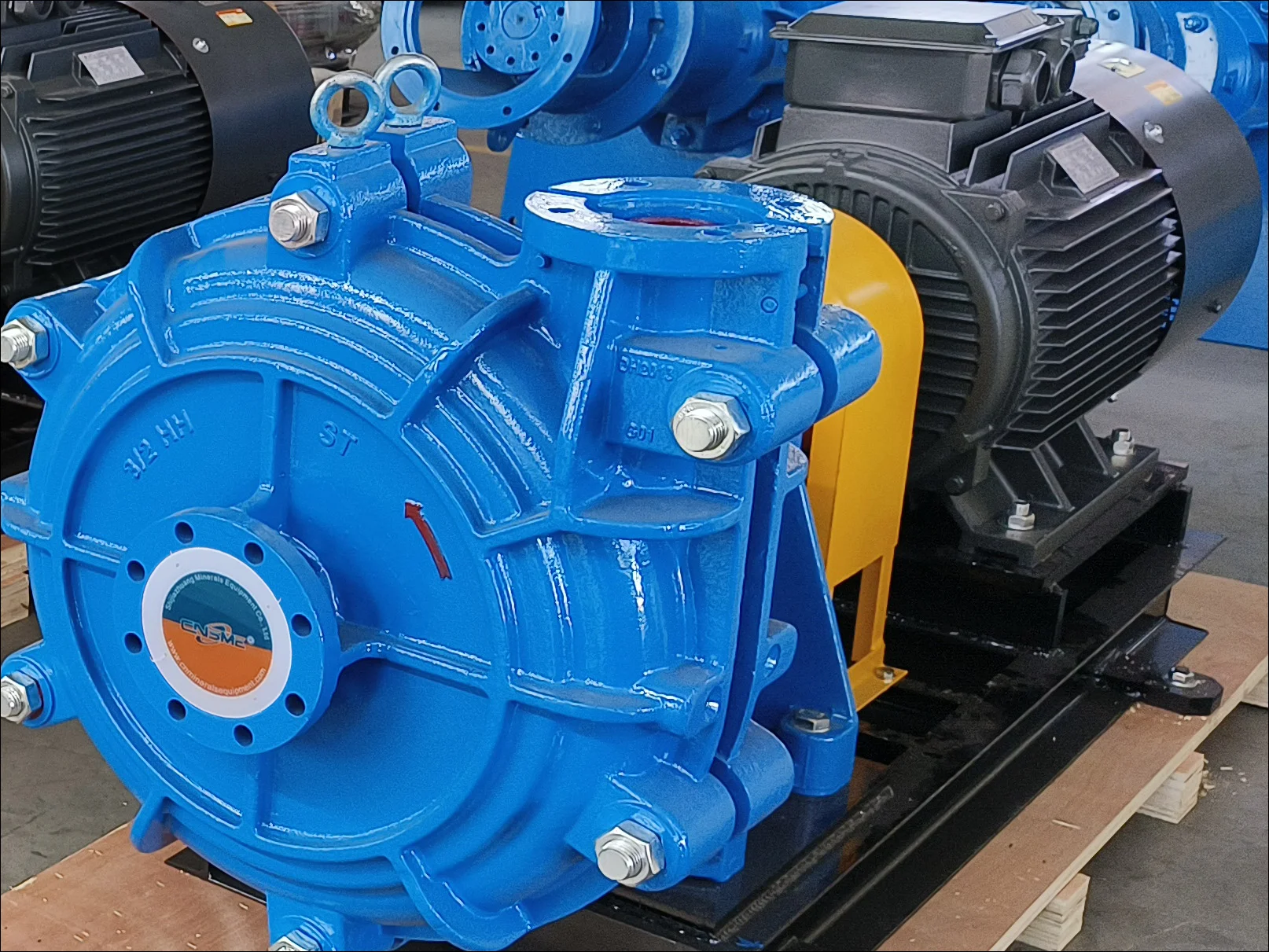
Selecting the right custom slurry pump manufacturer is a critical decision for any industrial operation dealing with abrasive or corrosive fluids. In the demanding environments of mining, dredging, and chemical processing, a generic pump often leads to premature wear and costly downtime. Tailored engineering ensures that the equipment matches the specific gravity, particle size, and chemical composition of the medium, maximizing operational lifespan.
The global shift toward more efficient resource extraction and waste management has placed a spotlight on the importance of precision-engineered pumping solutions. Whether it is handling tailings in a remote mine or transporting grit in an urban wastewater plant, the ability to customize metallurgy and impeller design is what separates a high-performing system from one that requires constant maintenance.
By partnering with an experienced custom slurry pump manufacturer, companies can achieve a delicate balance between flow rate and head pressure while minimizing energy consumption. This guide explores the technical nuances of custom slurry pumping, from material selection like high chrome and natural rubber to the strategic application of vertical and horizontal configurations.
Global Relevance of Custom Slurry Pump Manufacturing
In the current global industrial landscape, the demand for specialized fluid handling is skyrocketing. According to international mining and ISO standards, the efficiency of slurry transport directly impacts the sustainability of mineral processing. A custom slurry pump manufacturer addresses the fundamental challenge of "abrasive wear," which can cost global mining operations billions in lost productivity annually.
By integrating advanced metallurgy and fluid dynamics, manufacturers are now able to create pumps that withstand the harshest environments—from the Arctic tundra to the depths of Southeast Asian mines. The ability to customize these machines ensures that energy consumption is minimized, aligning with global ESG (Environmental, Social, and Governance) goals to reduce the carbon footprint of heavy industry.
Defining the Role of a Custom Slurry Pump Manufacturer
A custom slurry pump manufacturer is more than just a hardware provider; they are engineering partners who design pumping systems specifically for the "slurry"—a mixture of solids and liquids. Unlike standard water pumps, slurry pumps must handle high-density mixtures that can be highly abrasive, corrosive, or both. This requires a deep understanding of the interaction between the pump's internal surfaces and the transported medium.
The process begins with a comprehensive analysis of the fluid properties, including particle size distribution, pH levels, and solids concentration by weight. The manufacturer then selects the optimal configuration, such as Horizontal Slurry Pumps for long-distance transport or SF Vertical Froth Pumps for mineral flotation cells, ensuring the pump operates at its Best Efficiency Point (BEP).
Ultimately, the goal of a specialized manufacturer is to eliminate the "one-size-fits-all" approach. By customizing the impeller diameter, casing thickness, and liner material—whether using High Chrome alloys for abrasion or Natural Rubber for corrosion—they provide a solution that significantly reduces the Total Cost of Ownership (TCO).
Core Components of High-Performance Slurry Systems
The heart of any system provided by a custom slurry pump manufacturer lies in the metallurgy. For extreme abrasion, High Chrome (Cr27) alloys are employed to create a hard, wear-resistant surface. In contrast, for acidic or chemically aggressive slurries, Polyurethane or Natural Rubber linings are used to provide an elastic barrier that absorbs the impact of particles.
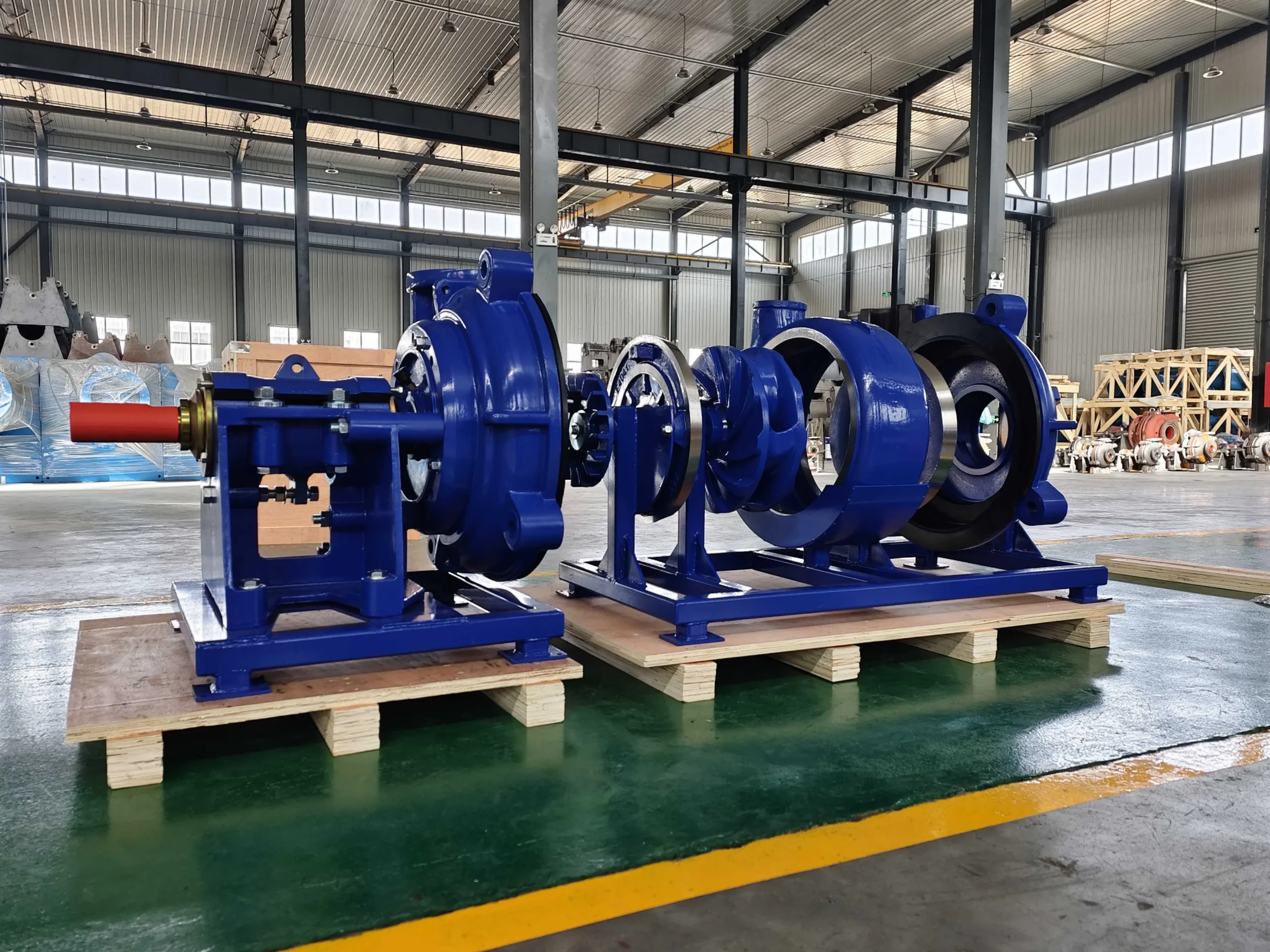
The impeller design is equally critical. Whether it is an open impeller for large solids in S(H)G Sand Gravel Pumps or a specialized design for MD(R) Mill Underflow Pumps, the geometry must prevent clogging while maintaining a steady flow. A custom manufacturer optimizes the vane angle and thickness to balance hydraulic efficiency with the necessary wall thickness for wear allowance.
Beyond the wetted parts, the mechanical seals and bearings are engineered to prevent slurry leakage into the motor. Advanced expeller seals and high-load bearings are integrated to ensure that the pump can run continuously in 24/7 industrial cycles without unexpected failure, which is the primary metric of success for any custom slurry pump manufacturer.
Critical Factors for Custom Pump Durability
Durability in slurry pumping is not just about the thickness of the metal, but about the synergy between velocity and material hardness. If the velocity is too low, solids settle and cause blockages; if it is too high, the wear rate increases exponentially. A professional custom slurry pump manufacturer calculates the "critical carrying velocity" to ensure the pump operates in the goldilocks zone of efficiency and longevity.
Another key factor is scalability. As mines expand or production capacities increase, the ability to upgrade a pump—perhaps by switching from a SL(R) Light Duty Slurry Pump to a ZGB Heavy Duty Slurry Pump—without replacing the entire piping infrastructure is a hallmark of a well-designed custom system.
Comparison of Material Longevity by Custom Slurry Pump Manufacturer Standards
Global Applications and Industrial Use Cases
The application of custom slurry pumps spans across continents. In the copper mines of Chile and the iron ore fields of Australia, ZJ High Pressure Slurry Pumps are essential for moving thick tailings over vast distances to storage facilities. The ability of a custom slurry pump manufacturer to build pumps that handle high-pressure head allows these mines to reduce the number of pumping stations, thereby lowering capital expenditure.
Beyond mining, these pumps are vital in urban infrastructure. In the United States and Europe, STC Vertical Non-Clog Pumps and SV(R) Vertical Sump Pumps are utilized in wastewater treatment plants to handle grit and debris. In industrial chemical zones, SHR Rubber Lined Slurry Pumps are the gold standard for transporting corrosive acids mixed with solid precipitates, ensuring that the facility remains safe and leak-free.
Long-Term Value and Operational Advantages
The primary advantage of working with a custom slurry pump manufacturer is the dramatic reduction in unplanned downtime. When a pump is designed for the specific particle size of a site, the frequency of impeller replacements drops significantly. This reliability creates a ripple effect of stability across the entire production chain, ensuring that downstream processes are never starved of material.
From a financial perspective, the higher initial investment in a custom-engineered pump is offset by lower energy costs. Standard pumps often operate far from their efficiency peak when handling heavy slurries, wasting electricity. A tailored solution optimizes the hydraulic path, reducing the kilowatt-hours required per ton of material moved.
Moreover, there is the emotional and professional value of "peace of mind." Plant managers no longer need to worry about catastrophic failures during peak production cycles. The trust built through the use of precision-engineered components—like the SHF Froth Pump in specialized flotation circuits—allows engineers to focus on optimizing production rather than fighting equipment failure.
Future Trends in Slurry Pump Innovation
The future of slurry pumping is leaning heavily toward digitalization and "Smart Pumping." Leading custom slurry pump manufacturers are now integrating IoT sensors into their pump casings to monitor wear in real-time. By using ultrasonic sensors or vibration analysis, operators can predict exactly when a liner is about to fail, shifting from reactive maintenance to predictive maintenance.
Material science is also evolving. We are seeing the introduction of ceramic-metallic composites (Cermets) that offer the hardness of ceramics with the toughness of metals. These materials are being integrated into the most critical wear zones of ZGB Heavy Duty Slurry Pumps, potentially doubling the interval between overhauls.
Sustainability is the final frontier. The industry is moving toward "Green Slurry Transport," which involves optimizing pumps to handle higher solids concentrations (paste thickening). By moving more solids with less water, companies reduce their water consumption and the size of their tailings dams, making the entire operation more environmentally friendly.
Technical Analysis of Custom Slurry Pump Configurations
| Pump Model Series |
Primary Material |
Ideal Application |
Durability Score (1-10) |
| ZGB Heavy Duty |
High Chrome Alloy |
Large Scale Mining |
9.5 |
| SHR Rubber Lined |
Natural Rubber |
Corrosive Slurries |
8.0 |
| S(H)G Sand Gravel |
High Chrome/Hard Metal |
Dredging & Grit |
9.0 |
| SF Vertical Froth |
Polyurethane |
Flotation Cells |
7.5 |
| ZJ High Pressure |
Hardened Alloy |
Deep Pit Dewatering |
8.8 |
| SL(R) Light Duty |
Stainless Steel/Rubber |
Low Concentration |
6.5 |
FAQS
Standard pumps are designed for clean liquids and will erode rapidly when exposed to slurry. A custom slurry pump manufacturer optimizes the internal geometry and uses specialized materials like high chrome or natural rubber to resist abrasion. This customization ensures the pump can handle specific solids concentrations and particle sizes, leading to a significantly longer service life and lower maintenance costs.
The choice depends on the nature of the wear. High chrome alloys are ideal for "abrasion"—where hard particles scrape the surface (e.g., sand, crushed rock). Rubber linings are superior for "impact" and "corrosion"—where particles bounce off the surface or chemical acidity is high. A professional manufacturer will analyze your slurry's pH and particle hardness to recommend the correct material.
Yes, that is the primary benefit of customization. By adjusting the impeller design and the pump's RPM, a manufacturer can ensure the pump maintains the "critical carrying velocity" needed to keep solids in suspension. This prevents the pump from clogging regardless of whether you are transporting a thin slurry or a thick, paste-like concentrate.
Replacement intervals vary wildly based on the application, but custom-engineered pumps typically last 2-4 times longer than standard pumps. With predictive monitoring and the correct material selection from a custom slurry pump manufacturer, many operations only need to replace liners and impellers during scheduled annual shutdowns rather than facing emergency failures.
Absolutely. Most custom manufacturers design their pumps to fit standard piping footprints. By replacing an inefficient standard pump with a tailored slurry pump, companies often see an immediate increase in flow efficiency and a reduction in energy consumption without needing to overhaul their entire pipeline network.
Lead times depend on the complexity of the customization. Standard custom configurations (changing liners or impellers) may take a few weeks, while entirely new hydraulic designs for extreme conditions can take several months. However, the long-term reduction in downtime far outweighs the initial waiting period for a precisely engineered machine.
Conclusion
In summary, the role of a custom slurry pump manufacturer is pivotal in bridging the gap between raw industrial necessity and operational efficiency. By focusing on specialized metallurgy, precise hydraulic calculations, and application-specific designs—such as the ZGB Heavy Duty or SF Vertical pumps—industries can drastically reduce wear and tear while optimizing energy use. The transition from generic hardware to tailored engineering is the most effective way to ensure long-term reliability in the face of abrasive and corrosive challenges.
Looking forward, the integration of IoT monitoring and next-generation composite materials will further redefine the boundaries of slurry transport. We encourage plant managers and engineers to move beyond the "replacement cycle" mindset and invest in custom solutions that offer true lifecycle value. For high-performance, reliable, and tailored pumping solutions, visit our website: www.qualityslurrypump.com