
Maintaining the efficiency of heavy-duty slurry pumps requires a strategic approach to component replacement. For operators in mining and mineral processing, finding a reliable Warman pump spare parts supplier is not merely about procurement, but about ensuring the operational continuity of critical tailings and dredging systems. This guide examines the technical requirements for pump components and how to evaluate a supplier's capability to support severe-duty environments.
The harsh nature of abrasive slurries leads to inevitable wear on impellers, liners, and pump bases. Inconsistent component quality often results in premature failure, increased downtime, and higher energy consumption. By understanding the relationship between metallurgy, precision casting, and hydraulic performance, procurement managers can move from reactive repairs to a proactive maintenance strategy that extends the mean time between failures (MTBF).
Readers will gain insights into the essential criteria for selecting replacement parts, the importance of material science in wear resistance, and how to assess the manufacturing standards of a professional vendor. We will also analyze the trade-offs between standard and customized components and provide a framework for reducing the total cost of ownership in slurry handling operations.
Critical Components in Slurry Pump Maintenance
Slurry pumps operate under some of the most demanding conditions in the industrial world, transporting mixtures of water and abrasive solids. The integrity of these systems relies on the synergy between various Warman pump spare parts supplier offerings, including high-chrome alloys for impellers and ductile iron for pump bases. The pump base, specifically, provides the structural stability necessary to maintain alignment under high vibration and heavy loads, preventing shaft deflection and premature bearing wear.
In mining and chemical industries, the choice of materials for wear parts is the primary driver of performance. High-chromium white irons are typically utilized for their extreme hardness and resistance to abrasive wear, while ductile iron is preferred for structural components like the pump base due to its superior strength and shock absorption. When these components are manufactured to exacting standards, they ensure that the pump maintains its hydraulic efficiency and operational safety over longer service intervals.
Evaluating a High-Performance Component Provider
Selecting a vendor for critical pump components requires a deep dive into their manufacturing processes and quality assurance systems. A professional provider does more than ship parts; they provide a technical solution that aligns the component's material properties with the specific slurry characteristics of the site. The following analysis breaks down the key dimensions of supplier evaluation.
Material Compatibility and Wear Resistance
The effectiveness of a replacement part is defined by its ability to withstand the specific erosive and corrosive forces of the pumped medium. Suppliers must demonstrate a rigorous control over alloy composition and heat treatment processes to ensure consistent hardness and toughness. For instance, a cast iron pump base must be free of internal voids and blowholes to ensure structural longevity.
| Material Type | Primary Property | Ideal Application | Risk if Poor Quality |
|---|---|---|---|
| High Chrome Alloy | Extreme Hardness | Abrasive tailings | Brittle fracture |
| Ductile Iron | Impact Strength | Pump Bases / Frames | Structural cracking |
| Natural Rubber | Elasticity | Fine sand/Slurry | Rapid tearing |
| Stainless Steel | Corrosion Resistance | Chemical slurry | Pitting corrosion |
| Grey Iron | Vibration Damping | Standard Bases | Low tensile strength |
| Ceramics | Ultra-Hardness | Extreme abrasion | High cost/Fragility |
Precision Engineering for Component Fit
Dimensional accuracy is critical for reducing leakage and preventing mechanical stress. Components that do not fit perfectly can cause turbulence within the pump casing or lead to misalignment of the motor and pump shaft. A high-tier manufacturer utilizes advanced CNC machining and precision casting to ensure that replacement parts integrate seamlessly with existing equipment, reducing installation time and eliminating the need for on-site modifications.
Impact of Component Quality on Pump Life
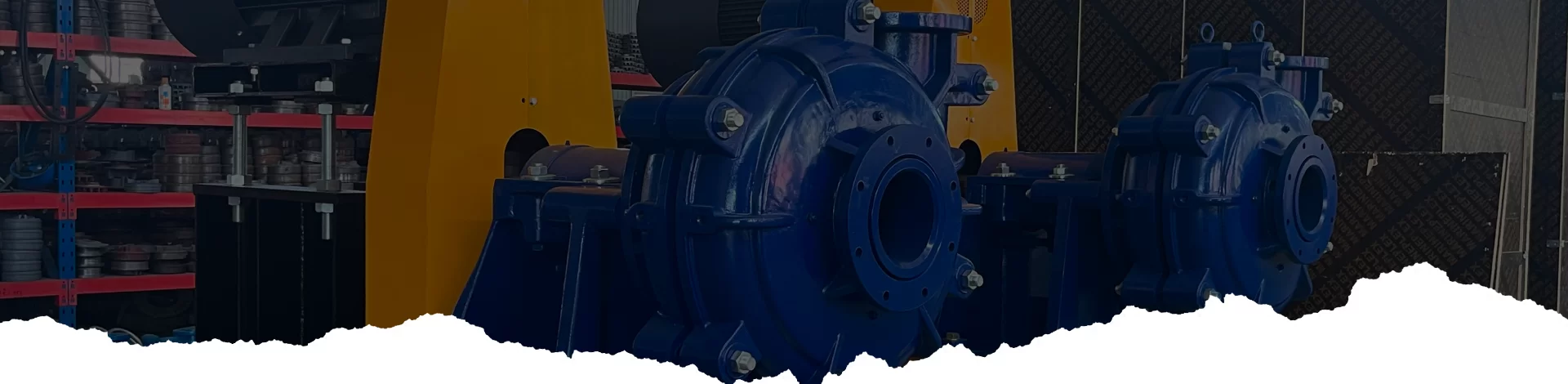
The relationship between part quality and equipment lifespan is exponential. Low-grade components often exhibit inconsistent wear patterns, which create localized turbulence and accelerate the degradation of surrounding parts. By utilizing components manufactured to the highest standards, operators can guarantee longer service life and higher performance, as seen in the heavy-duty slurry pump solutions provided by CNSME, which emphasize strict manufacturing processes to maximize durability.
Customization for Severe Duty Applications
Not all slurry applications are equal. Some require specific modifications to impeller geometry or reinforced bases to handle higher heads and more aggressive solids. A capable provider should be able to offer tailored solutions based on the specific application, whether it is for metallurgy, power plants, or sewage treatment, ensuring that the component is optimized for the actual operational environment rather than a generic specification.
Supply Chain Reliability and Lead Times
In B2B mining operations, the cost of downtime often far exceeds the cost of the part itself. Evaluating a supplier's logistics capability—including their footprint in key markets and their ability to maintain a strategic stock of critical components—is essential. Reliable providers leverage integrated R&D and manufacturing to shorten lead times while maintaining strict quality assurance, ensuring that the facility returns to full capacity quickly.
Technical Support and Selection Guidance
A vendor should act as a technical partner. This includes providing guidance on the correct selection of materials based on slurry chemistry and particle size distribution. Professional support teams analyze the application and maintenance history to recommend optimal replacement intervals and part configurations, helping the customer avoid the common mistake of over-specifying or under-specifying materials.
Total Cost of Ownership Analysis
Procurement should focus on the Total Cost of Ownership (TCO) rather than the initial purchase price. High-quality components reduce the frequency of replacements and the associated labor costs. When analyzing TCO, operators must consider the cost of energy (efficiency losses due to wear), the cost of unplanned downtime, and the lifespan of the primary pump structure, which is protected by well-engineered support components.
FAQ
What are the most critical wear parts in a slurry pump system?
The most critical wear parts typically include the impeller, the liner (volute liner), and the throat bushing. These components are in direct contact with the abrasive slurry and bear the brunt of the erosive forces. Additionally, structural components like the pump base are vital for maintaining the alignment and stability of the entire system, especially in high-vibration environments.
How do I choose between high-chrome alloy and rubber liners?
The choice depends on the particle size and the nature of the slurry. High-chrome alloys are best for large, sharp, and highly abrasive particles common in hard-rock mining. Rubber liners are generally more effective for finer particles and higher flow velocities where the material can "bounce off" the elastic surface, reducing the actual wear rate compared to a rigid surface.
Why is the material of the pump base important for performance?
The pump base serves as the foundation for the entire unit. Using high-quality cast iron (grey or ductile) ensures that the base can absorb vibrations and maintain precise alignment between the pump and the motor. Poor quality bases can warp or crack under stress, leading to shaft misalignment, which accelerates the wear of seals and bearings, significantly reducing the pump's overall life.
What should I check when evaluating a new component supplier?
Buyers should verify the supplier's quality assurance system, their experience in specific industries (e.g., mining or chemical), and their ability to provide material certificates. It is also important to ask about their customization capabilities and their track record in supporting international markets, ensuring they can provide consistent quality and technical support regardless of location.
Can non-OEM spare parts maintain the same efficiency as original parts?
Yes, provided the supplier adheres to the original design specifications and uses equivalent or superior metallurgy. Professional manufacturers like CNSME focus on high-standard production and R&D to ensure that their replacement parts guarantee performance and easier maintenance, often matching or exceeding the life expectancy of original components through optimized casting and machining.
What is the typical sign that a pump base needs replacement?
Signs include visible cracking in the casting, excessive vibration during operation, or persistent misalignment issues that cannot be corrected by shimming. If the pump is experiencing frequent bearing failures despite regular lubrication, it may indicate that the base is no longer providing sufficient structural support or has shifted due to fatigue.
References and further reading
- Industrial Slurry Handling Standards and Material Specifications for Abrasive Environments.
- Principles of Centrifugal Pump Maintenance and Component Lifecycle Management.
- Comparative Analysis of High-Chrome vs. Ductile Iron in Heavy Duty Mining Equipment.
Related Articles


