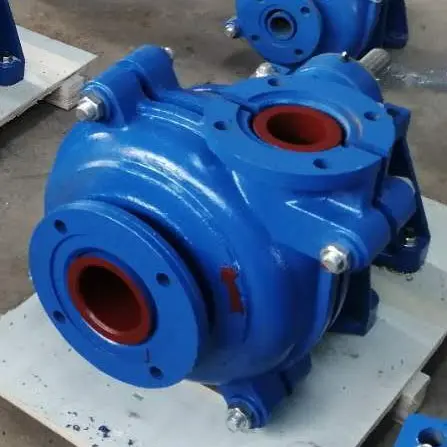
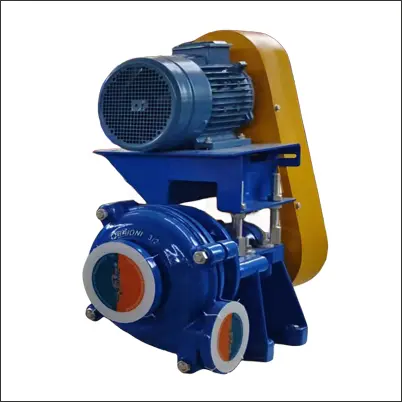
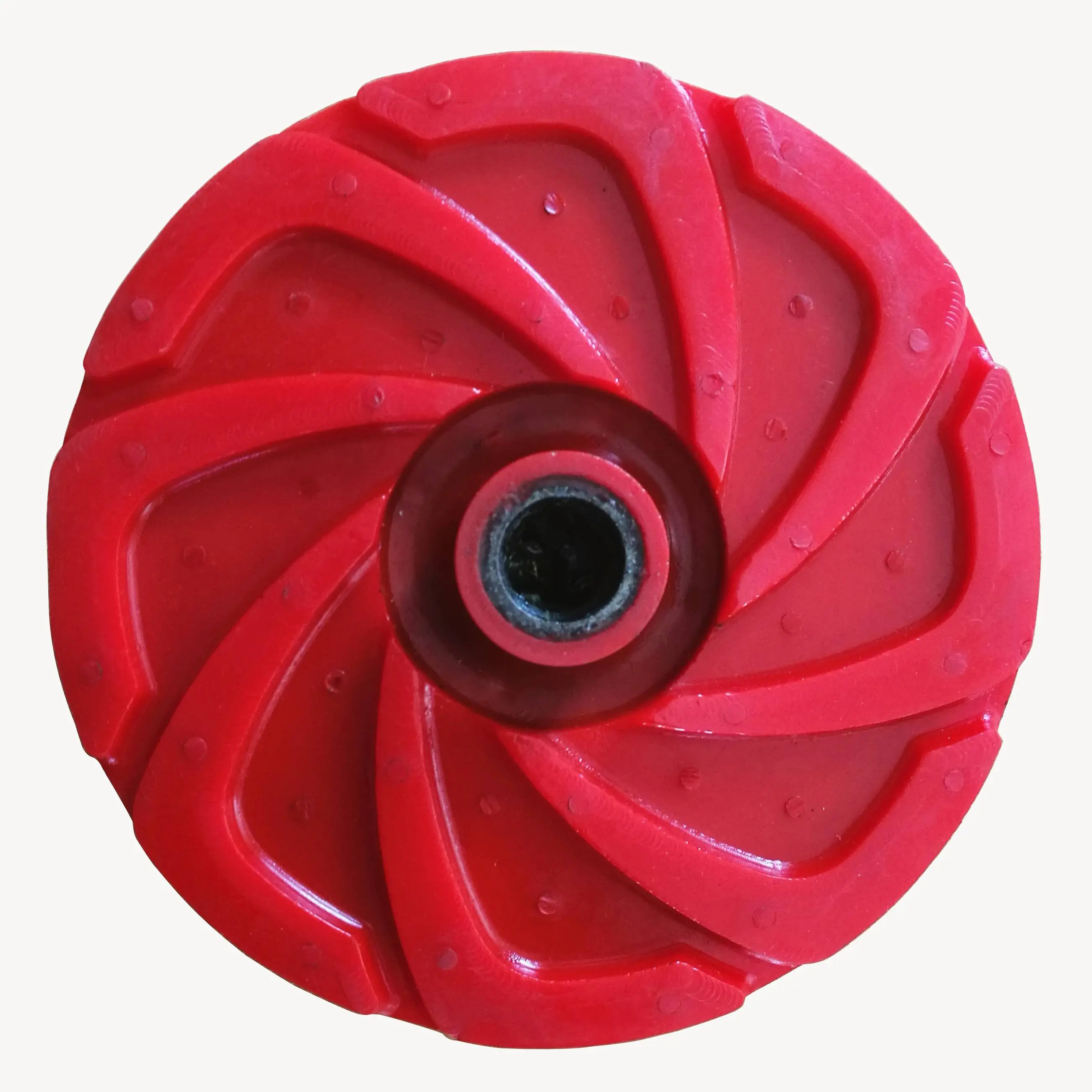
Advanced Warman slurry pump Solutions for Equatorial Guinea

Advanced Warman slurry pump Solutions for Equatorial Guinea

Optimizing mineral processing and industrial dredging in Equatorial Guinea with high-performance pumping technology and precision wear components.

Advanced Warman slurry pump Solutions for Equatorial Guinea

Providing comprehensive fluid handling systems designed to withstand the abrasive nature of equatorial mineral slurries, ensuring maximum uptime and operational efficiency.

Industrial Pumping Landscape in Equatorial Guinea

Navigating the challenges of high humidity and abrasive material handling in Central Africa.

In Equatorial Guinea, the industrial sector—particularly in mining and infrastructure development—faces severe challenges due to the tropical rainforest climate. High humidity and saline coastal air accelerate the corrosion of pump housings, while the abrasive nature of local ores demands the frequent use of premium Warman wear parts to prevent catastrophic system failure.

Currently, many sites in the region struggle with unplanned downtime caused by inadequate sealing. The integration of high-quality Warman gland packing has become essential for operators looking to reduce leakage and maintain the integrity of the pump shaft in harsh equatorial environments.

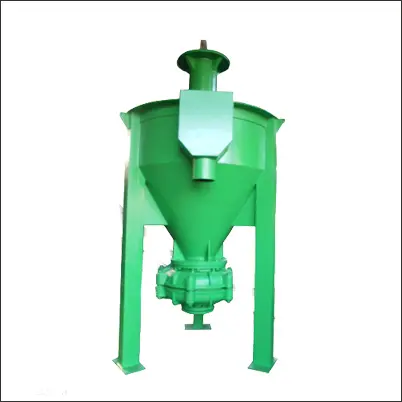
Furthermore, there is a growing demand for specialized equipment like the Warman froth pump, as the region explores more complex mineral extraction processes that require the handling of air-entrained slurries without loss of prime.
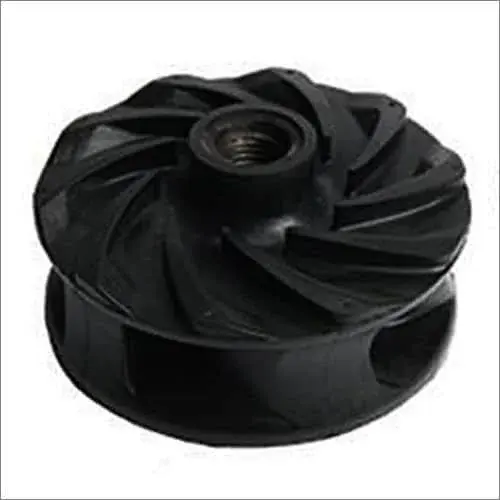
Evolution of Slurry Technology in Central Africa

From basic centrifugal designs to precision-engineered slurry management.

Market Development History

During the initial industrial expansion in the late 20th century, Equatorial Guinea relied on generic centrifugal pumps that suffered from rapid wear and frequent failures when exposed to high-density slurries. This led to excessive maintenance costs and low throughput.

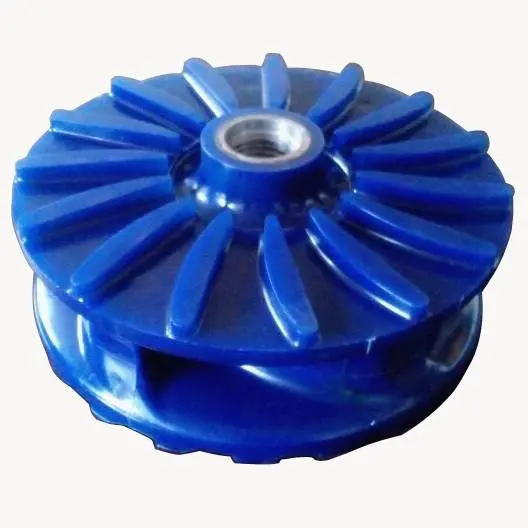
Between 2005 and 2015, the market shifted toward heavy-duty slurry designs. The adoption of chrome-alloy liners and optimized impeller geometries marked a transition toward "planned longevity," reducing the replacement cycle of critical components.

From 2016 to the present, the focus has shifted toward operational intelligence. Operators are no longer just buying hardware but are implementing slurry pump efficiency improvement tips such as VFD integration and precision alignment to maximize energy efficiency.

Future Development Trends

Digital Wear Monitoring

The integration of IoT sensors into wear parts to predict the exact moment of failure, reducing unnecessary shutdowns in remote Equatorial Guinea sites.

Advanced Material Science

A transition toward ceramic-composite liners that offer 3x the lifespan of traditional high-chrome alloys in highly acidic slurry conditions.

Energy-Optimized Hydraulics

Redesigning pump volutes to reduce turbulence, directly aligning with global trends to lower the carbon footprint of the mining industry.

Industry Trends and Future Outlook

Strategic directions for the pump and vacuum equipment sector in the region.

Automated Precision Sealing
Moving from manual packing to automated sealing systems to eliminate leaks in high-pressure slurry applications.
Modular Component Swap
Standardizing wear parts to allow rapid replacement without dismantling the entire pump assembly.
Green Energy Integration
Combining slurry pumps with solar-powered drive systems for remote mining sites in the interior.
Adaptive Flow Control
Implementing AI-driven flow controllers that adjust based on slurry density in real-time.

Industry Outlook

The future of pump manufacturing in Equatorial Guinea will be defined by the transition from "replacement-based" maintenance to "predictive-based" management. By leveraging high-grade materials and digital monitoring, operators will significantly reduce the Total Cost of Ownership (TCO).

As the region diversifies its economy beyond oil, the demand for robust water management and tailing disposal systems will grow, positioning high-efficiency slurry pumps as critical infrastructure components for sustainable development.

Localized Applications in Equatorial Guinea

Practical implementations of Warman-style pumping technology across various regional sectors.

01. Bauxite and Mineral Tailings Management

Utilizing heavy-duty slurry pumps to move abrasive tailings from processing plants to storage facilities, ensuring minimal pipeline wear.

02. Coastal Dredging and Land Reclamation

Applying high-volume pumps for sand and silt removal in port expansions, utilizing specialized wear parts to handle saltwater salinity.

03. Gold Mining Slurry Transport

Implementation of precision Warman wear parts in the transport of ore slurries to maximize recovery rates in processing plants.

04. Industrial Wastewater Treatment

Employing froth pump technology to handle air-entrained waste liquids and sludge in urban industrial zones.

05. Hydro-power Silt Removal

Using slurry pumps to clear sediment from reservoir intakes to maintain turbine efficiency during the rainy season.

Brand Story

Global Development History of Shijiazhuang Huaqiang Stone Pump Mining Equipment Co., Ltd.

Foundation and Core Focus

Established as a specialist in abrasive fluid handling, we began by solving the most critical failure points in mineral slurry transport.

Technical Breakthroughs

Developed proprietary alloy casting techniques that significantly extended the lifespan of pump impellers and liners.

Global Expansion

Expanded our reach to Africa, adapting our designs to meet the extreme climatic conditions of regions like Equatorial Guinea.

Quality Certification

Achieved international standards in manufacturing, ensuring every spare part meets rigorous precision tolerances.

Sustainable Future

Now focusing on energy-efficient pumping systems to help the global mining industry reduce its environmental impact.

Full Product Portfolio for Equatorial Guinea

A complete range of slurry handling equipment and precision spare parts tailored for the Central African market.

Equatorial Guinea Pumping FAQ

Expert answers to common technical queries in the region.

How to choose the right Warman wear parts for high-salinity environments?

For coastal areas in Equatorial Guinea, we recommend high-chrome alloys with added corrosion inhibitors or duplex stainless steel options to prevent pitting and salt-induced erosion.

What are the best slurry pump efficiency improvement tips for remote sites?

Key tips include maintaining a consistent slurry density, using VFDs to avoid operating far from the Best Efficiency Point (BEP), and ensuring precise pump alignment.

How often should Warman gland packing be replaced in tropical climates?

Due to high humidity and potential particulate ingress, we recommend a quarterly inspection and replacement based on leakage rates to prevent shaft scoring.

Can a Warman froth pump handle highly aerated minerals?

Yes, the froth pump is specifically designed to handle slurries with high air content, preventing cavitation and maintaining prime in flotation circuits.

What is the lead time for shipping slurry pump parts to Malabo?

Depending on the order volume, we utilize optimized logistics routes to ensure rapid delivery of critical wear components to the port of Malabo.

How do I verify the authenticity of Warman-style slurry pump spares?

Authenticity can be verified through material certification reports (Mill Test Reports) and precision dimensional checks against OEM specifications.

Get Expert Pumping Advice

Our engineers are ready to help you optimize your fluid handling systems in Equatorial Guinea.

Contact Us Now

If you are interested in our products, you can choose to leave your information here, and we will be in touch with you shortly.