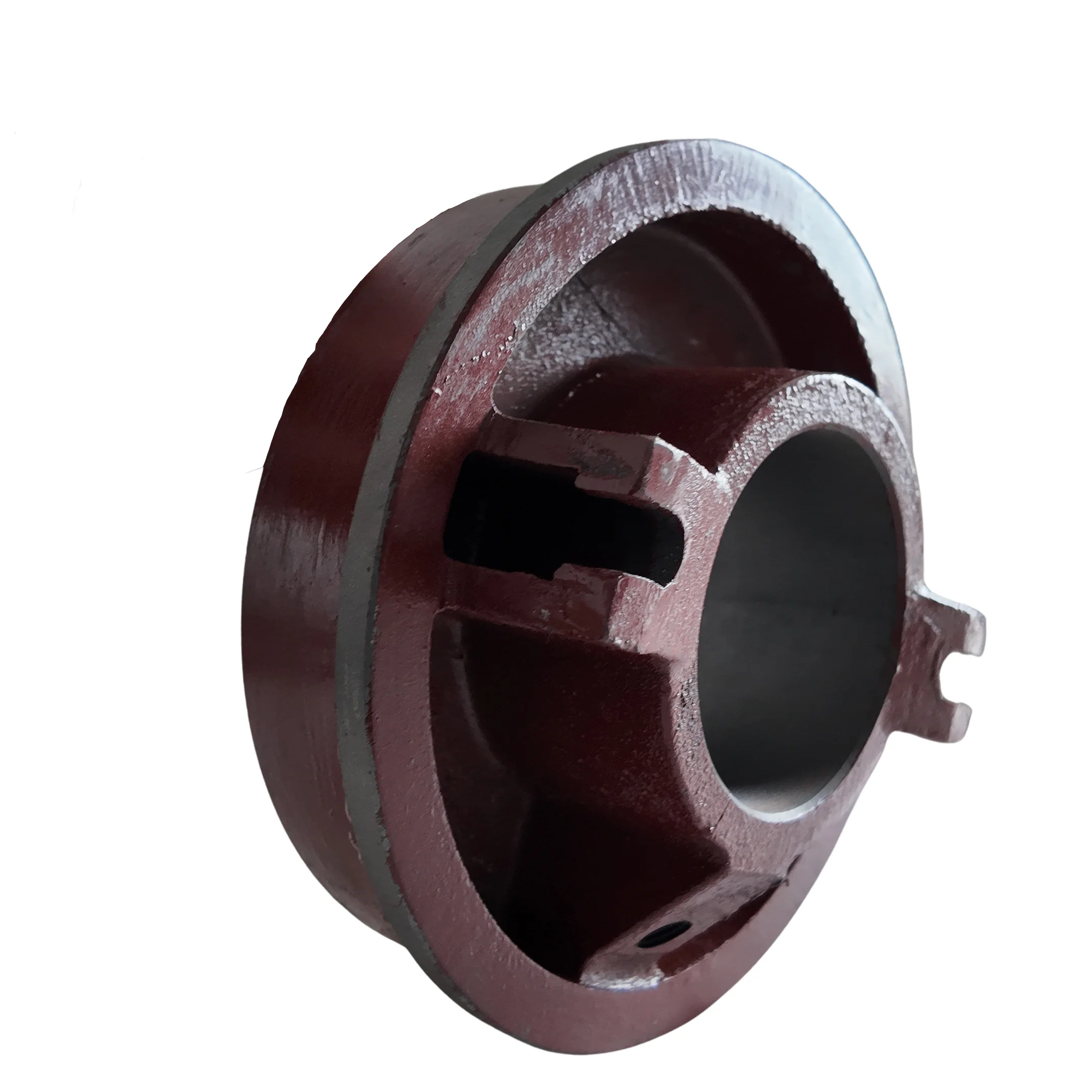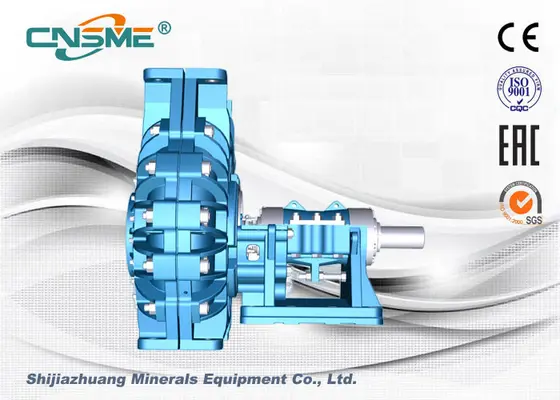
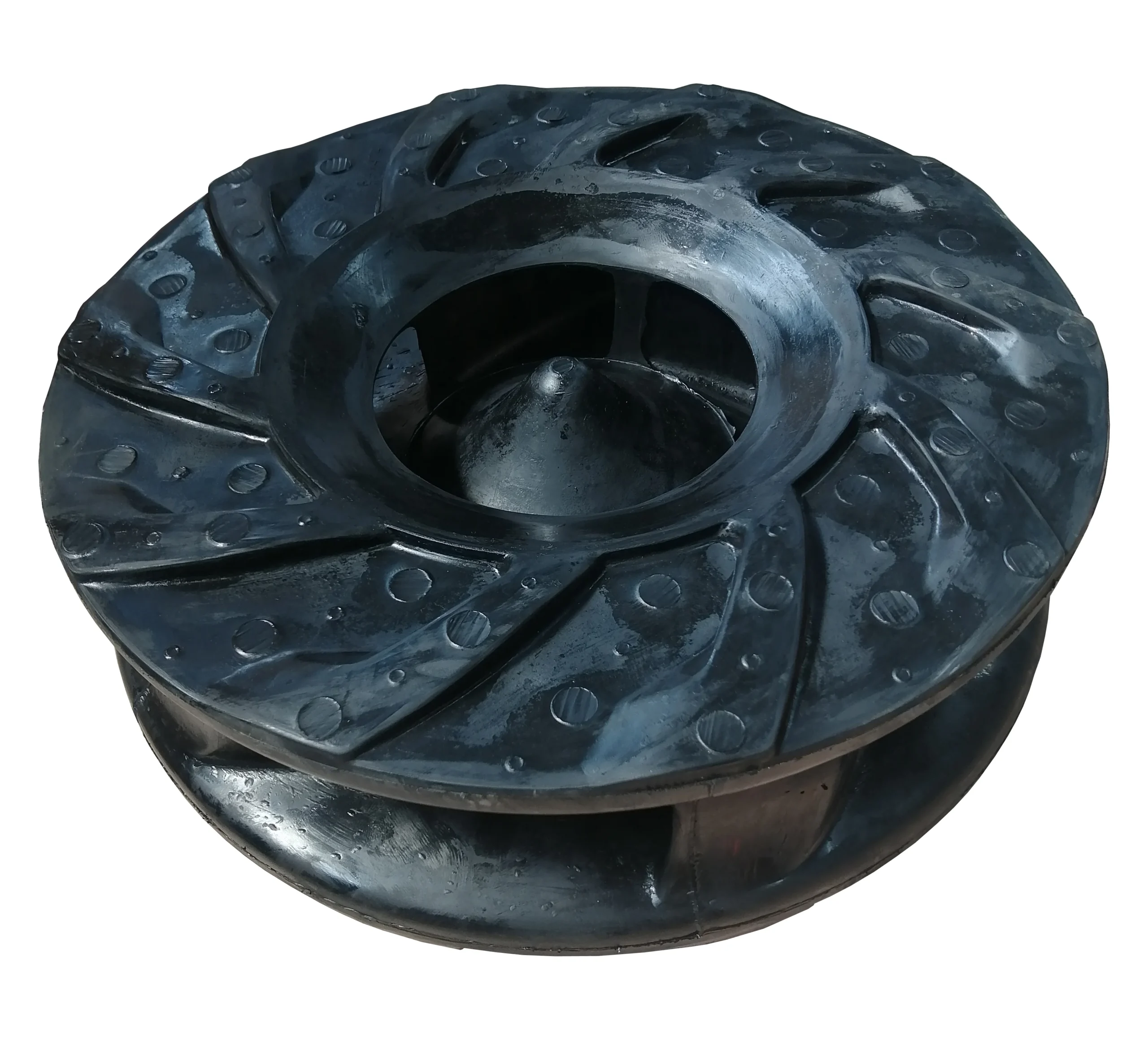
In Libya, the slurry pump industry is heavily influenced by the country's oil, gas, and emerging mining sectors. The extreme arid climate and presence of highly abrasive sands mean that equipment like the Warman slurry pump must withstand intense external heat and internal wear. Many operators face frequent unplanned shutdowns due to the rapid degradation of sealing components.
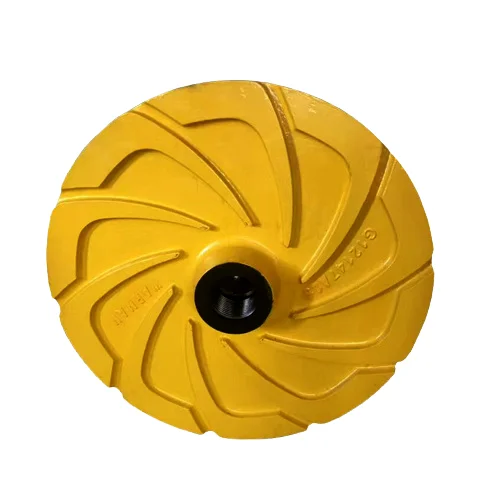
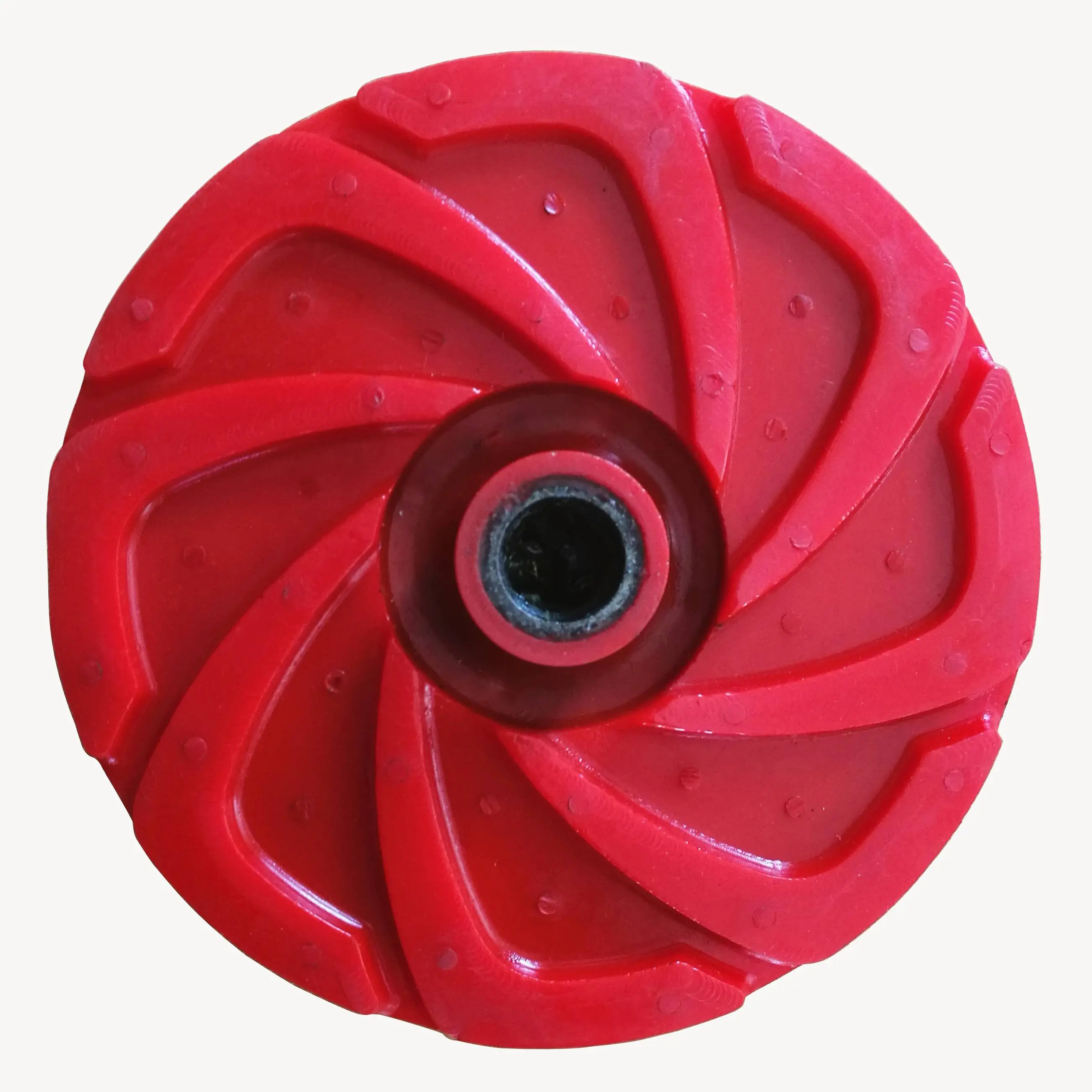
The prevalence of saline groundwater in coastal regions and abrasive particulates in the interior necessitates the use of premium Warman wear parts. Currently, there is a significant shift toward reducing the Total Cost of Ownership (TCO) by replacing standard components with high-chrome alloys that better resist the specific grit profiles found in Libyan soil.
Furthermore, maintenance teams in Libya are increasingly seeking slurry pump efficiency improvement tips to combat rising energy costs. The focus has moved from simple "break-fix" mentalities to predictive maintenance, ensuring that critical seals and liners are replaced before catastrophic failure occurs.