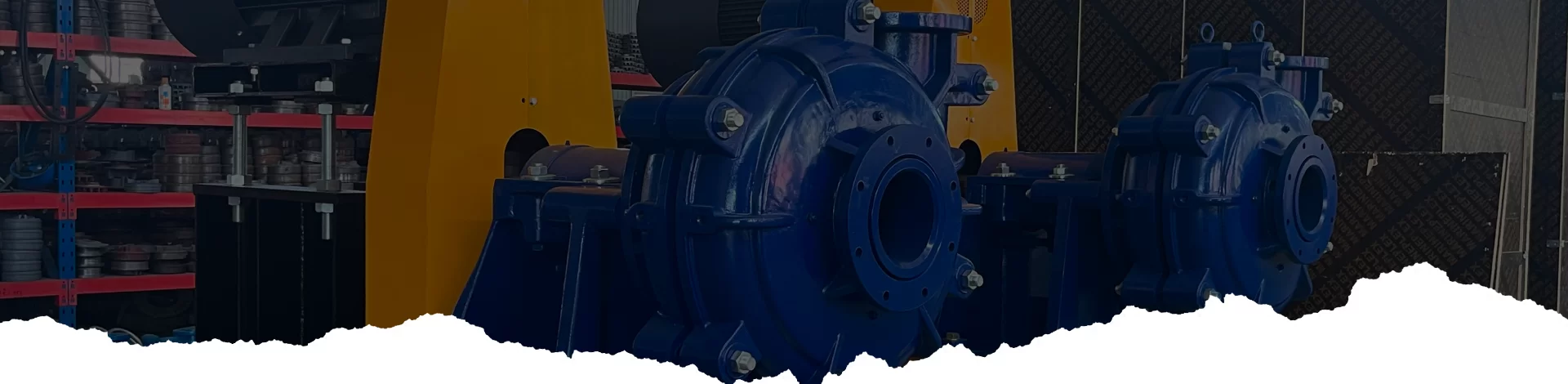
Managing the discharge of mill circuit underflow requires equipment capable of handling extreme abrasion and continuous operational stress. For mining and mineral processing operations, the efficiency of the entire grinding circuit often depends on the reliability of the pumps transporting thick, abrasive slurries. The MUR series represents a specialized engineering approach to this challenge, focusing on the critical wet-end components that bear the brunt of material erosion.
A central element in maintaining the integrity of these systems is the frame plate liner insert. Positioned strategically behind the impeller, this component works in tandem with the throatbush and volute liner to shield the pump casing from premature wear. By utilizing high-chrome alloys or premium elastomers, these inserts ensure that the hydraulic flow remains stable while significantly extending the intervals between maintenance shutdowns, which is vital for maximizing plant productivity.

The MUR series is specifically engineered for the heavy-duty transport of underflow from grinding mills. In such environments, the slurry is often dense and contains large, angular particles that can quickly erode standard pump internals. The frame plate liner insert serves as a primary defensive barrier, protecting the pump's structural frame from the high-velocity abrasive stream emerging from the impeller.
This protection is not merely about durability; it is about maintaining hydraulic efficiency. When a liner wears down, it creates turbulence and energy loss within the pump casing. By ensuring a precise fit and high wear resistance, the frame plate liner insert keeps the flow path optimized, allowing the low-speed, high-efficiency impeller of the MUR pump to operate at its peak performance curve without compromising the casing's structural integrity.
Strategic Positioning: Sits directly behind the impeller to intercept abrasive particles.
Integrated Protection: Works as part of a complete system including the volute liner and throatbush.
Hydraulic Stability: Prevents casing erosion to maintain steady flow characteristics.

The effectiveness of a liner insert is defined by its material composition. Depending on the chemical nature of the slurry and the size of the particles, operators can choose between two primary material paths. High chrome white iron is the industry standard for severe abrasion, offering a hard, crystalline structure that resists the scouring action of mineral ores. This material is ideal for high-density underflow where particle impact is frequent and intense.
Alternatively, premium wear-resistant elastomers are deployed in scenarios where the slurry has a higher proportion of smaller, sharp particles or where impact damping is required. These synthetic materials absorb the energy of the slurry, effectively "bouncing" particles away from the surface rather than allowing them to gouge the metal. This flexibility often results in longer service lives in specific chemical or tailings environments.
CNSME leverages decades of manufacturing expertise to ensure that these materials are cast and cured to rigorous standards. This precision prevents premature cracking or peeling, ensuring that the liner provides a consistent seal and protection throughout its operational cycle, regardless of the severity of the duty.
Unplanned downtime in a mill circuit can lead to catastrophic bottlenecks in production. The design of the MUR frame plate liner insert focuses heavily on "maintainability." Unlike integrated casings that require extensive machining or welding for repair, these inserts are designed for quick replacement. This modular approach allows maintenance teams to swap out worn liners during scheduled stops without needing to dismantle the entire pump assembly.
Furthermore, the interchangeable nature of these components reduces the complexity of spare parts inventory. Because they are designed to meet standard MUR specifications, operators can maintain a lean stock of liners that fit multiple pump units within the same circuit. This interchangeability ensures that the transition from a worn part to a new one is seamless, reducing the risk of installation errors that could lead to leakage or vibration.
By minimizing the frequency of wet-end overhauls, mining operations can shift their focus from reactive repair to proactive optimization. The result is a more stable production rate and a lower total cost of ownership for the pumping system.
| Material Option | Wear Mechanism | Typical Slurry Type | Recommended Use Case |
|---|---|---|---|
| High Chrome Alloy | Abrasive Scouring | Dense Mineral Ore | High-head, Severe Duty |
| Premium Elastomer | Impact/Erosion | Fine tailings/Chemical | Medium-duty, High impact |
| Custom Alloy | Corrosive-Abrasive | Acidic Mine Slurry | Specialized Chemical Processing |
| Standard Chrome | General Wear | Light Abrasive Medium | Power Plant Ash Transport |
| Hybrid Composite | Mixed Wear | Variable Particle Size | Dredging and Metallurgy |
When evaluating replacement parts for a durable slurry pump, the focus must extend beyond the initial purchase price to the expected service life per installation. A lower-cost liner that fails 30% faster increases the total cost due to labor and lost production. Engineers should analyze the particle size distribution (PSD) of the underflow; larger particles typically necessitate the hardness of high chrome alloys, while smaller, high-velocity particles may be better handled by elastomers.
It is also critical to verify the compatibility of the liner with the existing impeller and throatbush. A mismatch in tolerances can create "wash-out" areas where slurry bypasses the liner and attacks the pump frame directly. Utilizing precision-engineered inserts ensures a tight seal, maintaining the hydraulic integrity of the MUR pump's large diameter, low-speed design.
The industry is moving toward "intelligent" wear monitoring and advanced material science. We are seeing a shift toward composite materials that combine the hardness of ceramics with the toughness of metals. Such innovations aim to further extend the life of components like the frame plate liner insert, potentially doubling the time between replacements in the most severe mining applications.
Additionally, the integration of 3D scanning for wear analysis allows operators to predict exactly when a liner will fail. By combining this data with high-performance replacements from experienced manufacturers like CNSME, plants can move toward a zero-unplanned-downtime model. The goal is a fully optimized flow path that adapts to the changing characteristics of the ore body over the life of the mine.
The frame plate liner insert acts as a wear shield located behind the impeller. It prevents abrasive slurry from eroding the pump's main frame, ensuring the structural integrity of the pump and maintaining stable hydraulic performance.
High chrome alloy is recommended for severe abrasion and large, hard particles found in mineral processing. Elastomers are better suited for smaller particles, high-impact scenarios, or environments where chemical corrosion is a factor.
These inserts are specifically precision-engineered for the MUR series. While they follow standard designs for interchangeability within that series, they are not universal and must match the specific MUR model dimensions.
A worn liner creates turbulence and internal leakage, which reduces the overall hydraulic efficiency. A new, precision-fitted insert maintains a smooth flow path, allowing the impeller to move slurry with minimal energy loss.
Common signs include a drop in pump discharge pressure, increased vibration levels, or evidence of casing wear during routine inspections of the wet-end components.
Yes, CNSME offers a complete system of design and selection, allowing for material adjustments based on the specific abrasive and corrosive properties of the customer's application.
Ensuring the longevity of your mill circuit requires a strategic approach to wear part management. By selecting precision-engineered components and the correct material grade, you can significantly reduce operational costs and maximize the uptime of your processing plant.

bscribe newslette


