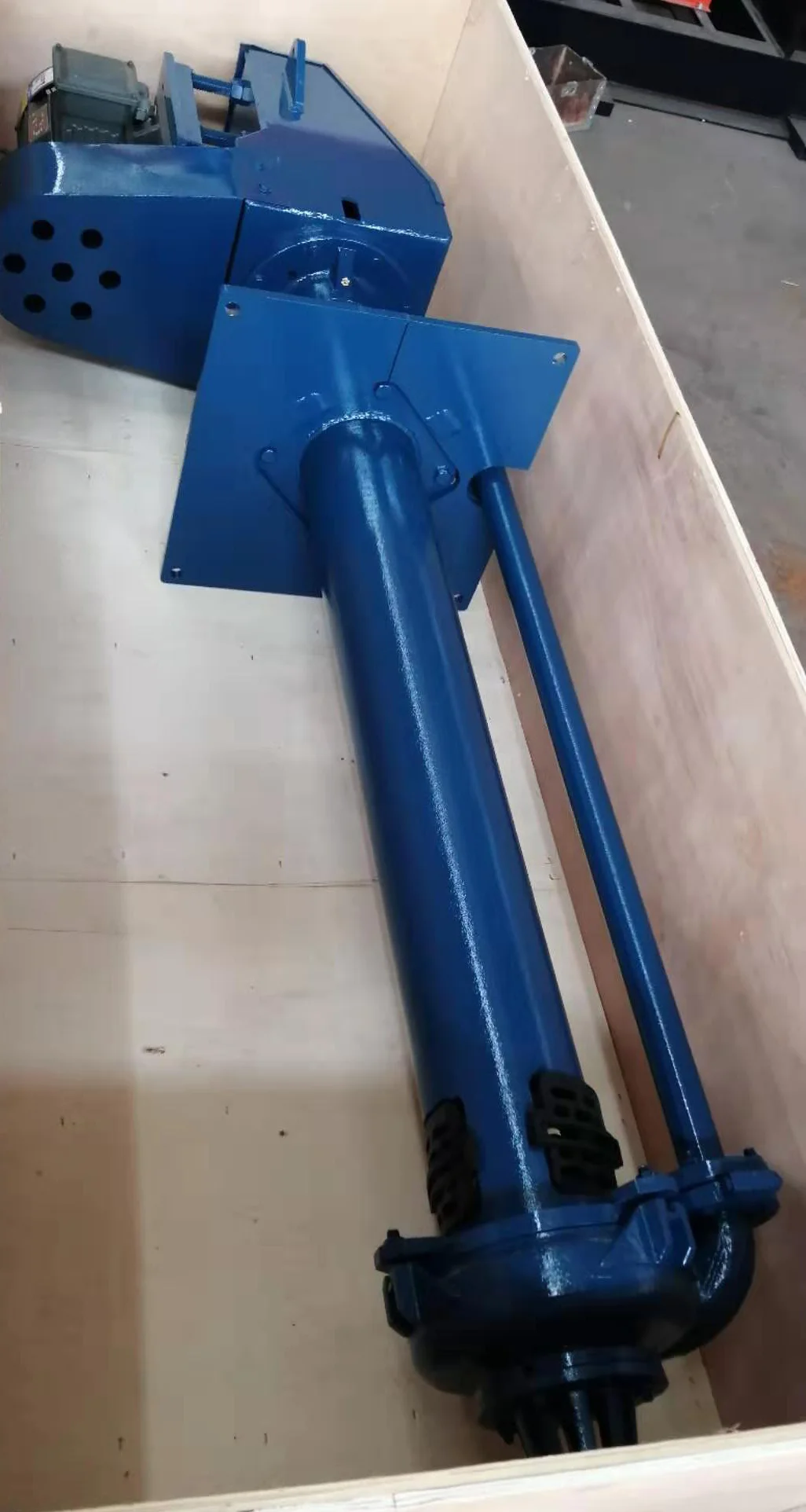
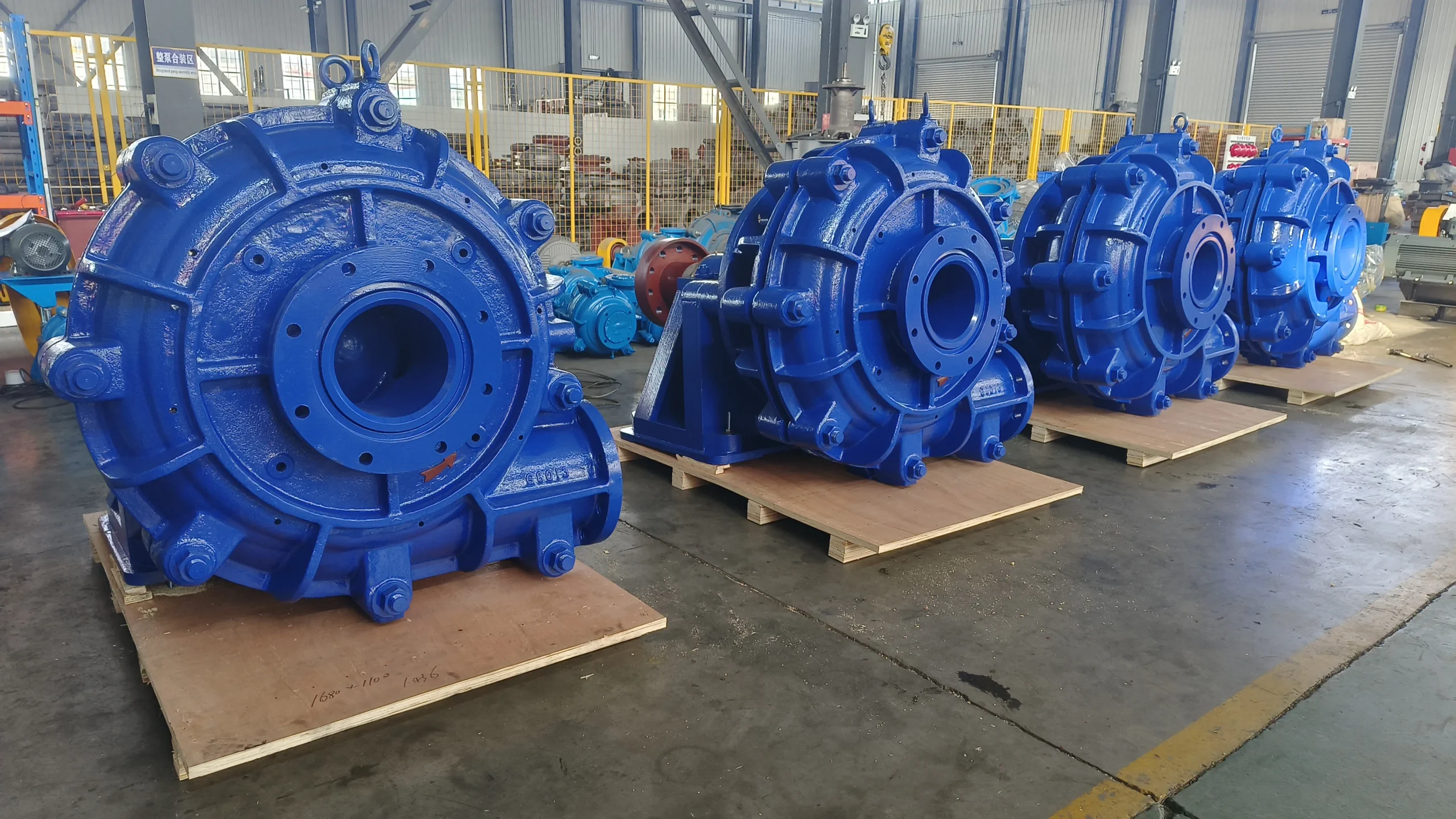
In the demanding world of mineral processing and chemical manufacturing, the movement of air-entrained liquids presents a unique engineering challenge. A froth slurry pump is specifically designed to handle these volatile mixtures, ensuring that the valuable froth layer—often containing concentrated minerals—is transported efficiently without collapsing or losing its structural integrity.
The global demand for high-efficiency mineral recovery has pushed the evolution of pumping technology toward specialized designs that can withstand extreme abrasion while managing gas-liquid interfaces. Without a dedicated froth slurry pump, industrial operations often face severe cavitation, inconsistent flow rates, and premature equipment failure, leading to significant downtime and lost revenue.
Understanding the nuances of froth transport is essential for optimizing the flotation process in mining and metallurgy. By implementing the right pumping solutions, operators can maximize the recovery rate of precious metals and industrial minerals, ensuring that the bridge between the flotation cell and the downstream thickener remains stable and productive.
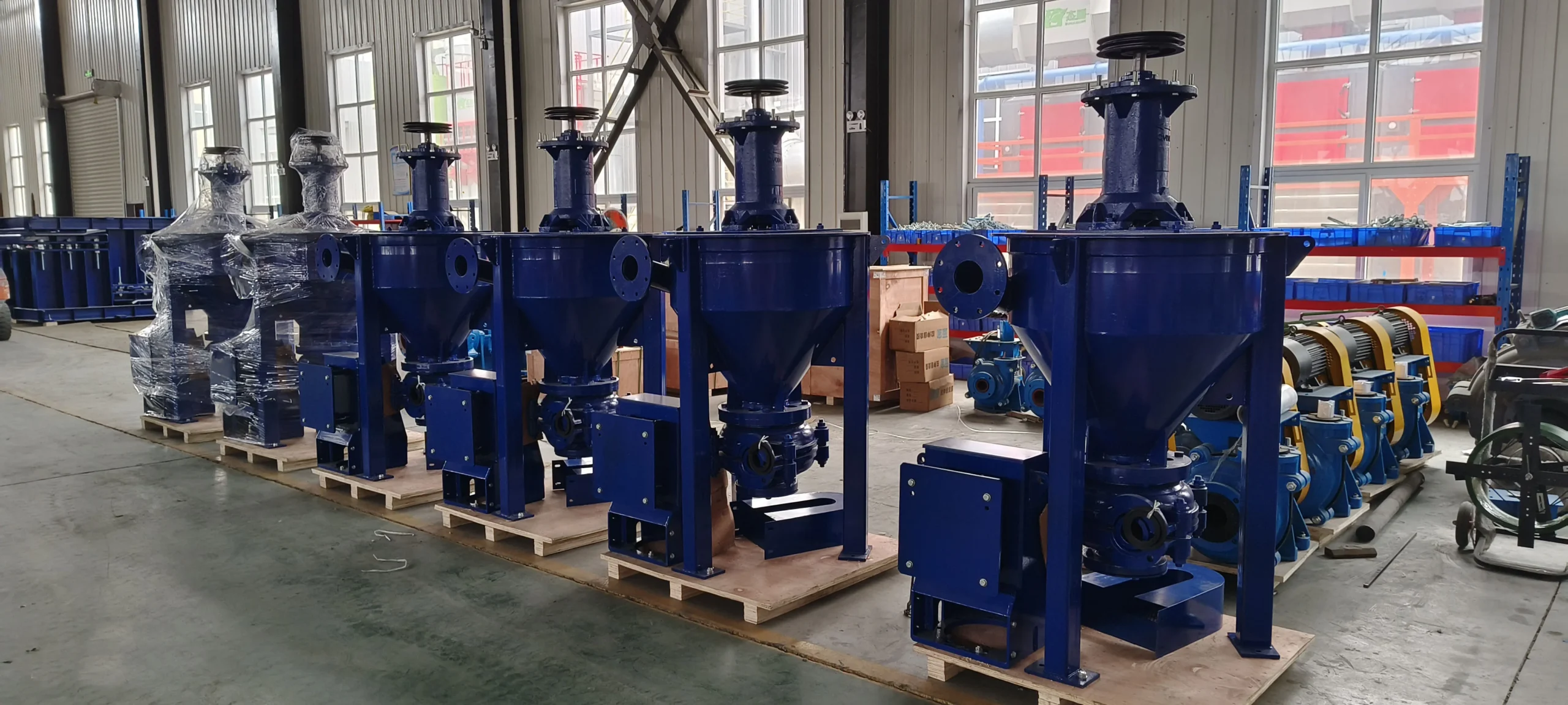
The Industrial Significance of Froth Slurry Pumps
The role of a froth slurry pump extends far beyond simple fluid transport; it is a critical component in the froth flotation circuit. In global mining hubs from Western Australia to the Andes, the ability to pump "froth"—a mixture of air bubbles, water, and mineral particles—determines the overall efficiency of the mineral separation process. If the pump cannot handle the gas fraction, the result is often air-binding, which causes the pump to lose prime and stop the production line.
Modern industrial standards, aligned with ISO quality benchmarks, necessitate pumps that can operate under fluctuating solids concentrations. By utilizing a specialized froth slurry pump, companies reduce the risk of unplanned outages and ensure a steady feed to the concentrate thickening stage, which is vital for maintaining the chemical balance of the entire processing plant.
Core Engineering Principles of Froth Handling
At its heart, a froth slurry pump must solve the paradox of moving a compressible gas mixed with an abrasive liquid. Standard centrifugal pumps often fail here because the air bubbles accumulate at the eye of the impeller, creating a vacuum that prevents further liquid intake. To counter this, froth pumps are engineered with specific impeller geometries and lower rotational speeds to minimize shear forces that would otherwise collapse the bubbles.
Another key engineering focus is the management of "air-binding." This occurs when the gas fraction exceeds the pump's capacity to purge air through the discharge. Advanced froth slurry pump designs often incorporate semi-open impellers or specialized suction configurations that allow air to be transported more fluidly, maintaining a constant head pressure despite the varying density of the incoming froth.
Furthermore, the integration of Variable Frequency Drives (VFDs) allows operators to adjust the pump speed in real-time. This is crucial because the quality of the froth coming from flotation cells can change based on the ore grade and reagent dosage. An adaptable froth slurry pump can scale its performance to match these shifts, preventing the accumulation of solids in the pipeline.
Material Selection for Maximum Abrasion Resistance
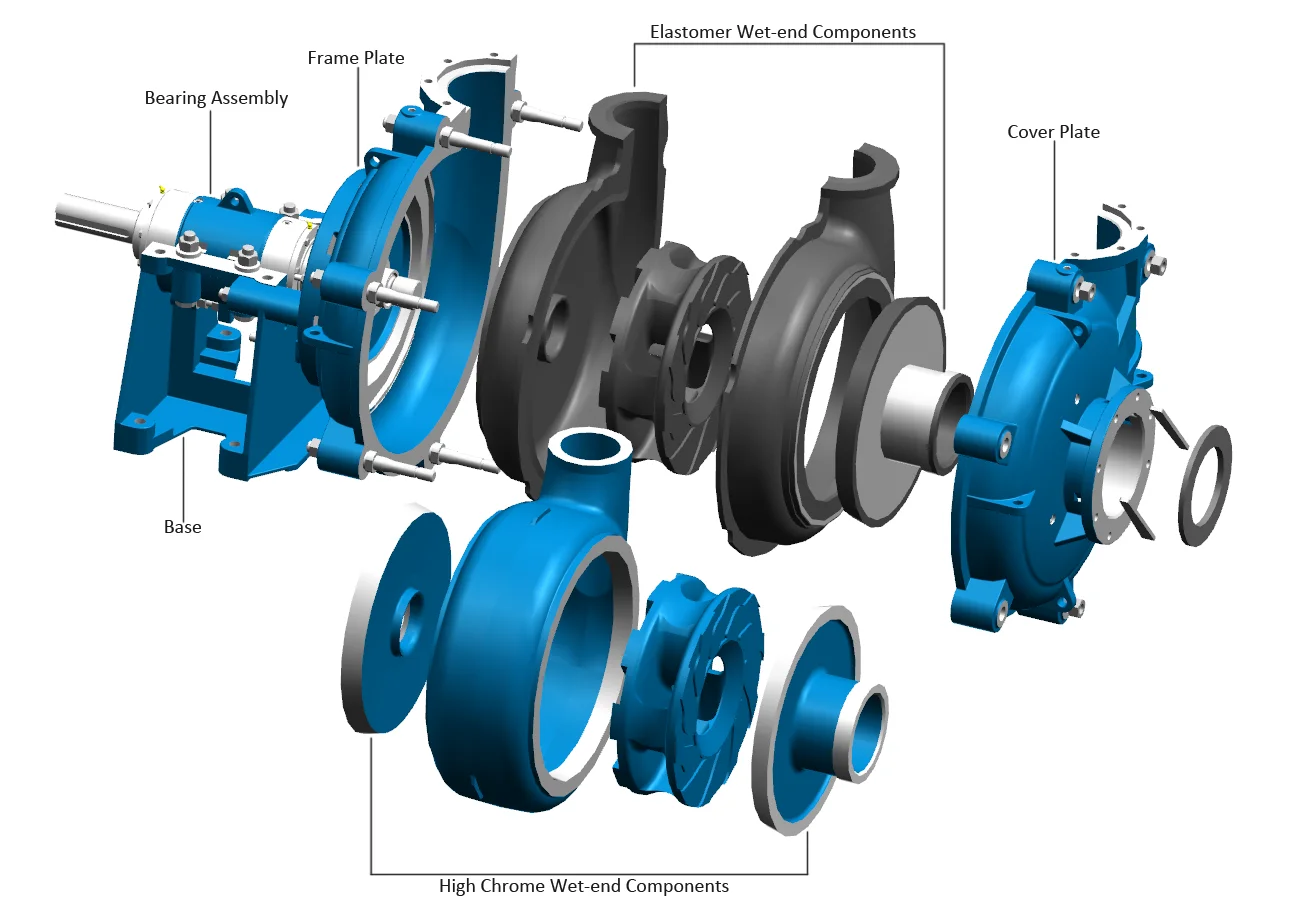
The internal components of a froth slurry pump are subjected to an aggressive environment where abrasive particles constantly strike the casing and impeller. To combat this, high-chrome alloys (such as 27% Cr) are frequently used for high-impact applications, providing a hard, wear-resistant surface that significantly extends the Mean Time Between Failures (MTBF).
Depending on the chemical nature of the slurry, a froth slurry pump may also utilize natural rubber linings or polyurethane. Rubber is particularly effective in handling softer, more abrasive particles, as it "absorbs" the impact of the solids rather than resisting them with hardness, thereby preventing the pitting and erosion common in metallic pumps.
For the most extreme conditions, such as those found in gold or copper concentrate pumping, hard metal or stainless steel options are integrated into the froth slurry pump construction. This strategic selection of materials ensures that the pump remains operational for months rather than weeks, drastically reducing the cost of replacement parts and labor.
Performance Metrics and Efficiency Benchmarks
Evaluating the success of a froth slurry pump requires looking beyond simple flow rates. The most critical metric is the "Gas Handling Capacity," which measures the maximum percentage of air a pump can transport without losing prime. A pump that can handle 30-50% air by volume is considered superior for froth applications compared to a standard slurry pump.
Additionally, energy efficiency per ton of moved material is a key KPI. Because froth is lighter than full slurry, an optimized froth slurry pump can reduce power consumption by optimizing the impeller's hydraulic profile, ensuring that energy is used for transport rather than unnecessary turbulence.
Comparative Efficiency of Froth Slurry Pump Configurations
Global Applications in Mining and Metallurgy
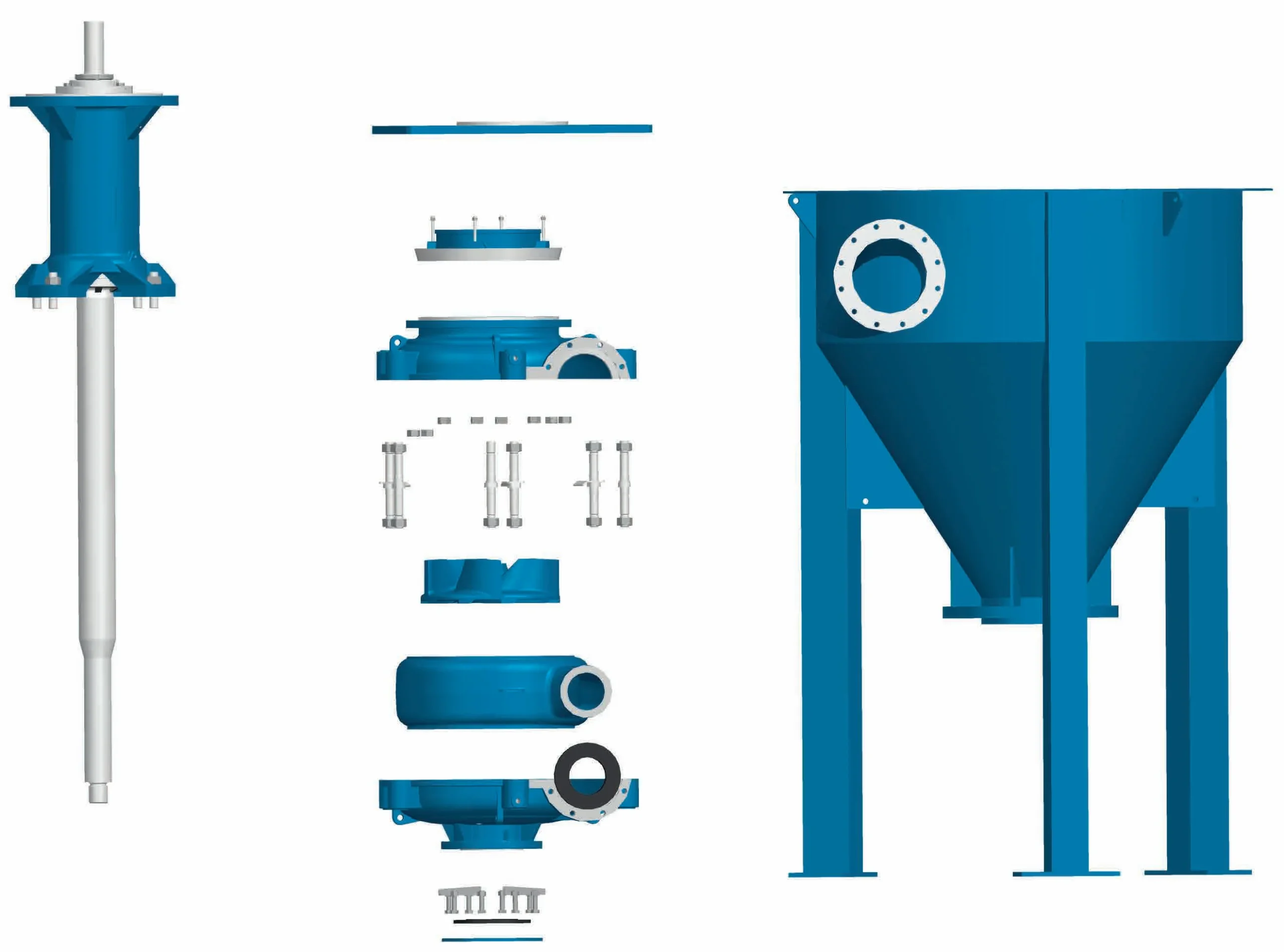
The implementation of the froth slurry pump is most visible in large-scale copper and gold mines across Chile and Peru. In these regions, where ore grades are declining, maximizing the efficiency of the flotation circuit is the only way to remain profitable. By using vertical froth pumps, these mines can lift froth from deep flotation cells to surface thickeners with minimal agitation.
Beyond mining, these pumps are utilized in wastewater treatment plants for removing skimmed fats and oils, and in chemical plants where gas-liquid emulsions are processed. The versatility of the froth slurry pump makes it indispensable in any industrial setting where a stable, air-rich slurry must be moved without risking mechanical failure or process interruption.
Long-term Operational Value and Reliability
Investing in a high-quality froth slurry pump provides a tangible return on investment through the reduction of "total cost of ownership." While a cheaper pump might have a lower initial price, the cost of frequent liner replacements and the lost production during downtime quickly outweigh the savings. A reliable pump ensures a consistent flow, which stabilizes the downstream processes.
From a safety perspective, a dependable froth slurry pump reduces the need for manual interventions and emergency repairs. In hazardous mining environments, reducing the frequency of pump maintenance directly translates to a lower risk of workplace accidents, fostering a safer and more predictable operational environment.
Moreover, the reliability of these systems builds trust within the operational team. When engineers can rely on their froth slurry pump to perform under pressure, they can focus on optimizing the chemical reagents and flotation parameters rather than constantly managing mechanical crises, leading to an overall increase in plant productivity.
Future Innovations in Froth Pumping Technology
The future of the froth slurry pump is being shaped by the digital transformation of the mining industry. "Smart Pumps" equipped with IoT sensors can now monitor vibration, temperature, and flow rates in real-time. This allows for predictive maintenance, where the system alerts operators to a wearing impeller before it fails, shifting the paradigm from reactive to proactive maintenance.
Material science is also evolving, with the introduction of ceramic-composite linings that offer even greater hardness than high-chrome alloys. These new materials allow the froth slurry pump to handle increasingly abrasive slurries with almost zero wear, potentially doubling the lifespan of the pump's internal wet end.
Sustainability is the final frontier, with a push toward energy-efficient motors and redesigned hydraulic paths that reduce the carbon footprint of mineral processing. The next generation of froth slurry pump units will likely integrate these green technologies, ensuring that mineral recovery remains viable and environmentally responsible in an era of strict emissions regulations.
Technical Comparison of Froth Slurry Pump Material Options
| Material Type | Abrasion Resistance | Corrosion Resistance | Typical Application |
|---|
| High Chrome Alloy | 9/10 | 6/10 | Hard Rock Gold Mining |
| Natural Rubber | 7/10 | 9/10 | Acidic Slurry Froth |
| Polyurethane | 8/10 | 8/10 | Fine Particle Concentrates |
| Stainless Steel | 5/10 | 10/10 | Chemical Processing |
| Ceramic Lining | 10/10 | 7/10 | Extreme Abrasion Zones |
| Hard Metal | 9/10 | 7/10 | Heavy Duty Slurry |
FAQS
The primary difference lies in the ability to handle gas. A standard slurry pump is designed for liquids and solids; if it encounters high air content, it often suffers from air-binding and loses prime. A froth slurry pump features a specialized impeller design and hydraulic profile that allows it to transport air-entrained mixtures (froth) without losing suction or causing cavitation.
Choose high-chrome alloys if your froth contains large, sharp, and highly abrasive particles that would tear through rubber. Opt for rubber lining if the slurry is chemically aggressive (acidic/alkaline) or consists of fine, abrasive particles that the rubber can absorb through elastic deformation, extending the life of the pump.
Yes, but it requires a specific configuration. While many froth pumps are designed for low-head transport from cells, high-pressure versions (like the SBH or ZJ series) can be integrated. However, increasing pressure can sometimes collapse the froth bubbles, so a balance between pressure and flow velocity must be carefully engineered.
Air-binding occurs when air bubbles accumulate at the impeller eye, blocking the liquid flow. This is prevented by using a froth slurry pump with a semi-open impeller and ensuring the pump is positioned to maintain a positive suction head. Using VFDs to adjust speed also helps maintain a flow that pushes air through the system.
Inspection frequency depends on the ore hardness, but typically every 3 to 6 months is recommended. Monitoring the pump's discharge pressure and flow rate can provide early warning signs of wear. A drop in efficiency usually indicates that the liner or impeller has worn down, increasing the internal clearances.
Absolutely. Modern froth slurry pumps are designed to be integrated with SCADA and PLC systems. By linking the pump's VFD to the froth level sensors in the flotation cell, the pump can automatically speed up or slow down to maintain a constant froth level, optimizing the recovery process.
Conclusion
In summary, the froth slurry pump is an indispensable tool for modern mineral processing, bridging the gap between chemical separation and final product recovery. By balancing the challenges of air-entrainment and extreme abrasion through advanced material science and specialized hydraulic engineering, these pumps ensure that industrial operations remain stable, efficient, and profitable.
Looking forward, the integration of IoT-driven predictive maintenance and sustainable energy practices will further enhance the value of froth pumping systems. For operators seeking to optimize their flotation circuits, investing in a high-performance froth slurry pump is not just a mechanical upgrade, but a strategic move toward operational excellence. Visit our website for more professional solutions: www.qualityslurrypump.com