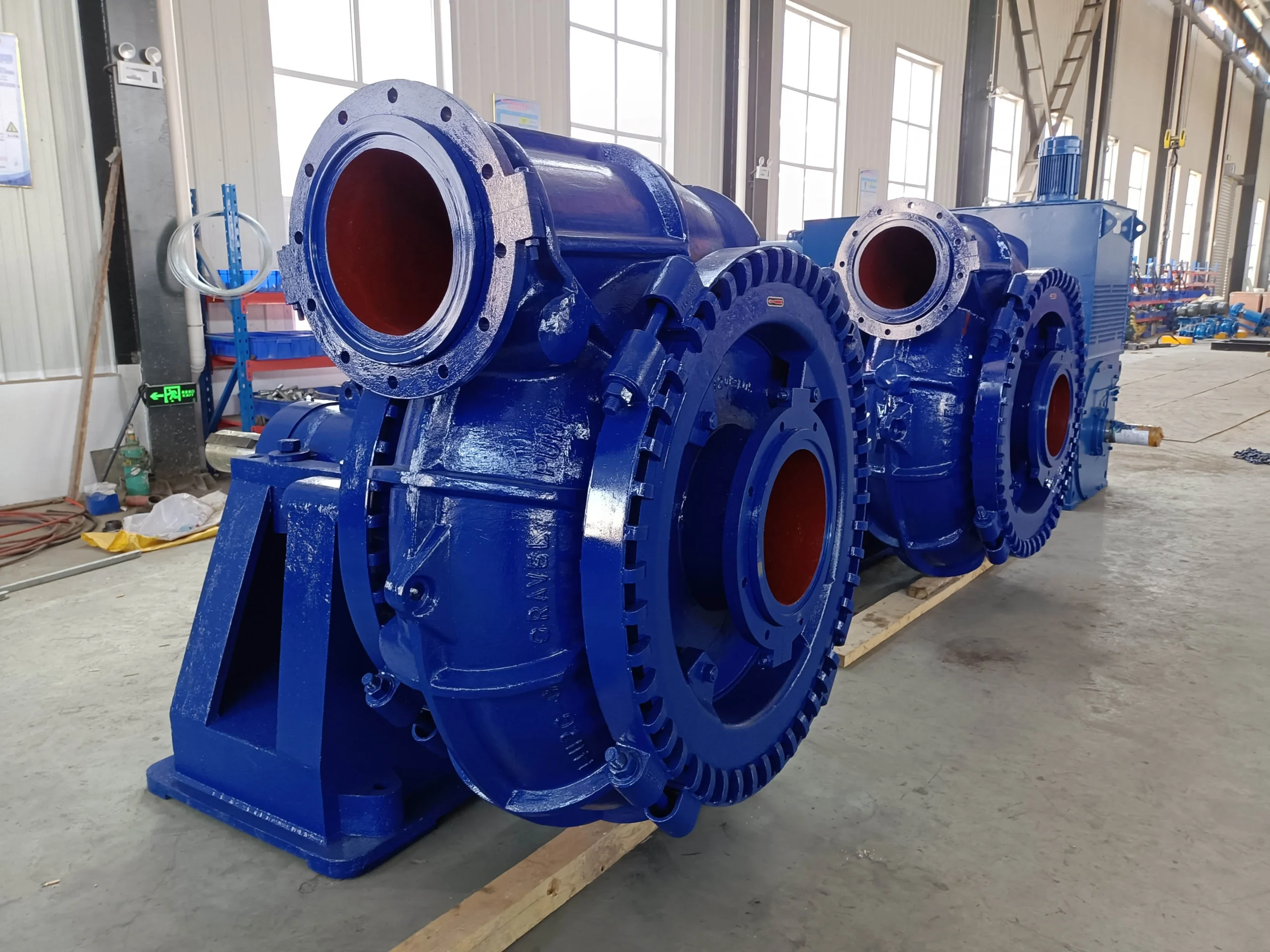
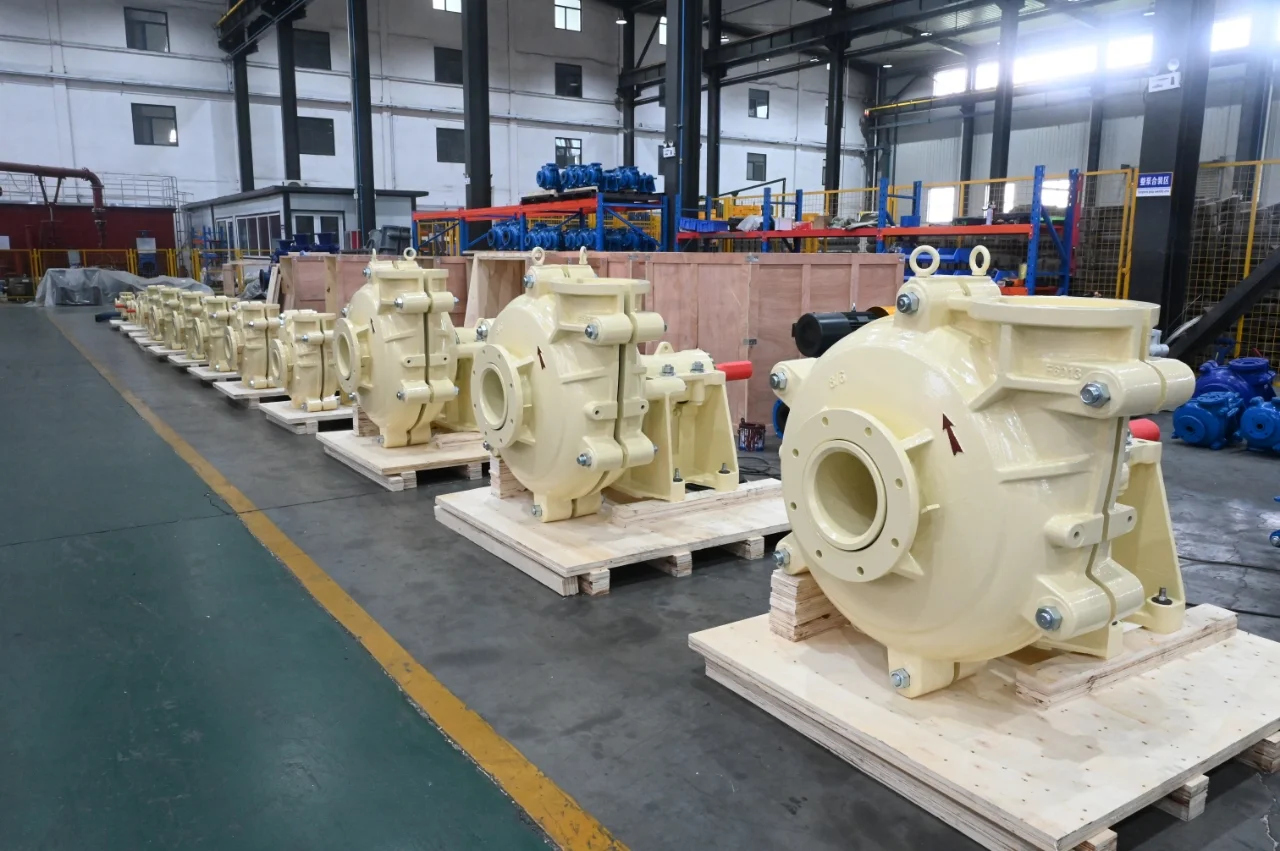
The slurry pump impeller price is a critical factor in the overall cost and efficiency of slurry pumping systems. Understanding the variables that influence this price – from material composition and design complexity to manufacturing processes and supplier networks – is paramount for industries ranging from mining and wastewater treatment to oil and gas. Accurate cost assessment allows for informed investment decisions, optimized maintenance schedules, and ultimately, improved operational profitability.
Globally, the demand for robust and reliable slurry pumping solutions is steadily increasing, driven by expanding infrastructure projects, stricter environmental regulations, and the need for efficient resource extraction. This rising demand naturally impacts the slurry pump impeller price, with factors like raw material availability, geopolitical events, and technological advancements playing significant roles. Staying informed about these dynamics is crucial for procurement professionals and engineers alike.
Ultimately, evaluating the slurry pump impeller price isn’t simply about finding the lowest bid; it’s about identifying the optimal balance between cost, performance, durability, and long-term value. A well-chosen impeller can significantly reduce downtime, improve energy efficiency, and extend the lifespan of the entire pump system, translating into substantial cost savings over its operational life.
The Importance of Understanding Slurry Pump Impeller Price
The slurry pump impeller price represents a significant portion of the overall pump cost, often exceeding 30-40%. Ignoring or underestimating this component can lead to suboptimal system performance, frequent maintenance, and ultimately, increased total cost of ownership. Understanding the intricacies of impeller pricing empowers informed purchasing decisions and ensures long-term operational efficiency.
Beyond the initial purchase price, factors like impeller material, design, and manufacturing quality directly influence its lifespan and resistance to abrasive wear. Choosing a higher-quality impeller, even at a slightly higher upfront cost, can significantly extend pump life and reduce the frequency of costly replacements, making it a financially sound investment. slurry pump impeller price considerations are therefore crucial.
Global Context and Industry Impact
The global slurry pump market, and consequently the slurry pump impeller price, is heavily influenced by the growth of key industries like mining, oil & gas, and wastewater treatment. Emerging economies, particularly in Asia and South America, are experiencing rapid industrialization, driving significant demand for slurry pumping solutions. This increased demand impacts supply chains and can influence impeller pricing.
According to a recent report by the World Bank, investments in water and sanitation infrastructure are projected to reach trillions of dollars over the next decade. A large portion of this investment will involve slurry pumping systems for wastewater management, driving demand and, potentially, impacting slurry pump impeller price. The rise of sustainable mining practices, emphasizing responsible water usage and waste management, further fuels the need for efficient and durable pumping technologies.
Fluctuations in raw material costs (such as iron, chrome, and specialized alloys used in impeller construction) and global shipping rates also play a crucial role. Geopolitical instability and trade tariffs can disrupt supply chains and lead to price volatility. Therefore, a comprehensive understanding of these global economic factors is essential when analyzing slurry pump impeller price.
Defining Slurry Pump Impeller Price
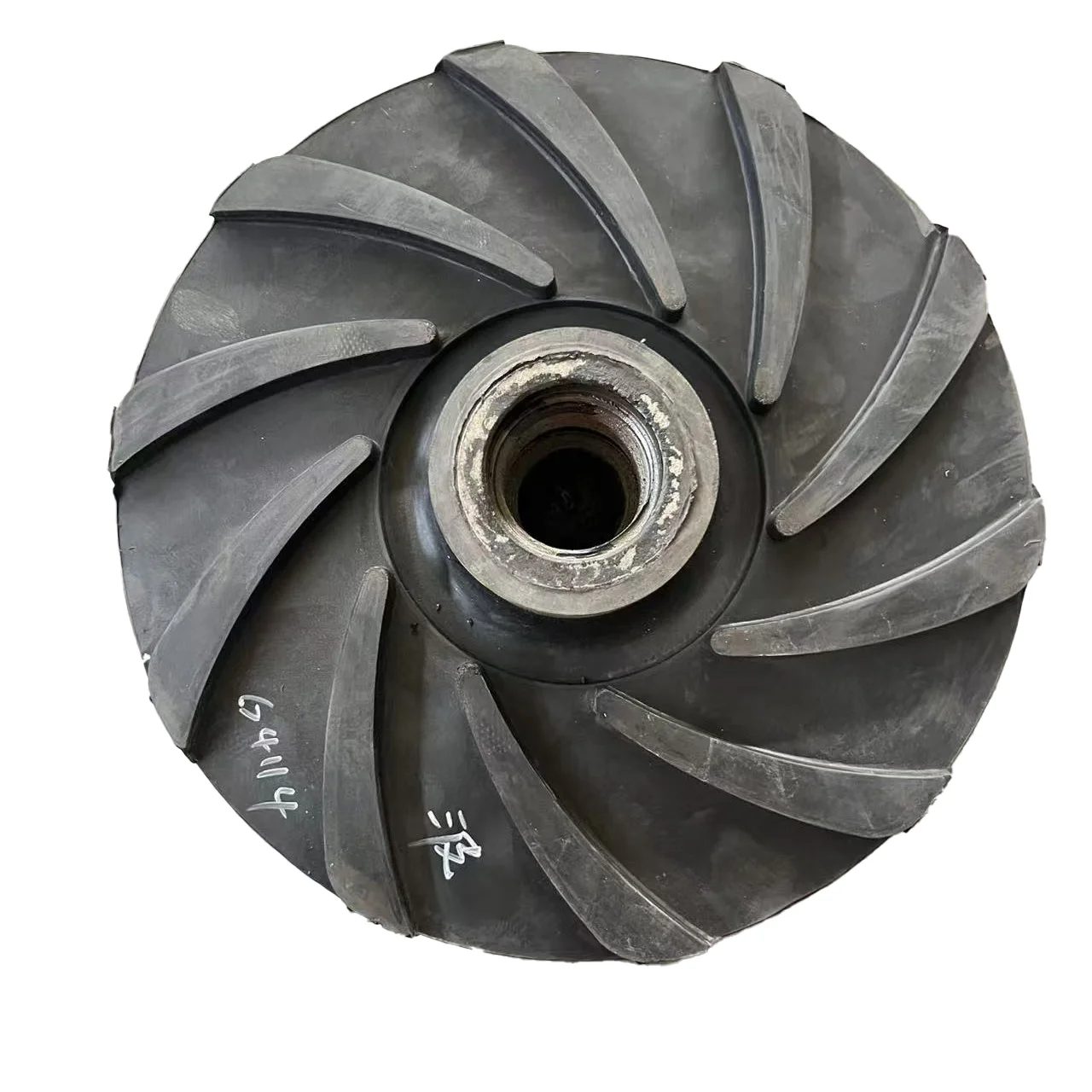
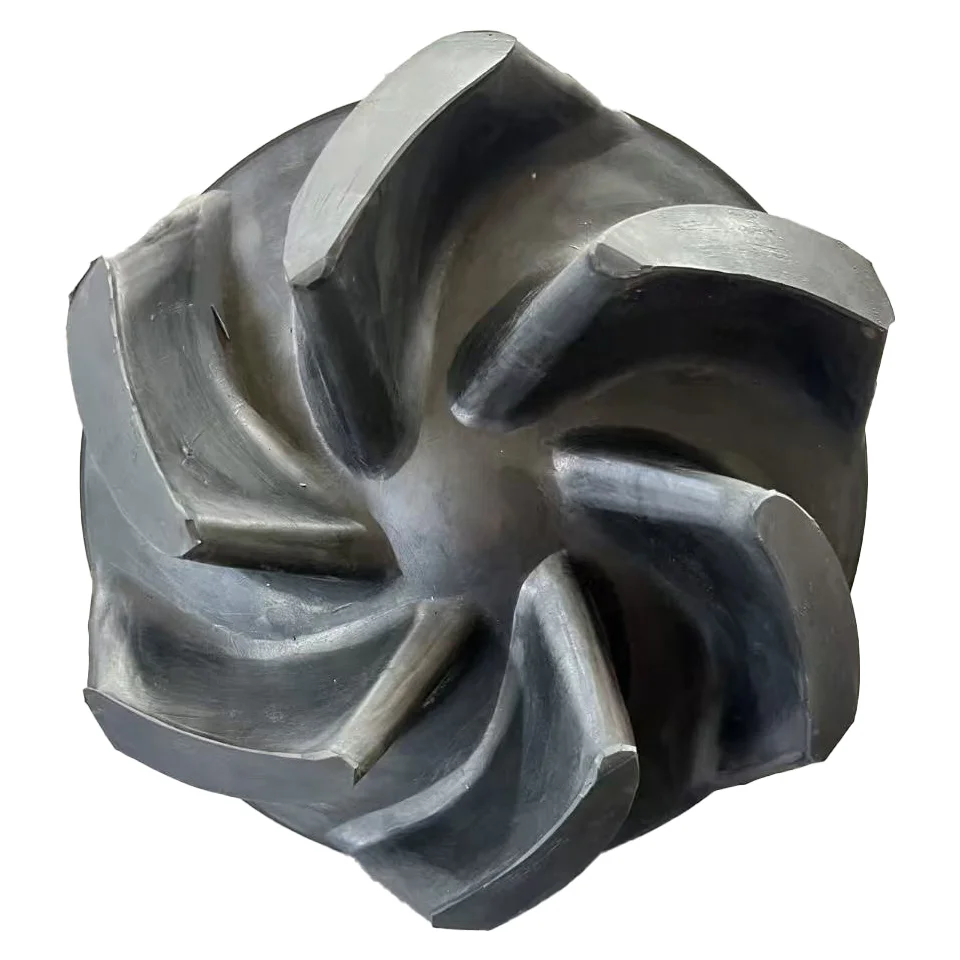
Slurry pump impeller price refers to the cost associated with the rotating component within a slurry pump responsible for imparting kinetic energy to the fluid being pumped. This price isn't a single number, but rather a variable determined by a multitude of factors including material selection, impeller design (open, closed, vortex), size, manufacturing process, and the supplier’s pricing structure.
The definition of slurry pump impeller price extends beyond simply the cost of the physical component. It should encompass associated expenses like engineering design fees (for custom impellers), quality control testing, and shipping costs. Additionally, considering the impeller’s expected lifespan and potential maintenance requirements provides a more complete picture of its overall economic value.
In modern industry and humanitarian contexts, the efficient and reliable transport of slurries – mixtures of liquids and solid particles – is critical. From processing mineral ores to managing wastewater and delivering aid in disaster relief, slurry pumps play a vital role. An appropriately priced and high-performing impeller is fundamental to the effectiveness of these operations.
Key Factors Influencing Slurry Pump Impeller Price
Several key factors significantly impact the slurry pump impeller price. Material Selection is paramount; high-chrome alloys offer excellent abrasion resistance but are more expensive than standard cast iron. Impeller Design (open, closed, semi-open) influences both performance and cost, with more complex designs typically commanding higher prices.
Size and Capacity directly correlate with price; larger impellers requiring more material and complex machining processes are naturally more expensive. Manufacturing Processes such as casting, forging, or 3D printing also affect the cost. Finally, Supplier Reputation and Geographic Location play a role, with established brands and manufacturers in regions with higher labor costs generally charging premium prices.
Slurry Pump Impeller Price Breakdown by Factor
Global Applications & Industries Served
Slurry pump impellers are integral components in a wide array of industries and applications worldwide. In the mining sector, they are essential for transporting mineral slurries from extraction sites to processing facilities. The oil and gas industry utilizes them for drilling mud circulation and waste removal.
Wastewater treatment plants rely heavily on slurry pumps and their impellers to handle sludge and other solid-laden waste streams. In the power generation industry, they are used for ash handling in coal-fired power plants. Furthermore, applications extend to the chemical processing, pulp and paper, and food & beverage industries, showcasing the versatile nature of this technology. In post-disaster relief operations, portable slurry pumps with robust impellers are critical for removing debris and providing clean water.
Advantages and Long-Term Value
Investing in a high-quality slurry pump impeller offers numerous advantages beyond the initial cost. Increased durability translates to reduced downtime and lower maintenance expenses. Improved hydraulic efficiency leads to lower energy consumption and operational cost savings. The right impeller material can significantly extend pump life, even in highly abrasive environments.
From a sustainability perspective, a durable impeller reduces the need for frequent replacements, minimizing waste and resource consumption. The reliability of the pump system also enhances safety and minimizes the risk of environmental incidents. Ultimately, a well-chosen slurry pump impeller provides a strong return on investment through reduced costs, improved efficiency, and increased reliability.
Future Trends and Innovations in Impeller Technology
The future of slurry pump impeller technology is focused on enhancing durability, improving efficiency, and reducing environmental impact. Advances in materials science are leading to the development of new alloys and coatings with superior abrasion resistance. 3D printing is emerging as a viable manufacturing method for creating complex impeller designs tailored to specific applications.
Digitalization is also playing a role, with sensors and data analytics being integrated into impellers to monitor performance, predict wear, and optimize maintenance schedules. Furthermore, research is ongoing to develop more energy-efficient impeller designs that minimize hydraulic losses. The incorporation of sustainable materials and manufacturing processes is also gaining traction, aligning with the growing emphasis on environmental responsibility.
Core Attributes for Assessing Slurry Pump Impeller Performance
| Impeller Material | Abrasion Resistance (1-10) | Expected Lifespan (Years) | Relative Slurry Pump Impeller Price |
|---|
| Cast Iron | 4 | 2-3 | Low |
| High-Chrome Alloy | 8 | 5-7 | Medium |
| Ceramic | 9 | 8-10 | High |
| Rubber-Lined | 6 | 4-6 | Medium |
| Polyurethane | 7 | 6-8 | Medium-High |
| Stainless Steel | 5 | 3-5 | Medium |
FAQS
Several key elements drive variations in slurry pump impeller price, including the impeller's material composition (high-chrome alloys are more expensive than cast iron), design complexity (more intricate designs require more machining), the size and capacity of the impeller, the manufacturing process employed, and the supplier’s pricing structure and geographic location. Fluctuations in raw material costs also play a critical role.
Impeller material directly influences lifespan and resistance to abrasion. While cheaper materials like cast iron have a lower upfront cost, they wear out faster, leading to more frequent replacements and increased downtime. Investing in more durable materials like high-chrome alloys or ceramics, despite a higher initial price, can reduce lifecycle costs through extended pump life and reduced maintenance.
3D printing, or additive manufacturing, has the potential to disrupt the slurry pump impeller price landscape. While currently more expensive for large-scale production, 3D printing allows for highly customized impeller designs optimized for specific applications. As the technology matures and production costs decrease, it could offer a cost-effective solution for specialized or low-volume impeller requirements.
Assessing total cost of ownership requires considering not only the initial purchase price but also factors like installation costs, energy consumption, maintenance requirements (including labor and parts), and the expected lifespan. A thorough cost-benefit analysis that accounts for these variables will provide a more accurate picture of the impeller’s true economic value.
Lead times for custom-designed slurry pump impellers can vary significantly depending on the complexity of the design, the availability of materials, and the manufacturer’s production schedule. Typically, lead times range from 4 to 12 weeks. It's crucial to factor in these lead times when planning maintenance or replacement projects to avoid costly delays.
Several emerging technologies promise to impact slurry pump impeller price. Advanced materials like ceramic matrix composites offer superior wear resistance, potentially extending impeller life and reducing replacement frequency. Improved simulation and modeling tools can optimize impeller designs, reducing material waste and manufacturing costs. And, as mentioned, the increasing affordability of 3D printing could revolutionize impeller production.
Conclusion
Understanding the slurry pump impeller price is far more than simply finding the cheapest option. It requires a holistic assessment of material selection, design complexities, manufacturing processes, and long-term operational costs. By carefully considering these factors, industries can optimize their pumping systems for maximum efficiency, reliability, and return on investment.
As technology continues to evolve, innovative materials and manufacturing techniques will undoubtedly reshape the impeller landscape, leading to more durable, efficient, and cost-effective solutions. Staying informed about these advancements is crucial for making informed decisions and ensuring the long-term success of slurry pumping operations. For more information and to explore our range of high-quality slurry pump impellers, visit our website: www.qualityslurrypump.com