Slurry pump frame plate liners are critical components in the reliable and efficient operation of slurry pumps, serving as a protective barrier against abrasive materials and corrosive fluids. These liners significantly extend the lifespan of the pump casing, reducing maintenance costs and downtime across diverse industries. Understanding the materials, design, and application of these liners is paramount for optimizing slurry handling systems. The global demand for efficient slurry handling, driven by mining, wastewater treatment, and chemical processing, necessitates continued innovation in slurry pump frame plate liner technology.
The importance of selecting the correct slurry pump frame plate liner cannot be overstated. Incorrect material choice can lead to rapid wear and failure, resulting in costly repairs and production losses. A well-chosen liner safeguards the pump investment, ensuring consistent performance and minimizing environmental impact. Furthermore, advancements in liner materials, such as high-chromium cast irons and specialized elastomers, are constantly improving resistance to erosion, corrosion, and impact, making slurry handling processes more sustainable and economical.
Consequently, a thorough understanding of the factors influencing liner performance, including slurry composition, flow velocity, and operating temperature, is vital for engineers and operators involved in slurry pumping applications. Investing in quality slurry pump frame plate liners translates directly to increased operational efficiency, reduced lifecycle costs, and enhanced safety.
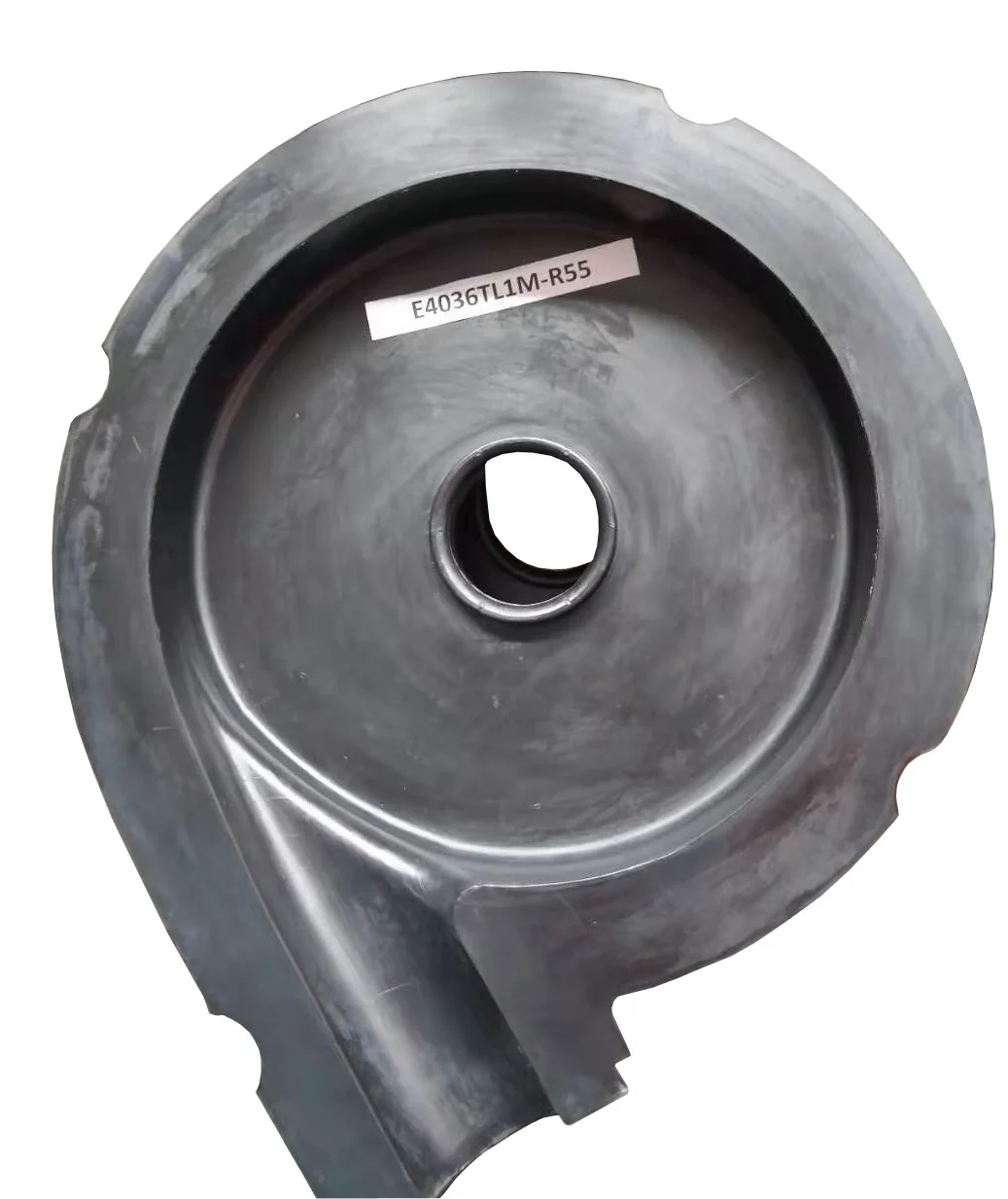
Introduction to Slurry Pump Frame Plate Liners
Slurry pump frame plate liners are engineered to protect pump casings from the destructive forces of abrasive and corrosive slurries. They are a fundamental component in ensuring the longevity and reliability of slurry pumping systems, found extensively in industries like mining, construction, and wastewater management. The selection of the correct liner material is a crucial factor determining overall system performance and operational costs.
These liners don't just passively protect; they actively contribute to the efficiency of the pumping process. By minimizing wear and tear, they maintain consistent pump performance, reducing energy consumption and ensuring stable flow rates. Consequently, regular inspection and timely replacement of slurry pump frame plate liners are essential preventative maintenance measures.
Defining Slurry Pump Frame Plate Liners
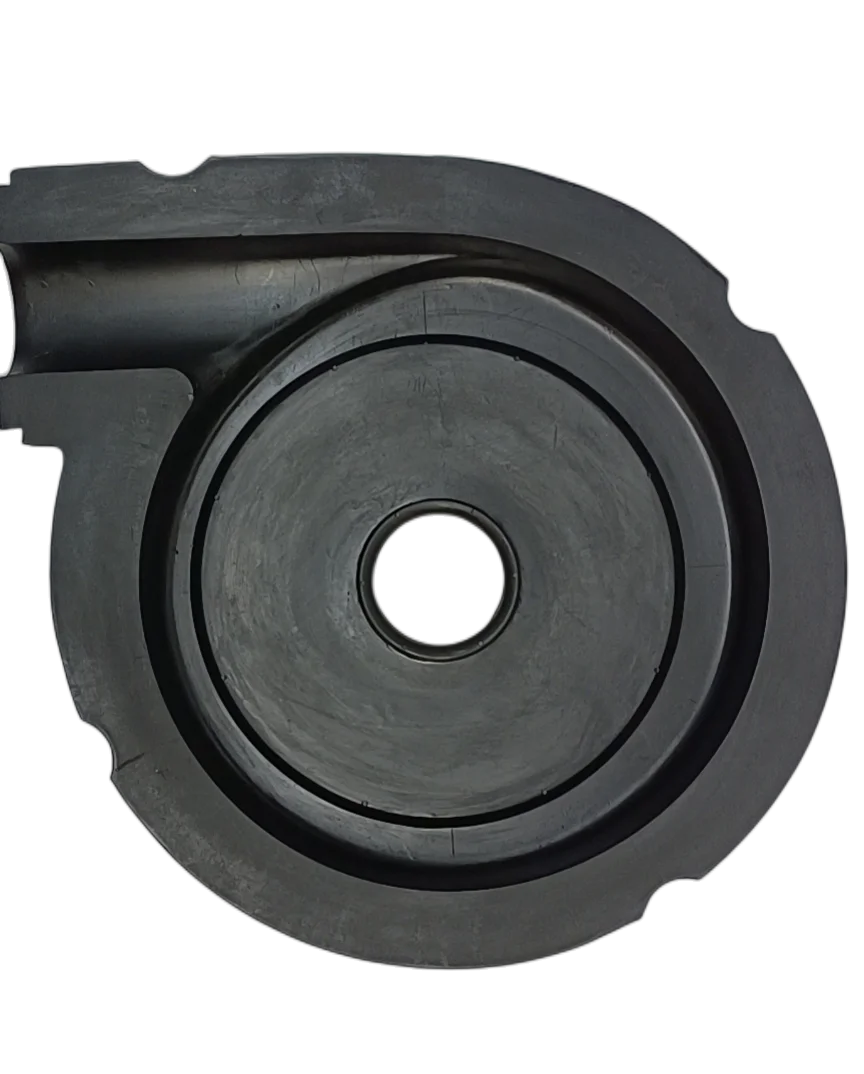
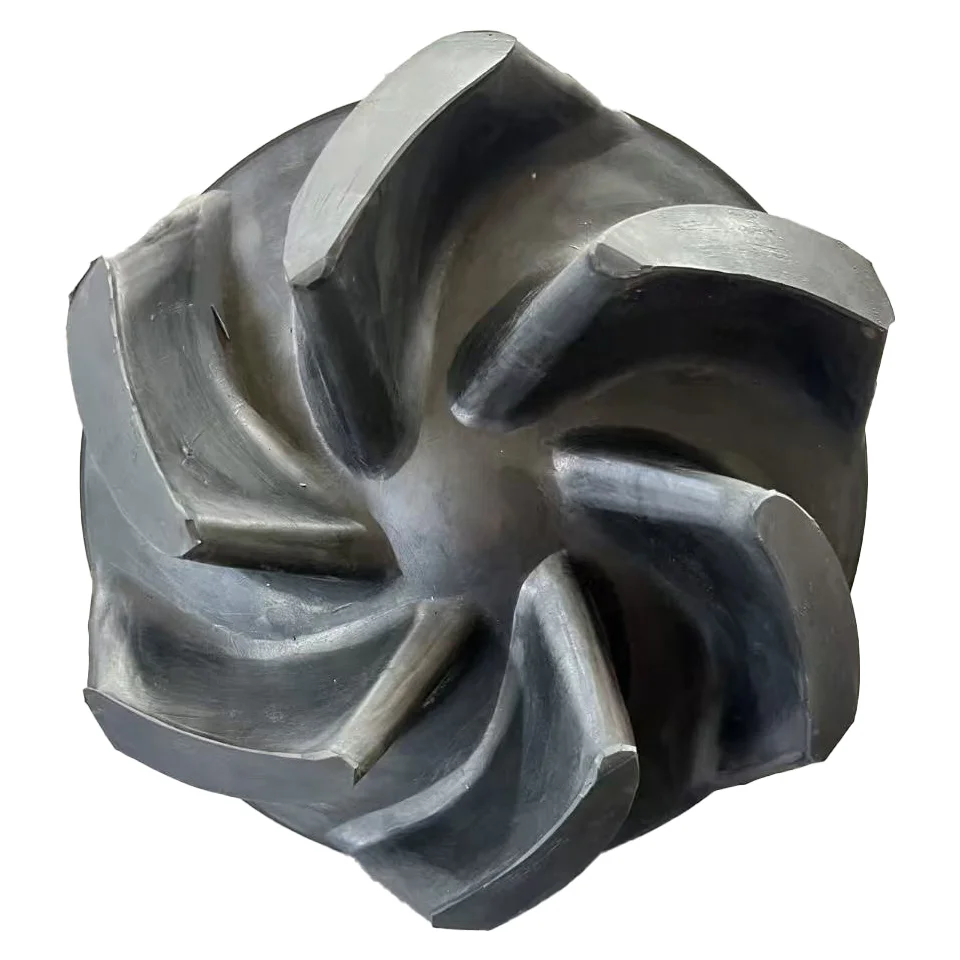
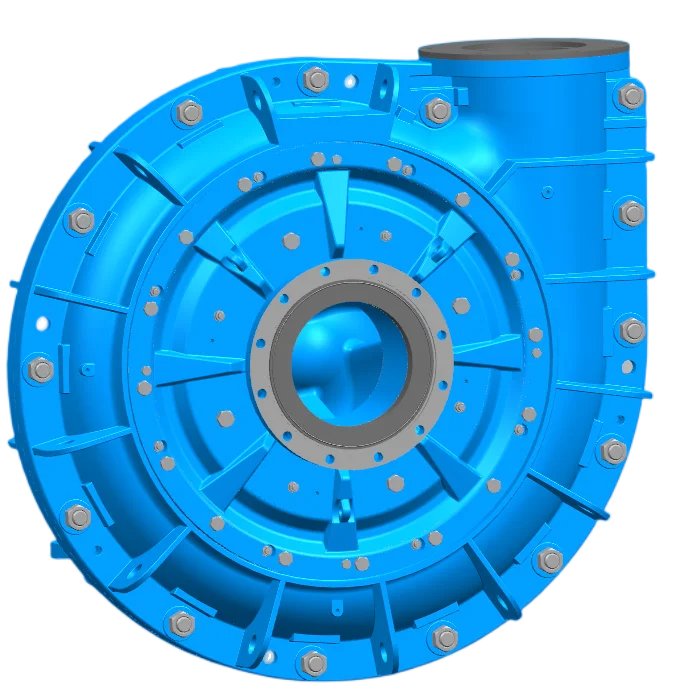
A slurry pump frame plate liner is a replaceable component installed inside the pump casing to shield it from the wear caused by abrasive particles and corrosive chemicals present in the slurry. These liners are typically made from materials possessing high wear resistance, impact strength, and chemical inertness. Common materials include high-chromium cast irons, rubber compounds, ceramics, and specialized polymers.
The liner's function isn’t limited to merely preventing material loss. They also help maintain the pump's hydraulic efficiency by minimizing surface roughness and preventing the buildup of deposits. Their design and installation are tailored to the specific slurry characteristics and pump operating conditions, ensuring optimal protection and performance.
Understanding the concept of slurry pump frame plate liners is intrinsically linked to modern industrial processes where the transportation of abrasive materials is commonplace. From the extraction of minerals to the treatment of industrial wastewater, these liners enable continuous and efficient operation, driving productivity and sustainability.
Key Factors in Liner Performance
Several key factors dictate the performance and lifespan of slurry pump frame plate liners. Material Selection is paramount; the liner material must be chemically compatible with the slurry and possess sufficient wear resistance to withstand abrasive attack. This involves considering the slurry’s pH, particle size, and hardness.
Liner Thickness plays a crucial role. A thicker liner provides a longer service life but can potentially reduce the pump's internal volume and hydraulic efficiency. Balancing these factors is critical during liner selection. Installation Quality is also vital; improper installation can lead to premature failure due to uneven wear or stress concentrations. Finally, Slurry Characteristics such as the concentration, velocity, and impingement angle of the abrasive particles profoundly impact liner wear rates.
Operating Temperature significantly affects material properties. Elevated temperatures can accelerate corrosion and reduce the impact strength of some liner materials. Flow Velocity is a critical parameter; higher velocities exacerbate erosion. Proper pump selection and operational adjustments are essential to maintain optimal flow rates and minimize liner wear.
Global Applications of Slurry Pump Frame Plate Liners
Slurry pump frame plate liners find extensive application across a multitude of industries globally. In the Mining Industry, they are essential for transporting ore slurries, tailings, and process water, enduring extremely abrasive conditions. The Asia-Pacific region, with its booming mining sector, represents a significant market for these liners.
The Wastewater Treatment sector relies heavily on liners to handle abrasive sludge and chemical-laden wastewater. Europe, with its stringent environmental regulations, drives demand for durable and corrosion-resistant liners. In the Oil & Gas industry, liners are utilized in dredging operations and the transport of drilling mud.
Furthermore, in post-disaster relief operations, portable slurry pumps equipped with robust liners can effectively remove debris and contaminated water. Even in remote industrial zones, the reliability afforded by well-maintained slurry pumps and liners is crucial for continued operation and resource extraction.
Slurry Pump Frame Plate Liner Material Performance
Advantages and Long-Term Value
The advantages of employing high-quality slurry pump frame plate liners extend beyond simple component protection. Reduced downtime and maintenance costs are primary benefits, leading to significant operational savings. Longer liner life translates to fewer pump overhauls, increasing overall plant productivity.
Investing in durable liners also enhances the sustainability of slurry handling operations by minimizing material waste and reducing the need for frequent replacements. The reliability and safety aspects contribute to a more secure working environment, reducing risks associated with pump failures.
Future Trends in Slurry Pump Frame Plate Liner Technology
The future of slurry pump frame plate liner technology is geared toward developing materials with enhanced wear and corrosion resistance. Research into advanced ceramics, composite materials, and specialized polymer blends is ongoing. Digital technologies, such as predictive maintenance algorithms based on sensor data, will optimize liner replacement schedules.
The integration of automation in liner installation and inspection processes is also gaining traction, improving efficiency and reducing human error. Moreover, a growing emphasis on eco-friendly materials and sustainable manufacturing practices is driving innovation in liner production.
Challenges and Solutions
A significant challenge in slurry pump frame plate liner application is accurately predicting liner wear rates in diverse slurry conditions. Factors like slurry composition variations and fluctuating flow rates can make precise estimations difficult. Solutions include implementing advanced wear monitoring systems and utilizing sophisticated modeling techniques.
Another challenge is the high cost of some advanced liner materials. Innovative manufacturing processes and material optimization are helping to reduce costs while maintaining performance. Furthermore, collaboration between liner manufacturers, pump OEMs, and end-users is essential for developing customized solutions tailored to specific application requirements.
Finally, ensuring proper liner installation is often overlooked. Training programs and standardized installation procedures can significantly improve liner performance and extend service life.
Summary of Slurry Pump Frame Plate Liner Challenges and Solutions
| Challenge | Impact on Operation | Proposed Solution | Implementation Cost (1-10) |
|---|
| Inaccurate Wear Prediction | Premature Liner Failure | Advanced Wear Monitoring Systems | 7 |
| High Material Costs | Limited Budget for Upgrades | Material Optimization & Process Innovation | 6 |
| Variable Slurry Composition | Reduced Liner Lifespan | Real-Time Slurry Analysis | 8 |
| Improper Installation | Stress Concentrations & Early Failure | Standardized Installation Procedures | 4 |
| Lack of Data for Optimization | Suboptimal Liner Selection | Data Logging & Performance Analysis | 5 |
| Corrosion in Aggressive Slurries | Material Degradation | Corrosion-Resistant Alloy Development | 9 |
FAQS
The lifespan of a slurry pump frame plate liner varies greatly depending on factors like slurry abrasiveness, flow velocity, and liner material. Generally, liners can last anywhere from a few months to over a year. Regular inspections are crucial to determine wear rates and schedule replacements proactively. Utilizing wear monitoring systems can significantly extend liner life by optimizing maintenance intervals. Proper material selection tailored to the slurry's characteristics is paramount for maximizing lifespan.
Selecting the correct liner material involves analyzing the slurry's composition, including its abrasive particle size and concentration, chemical pH, and temperature. High-chromium cast irons are well-suited for abrasive slurries, while rubber liners excel in applications with corrosive fluids. Ceramics offer exceptional wear resistance but can be brittle. Polyurethane provides a good balance of properties. Consulting with a liner specialist and conducting slurry compatibility tests are highly recommended.
Key indicators of liner wear include decreased pump efficiency, increased power consumption, unusual noise levels, and visible erosion or cracking of the liner surface. Performing regular visual inspections during scheduled maintenance is crucial. Measuring pump flow rates and pressure can also reveal performance degradation indicative of liner wear. Addressing liner issues promptly prevents further damage to the pump casing.
A thicker liner offers longer wear life but reduces the pump's internal volume, potentially decreasing flow rates and efficiency. A thinner liner, while maintaining higher flow, will wear more quickly. Finding the optimal thickness involves a trade-off based on slurry characteristics, pump operating conditions, and desired service life. Modeling and simulation can help determine the ideal liner thickness for specific applications.
Regular inspections for wear and damage are essential. Maintaining proper slurry flow rates and avoiding excessive velocities minimizes erosion. Ensuring correct pump alignment reduces stress on the liners. Cleaning the pump casing to prevent buildup of solids also contributes to extended liner life. Implementing a preventative maintenance schedule and documenting wear rates allows for optimized liner replacement timing.
Current advancements focus on developing ceramic-reinforced composites and polymer blends with improved wear and corrosion resistance. Researchers are exploring self-healing materials that can automatically repair minor damage. Nanotechnology is being used to enhance the properties of existing liner materials. Furthermore, advancements in casting techniques and heat treatment processes are resulting in higher-quality liners with extended service lives.
Conclusion
Slurry pump frame plate liners are indispensable components in maintaining the efficiency and reliability of slurry handling systems across numerous industries. The selection of appropriate materials, coupled with meticulous installation and proactive maintenance, is crucial for maximizing liner lifespan and minimizing operational costs. Continuous innovation in liner technology, driven by the demand for enhanced wear resistance, corrosion protection, and sustainability, ensures these components remain at the forefront of slurry pumping solutions.
Investing in quality slurry pump frame plate liners is not merely an expense but a strategic investment that yields substantial long-term benefits. By prioritizing liner performance, operators can enhance productivity, reduce downtime, and contribute to a more sustainable and environmentally responsible operation. For reliable solutions and expert advice on slurry pump frame plate liners, visit our website: www.qualityslurrypump.com.



-1-20260416061013.webp "Optimizing Slurry Pump Performance with Durable Cover Plate Solutions")