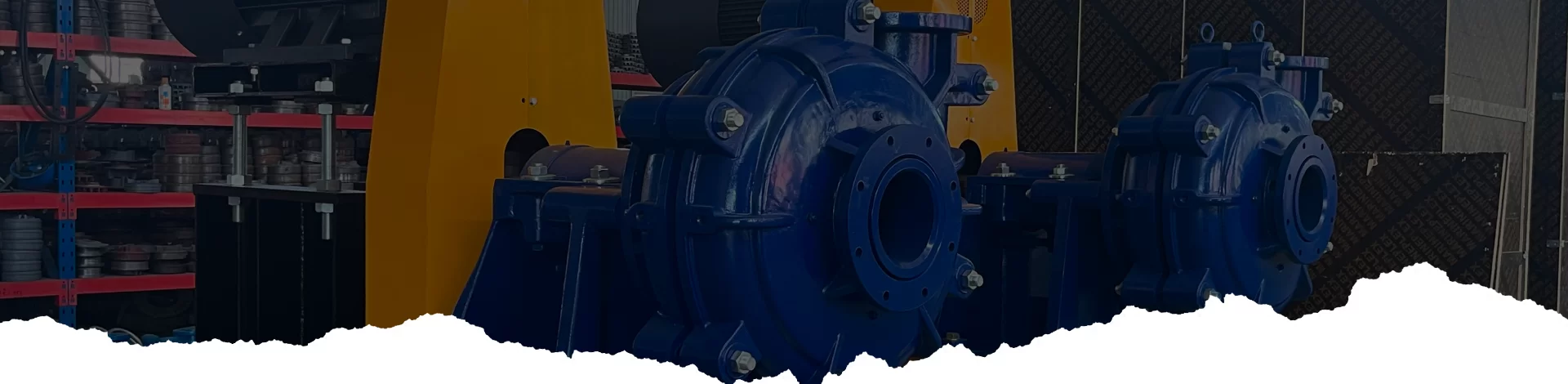
Optimizing Performance with Slurry Pump for Sand and Gravel Applications

  • Home
  • Top Blog
  • Optimizing Performance with Slurry Pump for Sand and Gravel Applications
0%

Table of Contents

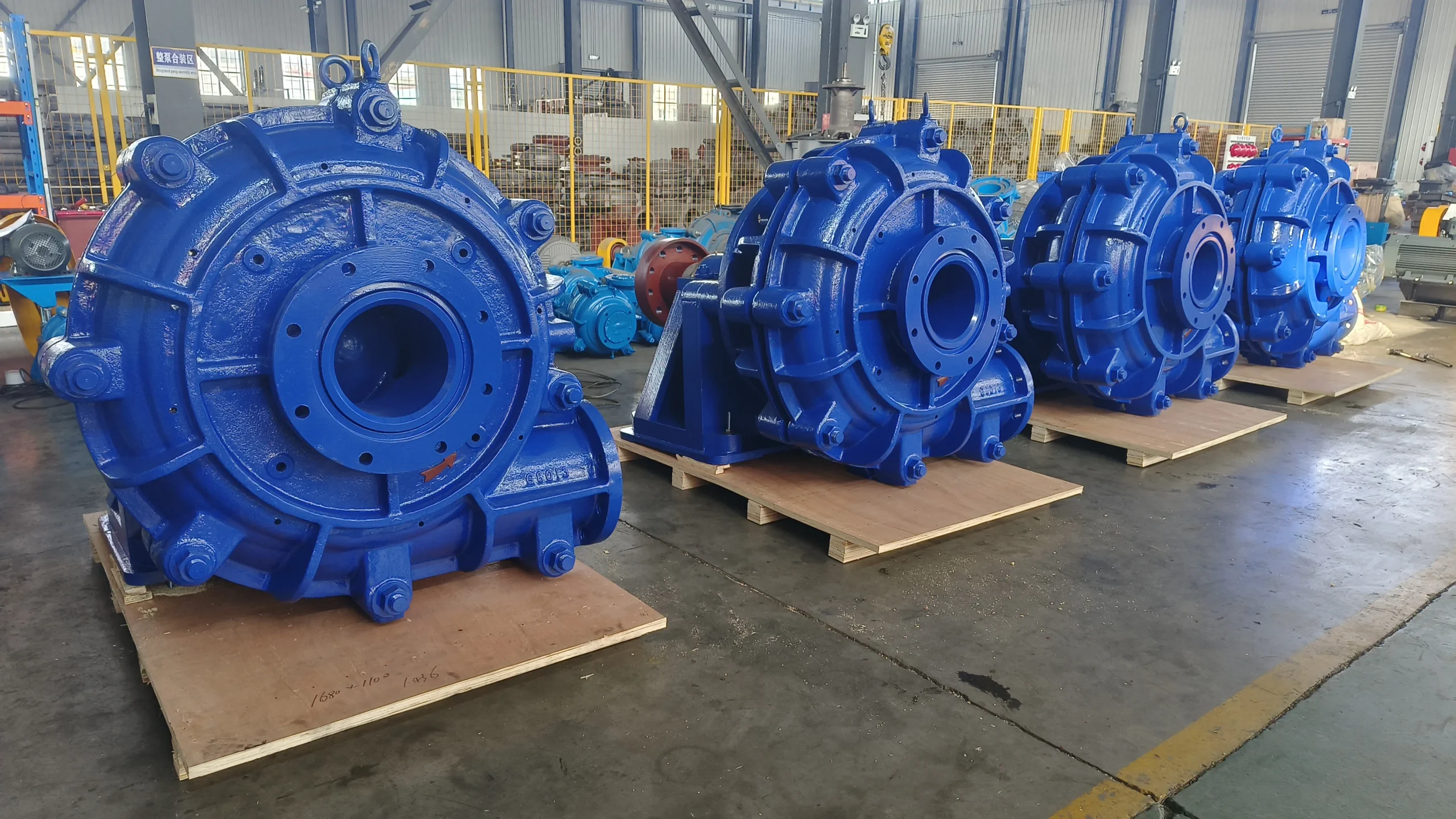
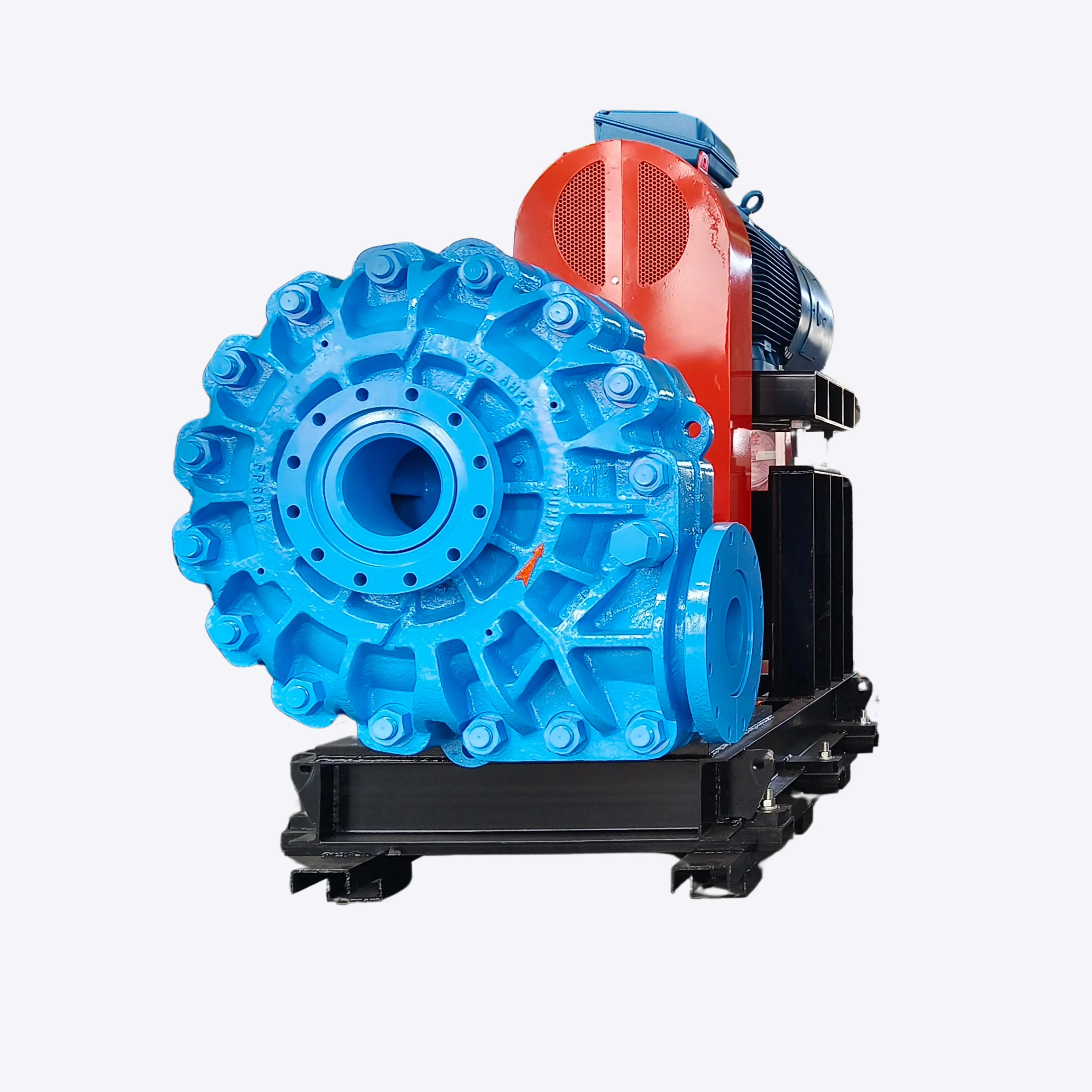
Slurry pumps for sand and gravel are critical components in numerous industries, from mining and construction to dredging and wastewater treatment. Their ability to efficiently transport abrasive mixtures over long distances is essential for project success and minimizing operational costs. Understanding the nuances of these pumps, including their design, materials, and operational parameters, is paramount for engineers, project managers, and operators alike. A properly selected and maintained slurry pump for sand and gravel significantly impacts productivity, reduces downtime, and extends the lifespan of the entire system.        

       The global demand for infrastructure development, resource extraction, and environmental remediation continues to drive the need for reliable and efficient slurry pumping solutions.  Growing populations and increasing urbanization necessitate large-scale construction projects, frequently involving significant volumes of sand and gravel.  Furthermore, the need for responsible environmental practices demands effective solutions for managing sediment and pollutants in waterways, often relying on robust slurry pump for sand and gravel systems. According to the World Bank, global infrastructure investment is projected to reach $94 trillion by 2040, amplifying the importance of efficient material handling technologies.        

       Challenges associated with handling abrasive slurries – such as wear and tear on equipment, pipeline erosion, and increased energy consumption – highlight the need for specialized pump designs.  Slurry pump for sand and gravel technology addresses these challenges directly, offering optimized impeller designs, wear-resistant materials, and efficient hydraulic systems that minimize operational expenses and maximize equipment longevity. The ability to choose the correct pump type for a specific application, considering factors like slurry composition, flow rate, and head requirements, is key to achieving optimal performance.
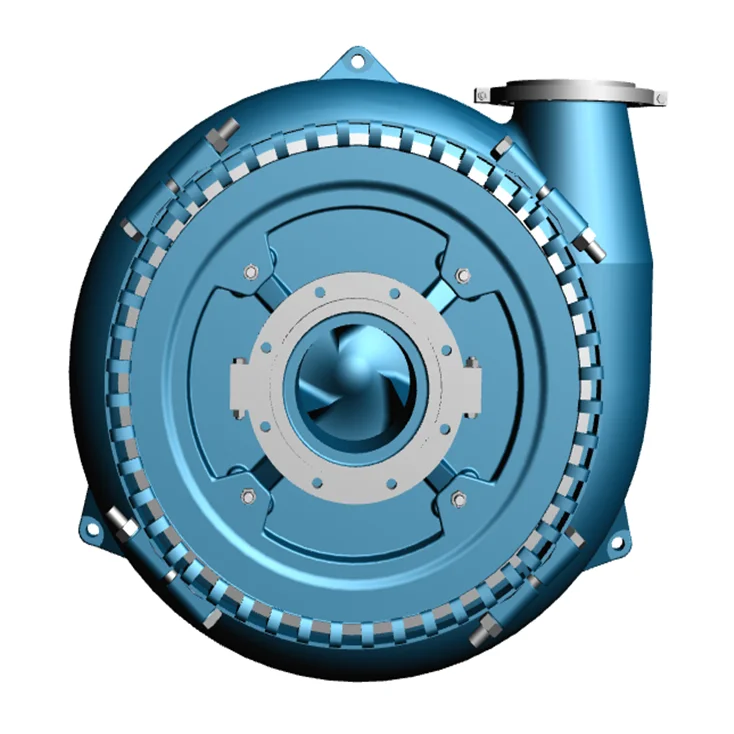
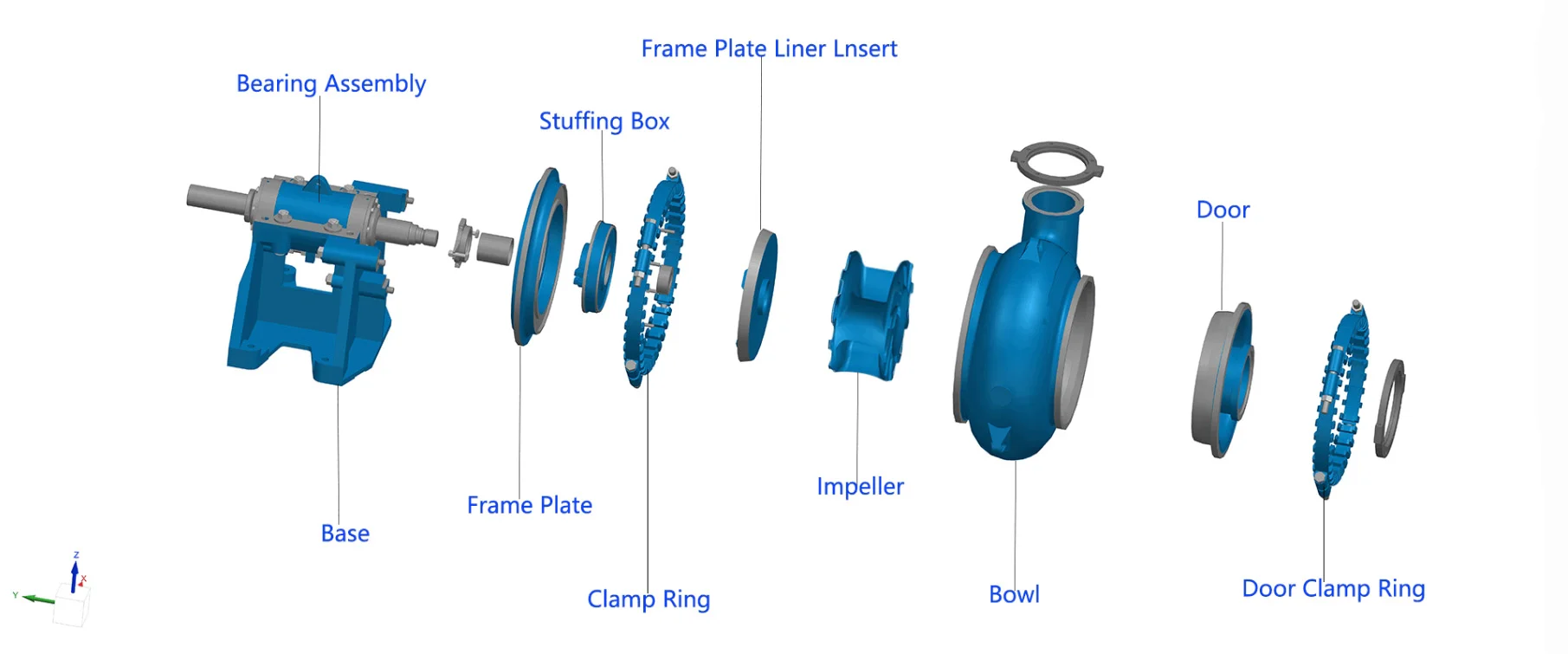
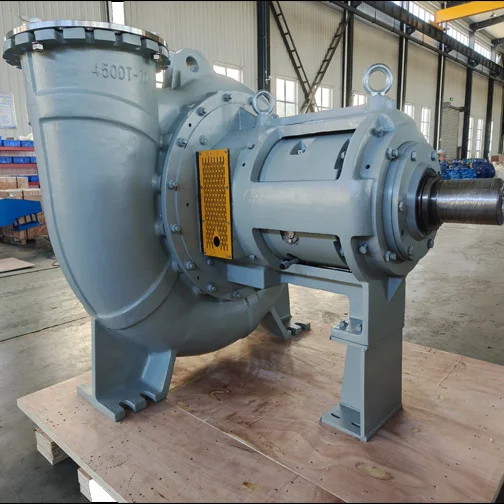
Gravel Pumps 200S    
Table of Contents [Hide]        

Introduction to Slurry Pumps for Sand and Gravel

Gravel Pumps            

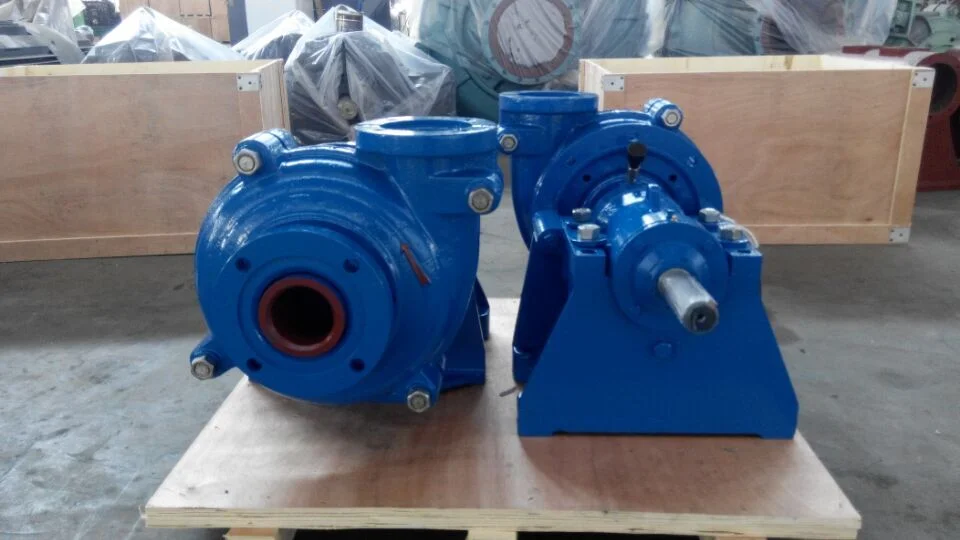
Slurry pumps designed for sand and gravel applications are engineered to withstand the punishing effects of abrasive solids suspended in liquid. These pumps are not simply standard centrifugal pumps adapted for slurry service; they incorporate specialized design features to maximize wear resistance and maintain efficiency.  The composition of the slurry – particle size, shape, and concentration – significantly impacts pump selection and performance.            

           A critical aspect of slurry pump for sand and gravel operation is the mitigation of wear.  Impellers, casings, and liners are often constructed from high-chrome alloys, hardened stainless steels, or rubber linings to extend service life. Proper pump selection considers the specific abrasive characteristics of the slurry to optimize material choices and minimize maintenance requirements.

Defining Slurry Pumps for Sand and Gravel

A slurry pump for sand and gravel is a type of pump specifically designed to move mixtures of liquids and solid particles. Unlike pumps handling clean fluids, these pumps must contend with abrasion, erosion, and increased viscosity caused by the solids. The term "slurry" refers to a mixture of solid particles suspended in a liquid, and the characteristics of this mixture dictate the type of pump required.        

       These pumps play a pivotal role in numerous industries, enabling the efficient transport of materials across distances that would be impractical or impossible using other methods. In mining, they move ore concentrates; in construction, they transport dredged sand and gravel; and in environmental remediation, they manage sediment-laden water.        

       The connection to modern industry is undeniable.  As resource demands increase and environmental regulations tighten, the need for robust and reliable slurry pumping solutions becomes increasingly critical. Slurry pumps for sand and gravel are often integral to closed-loop systems, reducing environmental impact and maximizing resource utilization.

Key Factors in Slurry Pump Selection

Several key factors influence the selection of an appropriate slurry pump for sand and gravel.  First, the slurry’s composition – particle size, shape, and concentration – is paramount.  Larger, angular particles are more abrasive than smaller, rounded particles, requiring more robust pump components.

Secondly, the flow rate and head (pressure) requirements dictate the pump’s size and power. Accurate calculation of these parameters is crucial to ensure the pump can deliver the desired performance without overworking or underperforming. Thirdly, the abrasiveness of the slurry demands careful consideration of material selection for pump components, choosing materials like high-chrome alloys or rubber linings.

Finally, the system’s overall layout and operating conditions—including pipeline length, elevation changes, and operating hours—must be factored into the selection process.  Choosing a pump that is correctly matched to the application ensures optimal efficiency, minimizes downtime, and reduces total cost of ownership.

Global Applications of Slurry Pumping

Slurry pumps for sand and gravel find widespread applications across diverse industries globally. In the mining sector, they are used extensively for transporting ore slurries, tailings, and process water. Dredging operations rely heavily on these pumps to move sand, gravel, and silt from riverbeds, harbors, and construction sites.        

       The construction industry utilizes slurry pumps for transporting concrete, grout, and excavated materials.  In wastewater treatment plants, they handle sludge and grit, while in power plants, they manage ash slurries.  Regional variations in application are notable: for example, extensive dredging operations in Southeast Asia drive demand for large-capacity pumps, while coastal erosion control projects in Europe require specialized pumps for beach nourishment.        

       In remote industrial zones of Australia, slurry pumps for sand and gravel are essential for mineral processing and pipeline transportation.  Furthermore, in post-disaster relief operations, portable slurry pumps are often deployed to remove debris and restore infrastructure.

Slurry Pump Performance Metrics

Advantages and Long-Term Value

Investing in high-quality slurry pumps for sand and gravel translates into significant long-term benefits. Reduced maintenance costs are a primary advantage, stemming from the use of wear-resistant materials and optimized designs.  Improved efficiency minimizes energy consumption, lowering operational expenses and reducing the carbon footprint.        

       Increased reliability ensures continuous operation, minimizing downtime and maximizing productivity.  The inherent durability of well-engineered slurry pumps translates into a longer lifespan, providing a superior return on investment compared to cheaper, less robust alternatives. This contributes to sustainable practices by reducing the need for frequent replacements.

Future Trends in Slurry Pump Technology

The future of slurry pump for sand and gravel technology is focused on several key areas.  The development of new materials with enhanced wear resistance and corrosion protection is paramount.  Smart pump technologies, incorporating sensors and data analytics, are emerging to optimize performance and predict maintenance needs.        

       Energy efficiency is also a major driver of innovation.  Variable frequency drives (VFDs) and optimized impeller designs are being employed to reduce energy consumption and lower operating costs. Furthermore, the integration of digital twins—virtual representations of physical pumps—allows for remote monitoring, predictive maintenance, and performance optimization.

Challenges and Solutions in Slurry Pumping

Despite advancements, several challenges remain in slurry pumping.  Abrasion and erosion continue to be major concerns, requiring ongoing development of wear-resistant materials and coatings.  Handling highly concentrated slurries can lead to clogging and reduced pump efficiency.        

       Solutions include incorporating larger pump passages, utilizing self-priming designs, and implementing robust monitoring systems to detect and address clogging issues promptly. Another challenge is dealing with fluctuating flow rates and slurry compositions, which require adaptable pump control systems.        

       Innovative approaches such as the use of advanced computational fluid dynamics (CFD) modeling can help optimize pump designs for specific slurry characteristics and operating conditions, leading to improved performance and reliability.

Summary of Slurry Pump Challenges and Mitigation Strategies

ChallengeImpact on SystemMitigation StrategyEffectiveness Rating (1-10)
Abrasive WearReduced Pump LifespanHigh-Chrome Alloys, Rubber Linings9
Slurry CloggingReduced Flow RateLarger Pump Passages, Self-Priming Designs7
ErosionPipeline DamageWear-Resistant Pipeline Materials8
Energy ConsumptionIncreased Operating CostsVariable Frequency Drives (VFDs)6
Fluctuating Slurry CompositionUnstable Pump PerformanceAdaptive Pump Control Systems7
Maintenance DowntimeLost ProductivityPredictive Maintenance Programs8

FAQS

What is the best material for a slurry pump handling highly abrasive sand?            

For highly abrasive sand slurries, high-chrome alloy is generally the best material choice for pump components like impellers and liners.  High-chrome alloys offer excellent resistance to erosion and abrasion, significantly extending the pump's service life. Rubber linings are also effective, especially for slurries with larger particle sizes, providing cushioning and reducing wear. Careful consideration of the specific sand composition and particle shape is crucial for optimal material selection.

How do I determine the correct pump size for my slurry application?            

Determining the correct pump size involves accurately calculating the required flow rate and total dynamic head (TDH).  Flow rate depends on the volume of slurry that needs to be moved per unit of time. TDH accounts for static lift, friction losses in the pipeline, and pressure requirements at the discharge point.  Using pump curves and consulting with a slurry pump specialist can ensure you select a pump that efficiently meets your application’s demands.

What is the difference between a centrifugal and a positive displacement slurry pump?            

Centrifugal slurry pumps are the most common type, utilizing an impeller to generate flow. They are ideal for high-volume, low-to-moderate head applications. Positive displacement pumps, on the other hand, deliver a fixed volume of slurry per revolution, making them suitable for viscous slurries or applications requiring precise flow control. Positive displacement pumps generally handle higher pressures but have lower flow rates than centrifugal pumps.

How often should I inspect and maintain my slurry pump?            

Regular inspection and maintenance are crucial for prolonging pump life and preventing costly downtime.  Inspect pump components for wear and erosion at least monthly, and more frequently for highly abrasive slurries.  Lubricate bearings, check seals, and monitor vibration levels. A comprehensive preventative maintenance program, including component replacement based on wear patterns, is highly recommended.

What are the key considerations for minimizing wear in a slurry pump system?            

Minimizing wear involves selecting appropriate materials, optimizing pump speed, and controlling slurry velocity. Reducing slurry velocity can significantly decrease erosion rates. Proper alignment of the pump and pipeline is also essential to avoid excessive stress on components. Employing wear-resistant liners and coatings can further extend the lifespan of critical pump parts.

Can slurry pumps be used for pumping gravel without damaging the pump?            

Yes, slurry pumps can be used for pumping gravel, but careful consideration must be given to the gravel’s size, shape, and concentration. Using a pump specifically designed for handling large solids and opting for robust materials like high-chrome alloy is critical. A lower pump speed can help reduce wear.  Furthermore, pre-screening the gravel to remove oversized particles can prevent clogging and damage.

Conclusion

Slurry pumps for sand and gravel are indispensable tools for a wide range of industries, enabling the efficient and reliable transport of abrasive mixtures.  Understanding the key factors influencing pump selection – slurry composition, flow rate, head requirements, and material compatibility – is paramount for maximizing performance and minimizing operational costs.  Investing in high-quality pumps and implementing robust maintenance programs are essential for long-term value and sustainable operation.        

       Looking ahead, advancements in materials science, smart pump technologies, and digital modeling will continue to drive innovation in slurry pumping.  By embracing these developments, industries can further optimize their processes, reduce environmental impact, and enhance overall efficiency. To learn more about tailored slurry pump solutions for your specific needs, visit our website: www.qualityslurrypump.com.

William Brown

William Brown

William Brown functions as a Technical Support Specialist for CNSME Pump. With a focus on assisting customers with troubleshooting, maintenance and repair, William is a go-to resource for practical knowledge. He provides training to field service personnel and develops technical documentation. He’s particularly skilled in diagnosing pump performance issues and recommending preventative maintenance strategies. William often works directly with clients over the phone and through on-site visits, ensuring optimal pump functionality. He holds a degree in mechanical technology.
Previous Optimizing Tailings Management with a Robust slurry pump for tailings System
Next Slurry Pump Solutions for Dredging Operations

bscribe newslette

If you do not find a matching slurry pump model, please contact us!

If you are interested in our products, you can choose to leave your information here, and we will be in touch with you shortly.