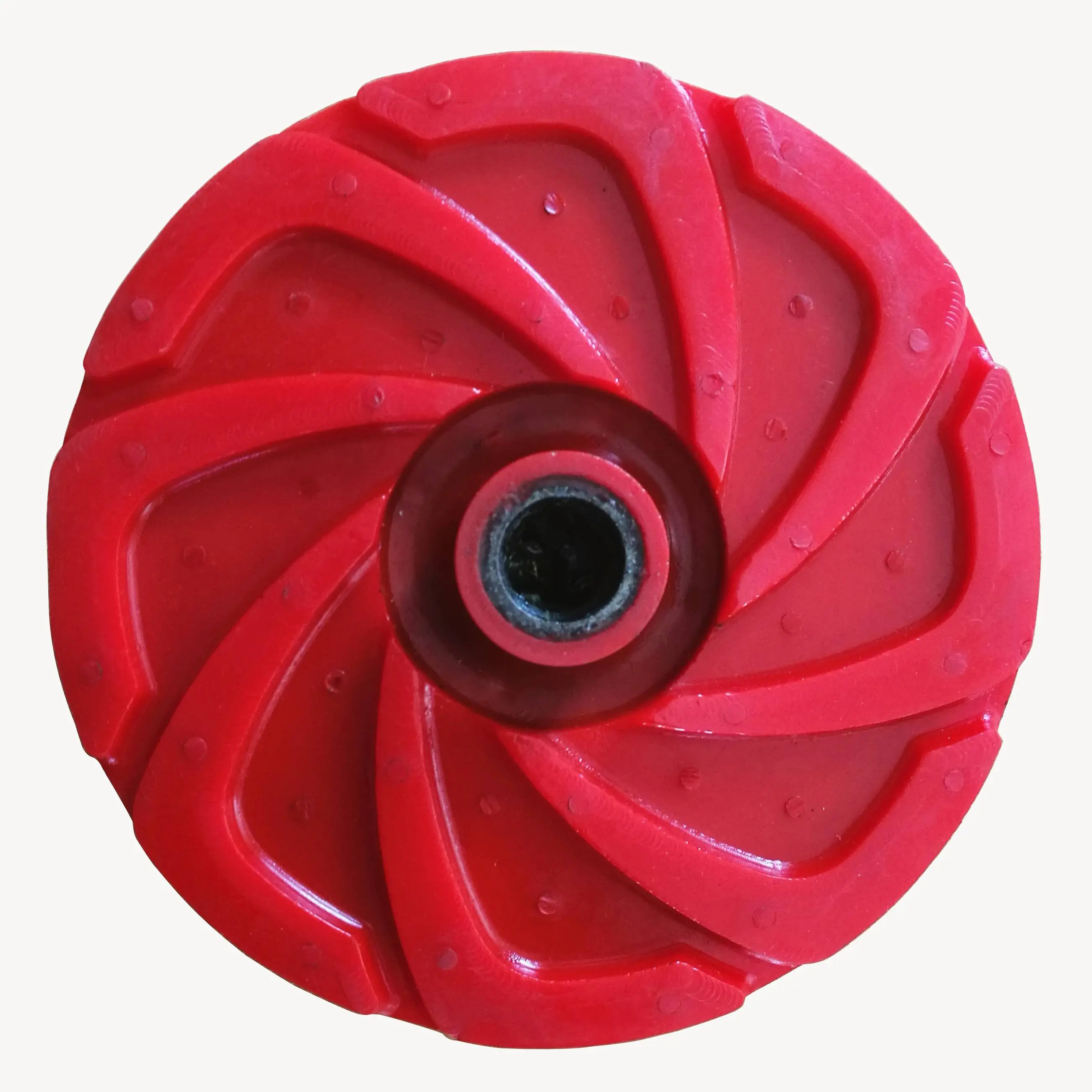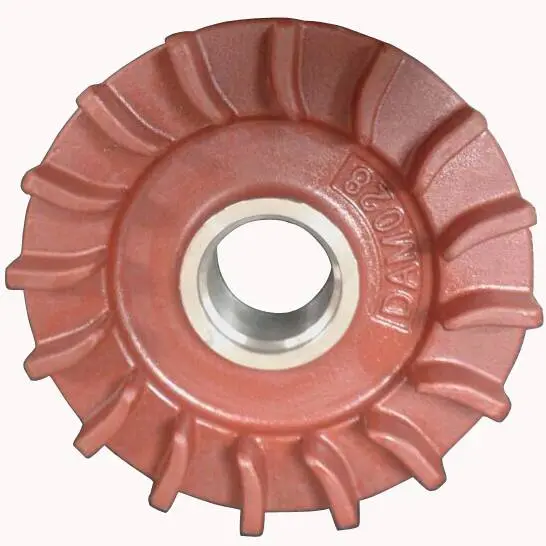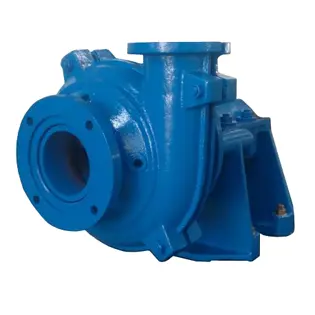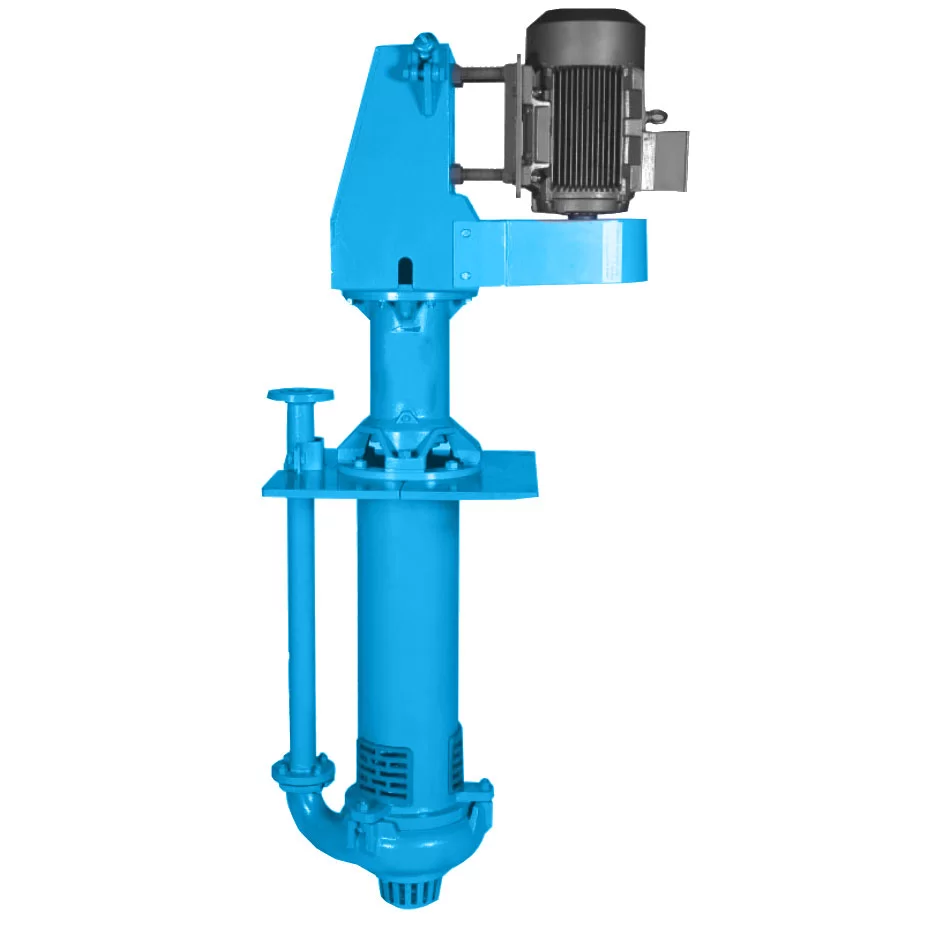
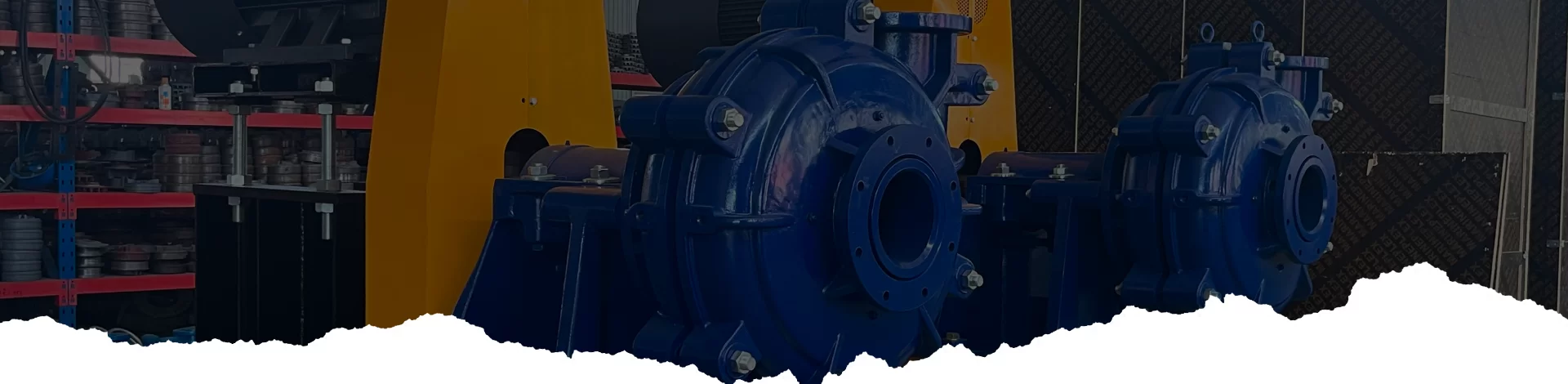
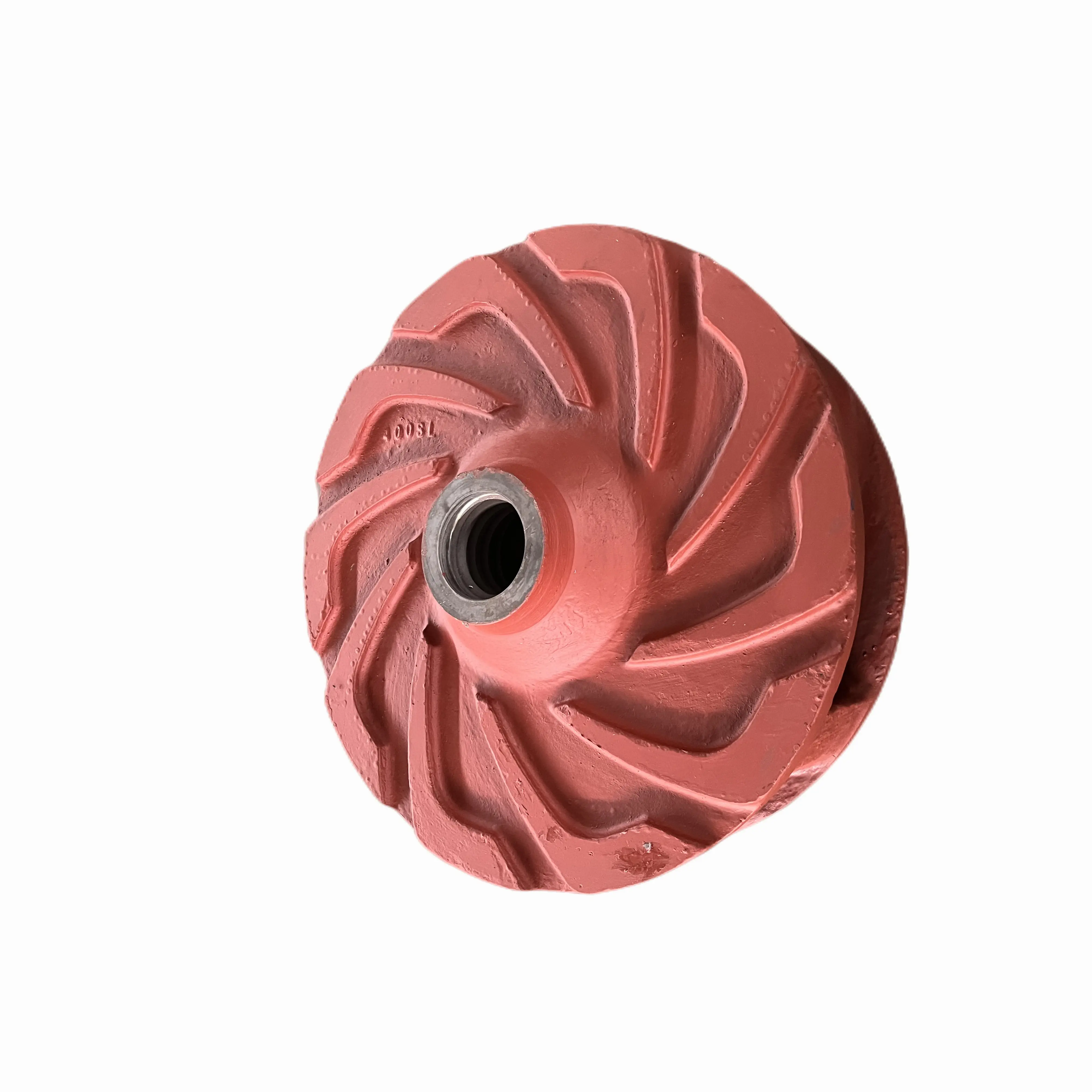
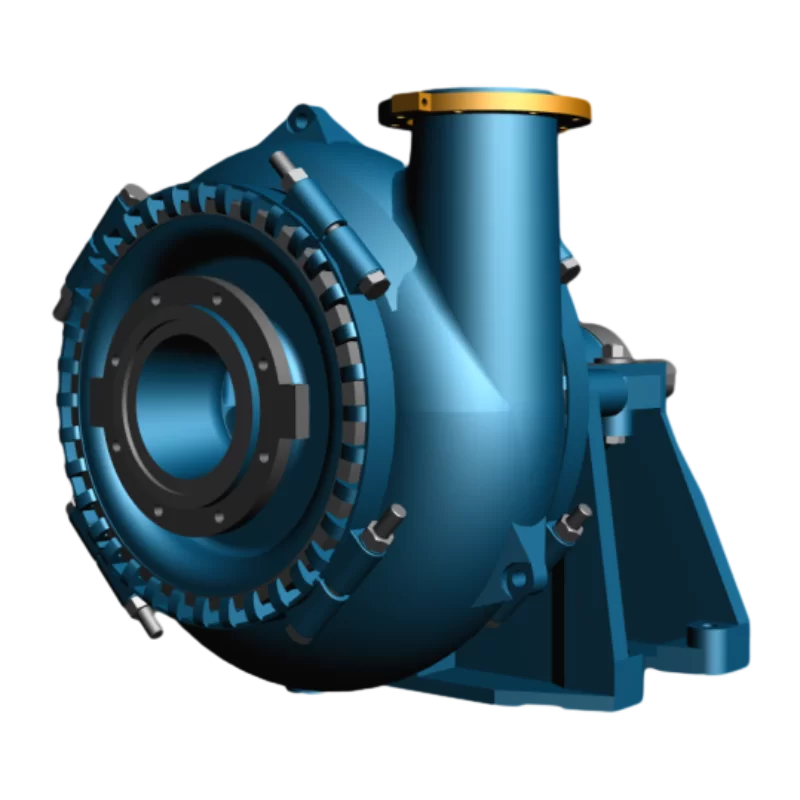
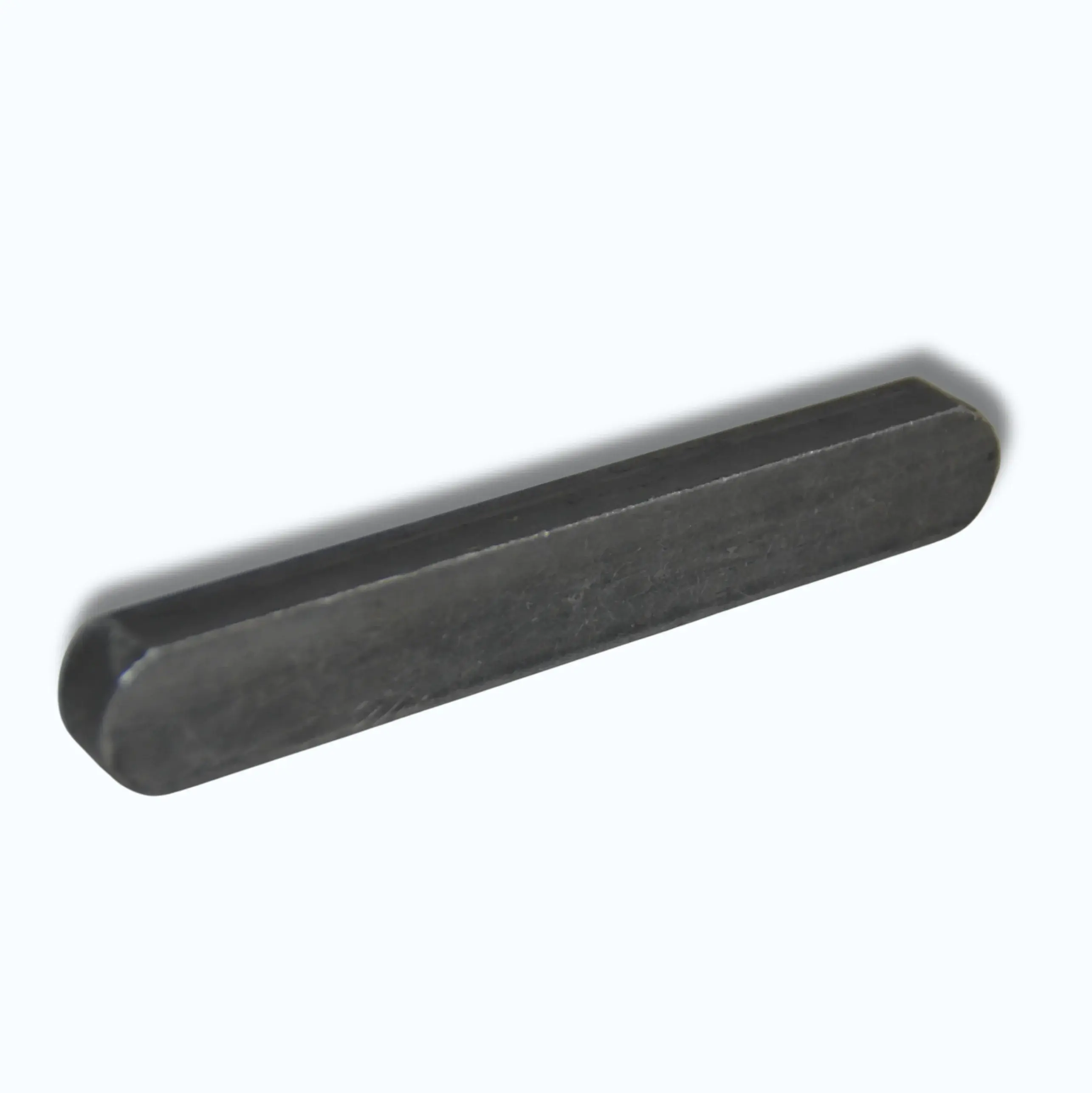
The mining industry in Rwanda, particularly in the extraction of 3Ts (Tantalum, Tin, Tungsten) and gold, operates under challenging topographical conditions. The high concentration of abrasive particles in Rwandan ore requires robust Warman wear parts to prevent premature equipment failure and costly downtime in remote mining sites.
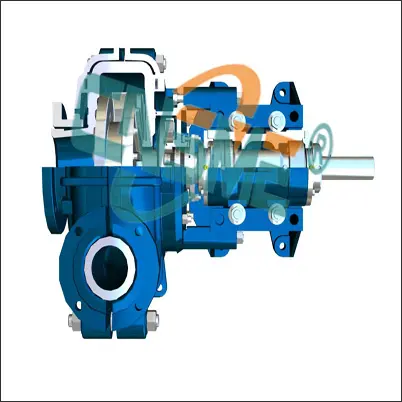
Many operators in the region currently struggle with high maintenance costs due to suboptimal sealing. The implementation of high-grade Warman gland packing is critical for these sites to prevent leakage of caustic slurry, which not only protects the machinery but also aligns with Rwanda's strict environmental protection laws for water resources.
Furthermore, as the industry shifts towards more sustainable practices, there is a growing demand for slurry pump efficiency improvement tips to reduce energy consumption. In a region where electricity costs can be volatile, optimizing the hydraulic performance of slurry pumps is no longer optional but a necessity for economic viability.