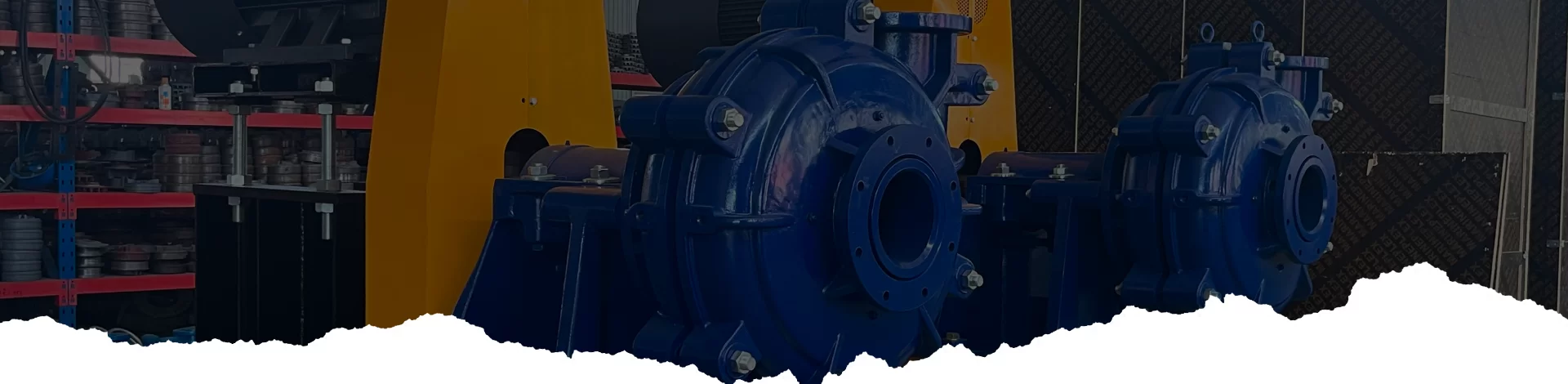
When it comes to slurry transportation, familiarity with pumps and their parts is par for the course. However, it’s also important to understand what goes into
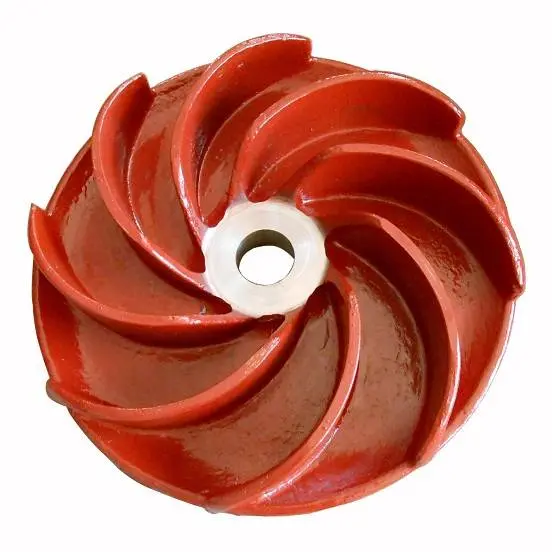
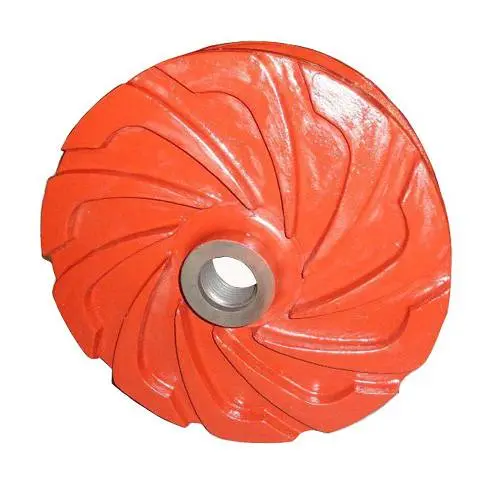
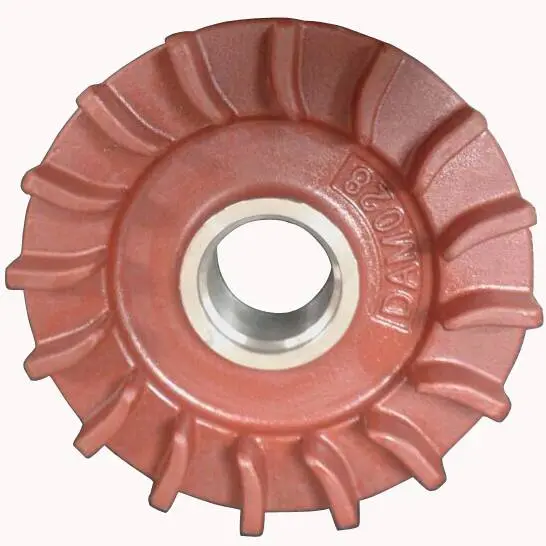
Slurry pump impeller design is a crucial element in the efficient and reliable transport of abrasive and erosive fluids across numerous industries. These specialized pumps are vital in mining, wastewater treatment, chemical processing, and even food production, where handling mixtures of liquids and solids is commonplace. Optimizing the impeller's design directly impacts the pump’s performance – its efficiency, longevity, and ability to withstand the harsh conditions inherent in slurry handling. Understanding the nuances of slurry pump impeller design is therefore paramount for engineers and operators striving for cost-effectiveness and operational excellence. Globally, the demand for efficient slurry handling solutions is constantly increasing, driven by factors such as expanding infrastructure projects, stricter environmental regulations regarding waste management, and the growing need for resource extraction. The United Nations estimates that global wastewater generation will increase by 54% by 2050, necessitating advanced wastewater treatment facilities – many relying heavily on robust slurry pumping systems.
Choosing the right OEM froth pump manufacturer is crucial for efficient and reliable operations in various industries, including mining, chemical processing, and wastewater treatment.
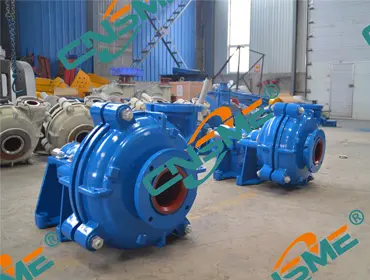
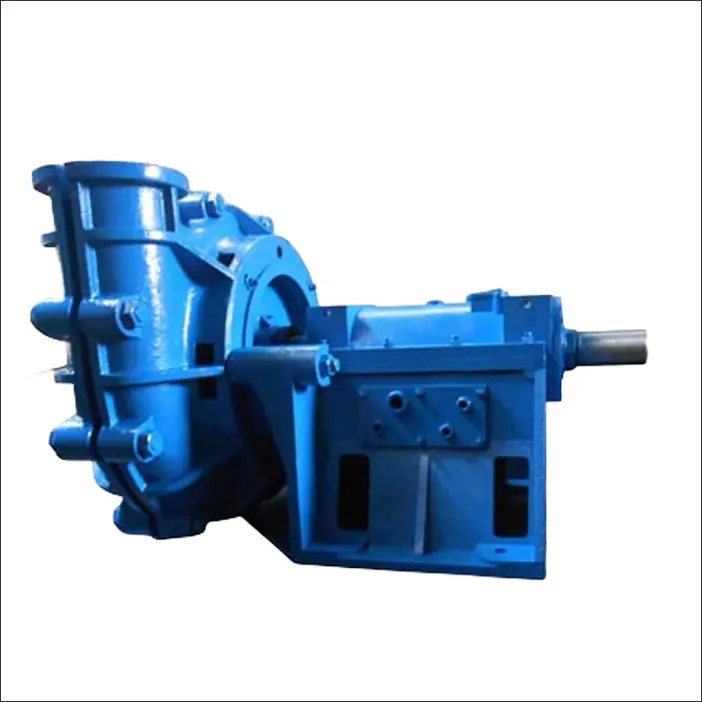
Slurry pump for mining operations are critical components in mineral processing, handling abrasive and corrosive materials essential for extracting valuable resources. The global mining industry relies heavily on efficient and reliable slurry pumps to transport these mixtures – a vital link in the value chain from extraction to refining. Effective slurry pumping reduces operational costs, enhances productivity, and minimizes environmental impact by optimizing material handling processes. The demand for slurry pump for mining solutions is intrinsically linked to global economic growth, particularly in developing nations with expanding mining sectors. As resource demand increases, so does the need for robust and scalable pumping systems. Recent advancements focus on improving pump efficiency, reducing energy consumption, and extending operational lifespan in harsh mining environments, contributing to more sustainable mining practices. Understanding the intricacies of slurry pump for mining is essential for mining engineers, plant managers, and industry stakeholders.
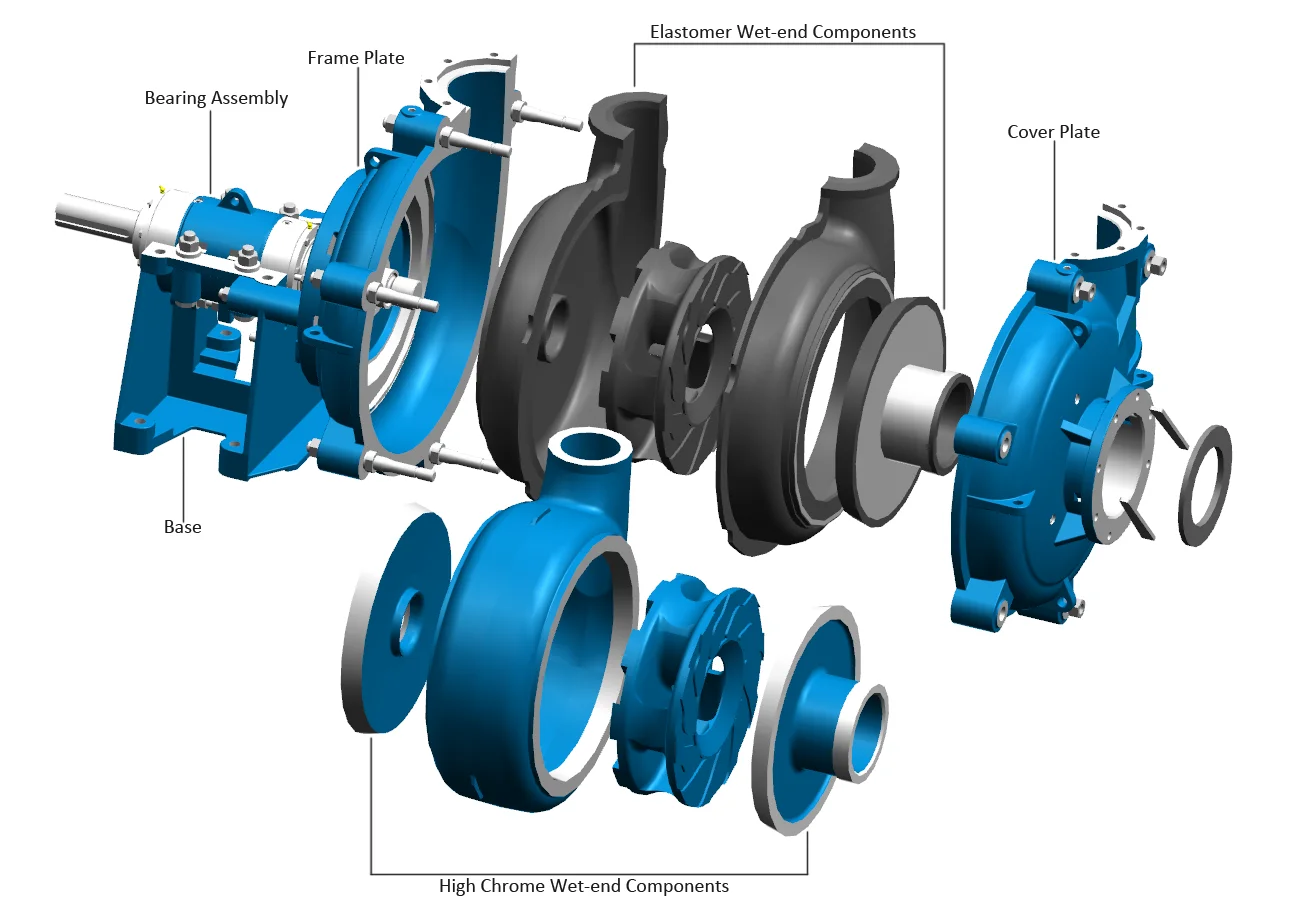
Look, I've been running around construction sites for over a decade now, and honestly, the biggest thing I’m seeing lately is everyone chasing higher flow rates. It's like a horsepower war, you know? Everyone wants the biggest, baddest dredge pump on the block. They think bigger equals better. But… it's not always that simple. Have you noticed, a lot of these designs, they look fantastic on paper, all sleek and optimized. But then you get them on-site, and they're a nightmare to maintain. Too many tight spaces, proprietary fittings, stuff like that. It’s like the engineers designing these things have never actually touched a wrench. They forget that someone has to disassemble this thing in the pouring rain at 3 AM. And it's not just the design. The materials...people are constantly trying to cut corners. We've really started standardizing on high-chrome iron for the impeller and casing. It’s heavy, sure, smells a bit like metal shavings when you first machine it, and getting a good weld requires a specialist, but it holds up.