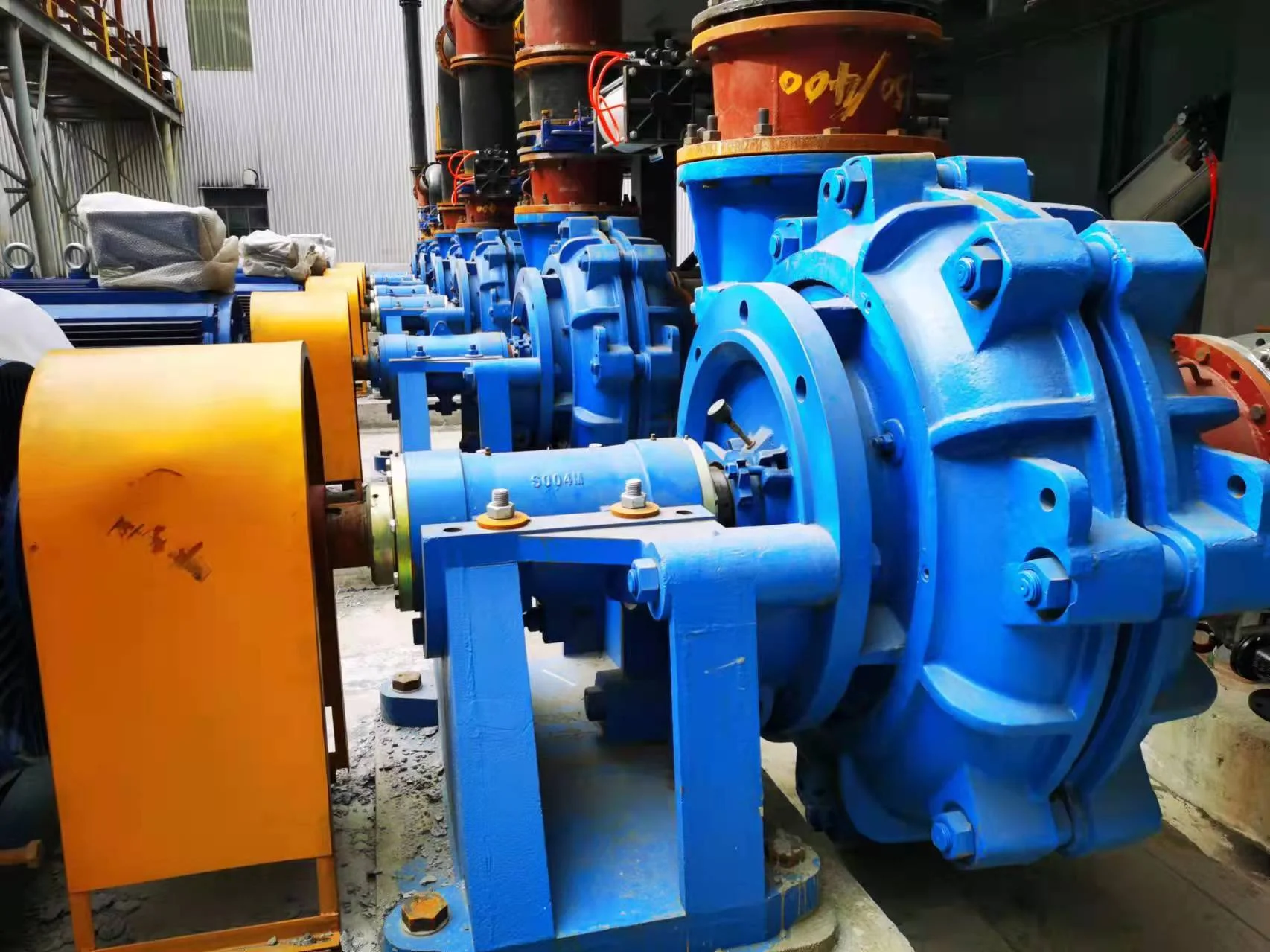
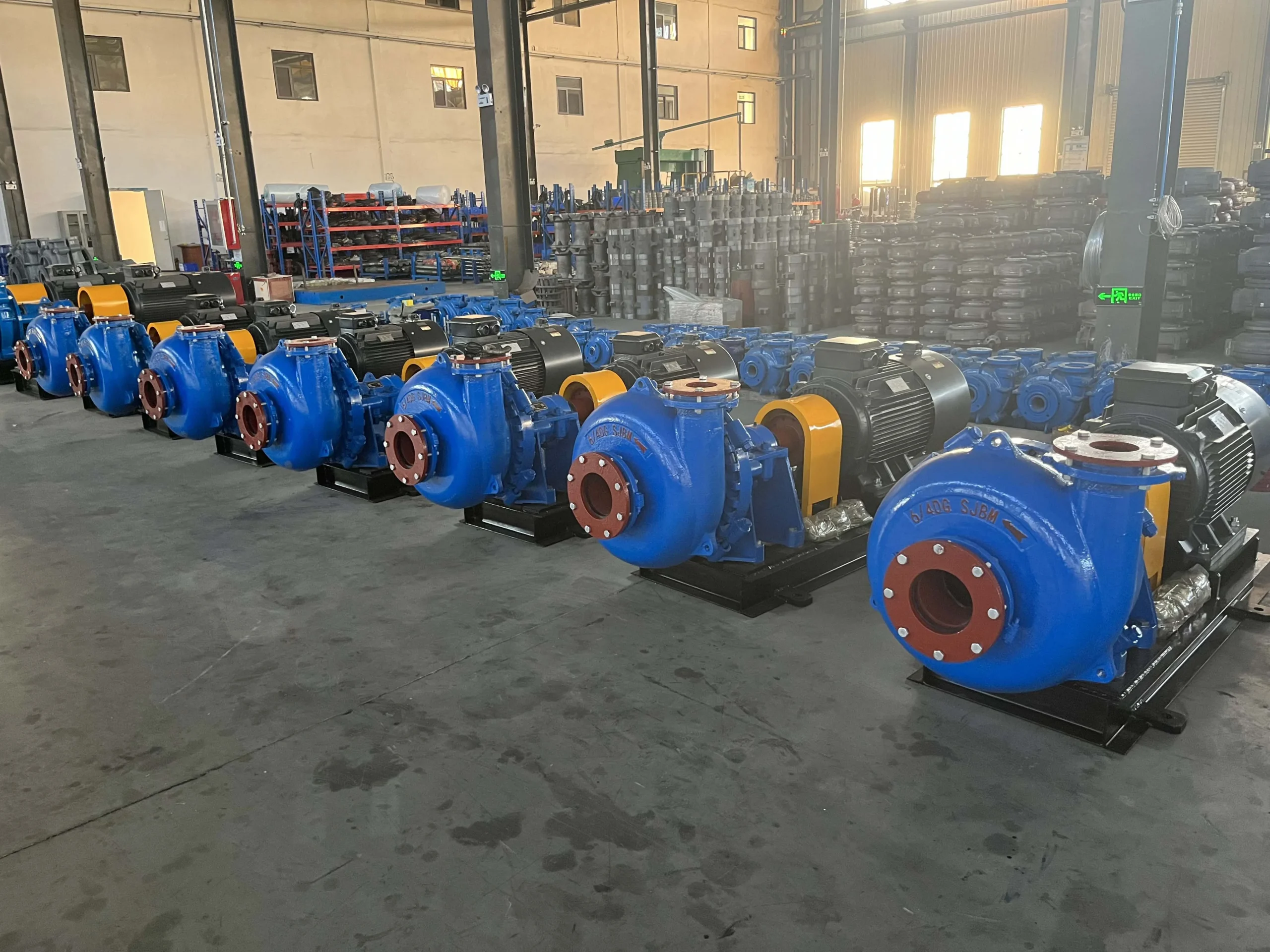
In the demanding world of industrial mineral processing and wastewater management, selecting a reliable heavy duty slurry pump supplier is not merely a procurement decision but a strategic operational necessity. These specialized pumps are engineered to transport abrasive materials—ranging from mine tailings to chemical slurries—that would incinerate standard pumping equipment in a matter of hours. Understanding the nuances of metallurgy and hydraulic design is the only way to ensure long-term plant uptime.
Globally, the demand for robust slurry handling has surged as mining depths increase and industrial environmental regulations tighten. A professional heavy duty slurry pump supplier provides more than just hardware; they offer the engineering expertise required to balance flow rates against the corrosive nature of the media. Without this synergy, industries face catastrophic pipe bursts, premature impeller wear, and unsustainable maintenance costs.
By focusing on E-E-A-T principles—Experience, Expertise, Authoritativeness, and Trustworthiness—this guide explores how to identify the best partner for your fluid handling needs. From High Chrome alloys to specialized polyurethane linings, the right equipment ensures that your operation remains efficient, safe, and environmentally compliant while maximizing the lifecycle of every component.
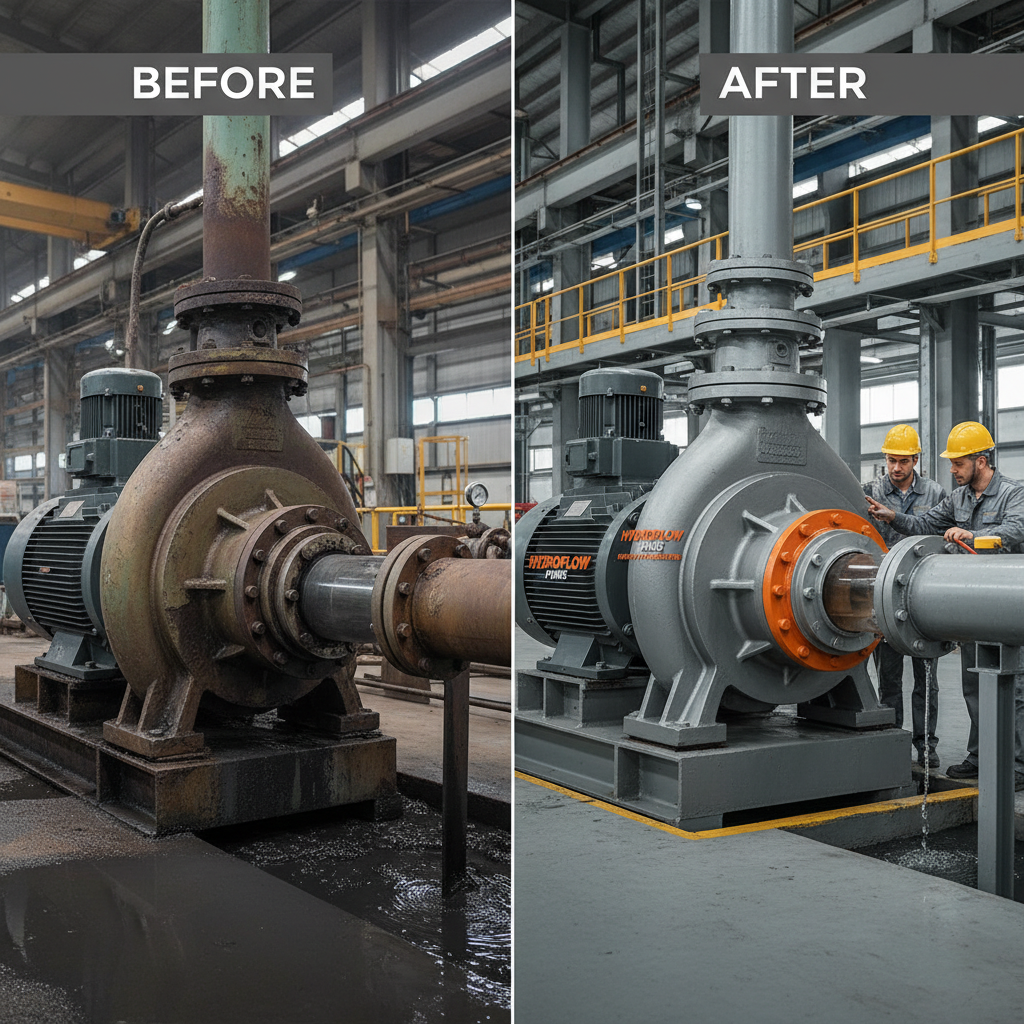
Global Industrial Context of Slurry Handling
The global industrial landscape is increasingly dependent on the movement of abrasive solids. According to international mining standards and ISO guidelines, the efficiency of tailings management is critical for preventing environmental disasters. A certified heavy duty slurry pump supplier plays a pivotal role in this ecosystem, providing the machinery that prevents sludge buildup and enables the sustainable extraction of critical minerals.
The primary challenge facing modern plants is the "abrasion-corrosion synergy," where chemical attacks weaken the metal surface, making it easier for particles to scrub the material away. This vicious cycle requires pumps designed with advanced materials like High Chrome or Natural Rubber to maintain structural integrity under extreme pressure.
Defining the Role of a Heavy Duty Slurry Pump Supplier
In simple terms, a heavy duty slurry pump supplier is a specialized engineering partner that provides pumps designed to handle "slurries"—mixtures of solids and liquids. Unlike standard water pumps, these machines must withstand constant erosion from sand, gravel, and ore. They are the heartbeat of mineral processing plants, dredging operations, and chemical refineries.
Beyond the hardware, these suppliers act as consultants who analyze the specific gravity, particle size distribution, and pH levels of the fluid. For instance, choosing between a ZGB Heavy Duty Slurry Pump for coarse gravel or a SHR Rubber Lined pump for acidic waste depends entirely on the chemical interaction between the medium and the pump liner.
In today's humanitarian and environmental context, these suppliers are essential for flood control and disaster relief, where pumping thick mud and debris is the only way to reclaim urban areas after catastrophic weather events. Their ability to deliver rapid, high-capacity solutions directly impacts community recovery speeds.
Core Components for Maximum Pump Durability
The durability of a system provided by a heavy duty slurry pump supplier hinges on the selection of wear-resistant materials. High Chrome alloys are typically used for high-impact, coarse particles, while Natural Rubber or Polyurethane is preferred for fine, abrasive slurries that require elasticity to absorb energy.
Scalability is another critical factor. A top-tier heavy duty slurry pump supplier ensures that pumps—such as the SV(R) Vertical Sump Pump or the ZJ High Pressure series—can be integrated into existing pipelines without requiring a total system redesign, allowing for capacity expansion as production grows.
Finally, cost efficiency is achieved not through the lowest initial price, but through the Total Cost of Ownership (TCO). This involves optimizing the Mean Time Between Failures (MTBF) by utilizing precision-engineered pump parts and modular designs that allow for rapid impeller replacement, reducing expensive downtime.
Performance Metrics and Efficiency Analysis
When evaluating a heavy duty slurry pump supplier, technical benchmarks like NPSH (Net Positive Suction Head) and hydraulic efficiency are paramount. A pump that operates far from its Best Efficiency Point (BEP) will experience accelerated wear and increased energy consumption, leading to higher operational costs.
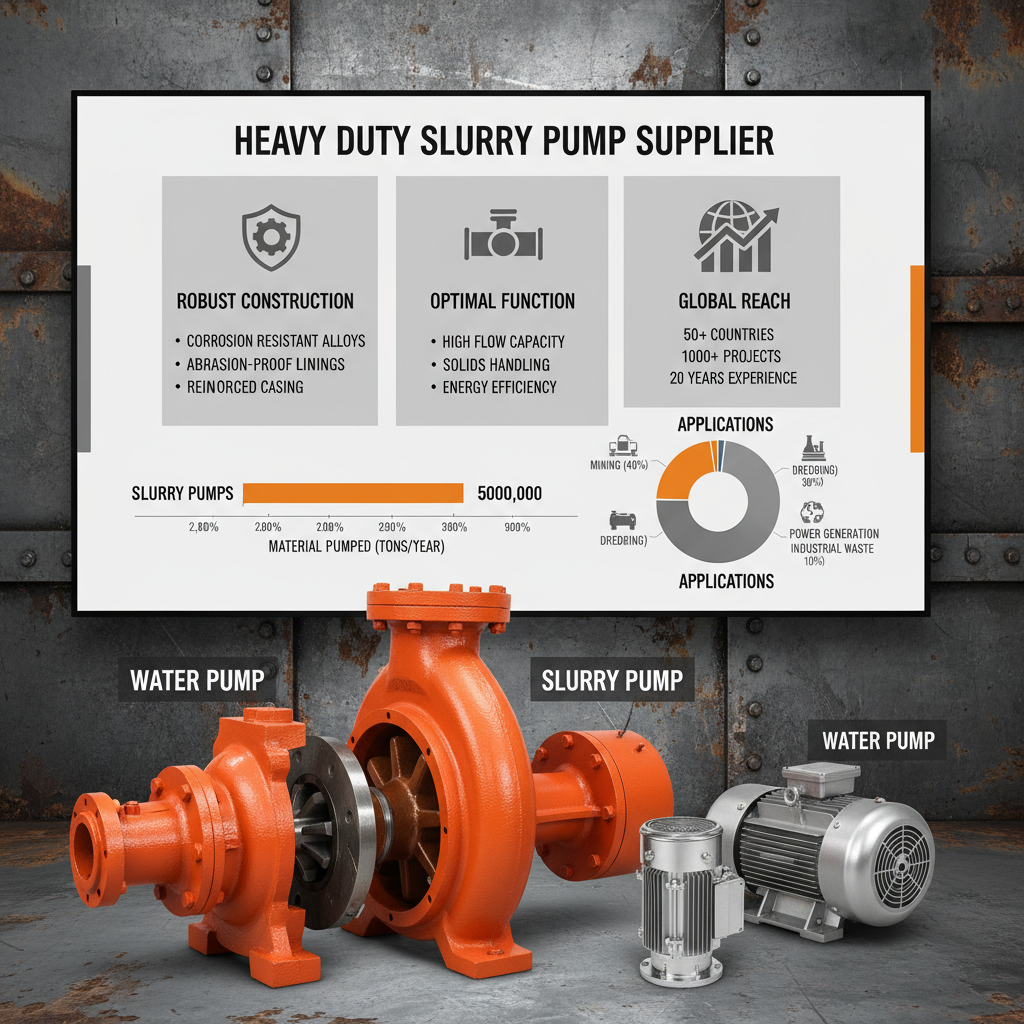
The following analysis compares different material configurations typically offered by leading suppliers to demonstrate how material choice impacts the lifespan and efficiency of the equipment.
Material Durability Comparison for Heavy Duty Slurry Pump Supplier Options
Global Applications Across Diverse Industries
The expertise of a heavy duty slurry pump supplier is applied across a vast spectrum of industries. In the mining sectors of Australia and Chile, S(H)G Sand Gravel Pumps are essential for moving raw ore from the pit to the crusher. Meanwhile, in Southeast Asian dredging projects, these pumps are used to transport seabed sediments for land reclamation.
In more specialized industrial zones, such as chemical plants in Germany or wastewater facilities in the US, the SF Vertical Froth Pump or the STC Vertical Non-Clog Pump are used to handle toxic slurries. These applications require strict adherence to safety standards to prevent leaks that could lead to environmental contamination or workplace hazards.
Long-Term Economic and Operational Value
Investing in a premium heavy duty slurry pump supplier provides tangible economic benefits through reduced energy consumption and minimized maintenance cycles. When a pump is correctly matched to the slurry's viscosity and particle size, the power draw is optimized, directly lowering the electricity bill for large-scale operations.
Beyond the balance sheet, there is the critical element of reliability and trust. A pump failure in a remote mining site can cost tens of thousands of dollars per hour in lost production. The peace of mind that comes from knowing the equipment is backed by a supplier with a robust spare parts inventory—such as MD(R) Mill Underflow Pump parts—is invaluable.
Furthermore, the shift towards sustainable mining encourages the use of high-efficiency pumps that reduce the carbon footprint of mineral processing. By enhancing the solids concentration in the slurry, operators can move more material with less water, promoting water conservation in arid regions.
Future Innovations in Slurry Technology
The future of the heavy duty slurry pump supplier industry is being shaped by the digital transformation. IoT-enabled sensors are now being integrated into pump housings to monitor vibration, temperature, and wear in real-time. This transition from reactive to predictive maintenance allows operators to replace a liner just before it fails, rather than after a breakdown.
Material science is also evolving, with the introduction of ceramic-metal composites and nano-coatings that offer unprecedented resistance to both abrasion and corrosion. These innovations are making it possible to handle increasingly aggressive slurries that were previously considered "unpumpable."
Automation is another key trend, where variable frequency drives (VFDs) are used to adjust pump speed dynamically based on the slurry density. This not only extends the life of the pump but ensures that the pipeline remains in a state of turbulent flow, preventing the settling of solids and subsequent clogging.
Comparison of Slurry Pump Technologies by Application
| Pump Series |
Primary Material |
Wear Resistance |
Typical Application |
| ZGB Heavy Duty |
High Chrome |
Extreme |
Mining Tailings |
| SHR Rubber Lined |
Natural Rubber |
High |
Acidic Slurries |
| S(H)G Sand Gravel |
Chrome Alloy |
Very High |
Dredging/Sand |
| SV(R) Vertical |
Stainless/Rubber |
Medium |
Sump Drainage |
| ZJ High Pressure |
Hard Metal |
Extreme |
Deep Pit Dewatering |
| SL(R) Light Duty |
Polyurethane |
Medium |
Fine Particle Waste |
FAQS
Choosing the right material depends on the nature of the slurry. For coarse, high-impact particles (like crushed rock), high chrome alloys are best due to their hardness. For fine, abrasive particles or chemically corrosive fluids, natural rubber or polyurethane linings are recommended as they offer better resilience and chemical resistance. A professional heavy duty slurry pump supplier will typically request a sample of your material to perform a wear test before recommending a specific alloy or liner.
Lifespan varies wildly based on the slurry concentration and velocity. In extreme mining environments, an impeller might last from a few weeks to several months. However, by utilizing a heavy duty slurry pump supplier that provides high-grade hard metal or chrome components and ensuring the pump operates at its Best Efficiency Point (BEP), you can significantly extend this interval and reduce the frequency of shutdowns.
Yes, specific models like the ZJ High Pressure Slurry Pump are designed exactly for this. These pumps feature reinforced casings and specialized seals to handle high head requirements, such as pumping slurry up steep inclines or from deep underground pits. It is essential to verify the pressure ratings with your supplier to avoid casing failure under high-load conditions.
Horizontal pumps are generally used for main transport lines and offer easier access for maintenance. Vertical pumps, such as the SV(R) series, are ideal for sump applications where the pump must be submerged or where floor space is limited. The choice depends on your site layout and whether the slurry is being pushed from a tank or pulled from a pit.
The most effective way is to install Variable Frequency Drives (VFDs) to match the pump speed to the actual flow requirement. Additionally, ensuring that the pipe diameter is correctly sized to maintain the "critical carrying velocity" prevents solids from settling, which reduces friction and power consumption. Consult your heavy duty slurry pump supplier for a full hydraulic audit.
Regularly monitoring the vibration levels and the thickness of the liner is key. Lubricating bearings according to the manufacturer's schedule and checking the seal water pressure prevents abrasive particles from entering the bearing housing. Using genuine pump parts from a trusted supplier ensures that tolerances remain tight, preventing internal leakage and premature wear.
Conclusion
Selecting a competent heavy duty slurry pump supplier is a fundamental pillar of industrial efficiency. By integrating high-performance materials like high chrome and natural rubber with advanced hydraulic designs, companies can drastically reduce their downtime and operational overhead. The synergy between the right equipment—whether it be a ZGB Heavy Duty or an SV(R) Vertical pump—and a rigorous maintenance strategy ensures that even the most abrasive media can be handled safely and sustainably.
As we move toward an era of Industry 4.0, the integration of predictive analytics and sustainable material science will further redefine the boundaries of slurry handling. We encourage plant managers and engineers to look beyond the initial purchase price and prioritize the long-term reliability and technical support provided by their partners. For those seeking robust, engineered solutions to their most challenging fluid handling problems, visit our website: www.qualityslurrypump.com