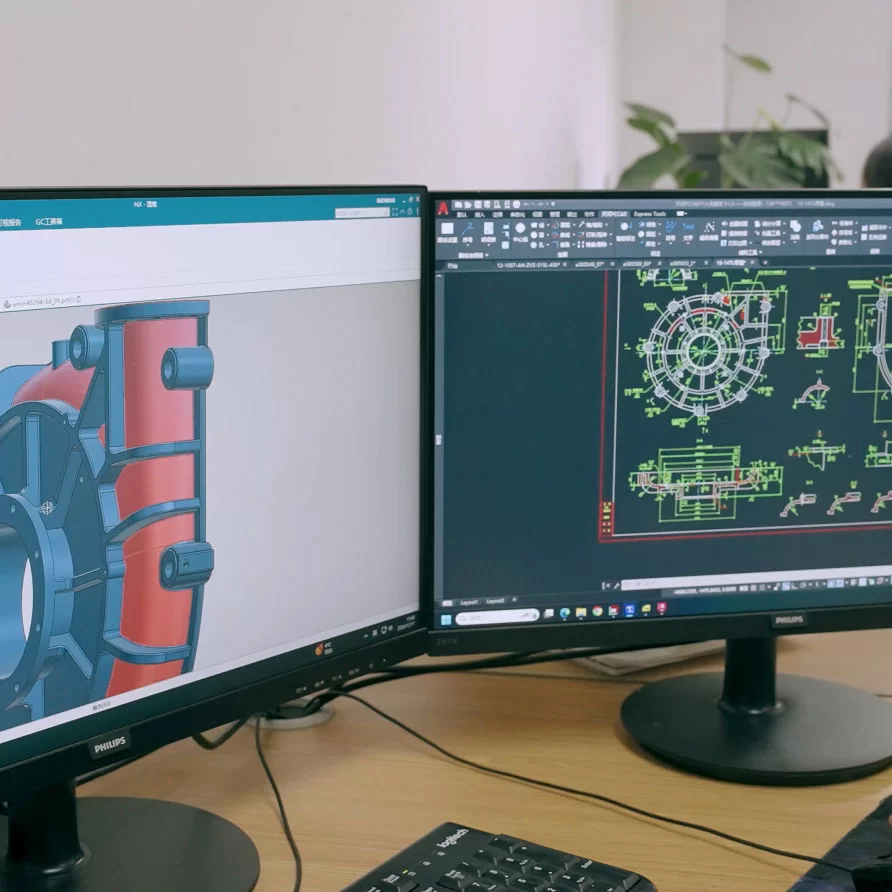
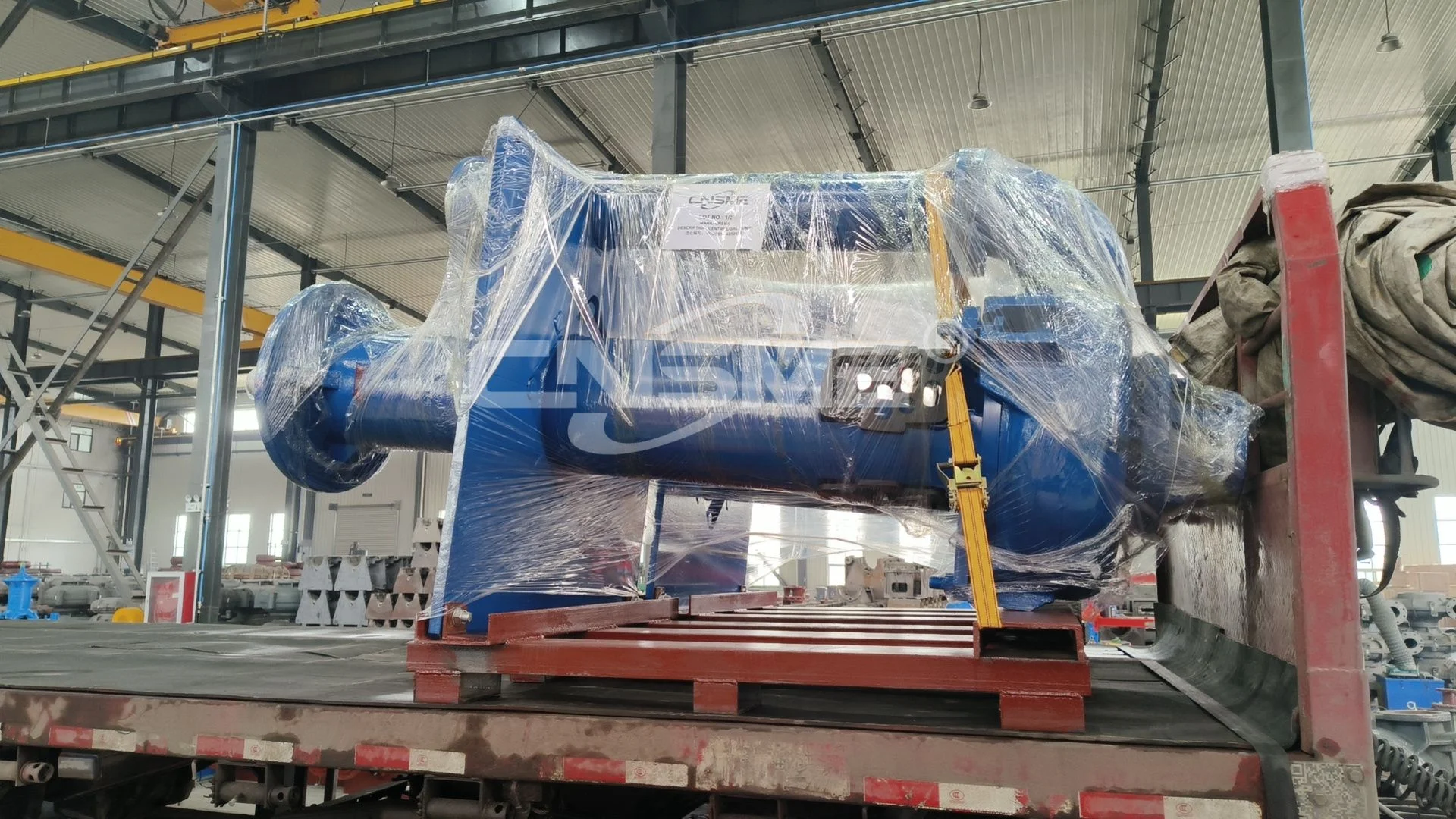
Maintaining the operational efficiency of heavy-duty slurry equipment requires a strategic approach to maintenance, where the quality of warman pump replacement parts plays a pivotal role. In the demanding environments of mining and mineral processing, the continuous abrasion of slurry leads to inevitable wear, making the availability of high-precision components essential for avoiding costly unplanned downtime.
Across the global industrial landscape, the reliance on standardized yet high-performance slurry pumps has created a significant market for compatible replacement components. By utilizing premium warman pump replacement parts, operators can extend the mean time between failures (MTBF), ensuring that production targets are met without compromising the structural integrity of the pumping system.
Ultimately, understanding the nuance between various material grades—such as high chrome, natural rubber, and polyurethane—allows engineers to optimize their equipment for specific slurry densities and chemical compositions. Investing in the right warman pump replacement parts is not merely a repair necessity but a calculated financial decision to lower the total cost of ownership over the equipment's lifecycle.
Global Relevance of Warman Pump Replacement Parts
The global demand for minerals and metals has surged, placing unprecedented pressure on the infrastructure used to transport tailings and ore slurries. In this context, warman pump replacement parts have become essential commodities for mining operations from the Atacama Desert in Chile to the iron ore mines of Western Australia. According to ISO standards for wear-resistant materials, the precision of these parts directly correlates to the energy efficiency of the entire pumping station.
The primary challenge facing the industry is the volatility of material costs and the risk of supply chain disruptions. When a critical impeller or liner fails, the resulting production halt can cost operators tens of thousands of dollars per hour. Consequently, the strategic stockpiling of high-grade warman pump replacement parts is now a standard risk-management practice for global mining conglomerates.
Defining Precision in Slurry Pump Components
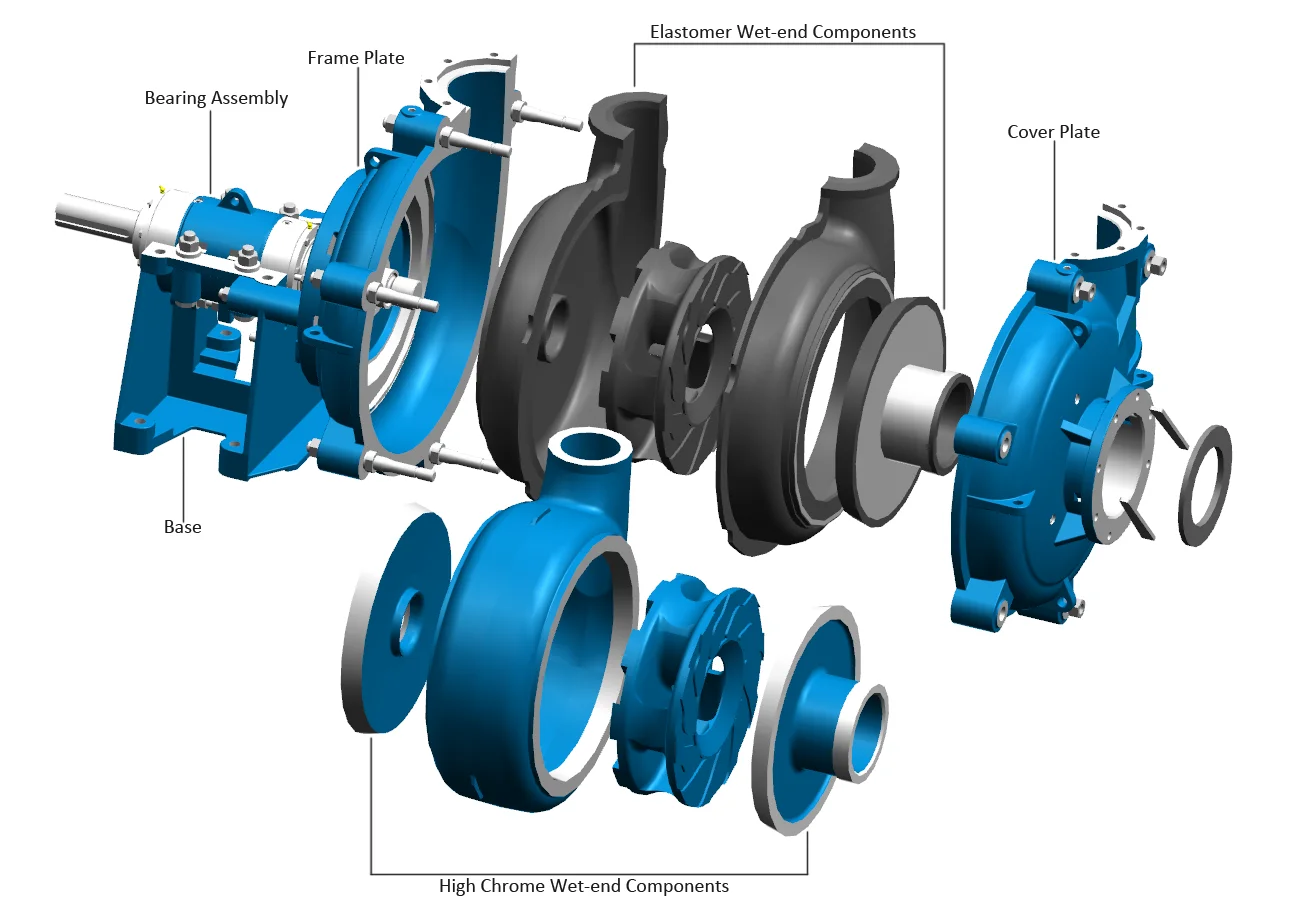
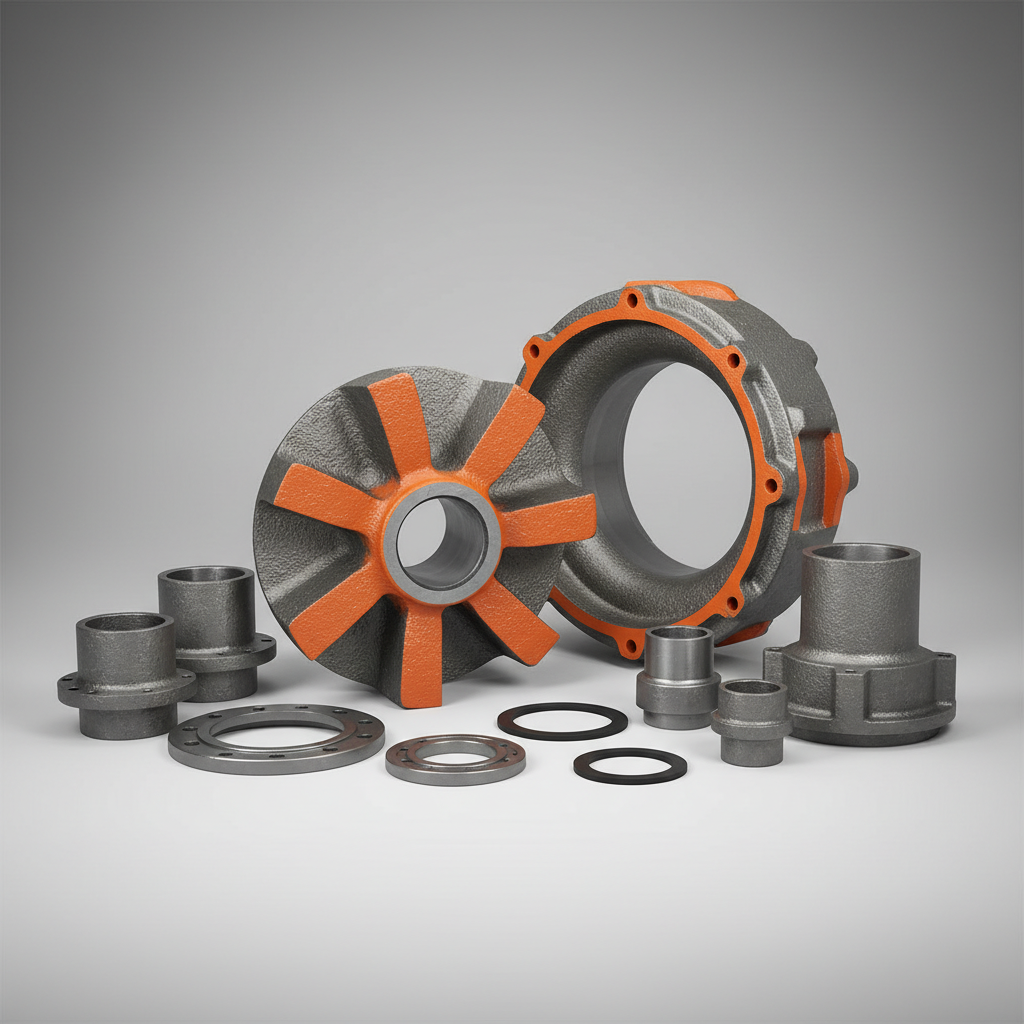
In simple technical terms, warman pump replacement parts refer to the consumable and structural components—such as impellers, liners, throat bushings, and seals—designed to fit seamlessly into Warman-style centrifugal slurry pumps. These parts are engineered to withstand extreme abrasion and corrosion, serving as the "sacrificial" layer that protects the pump's main housing from the destructive force of abrasive particles.
Beyond the mechanical definition, these components represent the intersection of metallurgy and fluid dynamics. The ability to replace a worn impeller with a precisely machined part ensures that the pump maintains its intended hydraulic curve, preventing cavitation and reducing the load on the motor. This precision is vital for humanitarian and industrial projects, such as wastewater management in developing urban areas, where pump reliability is a matter of public health.
Modern industry now views these replacements not as mere spares, but as opportunities for optimization. By selecting specific materials—like transitioning from standard high chrome to a specialized polyurethane lining—operators can tailor their warman pump replacement parts to the specific pH levels and particle sizes of their medium, effectively "tuning" the machine for maximum longevity.
Core Factors Affecting Component Durability
Material composition is the first and most critical factor when selecting warman pump replacement parts. High Chrome (27% Cr) alloys are typically preferred for high-impact, abrasive slurries, providing a hard surface that resists scratching and gouging. Conversely, natural rubber is the gold standard for finer, more corrosive particles where elasticity allows the material to absorb the impact of the slurry.
The precision of the fit is another non-negotiable aspect. If warman pump replacement parts are manufactured with loose tolerances, "bypass" occurs, where slurry leaks between the impeller and the liner. This creates localized high-velocity currents that accelerate wear exponentially, leading to premature failure of the very parts intended to protect the pump.
Finally, operational scalability and cost-efficiency must be balanced. While exotic alloys may offer longer lifespans, the total cost of ownership is often lower when using high-quality, standardized warman pump replacement parts that are easier to source and replace quickly. This allows for a predictable maintenance schedule rather than relying on a few ultra-expensive components that are difficult to replace.
Performance Metrics for Replacement Materials
Evaluating the effectiveness of warman pump replacement parts requires a data-driven approach. By comparing the wear rates of different materials—such as High Chrome vs. Polyurethane—operators can determine the ideal replacement interval. This quantitative analysis helps in shifting from reactive maintenance to predictive maintenance, significantly reducing the risk of catastrophic failure.
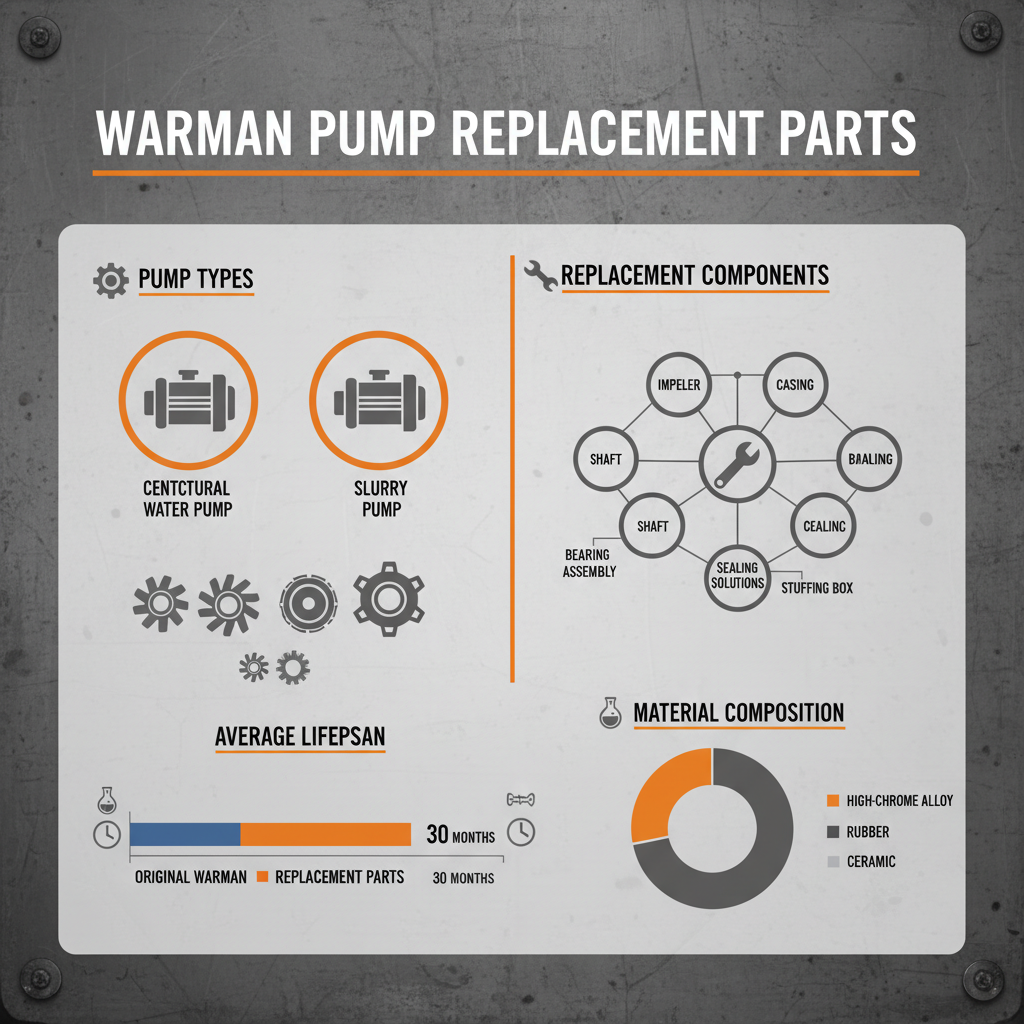
The following chart illustrates the relative performance ratings of common materials used in warman pump replacement parts across different industrial environments, emphasizing how the choice of material impacts the overall rating of the pump's reliability.
Material Efficiency Rating for Warman Pump Replacement Parts
Industrial Applications Across Global Mining Zones
The deployment of warman pump replacement parts varies significantly by region. In the copper mines of Africa, where ore is often highly abrasive, there is a heavy reliance on high-chrome impellers and liners to sustain operations. In contrast, gold processing plants in North America often utilize polyurethane components to handle the chemical additives used in leaching processes, which would otherwise corrode standard alloys.
Moreover, these parts are critical in remote industrial zones where logistics are a nightmare. In the Arctic regions of Canada or the remote islands of Indonesia, the ability to use standardized warman pump replacement parts means that site engineers can perform swaps without needing heavy machinery or external consultants, maintaining operational continuity in the most hostile environments on Earth.
Long-Term Value and Sustainability Benefits
From a financial perspective, the use of premium warman pump replacement parts offers a superior return on investment (ROI). While lower-cost alternatives may seem attractive initially, their shorter lifespan leads to more frequent replacements, increased labor costs, and higher risks of catastrophic pump failure. By investing in high-spec components, companies reduce their operational expenditures (OPEX) over the long term.
Sustainability is another key driver. Longer-lasting warman pump replacement parts mean fewer components are sent to landfills and less energy is consumed in the manufacturing and shipping of spares. This aligns with the "Green Mining" initiatives currently being adopted by global organizations to reduce the environmental footprint of mineral extraction.
Beyond the numbers, there is the human element of safety and trust. A pump that fails unexpectedly can lead to slurry spills or mechanical accidents. Using certified, high-quality warman pump replacement parts provides peace of mind to the maintenance crews, knowing that the equipment is stable and the risk of unplanned rupture is minimized.
Future Trends in Slurry Pump Engineering
The future of warman pump replacement parts is being shaped by the digital transformation of the industry. We are seeing the integration of "Smart Wear" sensors embedded within the liners, allowing operators to monitor the thickness of the material in real-time. This transition from scheduled replacement to condition-based replacement will eliminate unnecessary downtime and optimize the use of spares.
Advances in material science are also introducing ceramic-metal composites and 3D-printed alloy components. These innovations allow for the creation of warman pump replacement parts with complex internal geometries that optimize flow and further reduce wear. This "generative design" approach ensures that the material is placed only where the stress is highest, reducing weight and cost.
As automation increases, the trend is moving toward modular replacement systems. Imagine a pump where warman pump replacement parts can be swapped by robotic arms with zero human intervention. This would not only increase safety but also ensure that the alignment is perfect every time, maximizing the lifespan of the new components.
Technical Analysis of Material Selection for Warman Pump Replacement Parts
| Material Type |
Primary Application |
Abrasion Resistance |
Corrosion Resistance |
| High Chrome Alloy |
Hard Rock Slurry |
Excellent |
Moderate |
| Natural Rubber |
Fine Sand/Tailings |
Good |
Excellent |
| Polyurethane |
Acidic Slurries |
Very High |
High |
| Stainless Steel |
Chemical Processing |
Moderate |
Superior |
| Ceramic Liners |
Extreme Abrasives |
Extreme |
High |
| Hard Metal Alloy |
Heavy Duty Mining |
Extreme |
Moderate |
FAQS
The best approach is to monitor the pump's discharge pressure and flow rate. A significant drop in efficiency usually indicates that the impeller or liners have worn down. We recommend performing a physical inspection of the throat bushing every 3 months and using a wear-log to predict the replacement date based on your specific slurry density.
Yes, in many cases, a hybrid approach is optimal. For example, using a High Chrome impeller for impact resistance combined with Rubber liners for corrosion resistance in the casing can extend the overall life of the pump. However, always ensure the components are compatible in terms of fit and tolerance.
OEM parts are made by the original manufacturer, while high-quality aftermarket parts are produced by specialized factories. The key is the metallurgical certification. Premium aftermarket parts often match or exceed OEM specs in hardness and durability while offering significant cost savings and faster delivery times.
Lifespan varies wildly based on the application. In low-abrasion tailings, they may last over a year. In high-concentration gold or iron ore slurry, they may need replacement every 3 to 6 months. Regular monitoring of the pump's performance curve is the only way to determine the exact lifespan for your specific site.
Polyurethane generally offers better abrasion resistance and higher tear strength than natural rubber. It is also more resistant to certain oils and chemicals. However, natural rubber is often better for very fine particles that can "embed" into the rubber, creating a protective cushion.
Avoid running the pump "dry" or with too little slurry, as this causes cavitation and rapid erosion. Ensure the pump is operating at its Best Efficiency Point (BEP). Finally, always check the alignment of the pump and motor to prevent vibration, which can cause uneven wear on the internal components.
Conclusion
In summary, the strategic selection and maintenance of warman pump replacement parts are fundamental to the operational success of any slurry-handling facility. By balancing material science—ranging from the hardness of high chrome to the elasticity of natural rubber—with precision engineering, operators can significantly reduce downtime and lower their total cost of ownership. The shift toward predictive maintenance and smart materials ensures that these pumps remain the workhorses of the global mining and industrial sectors.
Looking forward, the integration of digital monitoring and advanced composite materials will redefine the lifecycle of slurry equipment. We encourage facility managers to move beyond simple "like-for-like" replacements and instead analyze their specific wear patterns to optimize their component choices. For those seeking high-performance, durable, and cost-effective solutions, investing in precision-engineered components is the most reliable path to industrial longevity. Visit our website for more information: www.qualityslurrypump.com



-1-20260416061013.webp "Optimizing Slurry Pump Performance with Durable Cover Plate Solutions")