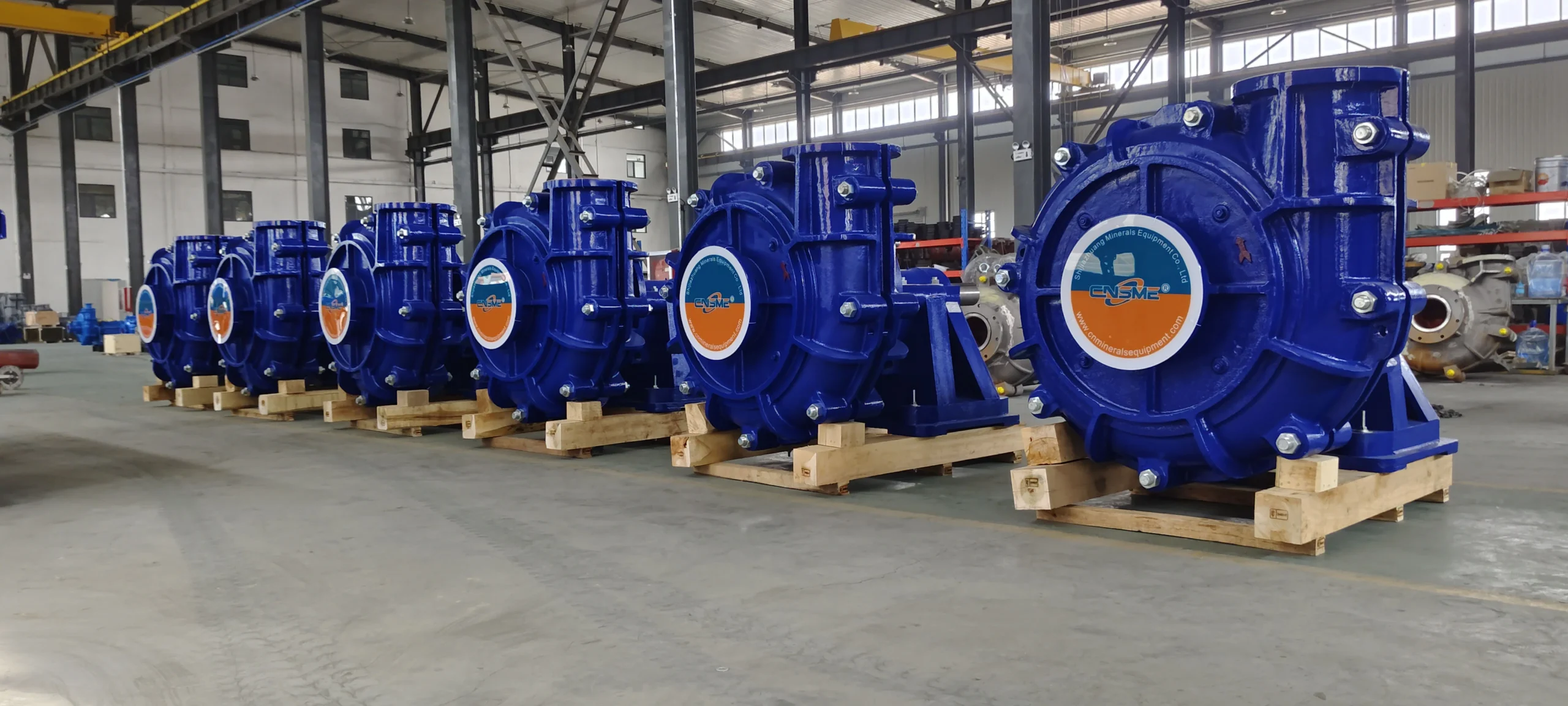
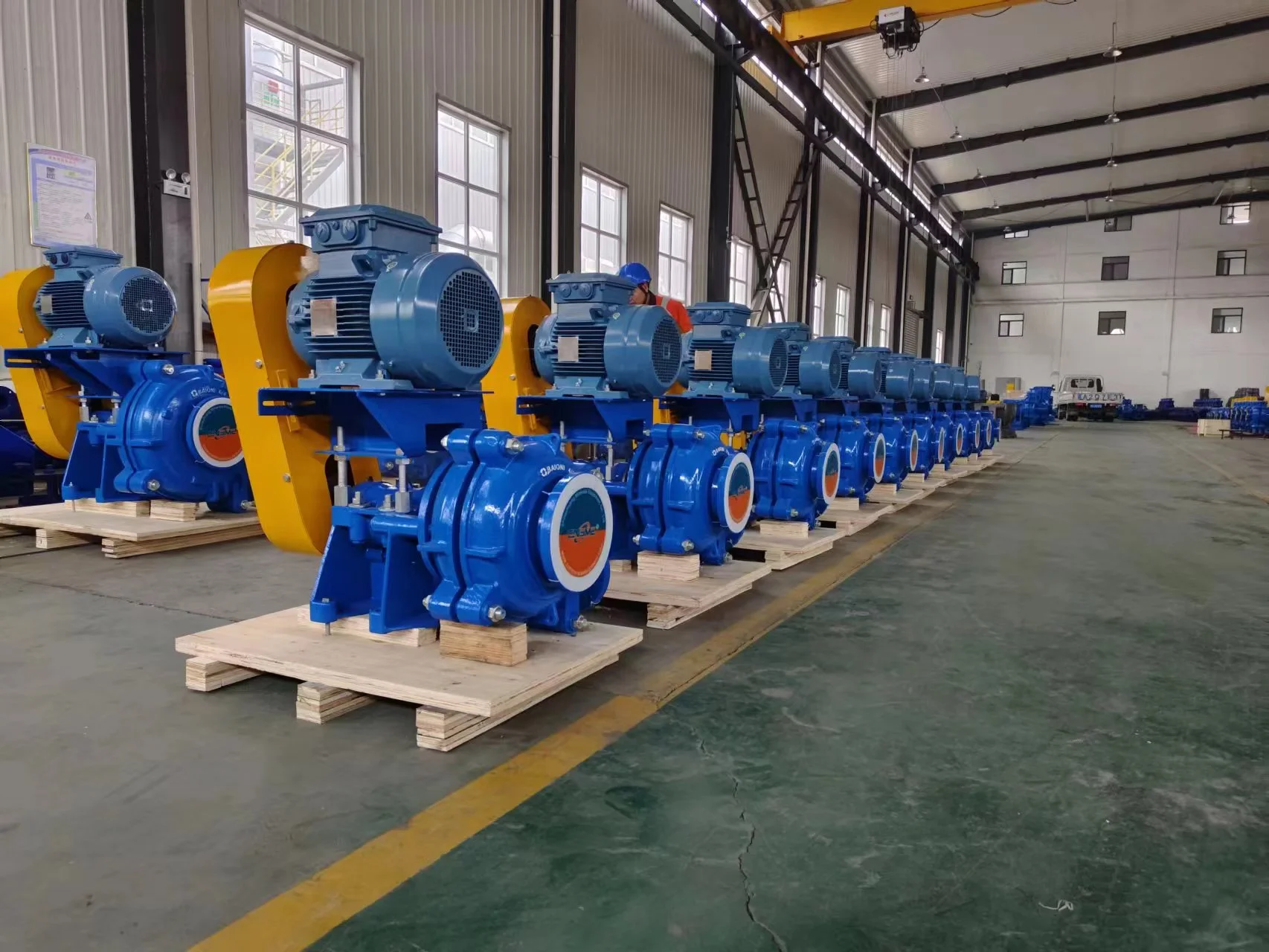
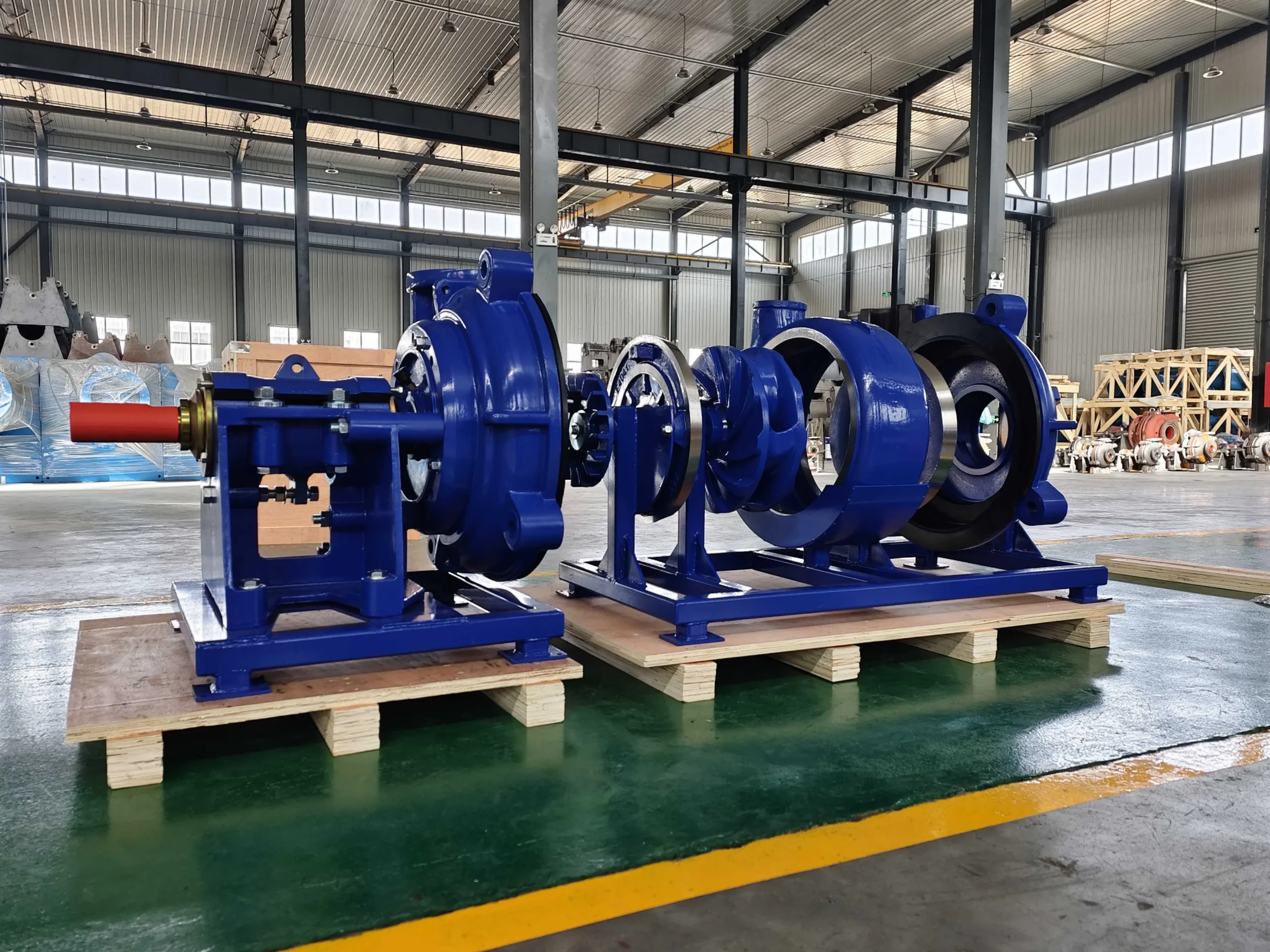
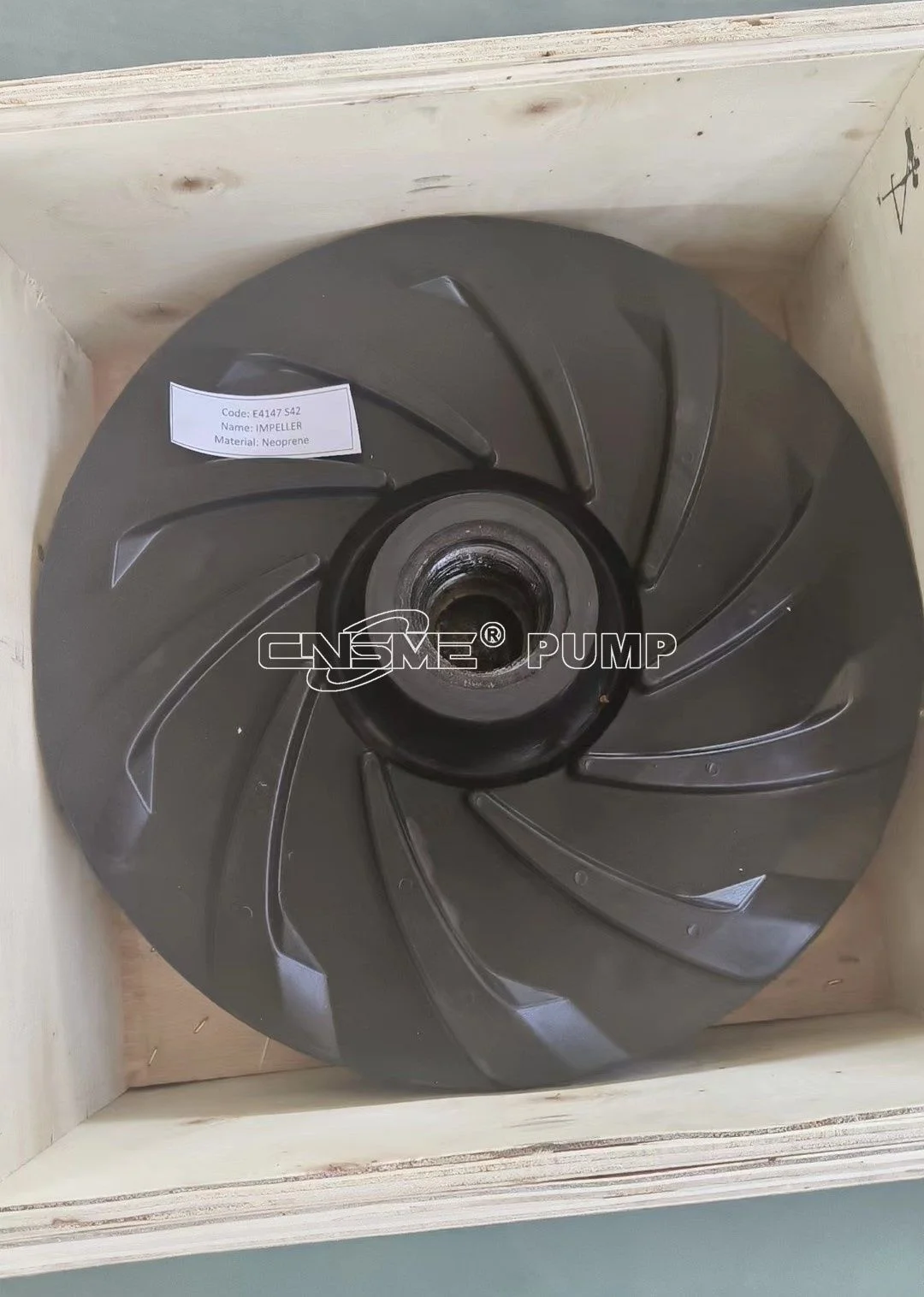
In the demanding world of industrial mineral processing and wastewater management, the double casing slurry pump stands as a critical piece of engineering designed to handle the most abrasive and corrosive fluids. By incorporating a dual-wall structure, these pumps provide an essential layer of protection that ensures operational continuity in environments where standard pumps would fail within weeks.
The global shift toward more efficient mining practices and stricter environmental regulations has increased the demand for equipment that minimizes leakage and maximizes uptime. A double casing slurry pump addresses these challenges by isolating the primary wear components from the external environment, thereby reducing the risk of catastrophic failure and hazardous spills.
Understanding the technical nuances of these systems—from material selection to pressure management—is vital for plant managers and engineers seeking to optimize their Total Cost of Ownership (TCO). By investing in double-casing technology, industries can achieve a seamless balance between high-volume throughput and long-term structural integrity.
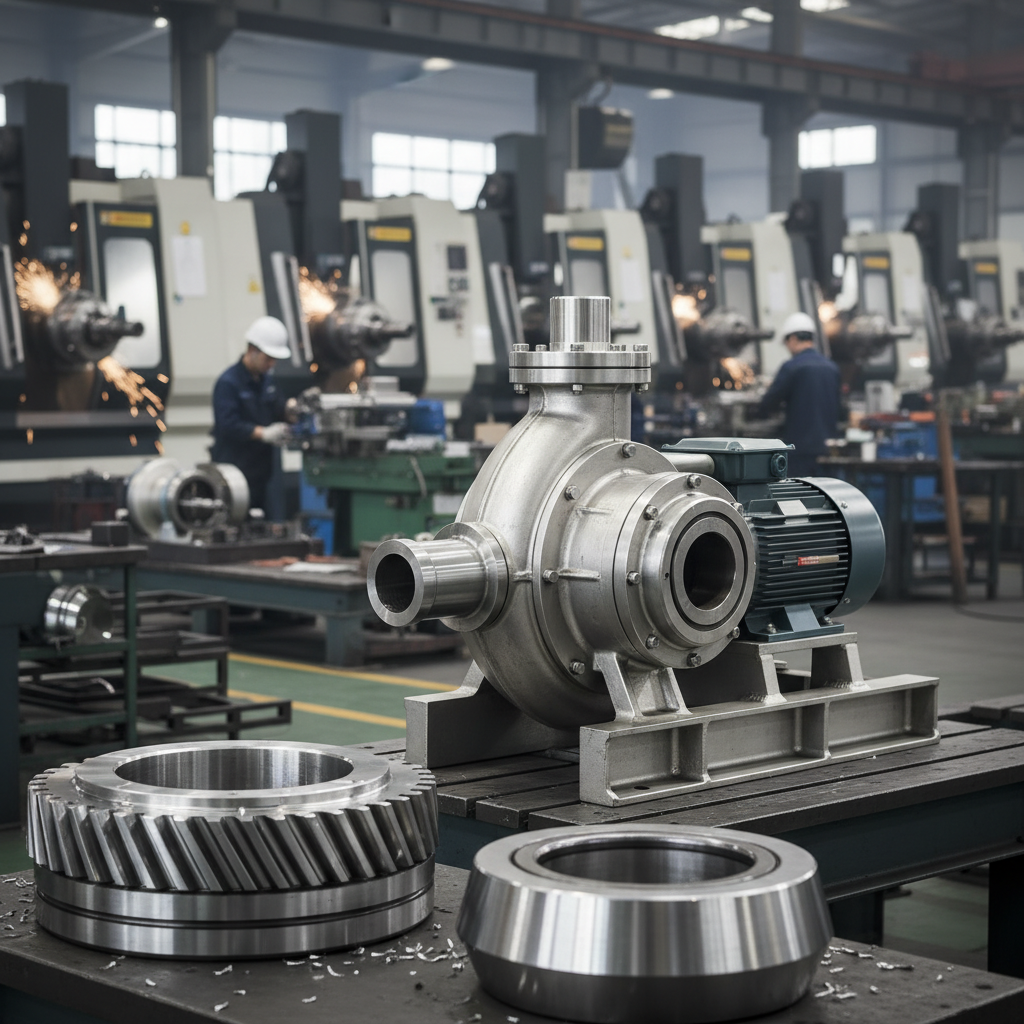
Engineering Principles of Double Casing Slurry Pumps
The fundamental design of a double casing slurry pump revolves around the concept of redundancy and containment. Unlike single-wall pumps, the double casing provides a secondary barrier that captures any leakage from the internal liner. This design is particularly effective when transporting highly acidic or toxic slurries, as it prevents the fluid from coming into direct contact with the main pump frame.
From a hydraulic perspective, the outer casing also acts as a cooling jacket or a stabilization chamber, reducing the thermal stress on the internal components. This architectural choice significantly extends the mean time between failures (MTBF), making it the gold standard for heavy-duty industrial applications where downtime costs thousands of dollars per hour.
The Global Industry Impact and Demand
Globally, the mining and mineral processing sectors are facing unprecedented pressure to increase yields while reducing environmental footprints. According to ISO standards for pumping systems, the containment of hazardous materials is a priority, and the double casing slurry pump is the primary solution for meeting these stringent safety requirements. In regions like Australia, Canada, and Chile, these pumps are indispensable for tailings management.
The challenge lies in the abrasive nature of the materials—ranging from gold ore to iron tailings—which act like liquid sandpaper on the equipment. Conventional pumps often suffer from "casing burn-through," where the slurry eats through the metal shell. The double casing design mitigates this risk, ensuring that the structural integrity of the pump remains intact even when the inner liner requires replacement.
Furthermore, the rise of urban infrastructure projects and dredging operations in Southeast Asia has spiked the demand for high-pressure slurry handling. The reliability offered by a double casing slurry pump ensures that large-scale projects can proceed without frequent interruptions caused by pump leakage or catastrophic casing failure.
Core Components for Maximum Durability
To achieve industrial-grade reliability, the double casing slurry pump utilizes high-chrome alloys and specialized rubbers. The inner liner is typically made from High Chrome (27% Cr) to resist abrasion, while the outer casing provides the necessary structural rigidity to withstand high internal pressures.
A critical aspect of the double casing slurry pump is the sealing mechanism. Advanced mechanical seals or gland packing are used in conjunction with the double-wall design to create a virtually leak-proof environment, which is essential for transporting corrosive chemicals in chemical processing plants.
Finally, the impeller geometry in a double casing slurry pump is optimized to reduce turbulence and cavitation. By smoothing the flow of abrasive particles, the pump reduces internal wear and increases the overall energy efficiency of the slurry transport system.
Performance Metrics and Efficiency Analysis
Evaluating the efficiency of a double casing slurry pump requires looking beyond simple flow rates. Key performance indicators (KPIs) include the wear-rate per 1,000 operating hours and the energy consumption per cubic meter of slurry moved. The double casing design allows for higher pressure ratings, enabling the pump to handle denser slurries without losing prime.
When comparing different configurations, the "Double Casing" approach consistently outperforms "Single Casing" in terms of safety and longevity. While the initial investment is higher, the reduction in unplanned maintenance and the avoidance of environmental cleanup costs make it the most economical choice over a 5-year lifecycle.
Comparative Performance of Slurry Pump Configurations
Real-World Applications Across Global Sectors
In the mining sector, specifically in the processing of copper and gold, the double casing slurry pump is used to transport thick underflow from thickeners to tailings dams. This application involves extremely high solid concentrations where any leak would lead to significant environmental contamination and potential regulatory fines.
Beyond mining, these pumps are vital in the power generation industry for fly ash removal. In remote industrial zones, where replacement parts are difficult to source quickly, the extended life of a double casing slurry pump ensures that power plants can operate continuously without risking a complete system shutdown.
Long-Term Value and Sustainability Benefits
The long-term value of adopting a double casing slurry pump is rooted in the concept of "Sustainable Engineering." By reducing the frequency of pump replacements, companies significantly lower their carbon footprint associated with the manufacturing and transport of heavy steel equipment.
From a logical angle, the reliability of these pumps translates to safer workplaces. The elimination of sudden casing ruptures protects operators from high-pressure slurry sprays, which can cause severe injuries. This commitment to safety fosters trust among the workforce and enhances the company's reputation.
Furthermore, the ability to operate at higher efficiencies means lower electricity consumption over the pump's lifetime. When scaled across a mining operation with dozens of pumps, the energy savings contribute directly to the bottom line and align with global ESG (Environmental, Social, and Governance) goals.
Future Innovations in Slurry Handling Technology
The future of the double casing slurry pump is being shaped by the integration of IoT (Internet of Things) and smart sensors. Future models will likely feature embedded acoustic sensors in the outer casing to detect the onset of liner wear before a leak occurs, moving maintenance from a reactive to a predictive model.
Material science is also evolving, with the introduction of ceramic-metal composites and nano-coatings that can be applied to the inner casing. These innovations aim to further decrease the friction coefficient, allowing the double casing slurry pump to move denser materials with even less energy.
Additionally, we are seeing a trend toward modularity. Next-generation double casing pumps will allow for the rapid swap of inner liners without dismantling the entire outer structure, reducing maintenance time from days to hours.
Technical Analysis of Double Casing Slurry Pump Variations
| Material Type |
Wear Resistance |
Corrosion Level |
Recommended Use |
| High Chrome Alloy |
9/10 |
Medium |
Hard Rock Mining |
| Natural Rubber |
7/10 |
High |
Acidic Slurries |
| Polyurethane |
8/10 |
Medium |
Fine Sand/Silt |
| Stainless Steel |
5/10 |
Very High |
Chemical Processing |
| Hard Metal Hybrid |
10/10 |
Low |
Extreme Abrasion |
| Ceramic Lined |
9/10 |
High |
Precision Slurries |
FAQS
The primary advantage is the added layer of security and durability. A double casing slurry pump provides a secondary containment wall that prevents slurry from leaking into the environment or damaging the pump's external frame if the inner liner wears through. This significantly increases safety and extends the overall life of the equipment.
Choice depends on the slurry characteristics. For highly abrasive particles (like quartz or iron ore), high chrome alloys are best. For corrosive chemicals or acidic slurries, natural rubber or polyurethane is recommended. If you face both extreme corrosion and abrasion, a hybrid metal-rubber lining is the ideal solution.
While the initial assembly is more complex, the actual maintenance frequency is much lower. Because the outer casing protects the structural integrity of the pump, you only need to replace the internal wear parts. Modern modular designs have further reduced the time required to swap liners in double casing systems.
Yes, absolutely. The double-wall construction is specifically designed to handle higher pressures than standard pumps. The outer casing reinforces the pump, allowing it to transport denser, high-viscosity slurries over longer distances without the risk of casing rupture.
Yes, when considering the Total Cost of Ownership (TCO). The reduction in unplanned downtime, lower frequency of full pump replacements, and the avoidance of environmental cleanup costs far outweigh the initial price premium. It is an investment in operational stability.
Inspection intervals vary by slurry density, but typically, a quarterly check is recommended. With the use of smart sensors, many operators now monitor pump vibration and flow rates in real-time to determine exactly when the liner has reached its wear limit.
Conclusion
The double casing slurry pump represents a critical evolution in industrial fluid handling, combining structural redundancy with high-performance materials to conquer the harshest environments. By prioritizing containment and durability, this technology not only protects the machinery but also ensures environmental safety and operational efficiency across the mining and chemical sectors.
As we move toward a future of smarter, greener industry, the integration of predictive maintenance and advanced composites will make these pumps even more indispensable. For any operation dealing with abrasive media, transitioning to a double casing system is a strategic move toward long-term sustainability and risk mitigation. Visit our website for more details: www.qualityslurrypump.com