Slurry Pump for Ash Handling: Heavy Duty Solution for Power Plants and Industrial Applications

  • Home
  • Top Blog
  • Slurry Pump for Ash Handling: Heavy Duty Solution for Power Plants and Industrial Applications
0%

Table of Contents

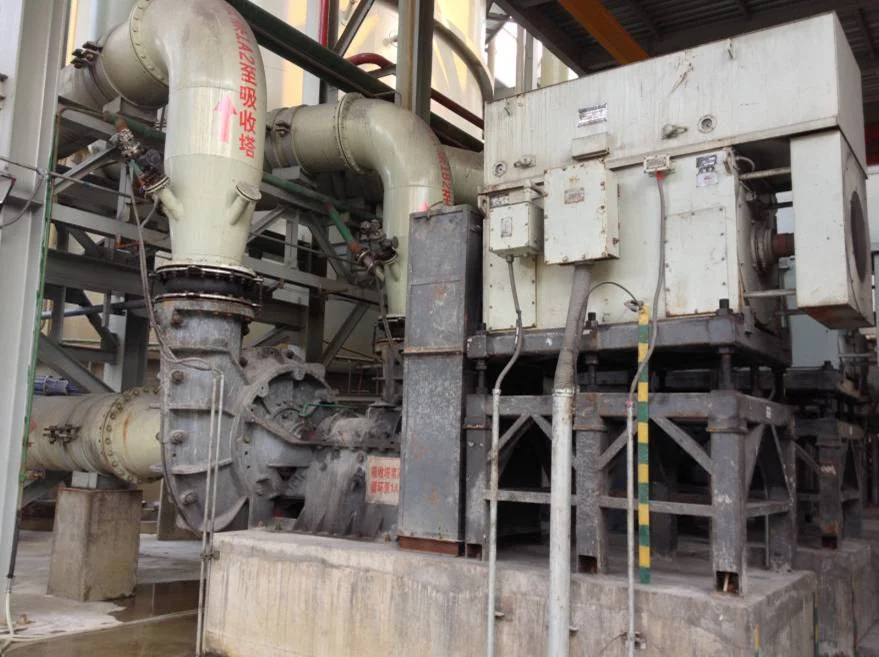
Coal-fired power plants and industrial combustion facilities generate large amounts of fly ash and bottom ash during operation. These ash slurries often contain abrasive particles that can accelerate wear on conventional pumps.

  • A reliable slurry pump for ash handling must provide:

  • High abrasion resistance

  • Stable hydraulic performance

  • Long wear part service life

  • Easy maintenance during continuous operation


Heavy-duty centrifugal slurry pumps are widely used for transporting ash slurry from boilers, ash ponds, settling tanks, and disposal systems.

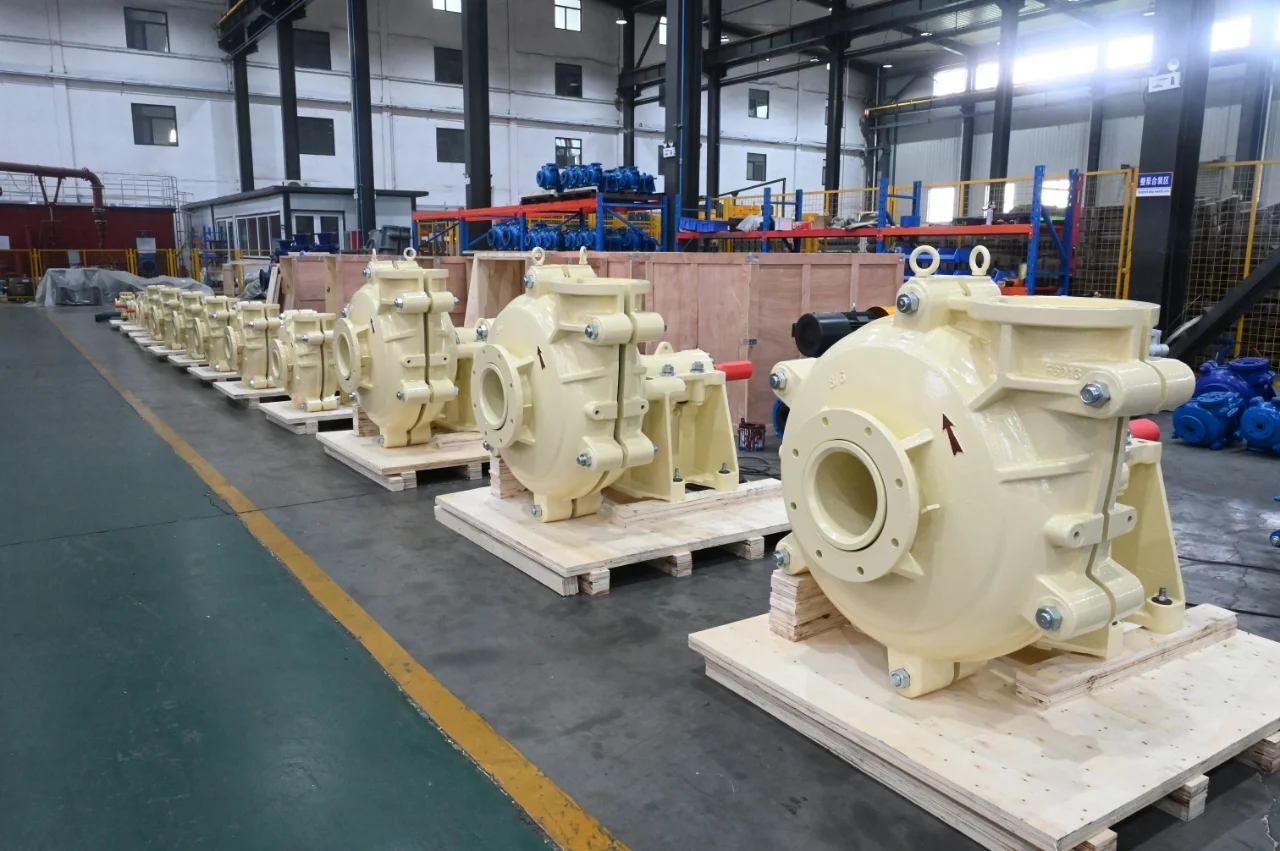
    

Engineering Design of Slurry Pump for Ash Handling


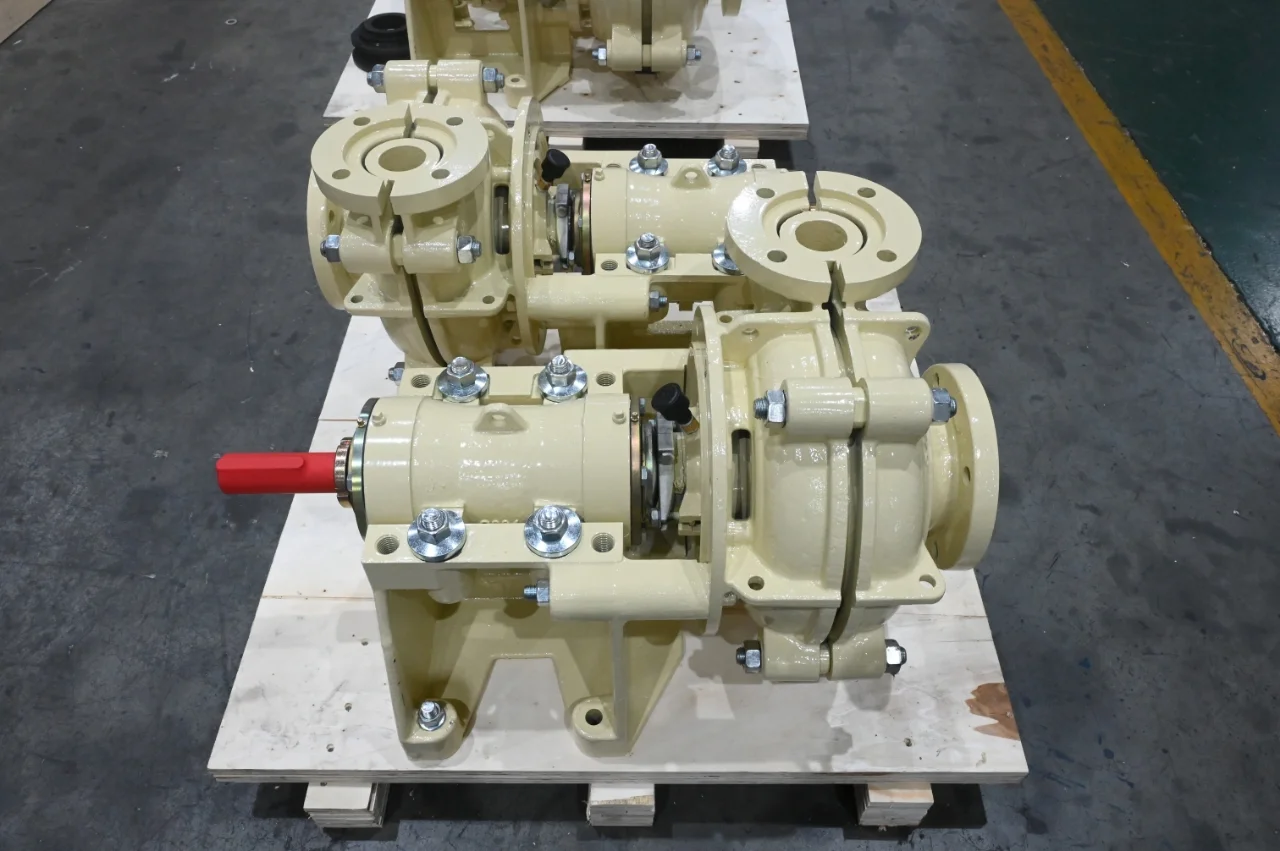
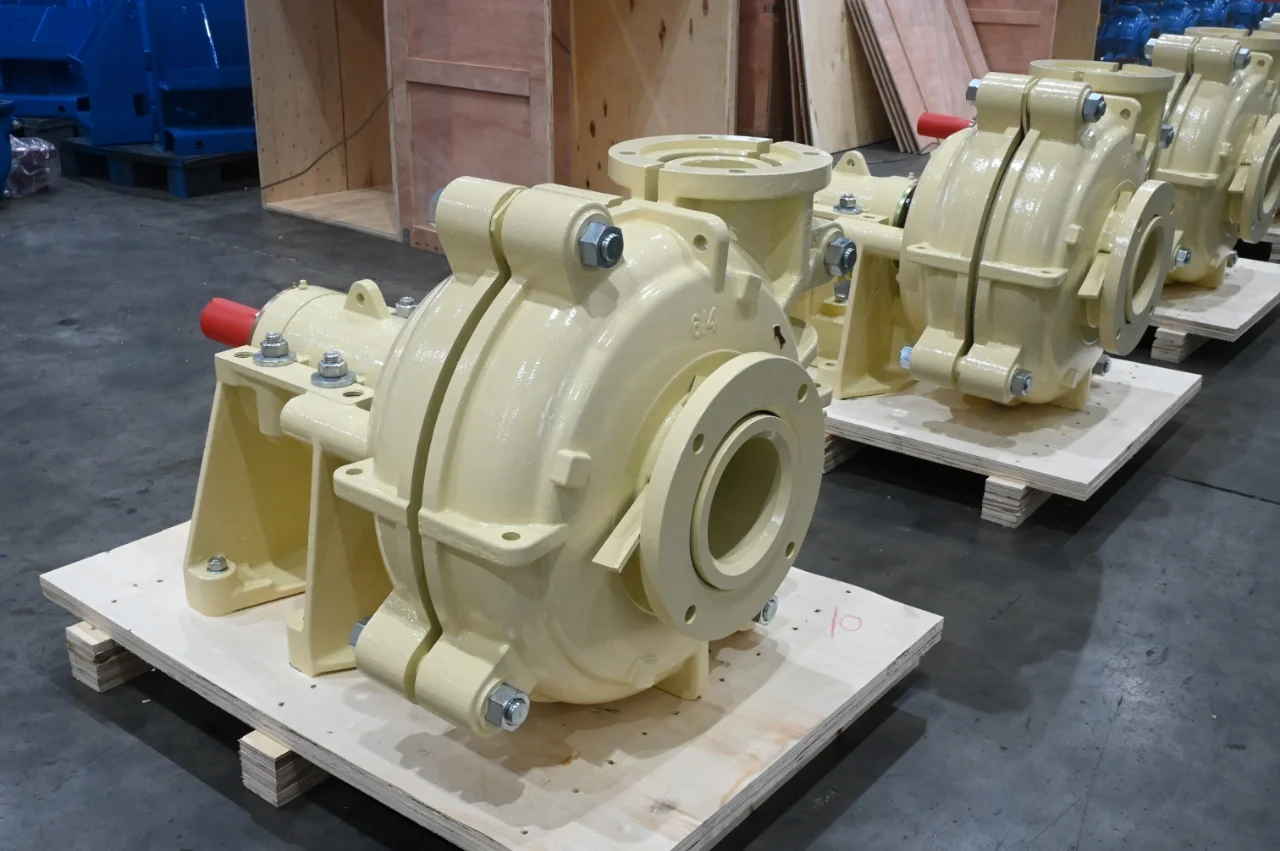
The 1.5/1B-AH slurry pump is a heavy-duty horizontal centrifugal slurry pump designed for abrasive ash and slurry handling applications. Its cantilever structure, large shaft diameter, and heavy-duty bearing assembly provide reliable operation under demanding conditions.           

           A key design feature is the integrated impeller adjustment mechanism within every base assembly, allowing operators to optimize the gap between the impeller and the front liner. This ensures that the slurry pump for ash handling maintains peak hydraulic efficiency even as the internal components naturally wear down over time.

Material Science and Wear Resistance

To combat the highly erosive nature of ash particles, the wet parts of these pumps are constructed from wear-resistant High chrome alloy (such as A05) is commonly selected for highly abrasive ash slurry applications due to its excellent wear resistance. This material choice is critical because ash handling often involves particles with high hardness that can quickly erode standard cast iron or steel components, leading to premature failure.        

       The use of high-chrome alloys ensures that the pump maintains its internal geometry for longer periods, which directly correlates to a stable flow rate and reduced energy consumption. By prioritizing metallurgy, the system can handle highly abrasive and high-density slurries without requiring frequent unplanned shutdowns for part replacements.        

       Furthermore, the availability of various metallic and elastomeric options allows for a customized approach based on the specific chemistry of the ash being handled. Whether the application requires the extreme hardness of chrome or the resilience of rubber lining, the design is adaptable to the specific abrasive profile of the site.

Operational Versatility and Configuration

Versatility is a hallmark of the 1.5/1B-AH series, particularly when deployed as a slurry pump for ash handling in complex plant layouts. The discharge branch can be positioned at 45-degree intervals, offering eight different orientations to perfectly suit the existing piping infrastructure of the working site.

Beyond physical orientation, the drive systems are highly flexible. Depending on the required flow control and torque, users can choose between V-belt drives, gear reducer drives, fluid coupling drives, or modern frequency conversion devices, ensuring the slurry pump for ash handling operates at the most efficient speed for the current slurry density.

For applications requiring significant head or long-distance transport, these pumps can be installed in multistage series. This scalability allows the slurry pump for ash handling to move waste across vast industrial complexes without losing momentum or causing pipe blockages due to settling.

Performance Metrics and Efficiency

The 1.5/1B-AH model is recognized for its wide performance range and excellent Net Positive Suction Head (NPSH) characteristics. In the context of a slurry pump for ash handling, a good NPSH is vital to prevent cavitation, which can occur when the pump struggles to draw thick, particulate-heavy fluids from a sump.        

       High hydraulic efficiency translates directly into lower operational costs. By optimizing the flow path and minimizing internal turbulence, the pump reduces the energy required to move each cubic meter of ash, contributing to the overall sustainability goals of the facility.

 Application

  • Bottom ash pumping

Ash pond transfer

Slag slurry handling

Industrial waste slurry transfer 

Power plant ash transport    

 
The same heavy-duty design is also widely used in mining applications such as tailings and mill discharge.

Maintenance Strategies for Long-Term Value

Effective maintenance of a slurry pump for ash handling begins with the bearing assembly. The 1.5/1B-AH utilizes a cylindrical structure that simplifies the process of adjusting the space between the impeller and the front liner, which is essential for maintaining flow efficiency as parts wear.        

       The bearing assemblies are designed for grease lubrication and use internationally recognized high-quality bearings to ensure longevity. One of the most significant advantages for maintenance teams is that these assemblies can be removed completely during repair, drastically reducing the time the pump is out of service.        

       Sealing is another critical focal point; depending on the ash characteristics, operators can choose between packing seals, expeller seals, and mechanical seals. This flexibility ensures that the pump remains leak-free and protected from the ingress of abrasive particles into the bearing housing.

Future Trends in Ash Handling Technology

Modern ash handling systems increasingly use variable frequency drives and condition monitoring technologies to improve energy efficiency and maintenance planning.

Comparative Analysis of Slurry Pump for Ash Handling Configurations

MaterialOptimal Application
High Chrome AlloyHighly Abrasive Bottom Ash
Natural Rubber LinedFine Fly Ash / Corrosive Slurries
Polyurethane LinerGeneral Industrial Ash Disposal
Stainless SteelLow-Density / Acidic Ash Slurry
Hard Metal AlloyExtreme Heavy-Duty Slag Pumping
Composite HybridVariable Density Ash Flows

FAQS

What makes the 1.5/1B-AH a suitable for ash handling?

The 1.5/1B-AH slurry pump combines a heavy-duty cantilever structure, high chrome alloy wet-end components, and adjustable impeller clearance to provide reliable performance in abrasive ash slurry applications.

How often do the wear parts in an ash handling pump need replacement?

Replacement frequency depends on the ash concentration and particle hardness. However, using high-chrome alloys significantly extends the interval. Regular monitoring of the impeller gap via the adjustment mechanism helps maximize the life of the liners before replacement is required.

Can these pumps be used for long-distance ash transport?

Yes, the 1.5/1B-AH can be installed in multistage series. By connecting multiple pumps in sequence, the system can generate the necessary head to transport ash slurries over long distances across a facility without the particles settling and blocking the pipeline.

What are the best sealing options for ash slurry?

Depending on the application, packing seals are common for simplicity, while mechanical seals offer better leak prevention. For many ash handling setups, the expeller seal is an excellent choice as it reduces the amount of abrasive material reaching the seal face.

Is it possible to change the drive type after installation?

The 1.5/1B-AH design supports multiple drive types, including V-belt, gear reducer, and frequency conversion. While the base assembly is standard, the drive coupling can often be adapted to different power sources to optimize energy efficiency.

Why Choose CNSME Slurry Pumps for Ash Handling?

  • 20+ years slurry pump manufacturing experience

  • AH series compatible replacement pumps and spare parts

  • High chrome alloy and rubber-lined wet-end options

  • Customized sealing and drive solutions

  • Global export experience

Conclusion

In summary, the selection of a high-performance slurry pump for ash handling is fundamental to the operational stability of any industrial plant dealing with abrasive waste. By leveraging the robust engineering of the 1.5/1B-AH—specifically its high-chrome metallurgy, flexible drive options, and ease of maintenance—facilities can ensure a seamless flow of waste while minimizing the total cost of ownership.        

       Looking forward, the integration of smart monitoring and advanced composite materials will further refine the efficiency of ash transport. We recommend that plant operators prioritize pumps with adjustable impeller mechanisms and versatile sealing options to future-proof their infrastructure against varying slurry demands. For more information on optimizing your waste management system, visit our website: www.qualityslurrypump.com

Robert Johnson

Robert Johnson

Robert Johnson is the Regional Sales Manager for CNSME Pump, covering the Western United States. Robert brings a decade of experience in industrial equipment sales, with a strong background in serving the construction and dredging sectors. He's known for building strong client relationships based on trust and providing responsive technical support. Robert played a crucial role in expanding CNSME’s footprint in the California infrastructure market, securing contracts for large-scale water treatment projects. He’s a dedicated professional passionate about helping customers optimize their operations through reliable and efficient pumping solutions. He's based out of Denver, Colorado, and frequently travels to customer sites.
Previous High Performance Slurry Pump for Oil Sands and Mining ROI
Next Engineered for Extreme Slurry Metallurgy Plants

bscribe newslette

If you do not find a matching slurry pump model, please contact us!

If you are interested in our products, you can choose to leave your information here, and we will be in touch with you shortly.