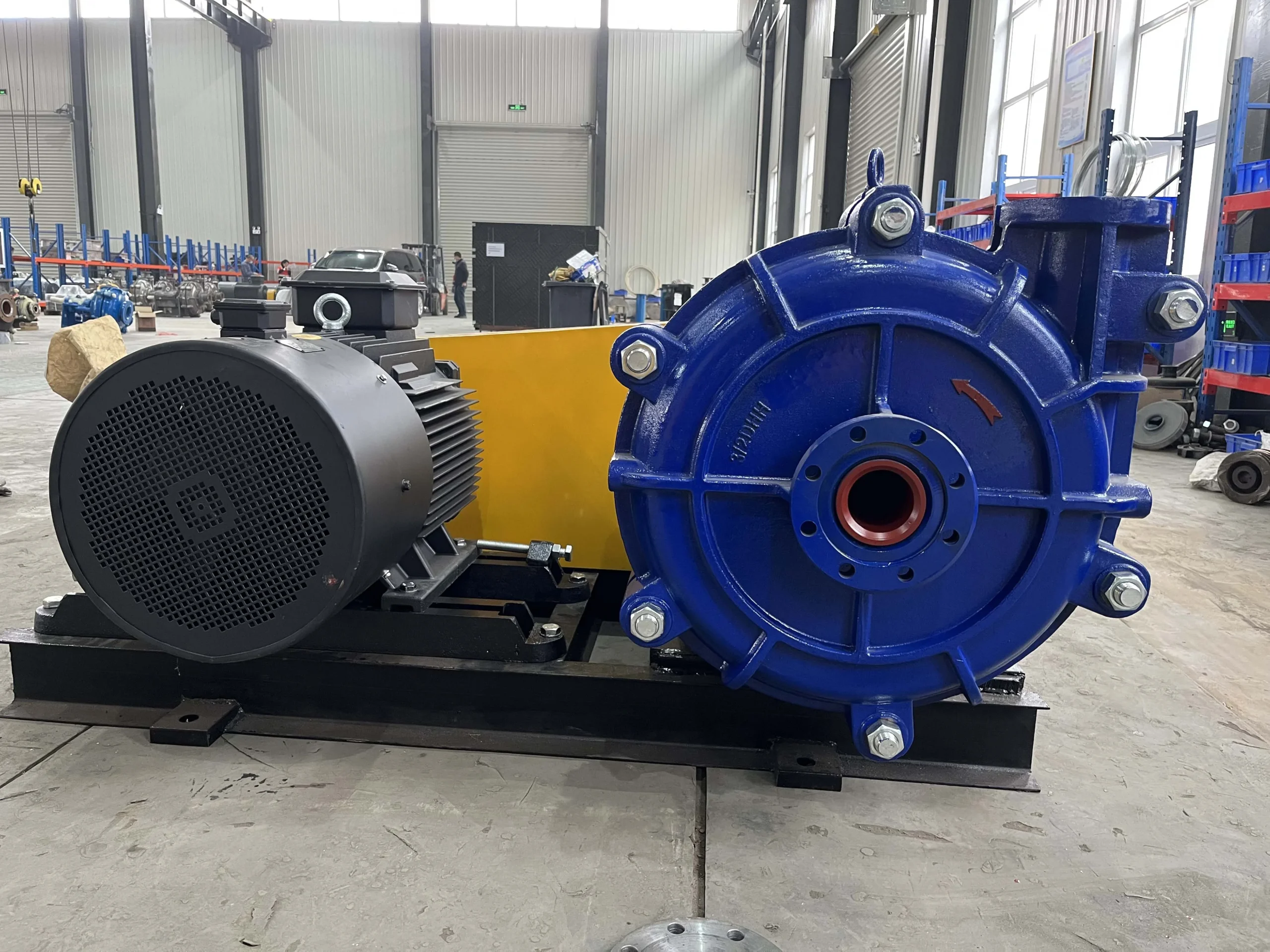
In the demanding environments of mining, dredging, and industrial wastewater management, the efficiency of fluid transport often hinges on the reliability of the sump slurry pump. These specialized machines are engineered to handle the most abrasive and corrosive mixtures, ensuring that production lines remain operational and sumps do not overflow during critical operations. By integrating advanced metallurgy with hydraulic precision, these pumps transform a potential operational bottleneck into a streamlined process of waste and material removal.
Across the globe, the transition toward more sustainable mining and industrial practices has placed a premium on equipment that minimizes downtime and energy consumption. A high-performance sump slurry pump is not merely a piece of hardware but a strategic asset that reduces the risk of environmental contamination and operational hazards. Whether dealing with tailings, sand, or chemical slurries, the ability to maintain a consistent flow rate under extreme pressure is what separates productive sites from those plagued by frequent maintenance shutdowns.
Understanding the nuances of slurry handling—ranging from particle size distribution to the chemical composition of the medium—is essential for optimizing the lifespan of your machinery. This guide explores the technical depth of the sump slurry pump, examining its core components, global applications, and the innovative trends driving the next generation of fluid handling technology. By aligning equipment selection with specific site requirements, operators can significantly lower their total cost of ownership while enhancing overall site safety.
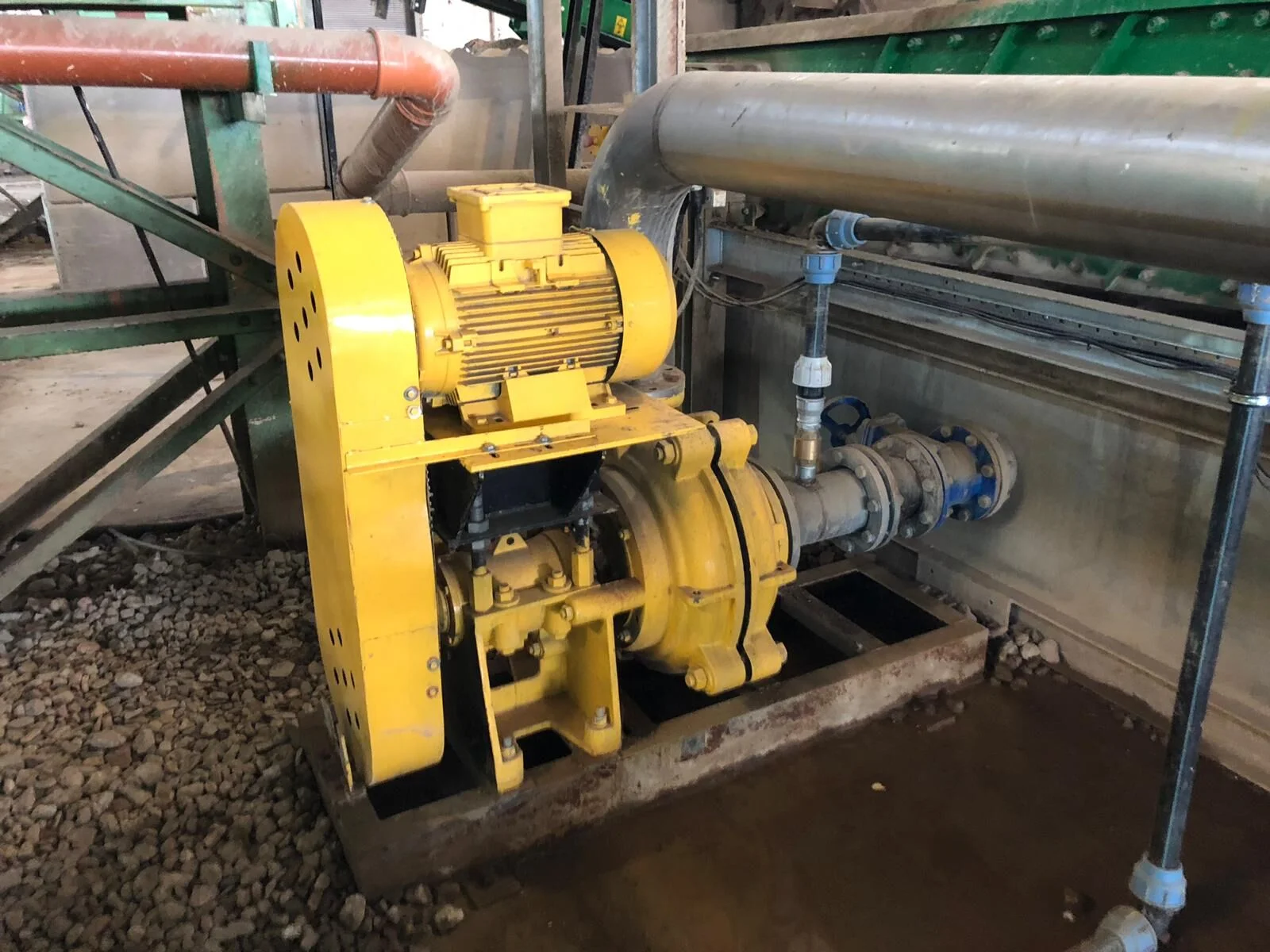
The Global Significance of Sump Slurry Pump Systems
On a global scale, the demand for raw materials—from lithium for batteries to iron ore for infrastructure—has surged, placing immense pressure on the efficiency of mineral processing plants. The sump slurry pump plays a pivotal role in this supply chain, acting as the heart of the drainage and transport system. According to industry benchmarks and ISO standards for centrifugal pumps, the ability to handle high-density solids without catastrophic impeller wear is the primary metric of success in these environments.
The challenge lies in the aggressive nature of the fluids being moved. In many remote industrial zones, particularly in the Asia-Pacific and Latin American mining belts, the failure of a single pump can lead to systemic shutdowns, costing operators millions in lost productivity. By implementing robust sump slurry pump solutions, companies can ensure continuous flow and maintain the rigorous environmental standards required to prevent tailings dam breaches and groundwater contamination.
Defining the Sump Slurry Pump and Its Role
In simple terms, a sump slurry pump is a heavy-duty pumping device designed to move "slurries"—mixtures of water and suspended solid particles—out of a collection pit or sump. Unlike standard water pumps, these machines are built with specialized liners and impellers that can withstand the constant scouring action of sand, gravel, and mineral fragments. They are the primary defense against flooding in underground mines and the primary mover in surface processing plants.
The connection to modern industry is profound. In an era where "zero waste" and "circular economy" are key goals, the efficient recovery of minerals from tailings using these pumps allows companies to re-process waste materials, extracting value that was previously lost. This not only increases profitability but also reduces the environmental footprint of the mining operation by minimizing the volume of waste stored in ponds.
Beyond mining, these pumps are essential for humanitarian and municipal needs, such as urban flood control where water is heavily laden with silt and debris. The versatility of the sump slurry pump ensures that whether it is a high-pressure industrial application or a large-scale municipal drainage project, the movement of thick, abrasive liquids is handled with precision and reliability.
Core Engineering Factors for Maximum Durability
Material selection is the cornerstone of sump slurry pump longevity. High-chrome alloys are typically employed for high-abrasion environments, providing a hard surface that resists the cutting action of sharp particles. Conversely, for corrosive chemical slurries, natural rubber or polyurethane linings are preferred to prevent the pump casing from eroding due to acid or alkaline exposure.
Hydraulic efficiency is another critical factor. A well-designed sump slurry pump must maintain a critical velocity—the minimum speed required to keep solids in suspension. If the velocity drops too low, solids settle in the pipe, leading to blockages and "sanding," which can cause severe vibration and premature failure of the pump's internal components.
Finally, the seal and bearing assembly must be engineered to prevent the ingress of abrasive particles. The use of expeller seals or advanced mechanical seals ensures that the motor and bearing housing remain isolated from the slurry. This preventative design is what allows a sump slurry pump to operate for thousands of hours in subterranean conditions without requiring a complete overhaul.
Strategic Performance Metrics in Slurry Transport
When evaluating the effectiveness of a sump slurry pump, operators look beyond simple flow rates. They analyze the "wear life" of the components and the energy cost per ton of material moved. For instance, a pump that has a slightly lower initial efficiency but lasts twice as long between liner changes is often more cost-effective over a five-year lifecycle than a high-efficiency pump that requires frequent maintenance.
Another key metric is the pump's ability to handle varying solids concentrations. In many sump applications, the slurry density can fluctuate wildly based on the weather or the stage of the mining process. A versatile sump slurry pump must be able to adjust its performance to avoid cavitation when the mixture is thin and avoid overloading when the slurry becomes thick and viscous.
Comparative Performance Efficiency of Sump Slurry Pump Configurations
Global Industrial Applications and Use Cases
In the gold and copper mines of Western Australia and Chile, the sump slurry pump is used for "dewatering"—the process of removing groundwater and process water from the mine workings. These pumps must operate 24/7, often submerged in pits where the fluid is a thick mixture of rock dust and chemically treated water. The reliability of these systems is critical; a pump failure can lead to flooded galleries, halting production and endangering workers.
Beyond mining, the dredging industry relies heavily on these pumps for land reclamation and harbor deepening. In regions like Southeast Asia, where coastal cities are expanding into marshes, a sump slurry pump is used to transport sand and silt from the seabed to the shore. The ability to handle large solids without clogging allows for faster reclamation and more stable land foundations.
Long-Term Value and Operational Advantages
The long-term value of investing in a premium sump slurry pump is found in the dramatic reduction of unplanned downtime. When a pump is engineered for the specific gravity and abrasive index of the medium, the interval between maintenance cycles extends. This provides operational stability and allows managers to schedule maintenance during planned site shutdowns rather than reacting to emergency failures.
From a sustainability perspective, modern pumps are designed with optimized hydraulics that reduce the energy required to move a specific volume of slurry. Given that pumping is one of the highest energy costs in mineral processing, a 5% increase in efficiency can result in thousands of dollars in annual energy savings and a significant reduction in the carbon footprint of the operation.
Moreover, the safety implications cannot be overstated. A reliable sump slurry pump prevents the overflow of toxic sumps and reduces the need for technicians to enter hazardous areas for frequent repairs. This creates a culture of trust and safety, where employees can focus on production rather than firefighting equipment failures.
Future Innovations in Sump Slurry Pump Technology
The future of the sump slurry pump is being shaped by the integration of the Industrial Internet of Things (IIoT). Smart sensors are now being embedded into pump casings to monitor vibration, temperature, and wear in real-time. Predictive analytics can now alert operators when an impeller is nearing the end of its life, allowing for "just-in-time" replacement and eliminating the waste of replacing parts too early.
Material science is also evolving, with the introduction of nano-ceramic coatings and hybrid composites that offer the hardness of chrome with the flexibility of rubber. These new materials are designed to combat the "impact wear" seen in pumps handling large, irregular rocks, which traditionally caused chipping in hard-alloy pumps.
Automation and variable speed drives (VSDs) are becoming standard, allowing the sump slurry pump to automatically adjust its RPM based on the density of the incoming slurry. This not only saves energy but also prevents the pump from running dry, which is the leading cause of catastrophic seal failure.
Comparison of Sump Slurry Pump Material Performance Across Different Environments
| Material Type | Abrasive Resistance | Corrosion Resistance | Typical Application |
|---|
| High Chrome Alloy | Very High | Moderate | Hard Rock Mining |
| Natural Rubber | Moderate | High | Acidic Tailings |
| Polyurethane | High | Moderate | Sand and Gravel |
| Stainless Steel | Low | Very High | Chemical Processing |
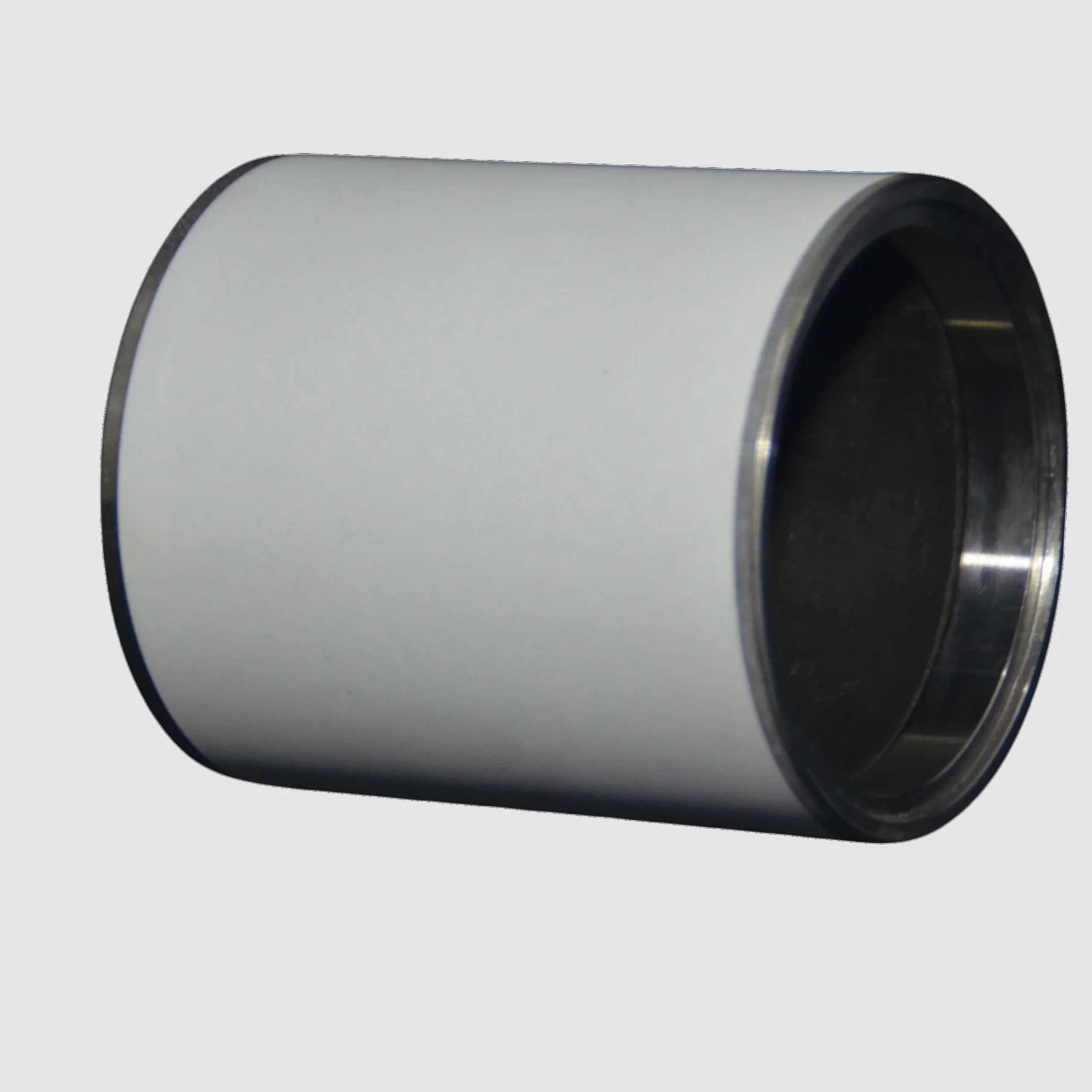
| Ceramic Lined | Extreme | High | Ultra-Fine Abrasives |
| Hard Metal Alloy | Very High | Low | Heavy Ore Sump |
FAQS
The choice depends on the "abrasion vs. corrosion" balance. If your slurry contains sharp, hard particles like quartz, high-chrome alloys are best. If the medium is chemically aggressive (acidic) but less abrasive, natural rubber is the ideal choice. For a mix of both, polyurethane offers a versatile middle ground. Always analyze the particle size and chemical pH before selecting.
The most common cause is "dry running" or cavitation, where the pump operates without enough fluid, leading to overheating and seal failure. Another frequent issue is "sanding," where the flow velocity drops below the critical limit, causing solids to settle and block the impeller. Regular monitoring of flow rates and implementing automated level sensors can prevent these issues.
Depending on the design, yes. Pumps with "open impellers" and larger discharge ports are specifically designed to handle larger solids without clogging. However, excessive large debris can cause impact wear. We recommend installing a grizzly screen or a trash rack at the sump inlet to protect the pump from oversized boulders while still allowing slurry to pass.
Maintenance intervals vary by application, but a monthly inspection of the seals and vibration levels is recommended. Liner thickness should be measured quarterly using ultrasonic tools. In high-abrasion environments, impellers may need replacement every 6-12 months. Implementing a predictive maintenance plan using IIoT sensors can optimize these intervals based on actual wear.
Vertical sump pumps are designed for deep pits where the motor is mounted above the fluid level, reducing the risk of motor flooding. Horizontal pumps are typically used for transfer stations or when the pump can be installed on a concrete pad. Vertical designs are generally better for sump drainage, while horizontal designs are better for high-volume slurry transport between tanks.
Modern sump slurry pumps are significantly more efficient than older models due to Computational Fluid Dynamics (CFD) optimized impellers. When paired with Variable Frequency Drives (VFDs), they can reduce energy consumption by 20-40% by adjusting power output to match the actual slurry density and required flow rate.
Conclusion
The sump slurry pump is an indispensable component of modern industrial infrastructure, bridging the gap between waste management and productive resource recovery. By focusing on material durability, hydraulic efficiency, and strategic maintenance, operators can transform their fluid handling processes from a cost center into a competitive advantage. The integration of high-chrome alloys, smart monitoring, and energy-efficient drives ensures that these machines can withstand the harshest environments while maximizing output.
Looking forward, the shift toward autonomous mining and "green" processing will only increase the importance of reliable slurry transport. We suggest that operators move away from reactive maintenance and embrace predictive technologies to further reduce downtime. Investing in high-quality, engineered pumping solutions is not just about equipment—it is about ensuring the long-term sustainability and safety of your entire operation. Visit our website for professional guidance: www.qualityslurrypump.com