
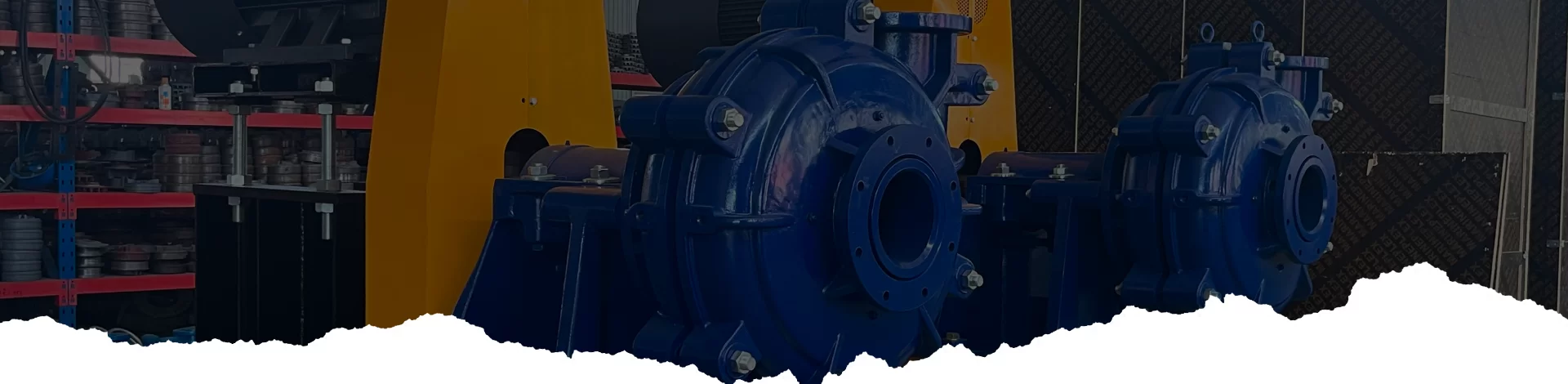
Slurry pump for mining operations are critical components in mineral processing, handling abrasive and corrosive materials essential for extracting valuable resources. The global mining industry relies heavily on efficient and reliable slurry pumps to transport these mixtures – a vital link in the value chain from extraction to refining. Effective slurry pumping reduces operational costs, enhances productivity, and minimizes environmental impact by optimizing material handling processes.
The demand for slurry pump for mining solutions is intrinsically linked to global economic growth, particularly in developing nations with expanding mining sectors. As resource demand increases, so does the need for robust and scalable pumping systems. Recent advancements focus on improving pump efficiency, reducing energy consumption, and extending operational lifespan in harsh mining environments, contributing to more sustainable mining practices.
Understanding the intricacies of slurry pump for mining is essential for mining engineers, plant managers, and industry stakeholders. Selecting the appropriate pump type and implementing proper maintenance strategies are key to ensuring the long-term viability and profitability of mining operations, mitigating risks associated with downtime and equipment failure.
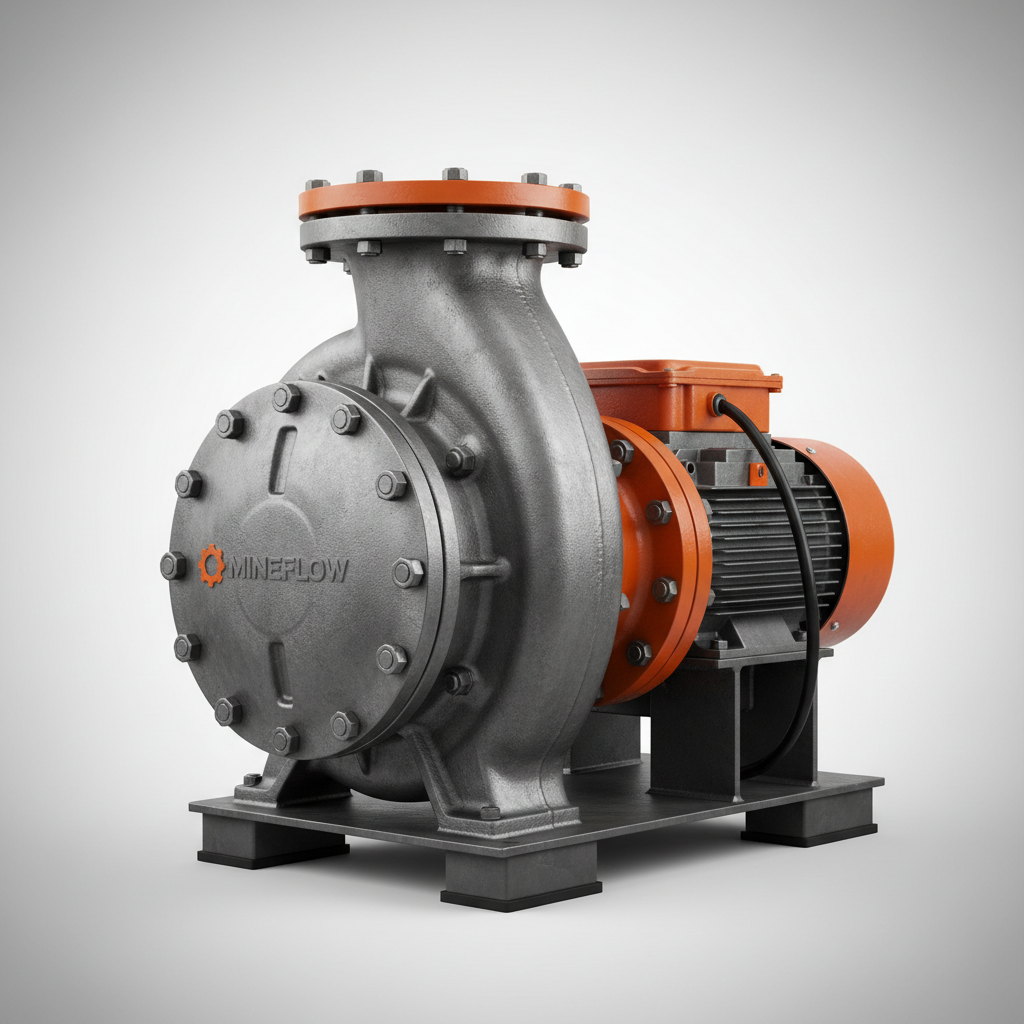
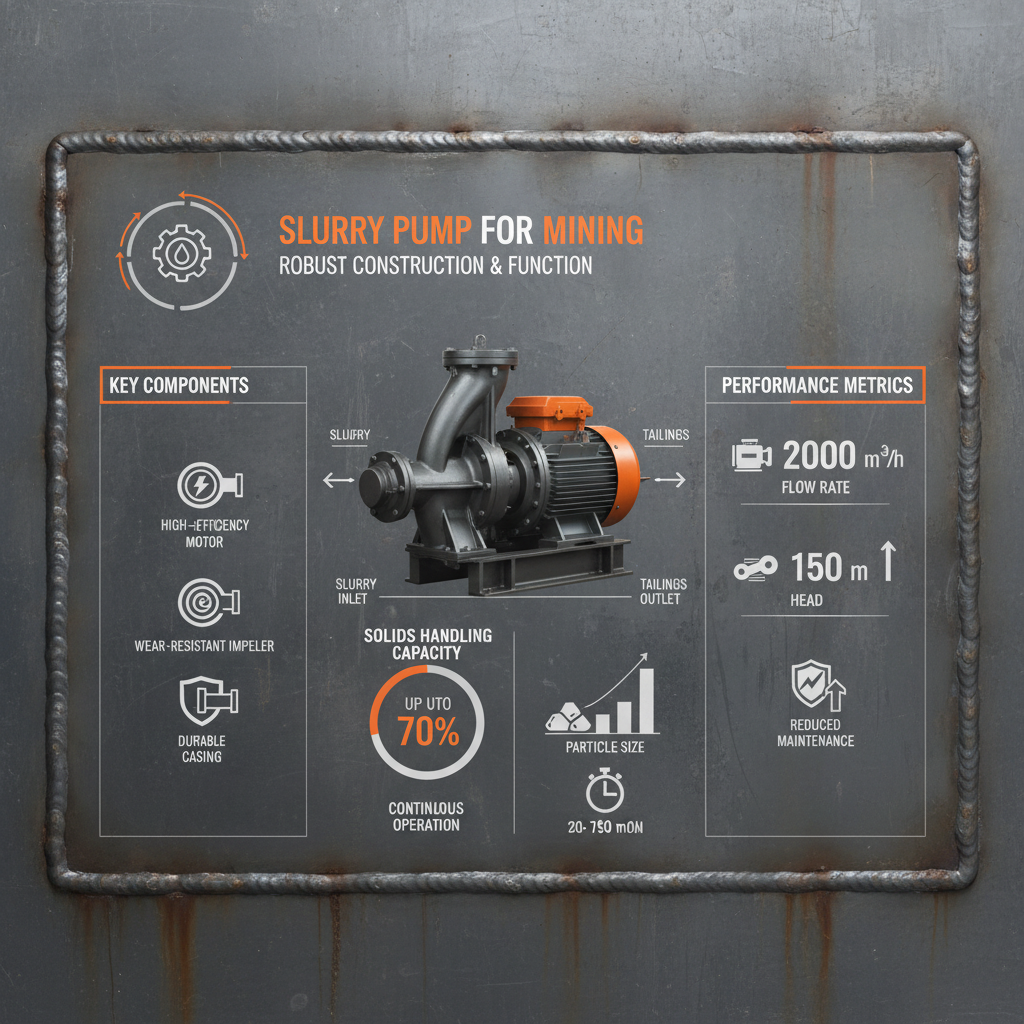
The modern mining landscape demands increasingly sophisticated solutions for handling the abrasive and dense slurries created during mineral processing. Slurry pump for mining are not merely pieces of equipment; they are vital arteries within a mine’s operational infrastructure, directly impacting processing efficiency, cost-effectiveness, and environmental responsibility. Failure to utilize appropriate pumping technology can lead to significant downtime, increased maintenance costs, and potential safety hazards.
Worldwide, the economic benefits derived from optimized slurry handling are substantial. From large-scale copper and iron ore mines to smaller-scale gold and diamond operations, the ability to efficiently move slurries – a mixture of solids and liquids – is paramount. Investing in high-quality slurry pump for mining translates to increased throughput, reduced energy consumption, and ultimately, greater profitability for mining companies.
The lifespan of a slurry pump for mining significantly depends on the slurry’s abrasiveness, the pump’s materials, and maintenance practices. Generally, a well-maintained pump with high-quality components can last between 3 to 7 years in demanding conditions. Regular inspections, liner replacements, and impeller monitoring are crucial for maximizing longevity. Utilizing advanced wear-resistant materials like high-chromium alloys extends operational life and reduces downtime.
Selecting the right slurry pump requires a thorough assessment of your application. Consider the slurry’s composition (particle size, density, abrasiveness), flow rate, head pressure, and operating environment. Consult with pump specialists to analyze your specific needs and recommend a pump type (centrifugal, positive displacement) and materials best suited for your application. Proper pump sizing is crucial to ensure optimal performance and minimize energy consumption.
Regular maintenance is vital for ensuring the reliable operation of a slurry pump. This includes routine inspections for wear and damage, lubrication of bearings, seal replacements, and monitoring of pump performance parameters (pressure, flow rate, vibration). Periodic liner replacements and impeller inspections are also essential. Implementing a preventative maintenance schedule can significantly reduce downtime and extend pump lifespan.
Slurry pumps are designed to handle varying slurry densities, but it's essential to select a pump capable of accommodating the expected range. Pump curves illustrate performance at different slurry concentrations. Positive displacement pumps generally handle higher densities more effectively than centrifugal pumps. Adjusting pump speed and impeller design can also optimize performance for specific slurry characteristics. Maintaining consistent flow is essential, even with changes in density.
Variable Frequency Drives (VFDs) offer significant benefits for slurry pump applications. They allow for precise control of pump speed, optimizing energy consumption and reducing wear. VFDs also enable soft starting and stopping, minimizing stress on the pump and pipeline. They can be used to adjust pump output to match changing process demands, improving efficiency and reducing operational costs. VFD’s allows the slurry pump for mining to function efficiently
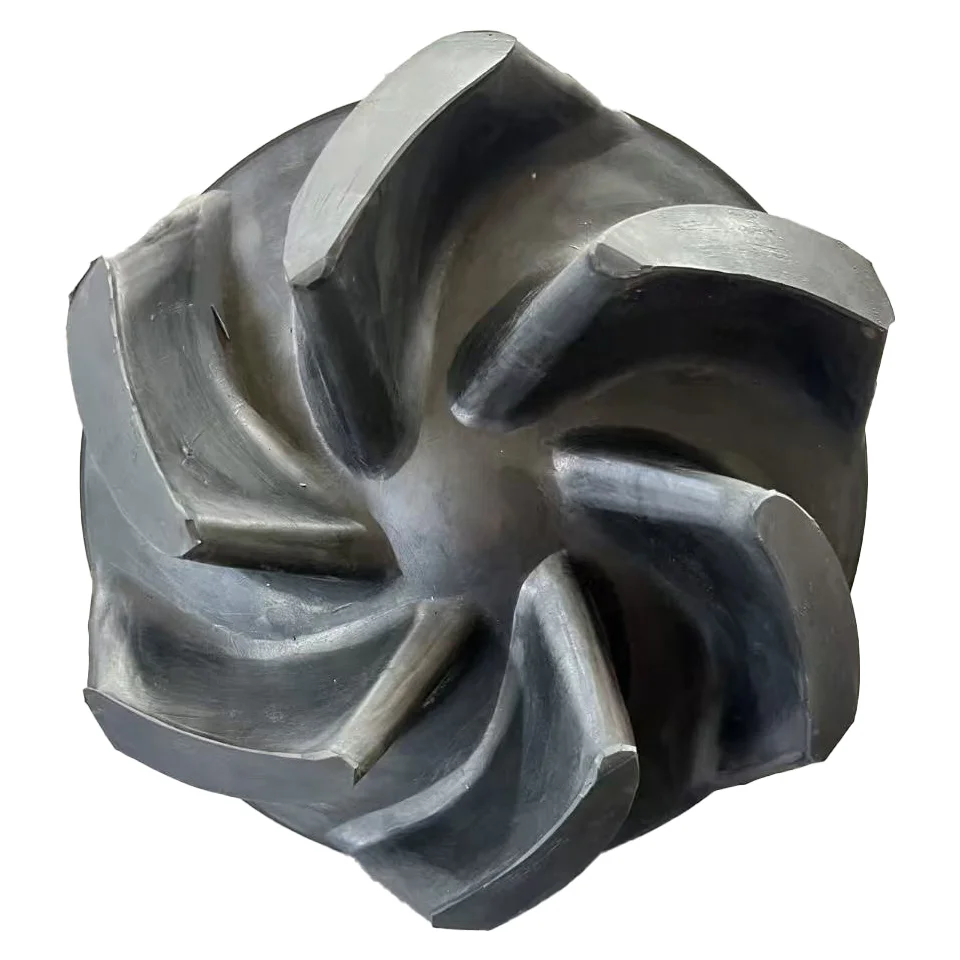
Material selection is arguably the most crucial factor influencing slurry pump performance. Abrasive slurries require materials with high wear resistance, such as high-chromium alloys, ceramic linings, or specialized polymers. The choice depends on the slurry's composition and abrasiveness. Using inappropriate materials leads to rapid wear, reduced efficiency, and increased maintenance costs. Careful consideration of material compatibility is essential for maximizing pump lifespan and minimizing downtime.
In conclusion, slurry pump for mining are indispensable components of modern mining operations, facilitating the efficient and reliable transport of abrasive slurries. Understanding the core aspects of pump design, performance factors, and future trends is critical for optimizing mining processes, reducing costs, and minimizing environmental impact. Investing in high-quality pumps and implementing proper maintenance strategies are essential for ensuring long-term operational success.
Looking ahead, continued innovation in materials science, digital technologies, and sustainable design will drive further improvements in slurry pump performance and efficiency. Adopting these advancements will be key to addressing the evolving challenges of the mining industry and ensuring a more sustainable and responsible approach to resource extraction. For more information on selecting the right slurry pump for your mining needs, visit our website: www.qualityslurrypump.com.

bscribe newslette


