Optimizing Slurry Pump Impeller Performance for Efficient Fluid Transport

  • Home
  • Top Blog
  • Optimizing Slurry Pump Impeller Performance for Efficient Fluid Transport
0%

Table of Contents

The slurry pump impeller is a critical component in the operation of any slurry pump, responsible for converting rotational energy into fluid flow. These pumps are widely used across a diverse range of industries, from mining and wastewater treatment to chemical processing and agriculture, to effectively transport abrasive and highly concentrated mixtures. Understanding the principles, design, and maintenance of a slurry pump impeller is crucial for optimizing performance, minimizing downtime, and extending the lifespan of expensive pumping systems. A properly selected and maintained slurry pump impeller ensures efficient and reliable operation.        

       Globally, the demand for efficient and reliable slurry handling solutions is constantly increasing, driven by factors like growing industrialization, stricter environmental regulations, and the depletion of easily accessible resources.  The World Bank estimates that infrastructure investments, including water and wastewater management, will require trillions of dollars over the next decade, many of which rely on slurry pump technology.  This highlights the essential role of slurry pump impeller technology in supporting sustainable development and economic growth worldwide.  Furthermore, advancements in materials science and impeller design are continually addressing the challenges posed by increasingly abrasive and corrosive slurries.        

       The slurry pump impeller faces unique challenges compared to standard pumps due to the nature of the fluids it handles. These slurries often contain large solids, are highly abrasive, and can be chemically aggressive.  Therefore, a robust and carefully engineered impeller is vital for a pump’s effectiveness.  Effective slurry transport is foundational to many industries, preventing costly blockages, ensuring safe operation, and maximizing productivity.
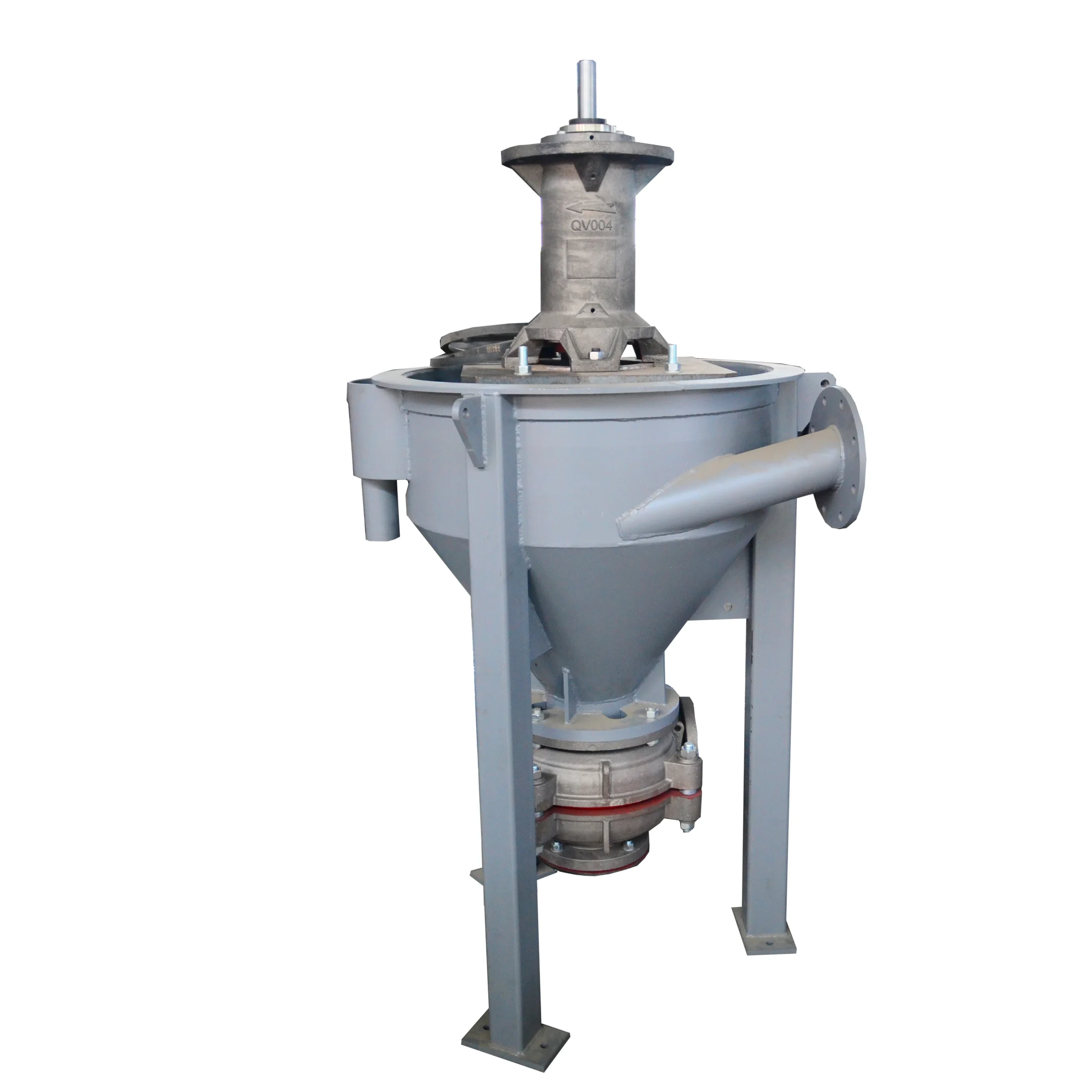
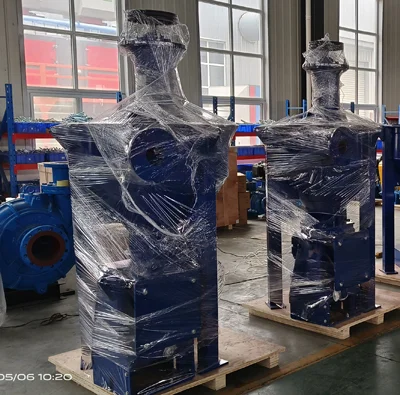
froth pump    

The Importance of Slurry Pump Impeller Design

froth pump            

The design of a slurry pump impeller directly impacts the pump's overall efficiency, reliability, and longevity. A well-designed impeller minimizes wear, reduces energy consumption, and maximizes slurry flow rates. Different impeller designs are suitable for different slurry characteristics. For instance, open impellers are preferred for handling slurries with large solids, while closed impellers offer higher efficiencies for cleaner slurries. Proper impeller selection is critical to the overall success of a slurry pumping operation.            

           Material selection is another crucial aspect of impeller design.  Impellers are commonly constructed from materials like high-chrome cast iron, stainless steel, or rubber-lined steel, depending on the abrasive and corrosive properties of the slurry. Investing in a high-quality slurry pump impeller made from appropriate materials can significantly reduce maintenance costs and extend the pump's operational life.

Defining the Slurry Pump Impeller

A slurry pump impeller is a rotating component within a slurry pump that imparts kinetic energy to the slurry, converting rotational mechanical energy into the energy of fluid motion. Its primary function is to generate centrifugal force, causing the slurry to move from the pump's inlet to the outlet. The impeller’s shape and geometry are meticulously designed to efficiently handle abrasive particles and viscous fluids without clogging or excessive wear.        

       The impeller's effectiveness is intrinsically linked to the pump's capability to handle a wide array of slurry compositions and concentrations. Unlike pumps designed for clean fluids, slurry pump impellers must withstand continuous impacts from solid particles, preventing erosion and maintaining performance.  Modern impeller designs incorporate features like hardened surfaces, optimized vane angles, and specialized coatings to maximize durability.        

       The significance of a robust slurry pump impeller extends beyond simply moving the slurry. It is fundamental to supporting critical industrial processes, environmental remediation efforts, and infrastructure development projects worldwide.  It allows for the efficient transport of materials essential to these operations.

Key Factors Influencing Impeller Performance

Durability is paramount. Slurry pump impellers are constantly exposed to abrasive particles, necessitating materials resistant to erosion and wear. This often involves using high-chrome alloys, ceramic coatings, or rubber linings to extend the impeller’s service life.  Regular inspection and timely replacement are also crucial for maintaining optimal performance.

Hydraulic efficiency dictates how effectively the impeller converts energy into slurry flow.  Factors like vane angle, impeller diameter, and blade curvature directly impact efficiency. Optimizing these parameters for the specific slurry characteristics is essential for minimizing energy consumption and maximizing pump output.

The impeller’s ability to handle solids without clogging is critical.  Impeller designs with open or semi-open configurations are better suited for slurries containing large particles.  Proper impeller selection avoids blockages that can lead to pump downtime and costly repairs.

Global Applications of Slurry Pump Impellers

Slurry pump impellers are indispensable in the mining industry for transporting ore slurries, tailings, and process water. They are also vital in wastewater treatment plants for handling sludge and grit.  The chemical processing industry relies heavily on slurry pumps for moving corrosive and abrasive mixtures.        

       In the agricultural sector, slurry pump impellers are used in irrigation systems and for handling manure and fertilizer mixtures. In regions facing water scarcity, efficient slurry pumping is crucial for water management and distribution. Across the globe, from large-scale industrial operations in Australia to remote mining sites in South America, the demand for reliable slurry pump impeller solutions remains high.        

       Furthermore, slurry pump impellers play a vital role in dredging operations, maintaining navigable waterways, and reclaiming land. These applications require robust impellers capable of handling high volumes of sediment and debris.

Slurry Pump Impeller Performance Comparison

Advantages and Long-Term Value Proposition

Investing in a high-quality slurry pump impeller translates to substantial cost savings over the pump’s lifespan. Reduced downtime due to fewer repairs, lower energy consumption from increased efficiency, and extended pump life all contribute to a positive return on investment.        

       Furthermore, the use of durable and efficient slurry pump impellers promotes environmental sustainability by minimizing energy waste and reducing the risk of leaks or spills. The reliability of these components also enhances operational safety, protecting workers and preventing potential environmental damage.

Future Trends and Innovations in Impeller Technology

Advancements in materials science are leading to the development of new impeller materials that offer superior wear resistance and corrosion protection.  Ceramic matrix composites and advanced polymers are emerging as promising alternatives to traditional materials.        

       Digitalization and data analytics are also playing a role, with sensors integrated into impellers to monitor performance, detect wear, and predict maintenance needs. This predictive maintenance capability minimizes downtime and optimizes pump operation.        

       Furthermore, computational fluid dynamics (CFD) is being used to design more efficient and customized impeller geometries, tailored to specific slurry characteristics and operating conditions.

Challenges and Solutions in Slurry Pump Impeller Operation

A common challenge is abrasive wear, which can significantly reduce impeller lifespan and pump efficiency. Solutions include using wear-resistant materials, implementing regular inspection and maintenance programs, and optimizing pump operating parameters.        

       Another challenge is corrosion, especially when handling acidic or alkaline slurries.  Employing corrosion-resistant alloys or coatings and implementing cathodic protection systems can mitigate this issue.        

       Clogging can also be problematic, particularly with slurries containing large solids. Utilizing impellers with open or semi-open designs and implementing proper screening systems can prevent blockages.

Summary of Slurry Pump Impeller Operational Challenges and Solutions

Operational ChallengeImpact on PerformanceProposed SolutionImplementation Cost (Scale 1-10)
Abrasive WearReduced impeller lifespan, decreased efficiencyUtilize high-chrome alloys or ceramic coatings7
CorrosionMaterial degradation, structural failureEmploy corrosion-resistant alloys8
CloggingPump downtime, reduced flow rateUtilize open impeller designs and screening systems5
CavitationImpeller damage, noise, vibrationOptimize pump speed and suction conditions6
Erosion-CorrosionAccelerated material loss, premature failureEmploy specialized coatings and alloys9
Improper SelectionReduced efficiency, increased wearConduct thorough slurry analysis and impeller selection4

FAQS

What materials are most commonly used in slurry pump impeller construction?            

High-chrome cast iron is the most prevalent material due to its excellent abrasion resistance and cost-effectiveness.  Stainless steels, particularly duplex stainless steels, are used for corrosive applications. Rubber linings are employed to further enhance corrosion resistance and reduce noise. Increasingly, ceramic materials are being explored for their exceptional wear resistance, though they are typically more expensive.

How do I determine the correct impeller type for my slurry application?            

The slurry’s characteristics – particle size, concentration, abrasiveness, and corrosivity – dictate the appropriate impeller type.  Open impellers are suitable for slurries with large solids, while closed impellers are more efficient for cleaner fluids.  Semi-open impellers offer a compromise.  Consider the specific gravity of the slurry, the required flow rate and head, and consult with a pump specialist for optimal selection.

What is the typical lifespan of a slurry pump impeller?            

Impeller lifespan varies significantly depending on the slurry’s abrasiveness and corrosivity, pump operating conditions, and impeller material.  Typical lifespans range from 6 months to 5 years. Regular inspections, maintenance, and prompt replacement of worn impellers are essential to maximizing pump uptime and preventing catastrophic failures.

How can I minimize wear on my slurry pump impeller?            

Several strategies can minimize wear. Use wear-resistant impeller materials, maintain optimal pump speed, avoid excessive slurry velocity, implement proper screening to remove large solids, and ensure adequate lubrication. Regular inspections and timely replacement of worn parts are also crucial. Implementing a proactive maintenance schedule significantly extends impeller life.

What are the signs that a slurry pump impeller needs to be replaced?            

Common indicators include reduced pump performance (flow rate or head), increased power consumption, unusual noise or vibration, and visible wear or erosion on the impeller vanes. Regularly scheduled inspections can detect early signs of wear before they lead to major problems. Frequent blockages can also indicate impeller damage.

Where can I find reliable slurry pump impeller suppliers?            

Several reputable manufacturers specialize in slurry pump impellers. Thoroughly research suppliers, considering their experience, product quality, and customer support.  Look for suppliers who offer a wide range of materials and impeller designs to suit various applications. Consulting with industry professionals and seeking recommendations can help identify trustworthy suppliers.

Conclusion

The slurry pump impeller is a cornerstone of numerous industrial processes, enabling the efficient and reliable transport of abrasive and challenging fluids. From mining operations to wastewater treatment plants, its performance directly impacts productivity, cost-effectiveness, and environmental sustainability. Understanding the principles of impeller design, material selection, and operational best practices is vital for maximizing pump performance and minimizing downtime.        

       Looking ahead, innovations in materials science, digitalization, and CFD modeling promise to further enhance slurry pump impeller technology. Embracing these advancements will lead to more durable, efficient, and sustainable slurry handling solutions.  For optimal performance and long-term reliability, visit our website at www.qualityslurrypump.com to explore our comprehensive range of slurry pump impellers and expert services.

Daniel Wilson

Daniel Wilson

Daniel Wilson is a Slurry Pump Design Engineer at CNSME Pump. He's responsible for developing and refining pump designs to meet the evolving needs of diverse industries. Daniel's work includes utilizing advanced modeling software to optimize pump performance and durability. He collaborates closely with the manufacturing team to ensure designs are efficiently produced and meet stringent quality standards. His recent work focused on improving the abrasion resistance of pump impellers for heavy-duty mining applications. Daniel holds a Master’s degree in Fluid Dynamics.
Previous Understanding Warman Compatible Slurry Pump Performance and Global Applications
Next Optimizing Slurry Pump Impeller Design for Efficiency and Reliability

bscribe newslette

If you do not find a matching slurry pump model, please contact us!

If you are interested in our products, you can choose to leave your information here, and we will be in touch with you shortly.