Slurry pump sealing types are a critical, often overlooked, component in industries ranging from mining and wastewater treatment to chemical processing and oil sands. A failure in a slurry pump seal isn’t just downtime; it's often a cascading series of problems – environmental hazards, lost production, and hefty repair costs. We’ve all seen it on site: pumps grinding to a halt, needing emergency tear-downs, and the whole operation stalled because a seal gave way. Understanding the different slurry pump sealing types, their applications, and the nuances of maintaining them is the difference between keeping things running smoothly and facing a constant battle against breakdowns. It’s the foundation of reliable, cost-effective operations.
Globally, the demand for robust slurry handling solutions is surging. The UN estimates that global wastewater generation will increase by 50% by 2030, necessitating efficient and reliable pumping systems. The World Bank continues to invest heavily in infrastructure projects in developing nations, often involving abrasive slurries. ISO standards are continuously evolving to address the challenges of handling increasingly complex and abrasive materials. This growth translates to a greater need for specialized slurry pumps and, crucially, effective sealing solutions. The sheer volume of abrasive materials being moved demands seals that can withstand immense wear and tear, and it's a problem we're tackling every day in the field.
Simply put, slurry pump sealing types refer to the various methods used to prevent the leakage of the pumped slurry between the rotating shaft and the stationary pump casing. It's about containing the mess, protecting equipment, and ensuring safe operation. It's a fundamental element in any slurry pump system. These seals aren't just about stopping leaks; they’re about maintaining pressure, preventing contamination, and extending the lifespan of expensive pump components. It's a surprisingly complex field, especially when you consider the sheer variety of slurries out there – everything from fine clay to rocks and everything in between.
| Expeller Seal | Gland Seal |
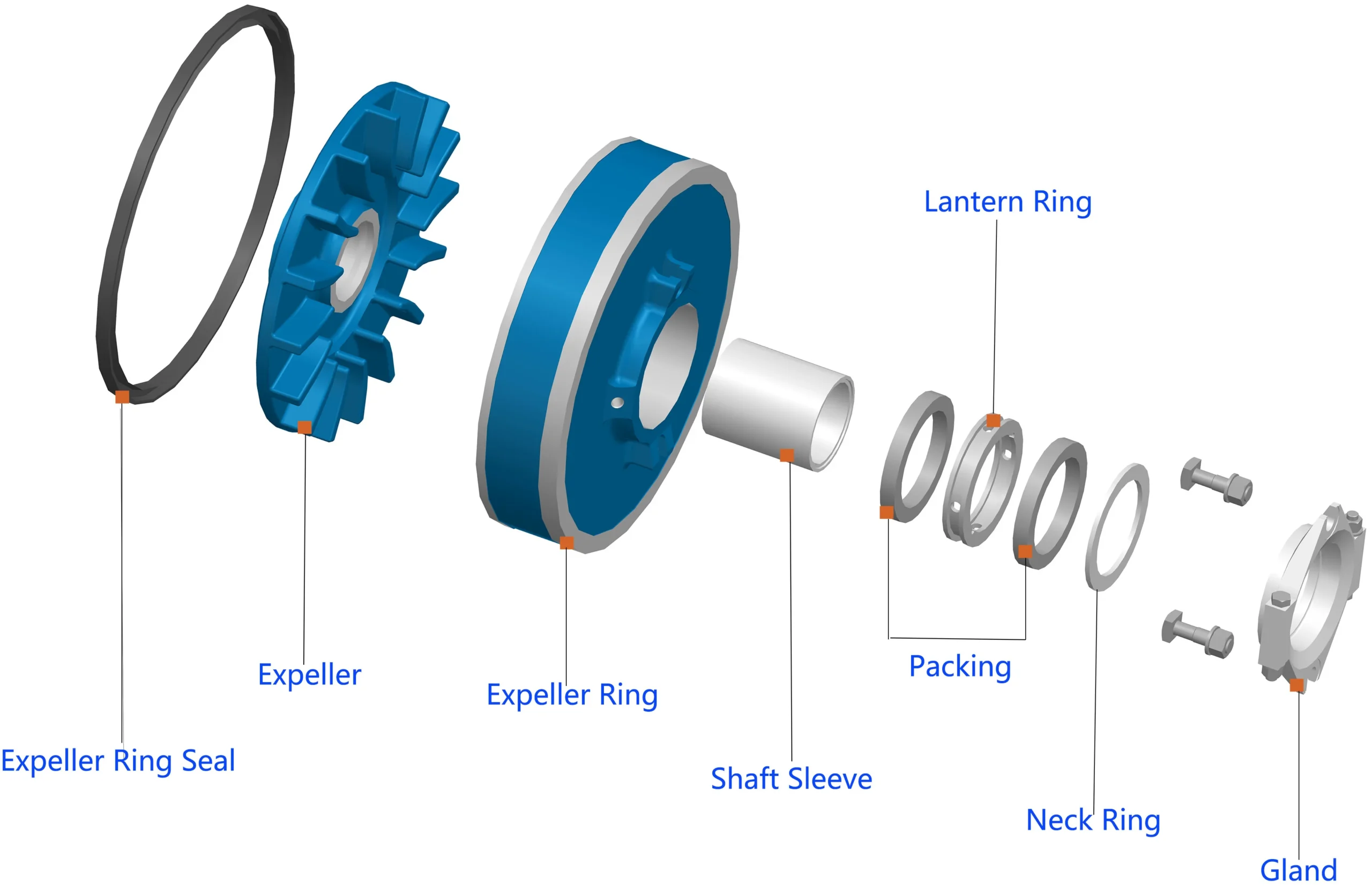 | 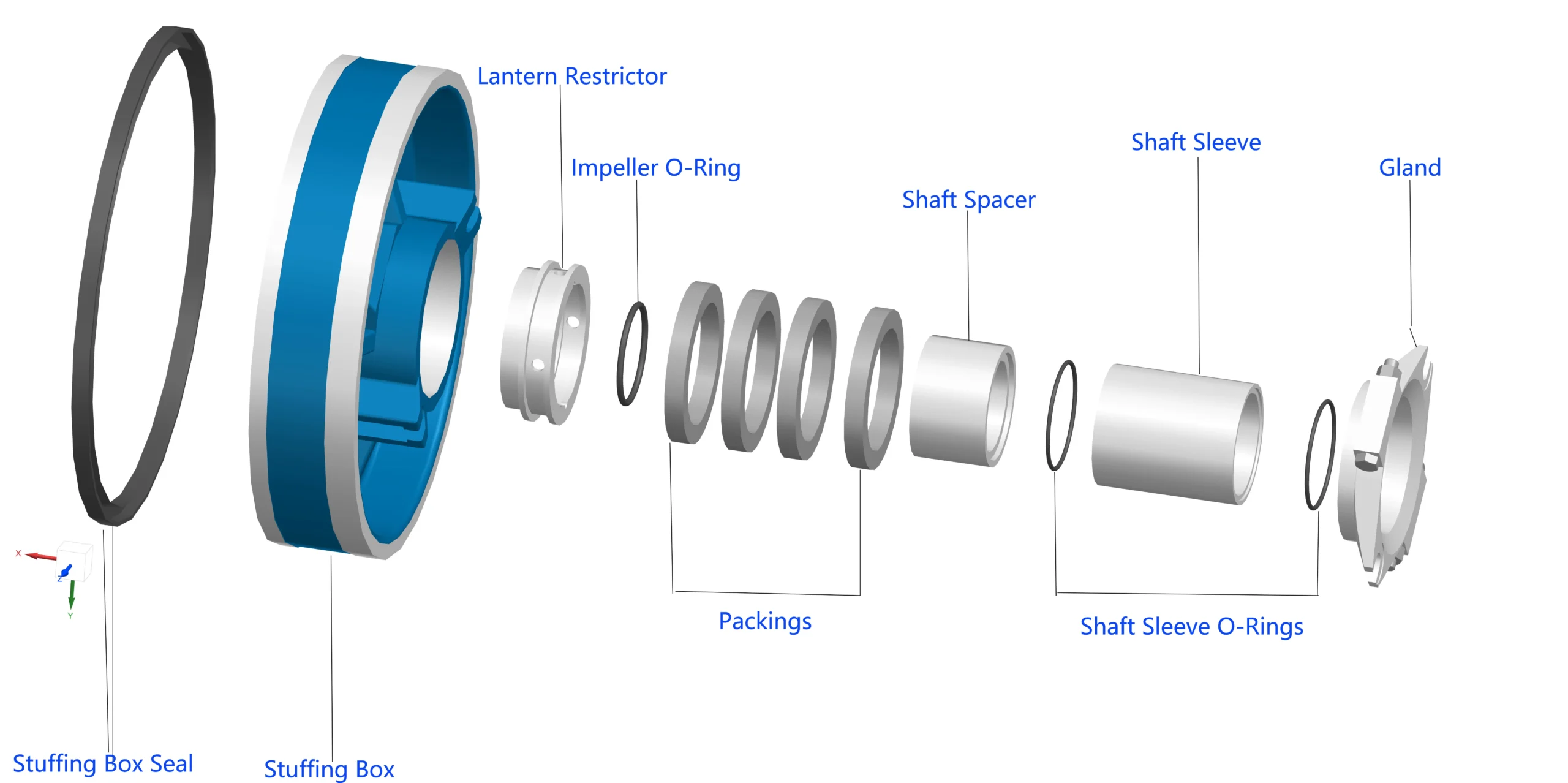 |
The Importance of Slurry Pump Sealing Types
Let's be straight: a good seal isn’t glamorous. But it is essential. We spend a lot of time on sites seeing the fallout from bad seals – lost production, safety concerns, environmental cleanup. The direct cost of seal failure is obvious: the cost of the seal itself, the downtime, the labor for repair. But the indirect costs – regulatory fines, reputational damage, and even potential environmental lawsuits – can be far greater. It's not just about fixing the leak, it’s about preventing the entire chain reaction.
From a practical standpoint, understanding the different slurry pump sealing types lets you tailor the solution to the specific application. What works for a fine coal slurry isn't going to cut it for a highly abrasive tailings stream. It's about matching the seal material, design, and support system to the slurry's characteristics, and that requires experience, and frankly, knowing what’s worked (and failed) in the field.
Global Relevance and Industry Context
The need for reliable slurry pump sealing types isn't limited to a single industry or geographic location. Mining operations in Chile, oil sands processing in Canada, wastewater treatment plants in Europe, all rely on these systems. The common thread is the need to move abrasive, corrosive, and often hazardous materials efficiently and safely. We've been involved in projects across the globe, and the challenges are surprisingly similar. It's often not the slurry itself that's the problem, but the operating conditions – temperature fluctuations, pressure spikes, inconsistent feed.
Consider the scale of some of these operations. A large tailings dam can contain billions of gallons of slurry. A failure in a pump seal can lead to a significant environmental disaster, and the cleanup costs can be astronomical. This is why regulatory agencies are becoming increasingly stringent about pump maintenance and seal integrity. It’s not just about doing things right; it’s about being able to prove you’re doing things right.
The trend toward sustainable mining and resource extraction is also driving demand for more reliable and environmentally friendly sealing solutions. Companies are looking for seals that minimize leakage, reduce water consumption, and extend equipment life. This requires a move away from traditional designs and a greater focus on advanced materials and technologies.
Defining Slurry Pump Sealing Types
At its core, a slurry pump seal prevents the pumped fluid from escaping along the rotating shaft. But there’s more to it than that. The different types of seals – mechanical seals, packing glands, and dynamic seals – each have their strengths and weaknesses. Mechanical seals, for example, offer a tighter seal and lower leakage rates, but they're more complex and expensive to maintain. Packing glands are simpler and cheaper, but they require more frequent adjustment and have higher leakage rates. It's a trade-off, and the right choice depends on the specific application and operating conditions.
It’s important to understand that “slurry pump sealing types” isn’t a one-size-fits-all category. It’s a spectrum. Within each major type, there are countless variations in materials, configurations, and designs. You’ve got everything from single mechanical seals to double mechanical seals with barrier fluid systems. And then you get into things like cartridge seals, split seals, and even magnetic drive pumps, which eliminate the need for a traditional seal altogether. It can be overwhelming if you don't know where to start.
This definition is intimately connected to modern industry needs. The growing demands for sustainability, reduced environmental impact, and operational efficiency push the boundaries of seal technology. We are constantly seeking designs and materials that not only prevent leakage but also minimize wear, reduce energy consumption, and extend the overall lifespan of the pumping system. This isn’t just about cost savings, it's about responsible operation.
Key Factors in Slurry Pump Seal Performance
Several critical factors dictate how well a slurry pump seal will perform. First, there's abrasion resistance. The slurry itself is filled with particles that wear away at the seal faces. Second, corrosion resistance is vital, especially when dealing with aggressive chemicals or acidic slurries. Third, temperature and pressure play a huge role. High temperatures can degrade seal materials, while high pressures can cause seal failure.
Then you have slurry characteristics – particle size, concentration, and shape. A slurry with large, sharp particles will be much more abrasive than one with fine, rounded particles. The seal support system is also critical. This includes things like flushing systems, barrier fluid systems, and cooling systems, all designed to keep the seal faces lubricated and protected.
Seal Failure Rate by Slurry Type
Applications of Slurry Pump Sealing Types
You'll find different slurry pump sealing types employed across a huge range of industries. In mining, you need seals that can handle incredibly abrasive materials like rock and ore. In wastewater treatment, you’re dealing with everything from grit and sand to rags and plastics. Chemical processing requires seals that are resistant to corrosive chemicals and solvents. And in the oil sands, seals need to withstand high temperatures and pressures.
Consider a post-disaster relief operation – getting clean water to affected areas relies on pumps moving silt-laden water. Or remote industrial zones in Australia, where maintaining equipment uptime is crucial and the cost of failure is incredibly high. These are just a few examples where the right slurry pump sealing types are absolutely critical.
Advantages and Long-Term Value
Investing in the right slurry pump sealing types yields tangible benefits. Reduced downtime translates directly to increased production and lower operating costs. Extended seal life means less frequent maintenance and fewer replacement parts. Improved reliability enhances safety and reduces the risk of environmental incidents.
Beyond the purely economic advantages, there’s a significant social and ethical component. Protecting the environment and ensuring the safety of workers are paramount. Choosing the right seal isn't just about saving money; it's about doing the right thing. It’s about building trust with stakeholders, demonstrating a commitment to sustainability, and fostering a culture of responsible operation.
Future Trends and Innovations
We’re seeing a lot of exciting developments in slurry pump sealing technology. New materials – silicon carbide, tungsten carbide, and even diamond-like carbon – are offering improved abrasion and corrosion resistance. Digital monitoring systems are allowing us to track seal performance in real-time and predict failures before they occur. We are also seeing more adoption of cartridge seals, which offer easier installation and reduced maintenance.
The push for sustainability is also driving innovation. We’re exploring seals that require less water for flushing and cooling, and seals that are made from more environmentally friendly materials. Automation and remote monitoring are becoming increasingly common, allowing operators to optimize seal performance and minimize downtime.
The integration of artificial intelligence (AI) and machine learning (ML) is poised to revolutionize seal maintenance. AI algorithms can analyze data from sensors and predict seal failures with remarkable accuracy, allowing for proactive maintenance and preventing costly downtime. This is the future of slurry pump sealing.
A Comparison of Slurry Pump Seal Types
| Seal Type | Abrasive Slurry Handling | Maintenance Frequency | Initial Cost |
|---|
| Mechanical Seal (Single) | 6/10 - Moderate | 4/10 - Frequent | 7/10 - Moderate |
| Mechanical Seal (Double) | 8/10 - High | 3/10 - Infrequent | 9/10 - High |
| Packing Gland | 4/10 - Low | 8/10 - Very Frequent | 3/10 - Low |
| Cartridge Seal | 7/10 - Good | 5/10 - Moderate | 8/10 - High |
| Dynamic Seal | 5/10 - Moderate | 6/10 - Moderate | 6/10 - Moderate |
| Magnetic Drive Pump | 9/10 - Excellent | 2/10 - Very Infrequent | 10/10 - Very High |
FAQS
Based on my experience, the biggest culprit is often improper seal selection for the slurry. Using a seal designed for clean water in a highly abrasive slurry is a recipe for disaster. We also see a lot of failures due to incorrect installation, inadequate flushing, or running the pump outside its specified operating range. It’s all about getting the right seal for the job and maintaining it properly.
The first step is a thorough slurry analysis – understanding the particle size, concentration, and abrasive properties. Then, consider the operating conditions: temperature, pressure, and pump speed. It’s a good idea to consult with a seal specialist who can help you evaluate your options and recommend the best solution. Don’t just go with the cheapest option; invest in a seal that’s designed to handle the specific challenges of your application.
Double mechanical seals offer a much higher level of protection against leakage. They have two seals arranged in series, with a barrier fluid between them. If one seal fails, the other seal will continue to operate, preventing a catastrophic leak. This is especially important when handling hazardous or environmentally sensitive slurries. They are more expensive, but the added safety and reliability are often worth the investment.
Critical. Absolutely critical. A poorly installed seal will fail prematurely, no matter how good the seal itself is. Proper alignment, lubrication, and torque settings are essential. Always follow the manufacturer’s instructions carefully, and if you’re not confident in your ability to install the seal correctly, hire a qualified technician. It’s a small investment that can save you a lot of headaches down the road.
Material selection is all about compatibility with the slurry. You need to choose materials that are resistant to abrasion, corrosion, and chemical attack. Common seal materials include silicon carbide, tungsten carbide, ceramics, and various elastomers. The specific material you choose will depend on the composition of the slurry and the operating conditions. Don't hesitate to ask for material data sheets and conduct compatibility testing.
First, check for obvious signs of damage, such as cracks or wear. Then, inspect the seal faces for contamination or scoring. Make sure the seal is properly lubricated and that the flushing system is working correctly. If the problem persists, you may need to disassemble the pump and inspect the seal in more detail. Sometimes, the problem isn’t the seal itself, but a worn pump component or misalignment.
Conclusion
Slurry pump sealing types are far more than just a component; they are the cornerstone of reliable, efficient, and safe operations across countless industries. Understanding the nuances of different seal types, materials, and support systems is crucial for maximizing pump uptime, minimizing maintenance costs, and protecting both the environment and personnel. A proactive approach to seal selection and maintenance is paramount, shifting from reactive repair to preventative solutions.
Looking ahead, the industry is poised for further innovation, driven by the demand for sustainable, automated, and data-driven solutions. Embracing new materials, advanced monitoring technologies, and AI-powered predictive maintenance will be key to unlocking the full potential of slurry pump sealing systems. For more information, and to discuss your specific slurry handling needs, visit our website: slurry pump sealing types.




-1-20260416061013.webp "Optimizing Slurry Pump Performance with Durable Cover Plate Solutions")