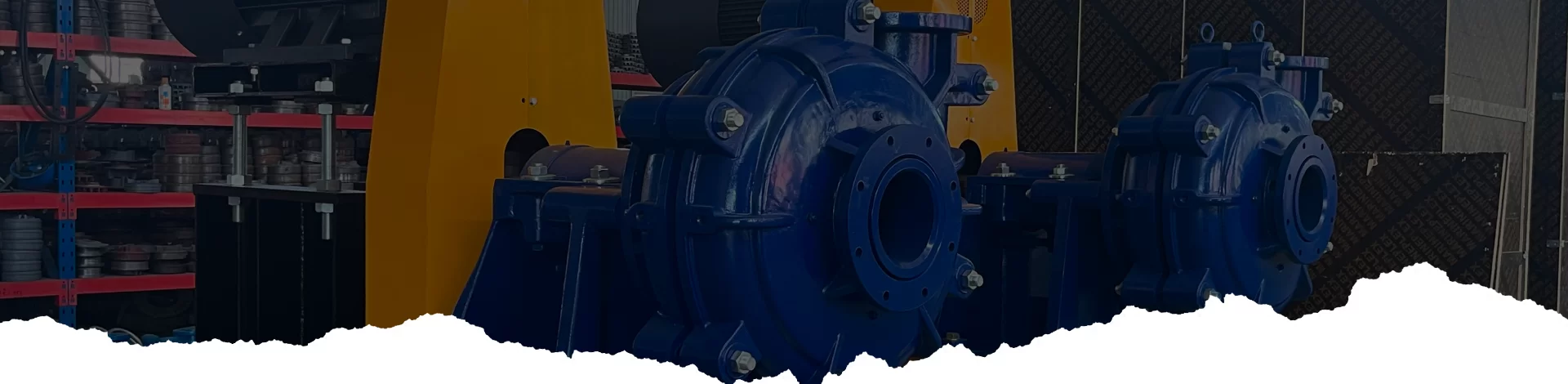
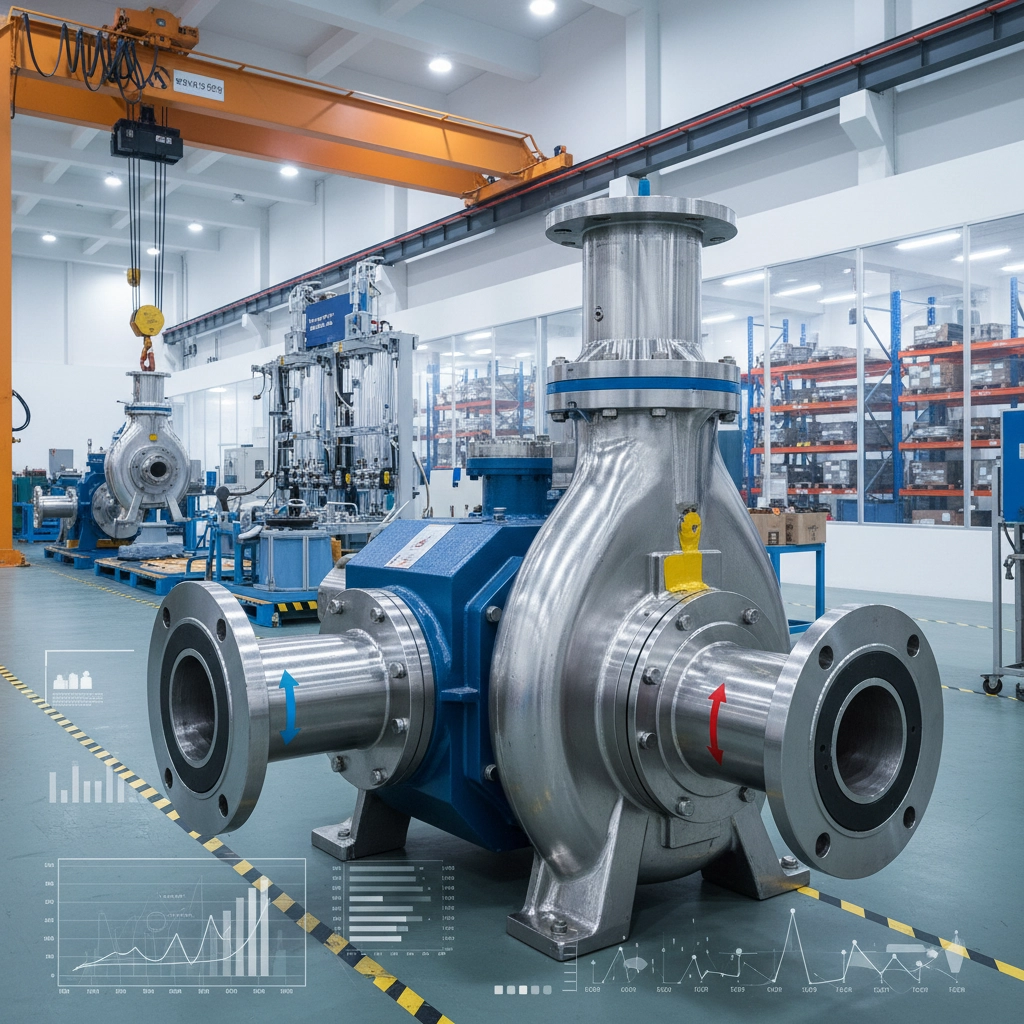
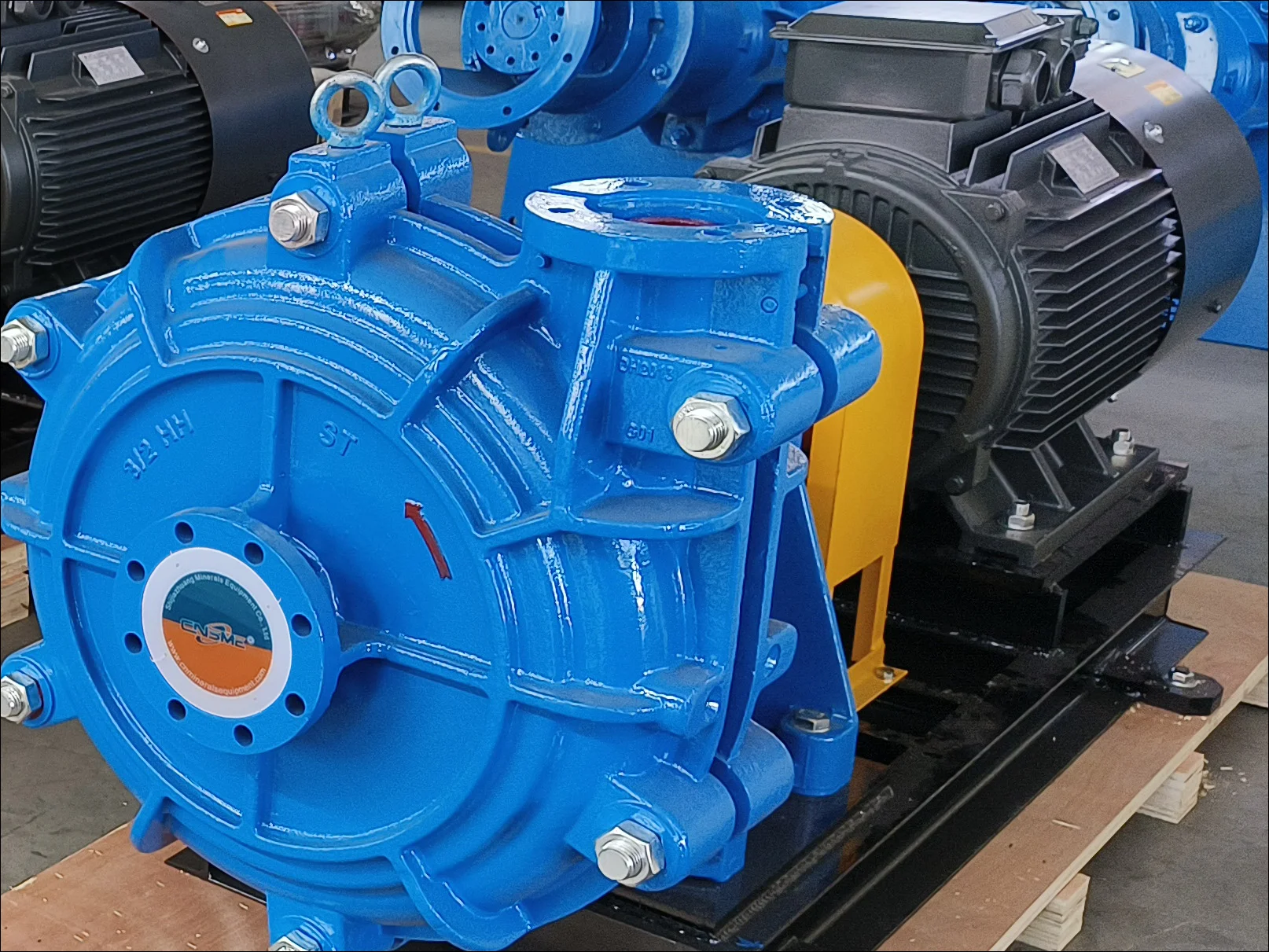
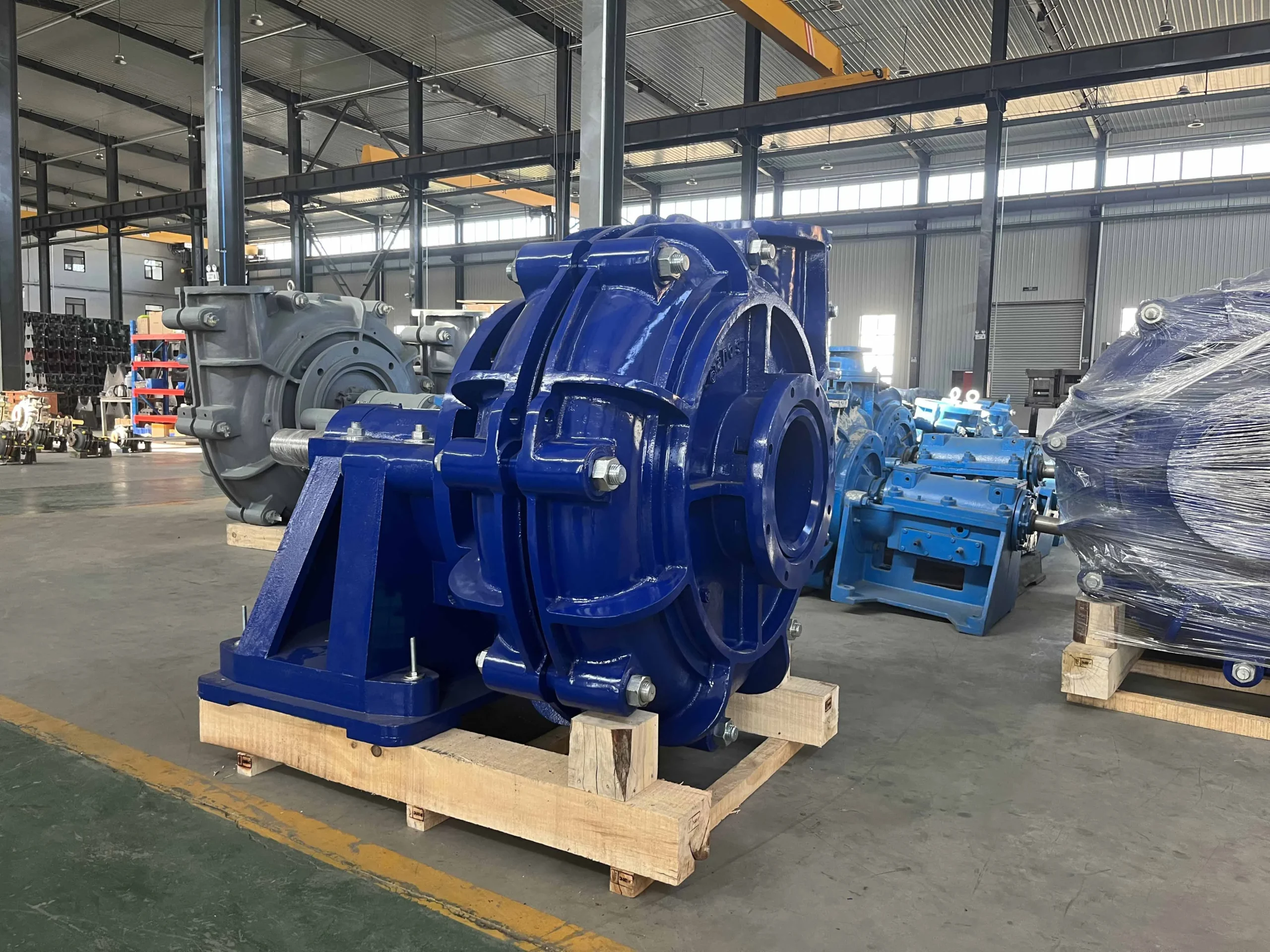
In the demanding world of industrial mineral processing and waste management, the selection of pumping equipment can determine the entire efficiency of a plant. A high chrome alloy slurry pump stands as the gold standard for handling highly abrasive fluids, combining metallurgical precision with robust mechanical design to withstand the constant erosion of slurry.
Globally, the demand for these specialized pumps is driven by the expansion of mining operations and the increasing rigor of environmental regulations regarding tailings management. Without the extreme hardness provided by high chrome alloys, pumps would suffer from premature wear, leading to frequent unplanned outages and astronomical maintenance costs that cripple operational margins.
Understanding the nuances of high chrome alloy slurry pump technology allows engineers to optimize their systems for maximum uptime. By balancing hydraulic efficiency with material durability, industries can ensure a steady flow of materials even under the most grueling conditions, securing both productivity and long-term asset value.
Global Industry Context of High Chrome Alloy Slurry Pumps
The global mining and dredging sectors are currently undergoing a paradigm shift toward deeper excavations and more complex mineral compositions. As deposits become leaner, the volume of slurry that must be moved increases, placing immense pressure on infrastructure. The integration of a high chrome alloy slurry pump has become essential to meet ISO standards for industrial efficiency and safety, ensuring that abrasive particles do not lead to catastrophic equipment failure.
Statistics from global industrial benchmarks indicate that wear-related downtime accounts for up to 30% of operational losses in slurry-intensive plants. By implementing advanced chrome metallurgy, operators can significantly reduce the frequency of impeller and liner replacements. This shift not only aligns with global productivity goals but also reduces the environmental footprint by minimizing the waste of replacement metal parts.
Defining the High Chrome Alloy Slurry Pump
At its core, a high chrome alloy slurry pump is a heavy-duty centrifugal pump specifically engineered to transport fluids containing high concentrations of abrasive solids. Unlike standard cast iron or stainless steel pumps, these machines utilize high-chromium white iron (typically containing 20% to 30% chromium) for their internal wetted parts, creating a hard, carbide-rich matrix that resists the "sandblasting" effect of slurry.
This technology is intrinsically linked to modern industrial needs, particularly in the transition toward sustainable mining and urban waste treatment. By allowing the movement of high-density slurries without constant failure, these pumps enable the efficient transport of tailings to storage facilities and the recovery of precious minerals from waste streams, supporting a circular economy.
In simpler terms, it is the "workhorse" of the abrasive fluid world. Whether it is moving gold ore, iron tailings, or dredging silt from a harbor, the high chrome alloy construction ensures that the pump maintains its hydraulic profile for hundreds of hours longer than conventional materials, directly translating to lower operational expenditure (OPEX).
Core Components for Maximum Durability
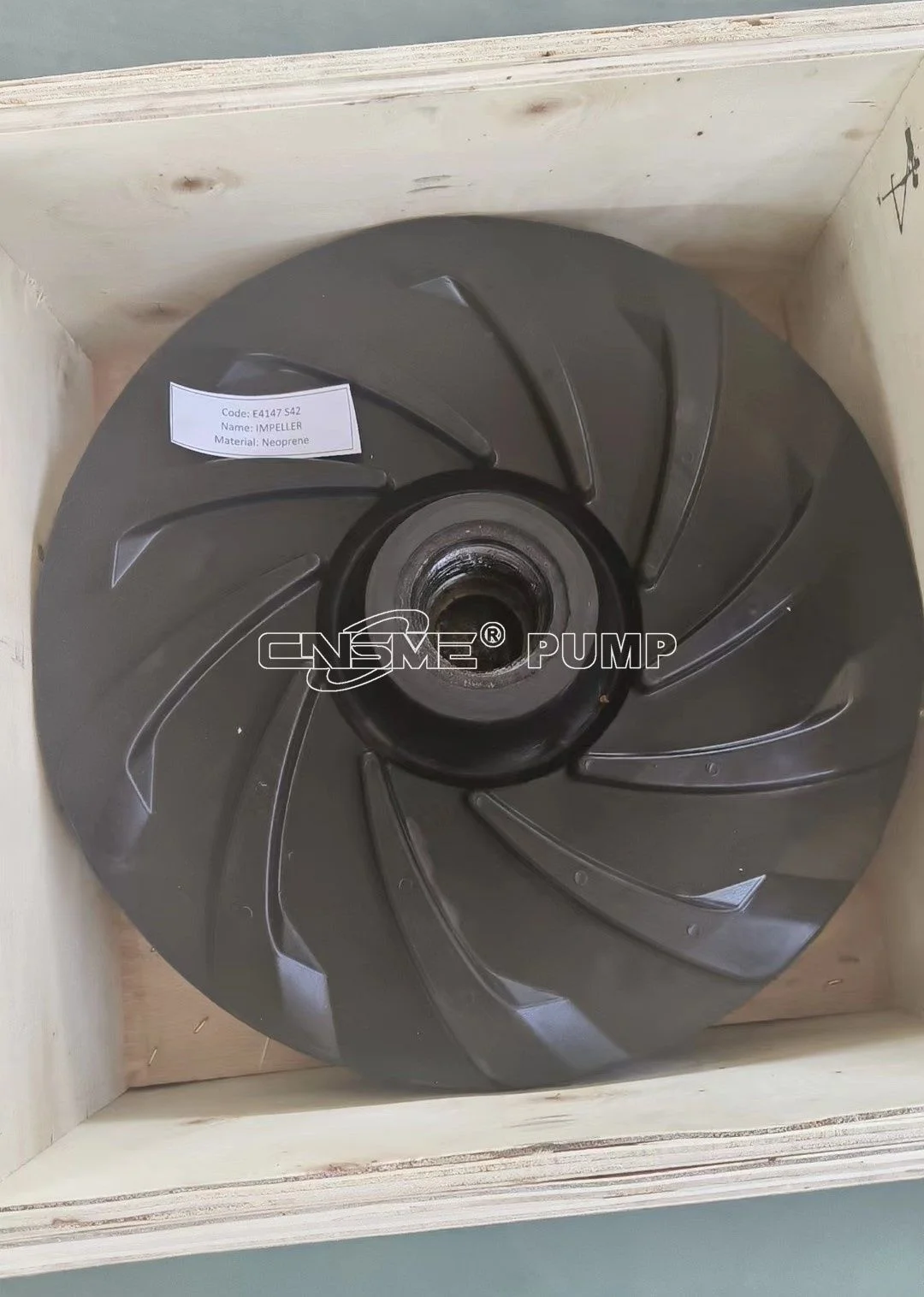
The longevity of a high chrome alloy slurry pump depends on the synergy between its impeller design and the casing liner. The impeller is the heart of the system, where the high chrome alloy prevents cavitation-induced erosion and abrasive wear, maintaining the necessary head and flow rate over time.
Another critical factor is the precision of the seal and bearing assembly. Because high chrome alloys are exceptionally hard and brittle, the supporting structure must be designed to absorb vibrations. Advanced lubrication systems and heavy-duty seals prevent the abrasive slurry from entering the bearing housing, which would otherwise cause immediate mechanical seizure.
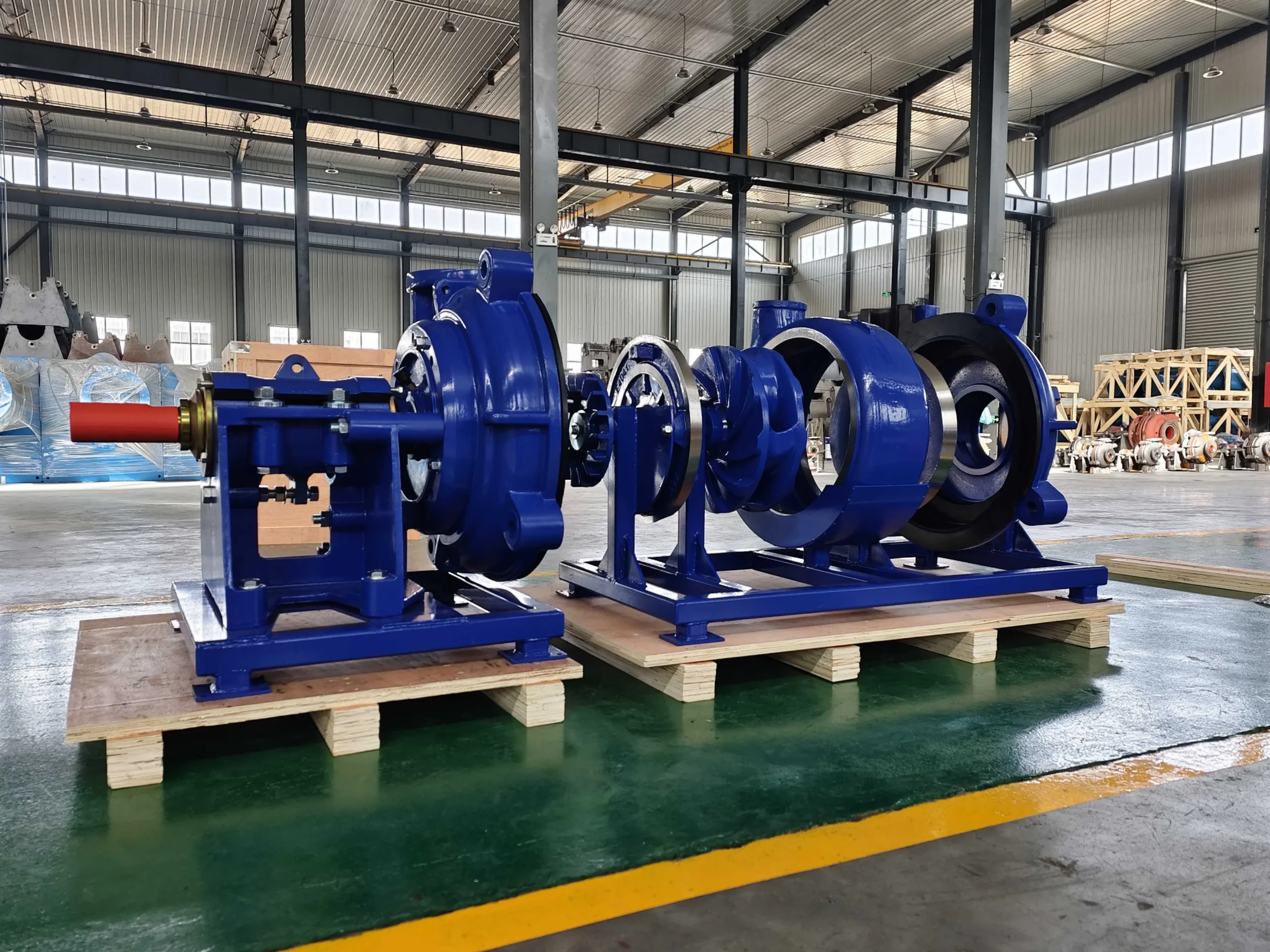
Finally, the modularity of the liner system allows for "sacrificial" wear. By using replaceable high chrome liners, the outer casing of the high chrome alloy slurry pump remains intact while only the internal wear surfaces are replaced, ensuring the structural integrity of the pump is never compromised during its service life.
Technical Performance and Cost Efficiency
When evaluating the return on investment for slurry handling, the initial purchase price is often overshadowed by the total cost of ownership. A high chrome alloy slurry pump may have a higher upfront cost than rubber-lined alternatives, but its ability to handle higher temperatures and more aggressive abrasive particles makes it the more economical choice for heavy-duty applications.
The efficiency of these pumps is measured not just by energy consumption, but by the "wear-life ratio." By extending the mean time between failures (MTBF), companies reduce the cost of labor, the cost of spare parts, and the massive cost of lost production during downtime.
Comparative Performance Ratings of Slurry Pump Materials
Global Applications and Real-World Use Cases
The application of the high chrome alloy slurry pump spans across diverse geographies and industries. In the copper mines of Chile and the iron ore deposits of Australia, these pumps are used to transport thick tailings from the processing plant to the tailings dam, preventing the buildup of solids that could cause pipeline blockages.
Beyond mining, these pumps are critical in municipal wastewater treatment plants for handling grit and sludge, and in the oil and gas industry for transporting proppants during hydraulic fracturing. In remote industrial zones, the reliability of high chrome components is a safety requirement, as the logistical challenge of transporting heavy replacement parts means a pump must last as long as possible before requiring service.
Long-Term Value and Reliability Advantages
The long-term value of investing in high chrome alloy technology lies in its predictable wear patterns. Unlike softer materials that can fail suddenly due to localized pitting or corrosion, high chrome alloys wear down evenly. This allows maintenance teams to schedule replacements based on data-driven wear-life curves rather than reacting to emergency breakdowns.
From a psychological and operational perspective, this reliability builds trust within the organization. Plant managers can commit to production quotas with confidence, knowing that their high chrome alloy slurry pump fleet is capable of handling surges in slurry density without immediate failure.
Furthermore, the sustainability angle cannot be ignored. By extending the life of each component, the industry reduces the total amount of metal casting and energy required for manufacturing replacements. This efficiency aligns with the global shift toward "green mining" and responsible industrialization.
Future Trends and Innovations in Slurry Pumping
The future of slurry pumping is moving toward the integration of "Smart Wear" monitoring. By embedding sensors into the casing of a high chrome alloy slurry pump, operators can monitor the wall thickness in real-time, using AI to predict the exact moment of failure. This digital transformation eliminates the guesswork from maintenance schedules.
Material science is also evolving, with the development of nano-structured chrome alloys that offer even higher hardness without increasing brittleness. These "super-alloys" aim to push the boundaries of how abrasive a fluid can be while still maintaining a viable pump life, potentially reducing the number of pump stations needed in long-distance slurry pipelines.
Automation and variable frequency drives (VFDs) are also playing a key role. By optimizing the pump speed based on the real-time density of the slurry, the velocity of abrasive particles against the high chrome walls is minimized, further extending the life of the equipment and reducing energy waste.
Comparative Analysis of High Chrome Alloy Slurry Pump Material Variants
| Material Grade |
Hardness (HRC) |
Wear Resistance |
Optimal Application |
| Cr27 Alloy |
60-65 |
Very High |
Coarse Gold Ore |
| Cr12 Alloy |
52-58 |
Moderate |
Fine Sand Slurry |
| Custom High Chrome |
65+ |
Extreme |
Tailings Management |
| Duplex Chrome |
45-50 |
High (Corrosive) |
Acidic Slurries |
| Standard High Chrome |
58-62 |
High |
General Mining |
| Rubber-Chrome Hybrid |
Variable |
Balanced |
Mixed Abrasives |
FAQS
High chrome alloy provides superior resistance to large, sharp particles and high temperatures, whereas rubber is better suited for fine particles and corrosive chemicals. In heavy-duty mining, high chrome is preferred because it does not tear or degrade under extreme mechanical impact.
Maintenance intervals vary by application, but generally, high chrome pumps last 3 to 5 times longer than standard pumps. Typical liner checks are performed every 3-6 months, though smart monitoring can extend this by predicting exact wear points.
While standard high chrome alloy is excellent for abrasion, extreme acidity can cause corrosion. For such cases, we recommend duplex stainless steel or specialized corrosion-resistant chrome alloys to ensure the pump does not degrade chemically.
Yes, many standard centrifugal pump designs can be retrofitted with high chrome alloy impellers and liners. This is a cost-effective way to upgrade equipment without replacing the entire pump housing and motor assembly.
The most common failure is "brittle fracture" caused by extreme mechanical shock (like a large rock hitting the impeller) or improper installation that creates uneven stress on the alloy components.
Generally, the higher the chromium content, the harder the material and the better the abrasion resistance. However, too much chromium can increase brittleness. We analyze your slurry's particle size and hardness to recommend the optimal grade.
Conclusion
The implementation of a high chrome alloy slurry pump is more than just a hardware upgrade; it is a strategic decision to enhance operational stability. By leveraging the extreme hardness of chrome carbides and precision engineering, industries can overcome the inherent challenges of abrasive wear, reducing downtime and maximizing the throughput of essential minerals and materials.
Looking forward, the synergy of advanced metallurgy and digital monitoring will continue to redefine efficiency in slurry handling. We recommend that operators conduct a full audit of their current wear-life cycles to identify where high chrome alloys can provide the most significant impact on their bottom line. For industry-leading solutions and technical consultations, visit our website: www.qualityslurrypump.com.