Industrial Slurry Management with Warman wear parts in Japan

Industrial Slurry Management with Warman wear parts in Japan

Precision-engineered components and efficiency optimization for Japan's demanding mining and chemical processing sectors.

Industrial Slurry Management with Warman wear parts in Japan

Optimizing the lifespan and performance of heavy-duty pumping systems through high-grade metallurgy and strategic maintenance in the Japanese industrial landscape.

The Current State of Slurry Pumping in Japan

Analyzing the operational challenges of Japan's specialized manufacturing and mineral processing plants.

Japan's industrial sector is characterized by high-density urban manufacturing and stringent environmental regulations. In the realm of slurry transport, there is a critical demand for extreme precision and reliability to minimize downtime, as the high cost of labor and facility operation in Japan makes any unplanned stoppage economically devastating.

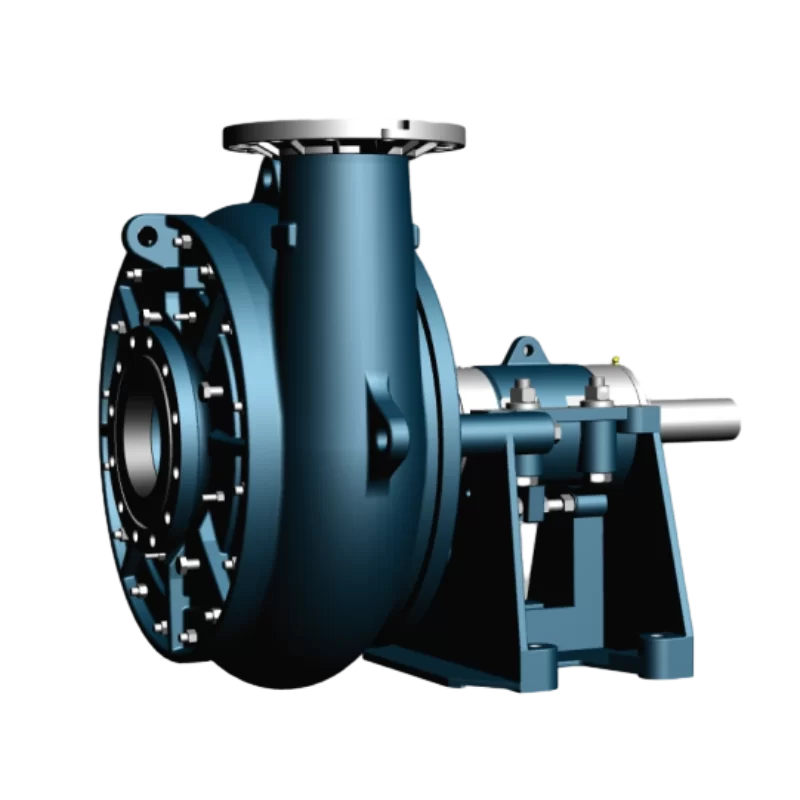
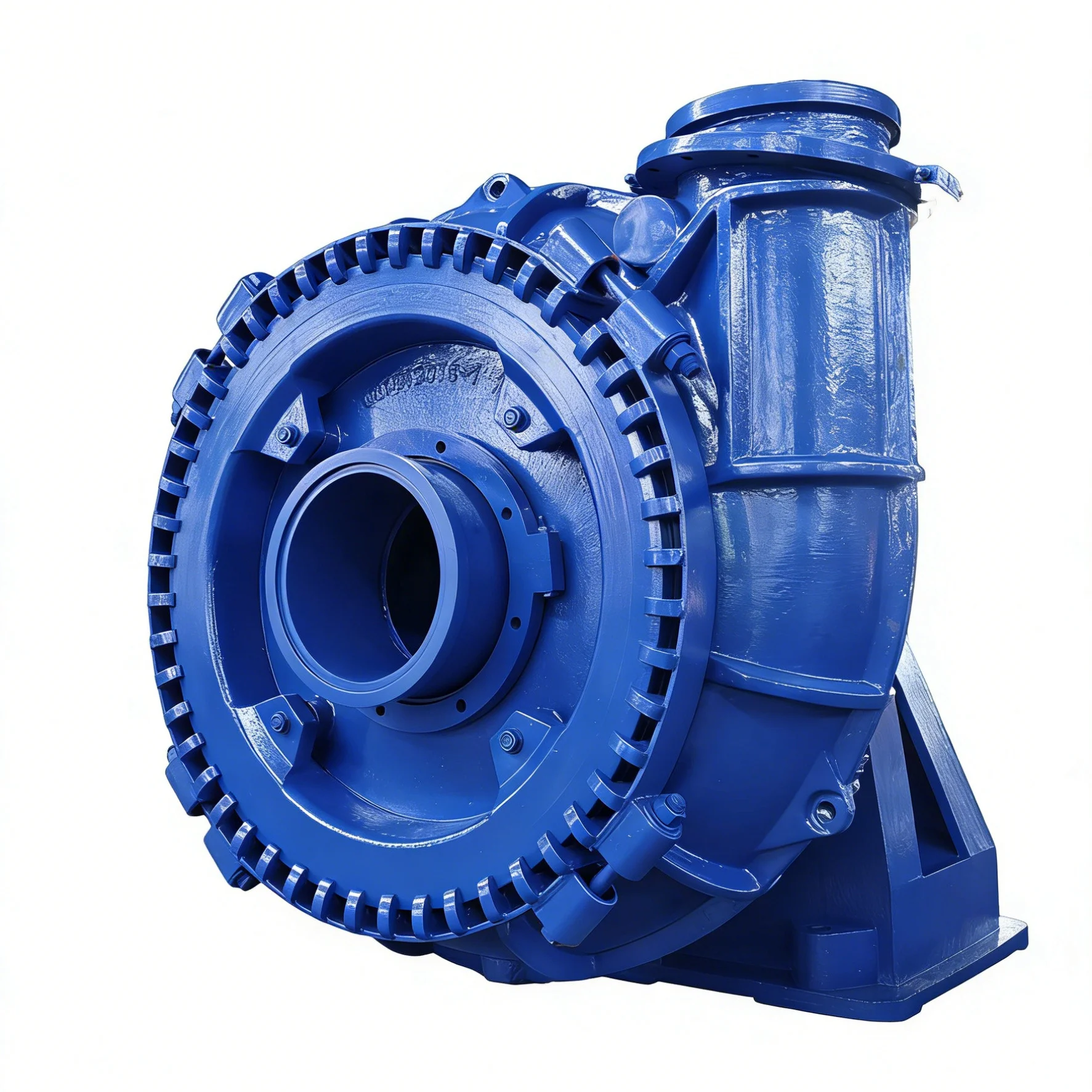
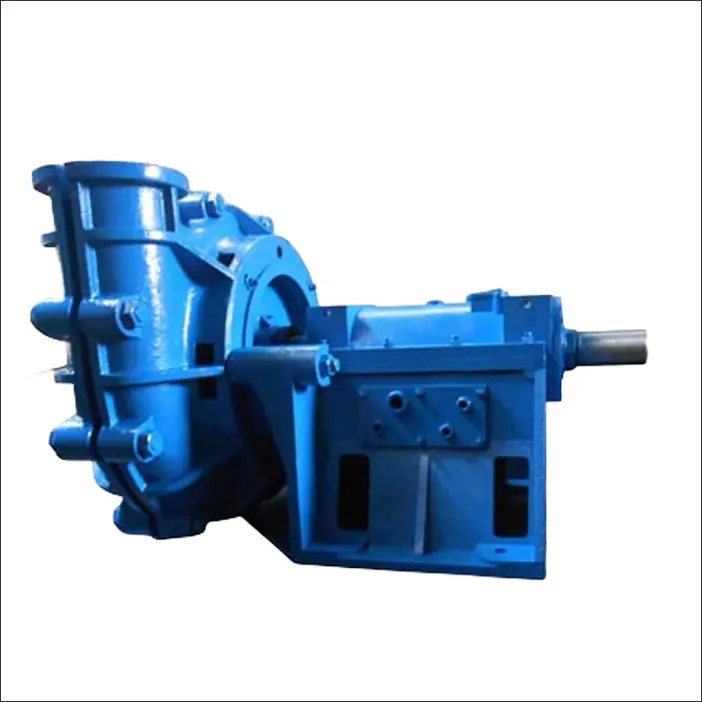
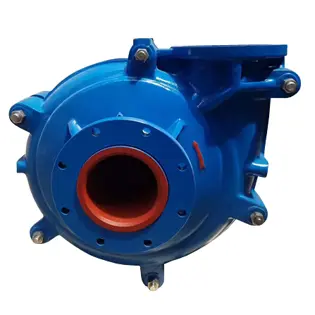
Many facilities currently utilize the Warman slurry pump due to its proven track record in handling abrasive materials. However, the unique chemical compositions of local industrial waste and the precision requirements of the electronics-grade mineral sector put immense pressure on sealing and wear components.

There is a growing shift toward predictive maintenance. Japanese operators are moving away from reactive replacement and are instead seeking comprehensive slurry pump efficiency improvement tips to extend the Mean Time Between Failures (MTBF) in their demanding processing lines.
Evolution of Slurry Technology in Japan

From basic cast iron components to advanced alloy engineering and smart monitoring.

Market Development History

During the rapid industrialization phase (1960s-1980s), Japan relied heavily on standardized cast-iron pumps. The focus was primarily on raw throughput, with frequent replacements of basic wear parts being the norm for the early mining and construction sectors.

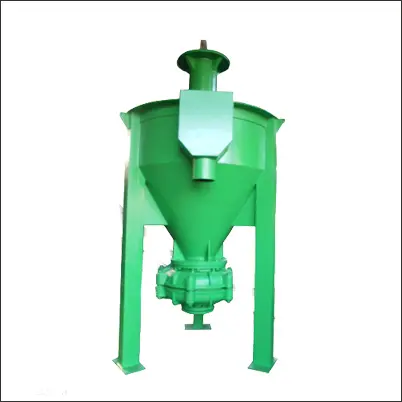
From the 1990s to 2010, the integration of High-Chrome alloys and specialized polymers transformed the industry. The introduction of the Warman froth pump allowed Japanese metallurgical plants to handle higher concentrations of air and solids, increasing the efficiency of flotation processes.

Since 2015, the focus has shifted toward "Zero-Leakage" and energy efficiency. The adoption of advanced Warman gland packing materials has significantly reduced fluid loss and environmental contamination, aligning with Japan's strict green energy goals.

Future Development Trends

AI-Driven Wear Prediction

Integration of IoT sensors to monitor impeller erosion in real-time, allowing for just-in-time replacement of wear parts.

Nano-Ceramic Coatings

Development of surface treatments that exceed the hardness of traditional high-chrome alloys to combat ultra-fine abrasive slurries.

Energy-Adaptive Pumping

The implementation of Variable Frequency Drives (VFDs) combined with hydraulic redesigns to lower the carbon footprint of slurry transport.

Industry Outlook and Future Projection

Strategic foresight into the evolution of pumping technology in the Asia-Pacific region.

Material Science Innovation
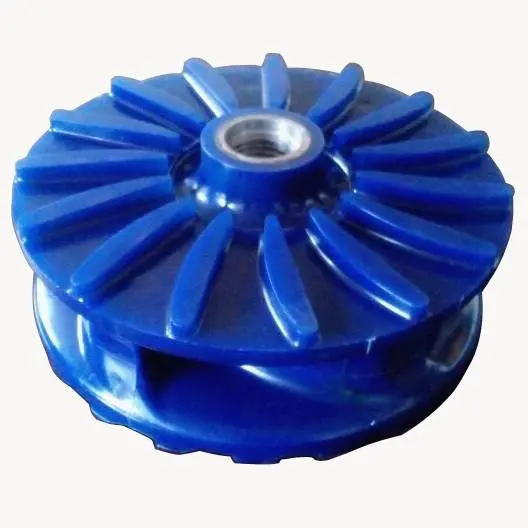
Shift toward hybrid metal-matrix composites to extend the life of impellers and liners.
Digital Twin Integration
Implementing virtual models to simulate slurry flow and predict wear patterns before they occur.
Sustainability Standards
Reducing energy consumption per cubic meter of slurry moved to meet Japan's 2050 carbon-neutral goal.
Modular Maintenance
Rapid-swap component designs to minimize the Mean Time To Repair (MTTR) in high-cost labor markets.

Industry Outlook

Based on search trends and industrial migration, we expect a surge in demand for high-efficiency slurry handling in Japan's waste-to-energy and advanced recycling sectors. As traditional mining declines, the focus is shifting toward urban mining and chemical slurry processing.

The market will increasingly reward providers who can offer not just the hardware, but a complete lifecycle management strategy that incorporates high-quality replacement parts and systemic efficiency audits.

Localized Application Scenarios in Japan

Real-world implementations of slurry pumping solutions across diverse Japanese industries.

1. Semiconductor Polishing Slurry Transport

Utilizing high-precision pumps and specialized liners to transport abrasive polishing slurries without contamination in clean-room environments.

2. Automotive Casting Waste Management

Handling high-density sand slurries in automotive foundries using heavy-duty Warman wear parts to resist extreme abrasion.

3. Urban Wastewater Desalination

Managing corrosive saline slurries in coastal Japanese cities, focusing on chemical-resistant gland packing and alloy impellers.

4. Mineral Processing in Northern Japan

Operating in cold-climate environments where slurry viscosity changes, requiring optimized pump efficiency for consistent flow.

5. Chemical Plant Neutralization Tanks

Moving hazardous chemical slurries using the Warman froth pump to handle gaseous mixtures and volatile solids safely.

Brand Story

Global Development Journey of Shijiazhuang Huaqiang Stone Pump Mining Equipment Co., Ltd.

Foundational Engineering

Started with a focus on the most abrasive mining environments, mastering the art of metallurgy for slurry pump internals.

Quality Standardization

Achieved international certifications to ensure every component meets the rigorous demands of global industrial standards.

Market Expansion

Expanded reach into the Asia-Pacific region, specifically tailoring solutions for the high-precision requirements of the Japanese market.

Technological Pivot

Invested in R&D to transition from basic part manufacturing to providing complete efficiency optimization systems.

Sustainable Future

Committing to eco-friendly materials and energy-efficient designs to lead the slurry pumping industry into a greener era.

Comprehensive Slurry Solution Portfolio for Japan

A full suite of pumps and wear components designed for maximum durability and efficiency.

Frequently Asked Questions for Japan Operators

Expert answers to common technical challenges in slurry pump maintenance.

How can I implement slurry pump efficiency improvement tips to reduce energy costs?

Energy efficiency is improved by ensuring the impeller diameter is correctly matched to the duty point and replacing worn liners promptly to maintain optimal hydraulic flow.

What is the best interval for replacing Warman wear parts in high-abrasion settings?

While it depends on the material, we recommend a monthly ultrasonic thickness check on the liner and impeller to schedule replacements before failure occurs.

Why is Warman gland packing preferred over mechanical seals in certain Japanese plants?

Gland packing is often preferred in extremely abrasive slurry applications where mechanical seal faces would erode rapidly, offering easier field maintenance.

Can a Warman slurry pump handle high-viscosity chemical waste?

Yes, provided the pump is correctly sized and the metallurgy of the wear parts is compatible with the chemical composition of the waste.

What are the advantages of using a Warman froth pump for flotation?

Froth pumps are specifically designed to handle the air-entrained slurries common in flotation, preventing cavitation and maintaining consistent flow.

How do I diagnose an efficiency drop in my slurry pump system?

Check for increased vibration, a drop in discharge pressure, and inspect for excessive wear in the impeller or throat bushing.

Request a Technical Consultation

Our engineers are ready to help you optimize your slurry handling systems across Japan. Contact us for customized parts and efficiency audits.

Contact Us Now

If you are interested in our products, you can choose to leave your information here, and we will be in touch with you shortly.