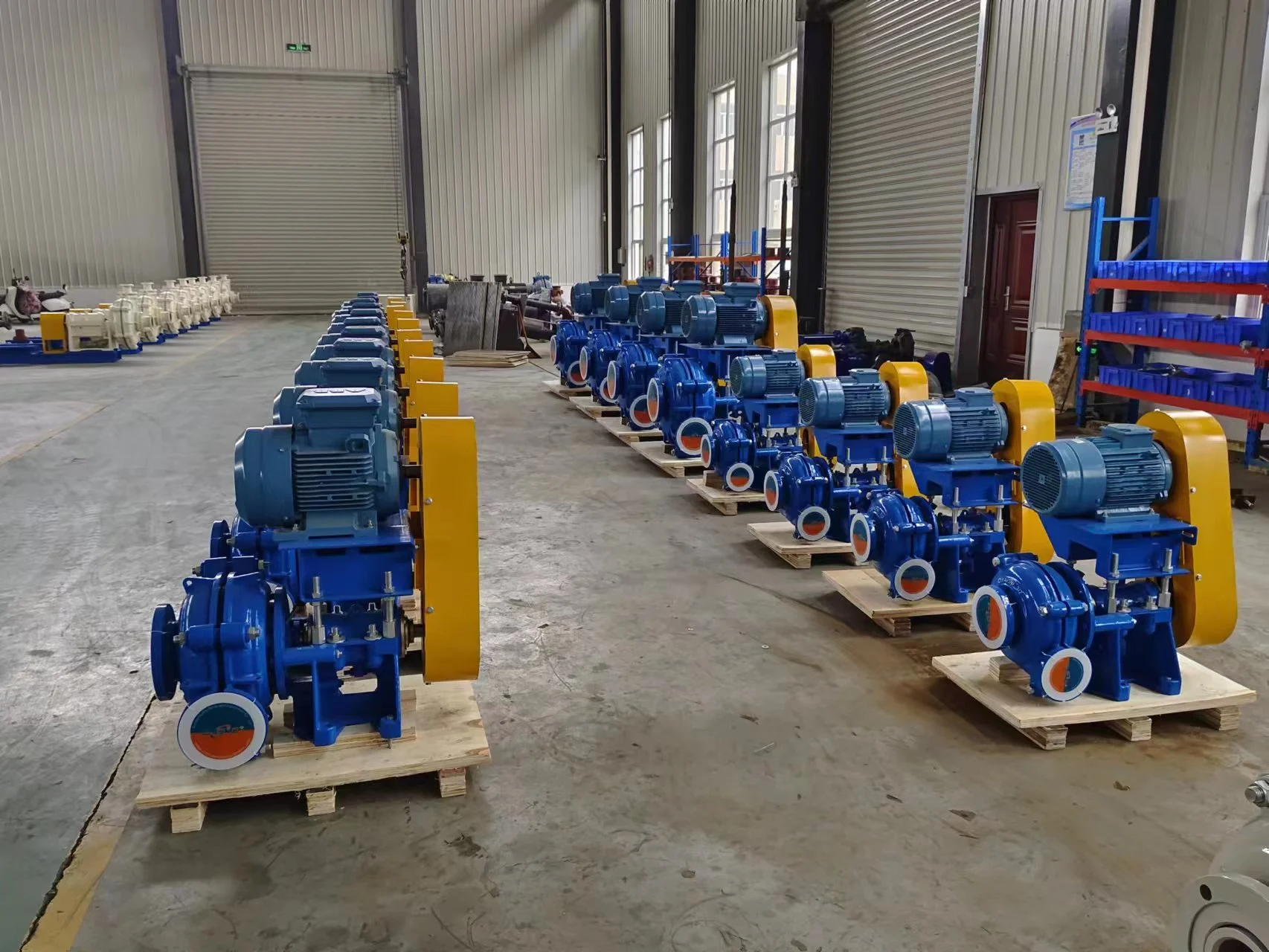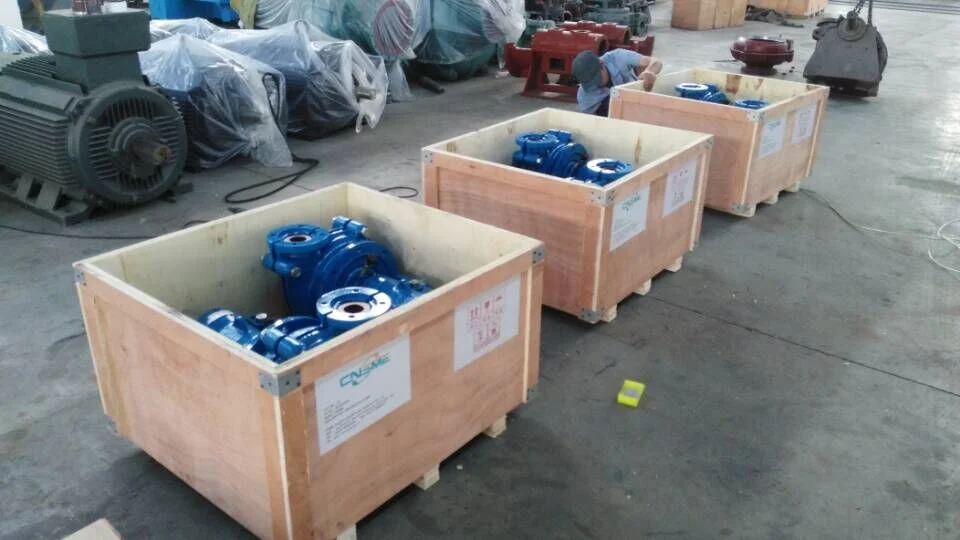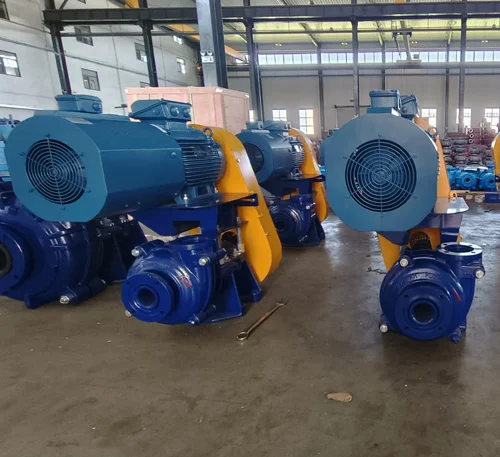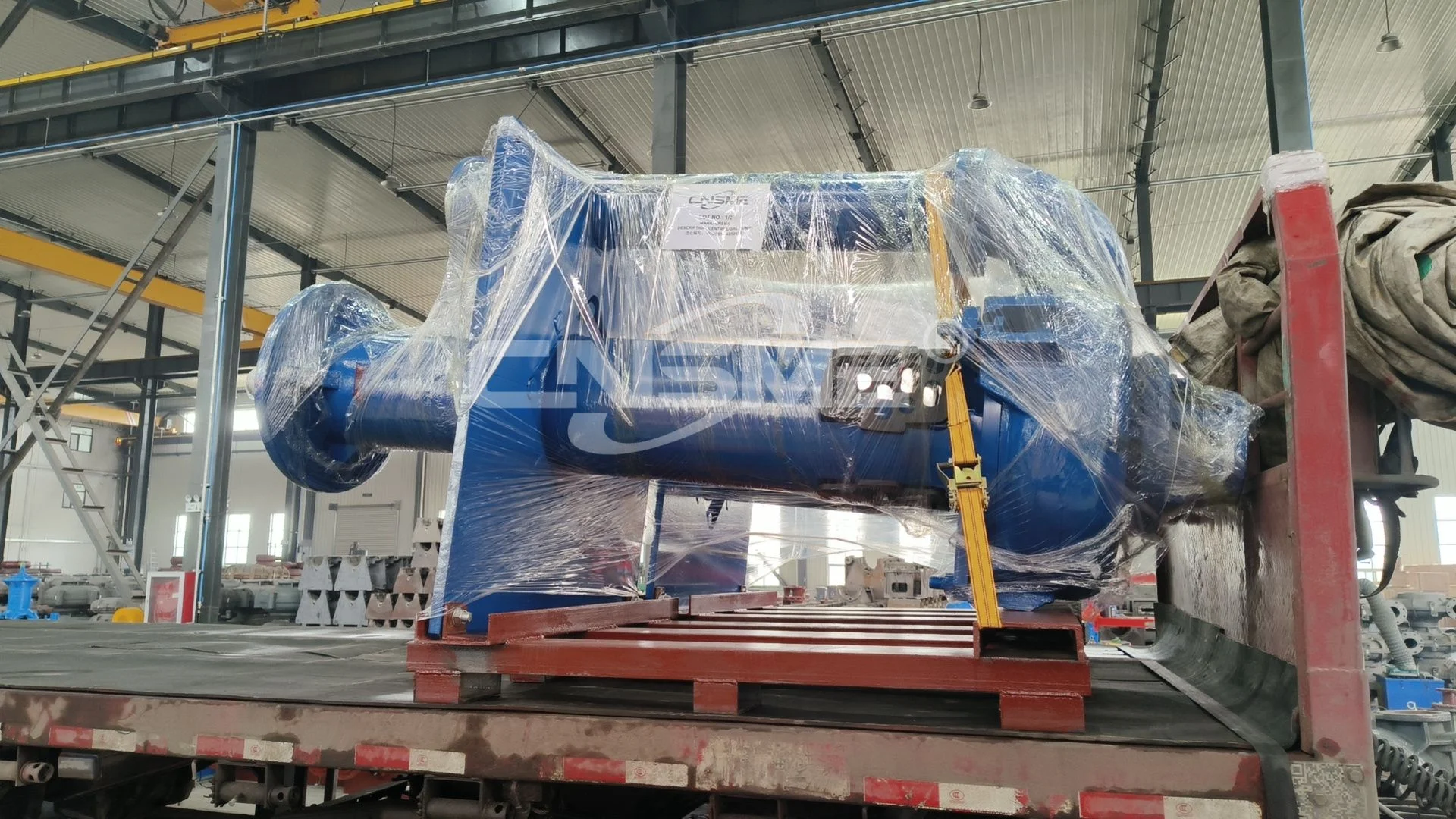
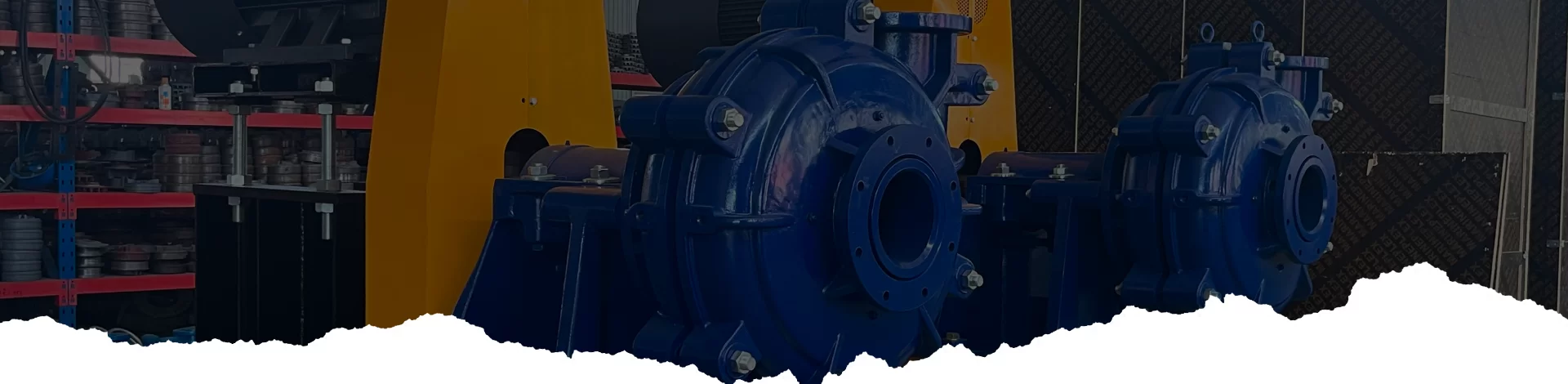
To be honest, things have been a bit hectic lately. Everyone’s talking about modular construction, prefabrication… basically, getting stuff done offsite. Seems like every other engineer is running around with a BIM model, and the pressure to cut lead times is insane. It’s not just hype, though. I’ve seen it save projects, and it's definitely the way things are heading. And you know what that means? More demand for robust, reliable centrifugal slurry pumps. You wouldn’t believe the amount of concrete slurry involved, even in “modular” builds.
Have you noticed how everyone’s obsessed with lightweight materials? Carbon fiber, composites… great for reducing weight, but when it comes to something like a slurry pump, it's about endurance, not saving a few grams. I encountered this at a precast factory in Tianjin last time; they tried using a pump with a fancy plastic impeller and it cracked within a week. Went back to good old cast iron, and problem solved. It’s a lesson, right? Don't overthink it.
I tell you, the centrifugal slurry pump market is a wild west these days. Everyone claims theirs is the best, the most efficient. But a lot of these designs… well, they’re just not practical. They look good on paper, but fall apart on a real construction site.
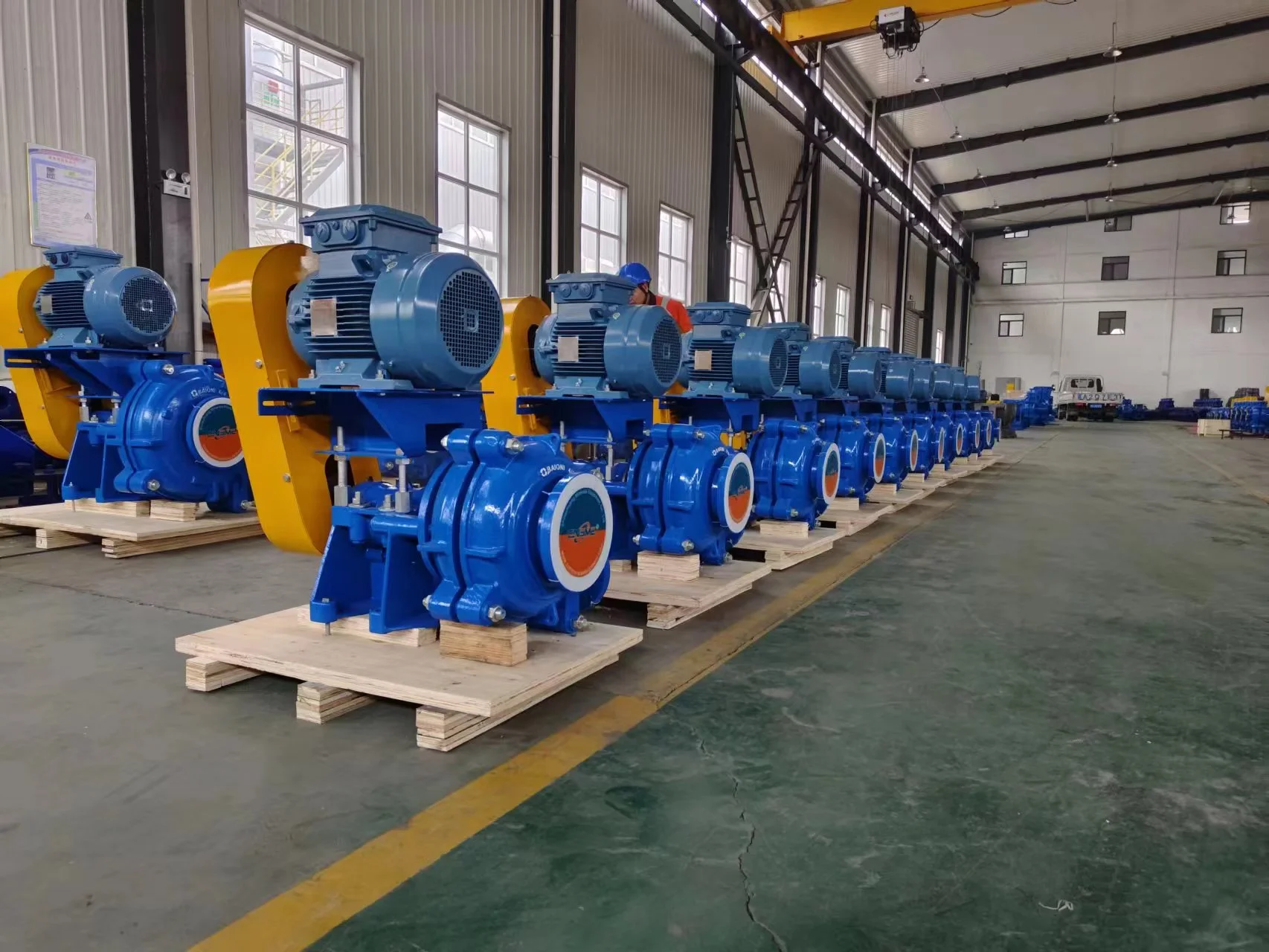
Strangely enough, despite the push for everything 'smart', a lot of sites are going back to basics. It's less about fancy sensors and more about just reliable equipment. And that means a need for robust centrifugal slurry pumps that can handle everything from concrete washout to drilling mud. The demand for high-volume, continuous-duty pumps is soaring, especially with the increase in large-scale infrastructure projects. We're seeing a lot more interest in pumps designed for abrasive materials, too – think aggregates, sand, and even chemical slurries.
Plus, noise reduction is a big one now. Local regulations are getting stricter, and nobody wants to deal with noise complaints. So, quieter centrifugal slurry pumps are in high demand, which is pushing manufacturers to explore different impeller designs and sound dampening materials. It's a subtle thing, but it makes a difference on busy construction sites.
Oh boy, the design flaws… where do I even start? One thing I see all the time is undersized motors. People try to save a few bucks upfront, and then the pump just can’t handle the load. It overheats, burns out, and everyone’s scrambling for a replacement. It's frustrating. Another common mistake is using cheap seals. Those things fail quickly, leading to leaks and downtime. You wouldn’t believe how much time we waste cleaning up slurry spills.
And don’t even get me started on the impellers. Too many manufacturers use impellers that aren’t designed for abrasive materials. They wear down quickly, reducing pump efficiency and requiring frequent replacements. I saw a pump at a coastal development project last year that had an impeller worn down to almost nothing in just a few months.
Anyway, I think the biggest issue is a lack of real-world testing. A lot of these pumps are tested in pristine lab conditions, but that doesn’t tell you anything about how they’ll perform on a muddy, dusty construction site.
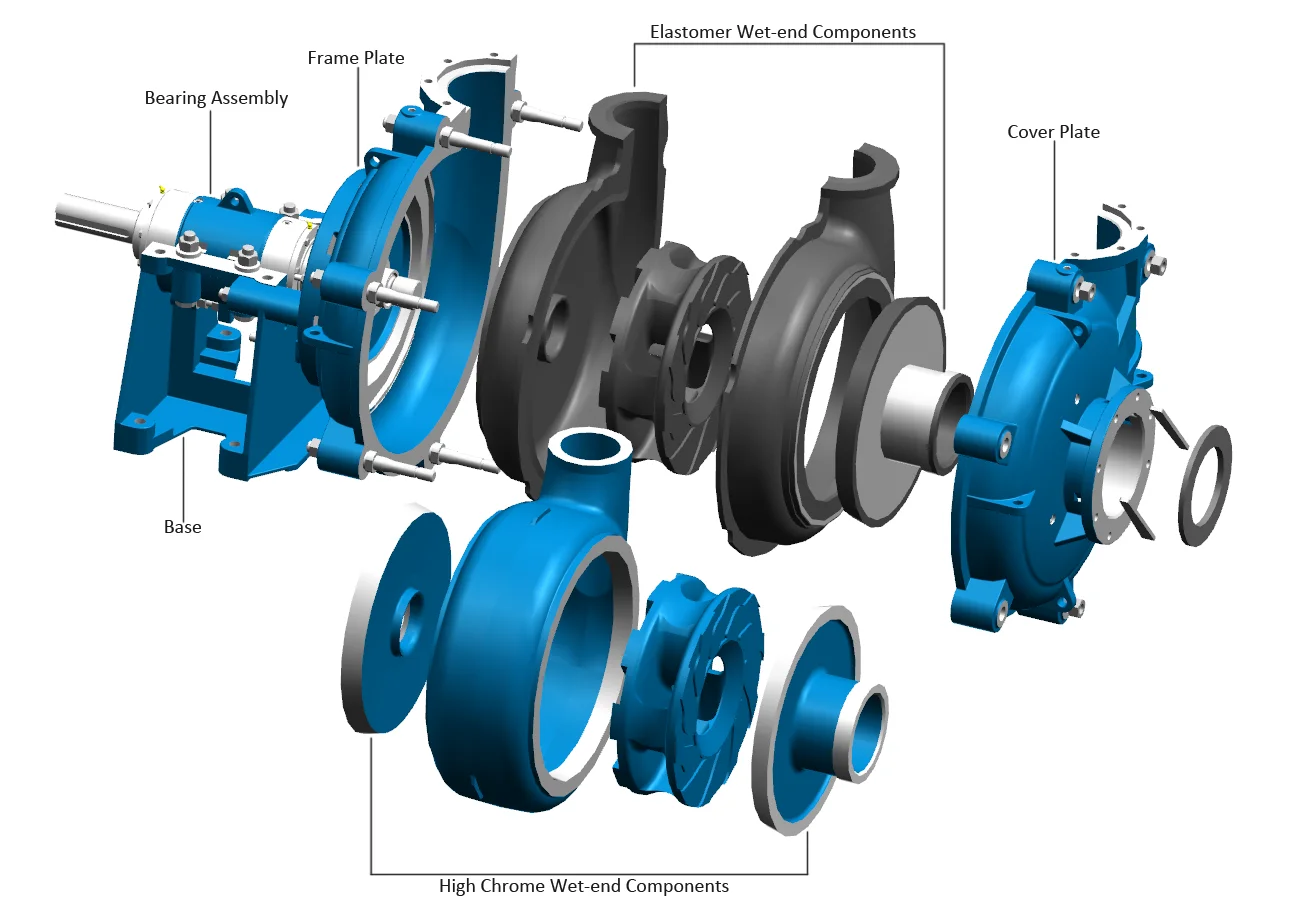
Cast iron is still king, in my opinion. It's tough, durable, and relatively inexpensive. You can feel the weight, the solidity. It just feels… right. But, you need to consider the slurry. For highly abrasive materials, you need a harder alloy – high-chrome iron is a good option. I’ve handled pumps with ceramic liners too, those are super resistant but also super brittle. And let me tell you, trying to weld on high-chrome iron is a nightmare.
The rubber linings are okay for certain applications, especially when dealing with corrosive slurries. They have a bit of a smell, kinda like tires. But they’re surprisingly effective at protecting the pump housing. The problem with rubber is that it wears down over time, especially with abrasive materials. And the bonding between the rubber and the metal housing can be a weak point. You gotta inspect those liners regularly.
Stainless steel… well, it looks pretty, but it’s not always the best choice. It’s more expensive than cast iron, and it’s not as resistant to impact. I’ve seen stainless steel pumps get dented and cracked on sites where they’ve been accidentally hit with debris.
Forget those pristine lab reports. The real test is on the site. We run these pumps hard. We submerge them in the nastiest slurry we can find, run them 24/7, and see how they hold up. I like to monitor the motor temperature, check for leaks, and listen for any unusual noises. It’s not glamorous, but it’s effective.
We’ve started doing more field testing with customers, too. We’ll go to their site, install a pump, and monitor its performance over a period of weeks or months. It gives us valuable feedback on what’s working and what’s not. Last month, that small boss in Shenzhen who makes smart home devices insisted on changing the interface to , and the result was a connector full of concrete dust within a day. He learned his lesson!
You know, you design a pump to do one thing, but then you see how people actually use it. I’ve seen pumps used to drain swimming pools, transfer fish food, even… I don’t even want to talk about it. The point is, they’re versatile. But that also means they need to be tough enough to handle unexpected abuse.
I’ve noticed a trend where guys are rigging up these pumps to automated systems, using timers and sensors. It's clever, but it also puts a lot more stress on the pump. They need to be able to handle those start-stop cycles without failing.
Look, centrifugal slurry pumps are great for moving large volumes of fluid quickly. They’re relatively simple, which means less maintenance. But they’re not perfect. They can struggle with highly viscous fluids, and they’re not the best choice for applications where you need high pressure. And if you run them dry, they’ll burn out in a heartbeat.
Honestly, the biggest advantage is their versatility. You can use them for a wide range of applications. The disadvantage? They require constant monitoring and maintenance to prevent failures. You can't just "set it and forget it."
Later... Forget it, I won't mention the number of times I've seen a pump impeller clogged with a worker's lunch.
We get a lot of requests for customization. One of the most common is changing the impeller material. Some customers need impellers made from tungsten carbide for extremely abrasive slurries. Another popular request is adding special seals to handle corrosive chemicals.
I remember one customer, a mining company in Australia, wanted a pump with a built-in pressure sensor and remote monitoring capabilities. They wanted to be able to track pump performance from their office. It was a complicated job, but we got it done.
Anyway, I think the key is to be flexible and willing to work with customers to meet their specific needs. You can't just offer a one-size-fits-all solution.
| Pump Model | Flow Rate (m³/hr) | Max Solid Size (mm) | Maintenance Frequency (Months) |
|---|---|---|---|
| CSP-100 | 150 | 25 | 6 |
| CSP-200 | 250 | 50 | 4 |
| CSP-300 | 350 | 75 | 3 |
| CSP-400 | 450 | 100 | 2 |
| CSP-500 | 500 | 125 | 1 |
| CSP-600 | 600 | 150 | 3 |
Cavitation is a real headache. The best prevention is ensuring adequate Net Positive Suction Head Available (NPSHa) exceeds the Net Positive Suction Head Required (NPSHr). Basically, make sure there's enough liquid pressure at the pump inlet. Also, avoid running the pump at excessive speeds or with a partially closed discharge valve, as these can lower pressure. Regular inspection for impeller wear can also help – a worn impeller is more prone to cavitation.
Honestly, seals are the first thing to go. I recommend at least a visual inspection every month, and a full replacement every six months to a year, depending on the application and the type of slurry. Look for any signs of leakage, wear, or damage. Don't wait for it to fail completely – that's when you'll have a real mess on your hands!
Wet installations, where the pump is submerged in the slurry, are good for handling highly abrasive materials and keeping the pump cool. However, they require more maintenance due to the exposure to the slurry. Dry installations are easier to maintain but might need additional cooling if the slurry is hot. It really depends on the specific application.
Excessive vibration is a sign of trouble. First, check for loose bolts or connections. Then, inspect the impeller for damage or imbalance. A misaligned coupling can also cause vibration. If you can't find the source of the vibration, it's best to shut down the pump and call a professional. Don’t ignore it, or you risk serious damage.
For large solids, you’ll want to look at pumps designed with a wider impeller passage. Vortex pumps are excellent for this as they minimize clogging, but they typically have lower efficiency. Some centrifugal pumps have open impellers specifically designed for solids handling. Consider the size and concentration of the solids when choosing.
Motor efficiency is crucial, especially for continuous-duty applications. A more efficient motor will save you money on electricity over the long run. Look for motors with a high IE3 or IE4 efficiency rating. Don't skimp on the motor – it’s a major component of the overall system cost.
Ultimately, centrifugal slurry pumps are essential pieces of equipment on any construction site, mining operation, or industrial facility. Choosing the right pump, maintaining it properly, and understanding its limitations are all crucial for ensuring reliable operation and minimizing downtime. From materials to testing to customization, there's a lot to consider.
But, at the end of the day, whether this thing works or not, the worker will know the moment he tightens the screw. If it feels solid, runs smooth, and keeps the slurry flowing, then it’s a good pump. If not… well, you’ll hear about it. And if you’re looking for a reliable centrifugal slurry pump, give us a shout at www.qualityslurrypump.com.

bscribe newslette
If you are interested in our products, you can choose to leave your information here, and we will be in touch with you shortly.